REVIEW · MUSEUM OF ILLUSIONS SPLIT
Split: Museum of Illusions Entrance Ticket
Book on GetYourGuide →Operated by Museum of Illusions Split · Bookable on GetYourGuide
A funhouse for your eyes, not just your feet. At Split’s Museum of Illusions, you’ll run from one optical setup to the next, with hands-on moments that make you question what you see. I especially like the mix of big visual effects and playroom-style puzzles that keep it entertaining for kids and adults. One thing to consider: the museum focuses on captions and spoken support in limited languages, so if you need French, you may feel short-changed.
You’re going for a fast, satisfying way to learn about perception without reading a textbook. With a 1-day ticket and a clear meet-up point at the main entrance, this fits easily between meals, beaches, or old-town wandering in Dalmatia, Croatia. At about $14 per person, it’s a solid value if you enjoy interactive exhibits more than “look and move on” attractions.
In This Review
- Key things to know before you go
- Split’s Museum of Illusions: Ticket Value and What You’ll Actually Do
- Booking Your $14 Entrance Ticket and Finding the Main Door
- First Room Energy: Follow the Setup, Then Challenge Your Brain
- Defy Gravity: Upside-Down Water and the Physics of Surprise
- Visual Illusions Close Up: When Friends Grow or Shrink
- The Mirror Maze and Other Big-Mood Optical Setups
- Photo Time: The Big-and-Small Set
- Playrooms With Games and Puzzles (A Real Win for Families)
- Captions, Language Support, and How to Avoid Getting Lost
- Practical Travel Notes: Timing, Rules, and Comfort
- Who This Museum Works Best For
- Should You Book the Split Museum of Illusions Ticket
- FAQ
- How do I get into the Museum of Illusions in Split?
- How long is the ticket valid?
- What is included with the ticket?
- What languages are available?
- Can I cancel my booking?
- Is wheelchair access available?
- Can I bring a camera?
- Are unaccompanied minors allowed?
Key things to know before you go
- Hands-on optical illusions that test how your brain interprets what your eyes catch
- Playrooms with games and puzzles that feel like learning with a grin
- Photo-friendly setups where scale changes in seconds
- Captions in multiple languages (English, German, Italian, Croatian)
- Good for a short stop thanks to the flexible 1-day validity
Split’s Museum of Illusions: Ticket Value and What You’ll Actually Do
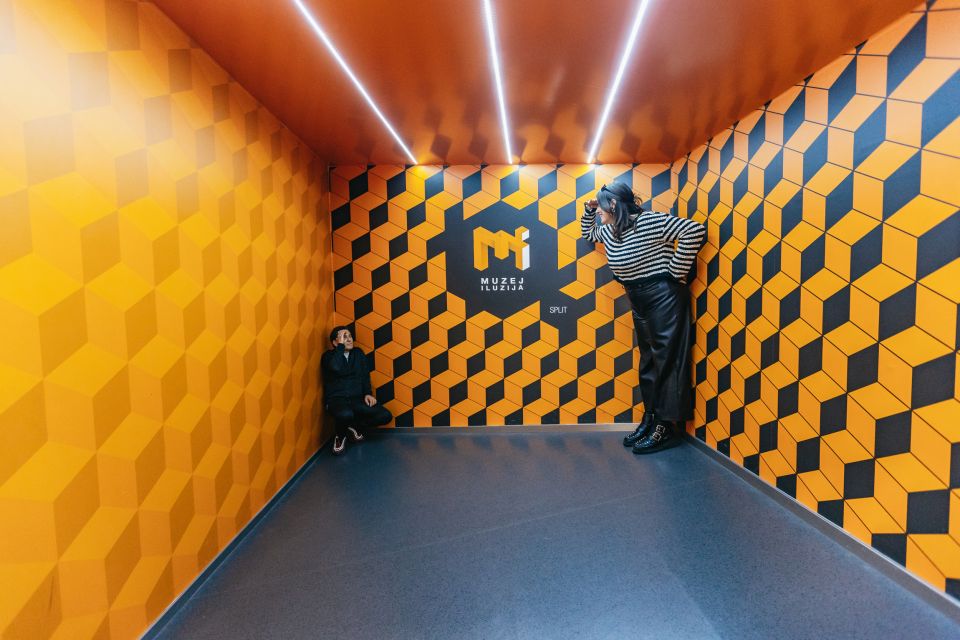
This isn’t a museum where you quietly read plaques and drift away. It’s built for doing. One room nudges your eyes to misread distance and motion; another makes you physically interact so the illusion hits harder.
You’ll also get more than just “wow” moments. The museum links the tricks to the science of vision and perception, so even when you laugh at how wrong your brain was, you’re also learning why it happened. The overall experience is light, playful, and surprisingly educational at the same time.
If you like attractions with quick wins—stand here, look closer, change your angle, then see what changes—this fits your style. And if you’re traveling with kids, you’ll appreciate that the place doesn’t feel like a long lecture. It’s part illusion hall, part game room, and that mix is a big reason people rate it 4.2 out of 5.
Booking Your $14 Entrance Ticket and Finding the Main Door
Start with the practical stuff: this is an entrance ticket. You’ll show your voucher at the museum’s main entrance, so keep it handy on your phone or printed. It’s a straightforward meet point, which matters if you’re trying to plan a busy day in Split.
Price-wise, $14 per person is a fair ask for a venue that’s designed to keep you moving. You’re paying for time inside a set of interactive installations, not for a guided lecture that ends in an hour. For many people, that’s where the value lands: you can spend as long as you need to test each illusion with fresh eyes.
You’ll want to check availability for starting times, since the ticket is valid for 1 day and depends on what slots are open. One more planning tip: bring a camera. A lot of these exhibits are made to be captured, especially the scale-based and photo-style setups.
First Room Energy: Follow the Setup, Then Challenge Your Brain
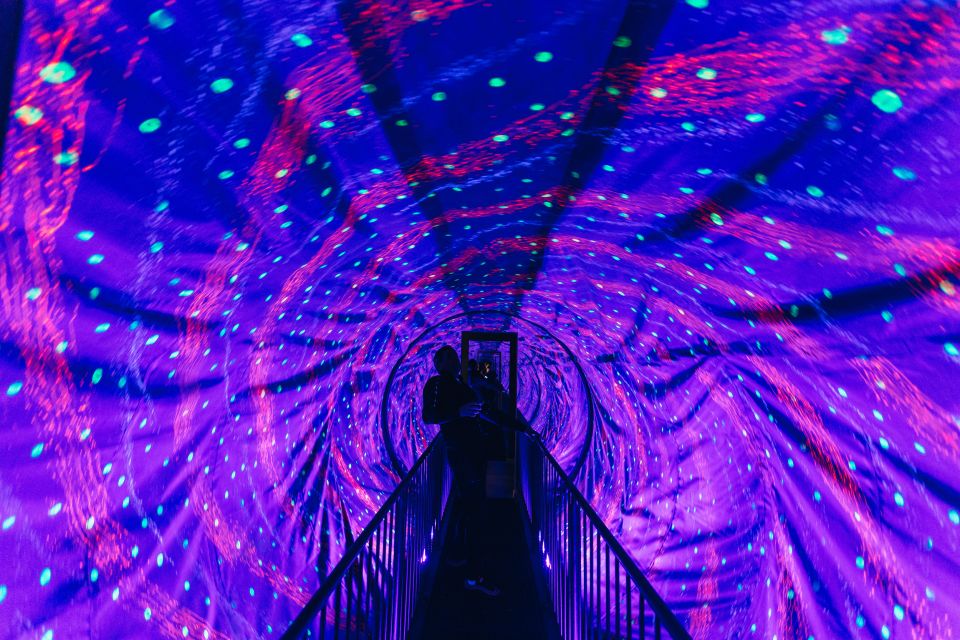
When you step in, don’t just rush. The illusions work best when you give your brain a chance to “try” and then fail. I like to approach each installation like a mini experiment: look once, then look again from a slightly different angle.
That’s part of the fun. The museum includes setups that mess with how you judge size, motion, and gravity. You may feel sure at first, and then the display quietly proves you wrong—fast. It’s a lesson in how much your brain fills in details, sometimes with confidence.
This is also where the caption support matters. The museum offers captions in English, German, Italian, and Croatian, so if you’re reading along, you’ll understand what the trick is doing. If your preferred language isn’t available in text, you can still enjoy the visuals, but the “why” may feel less complete.
Defy Gravity: Upside-Down Water and the Physics of Surprise
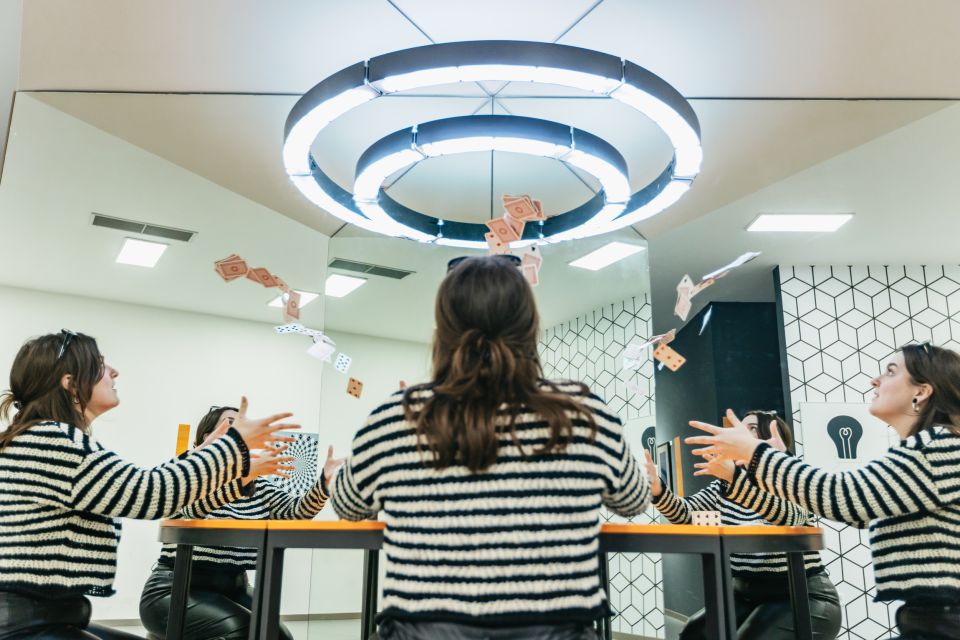
One standout type of exhibit here involves water moving in a way that feels impossible at first glance—like water flowing uphill. These are the moments that make you instinctively doubt your senses, because the motion goes against what you expect gravity to allow.
What makes this valuable is the way your brain reacts. You’ll likely spend extra seconds watching the flow because it refuses to behave like normal water. Then, when you notice the mechanism behind it (or at least the trick that produces the effect), you get that satisfying mental click.
If you’re the kind of person who enjoys “Wait, how is that possible?” moments, this section is for you. If you’re expecting calm, traditional museum pacing, you might find the actiony feel more intense than you planned—but for most, that’s the point.
Visual Illusions Close Up: When Friends Grow or Shrink
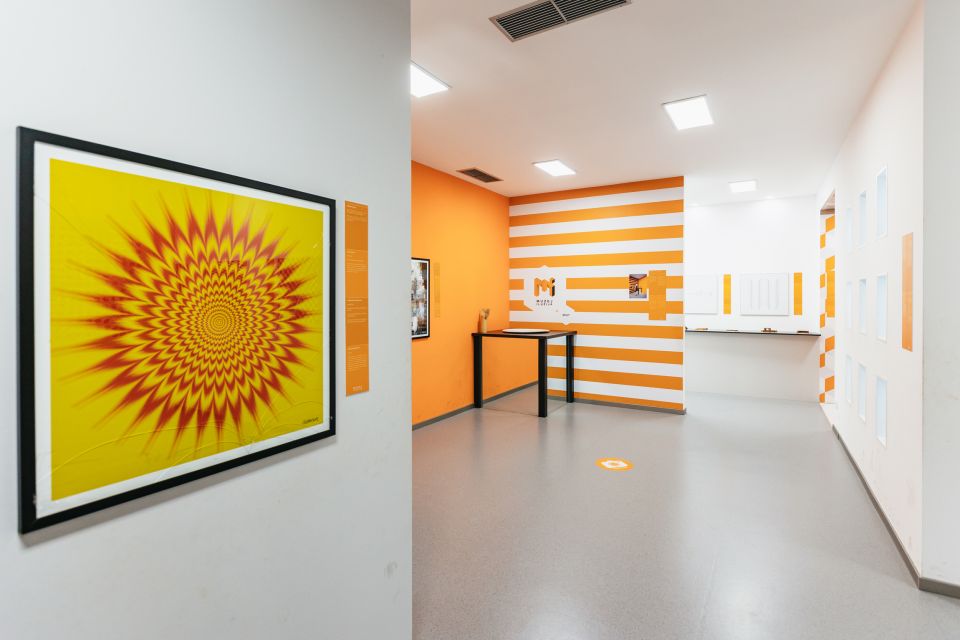
Another memorable element involves seeing people appear to grow or shrink right before your eyes. This is the style of illusion that works because scale is deeply tied to how we judge reality. When scale changes instantly, your brain scrambles to re-map the scene.
I recommend taking a couple minutes here and trying different positions. If you stand one way, you’ll get one “version” of the effect; shift slightly, and the illusion may feel different. That’s how these displays teach you without making it feel like homework.
One practical note: if you want photos, time your shots. Scale-based exhibits can look great in still images, but you’ll get more satisfying results if you pause and frame instead of snapping while you’re still moving.
The Mirror Maze and Other Big-Mood Optical Setups
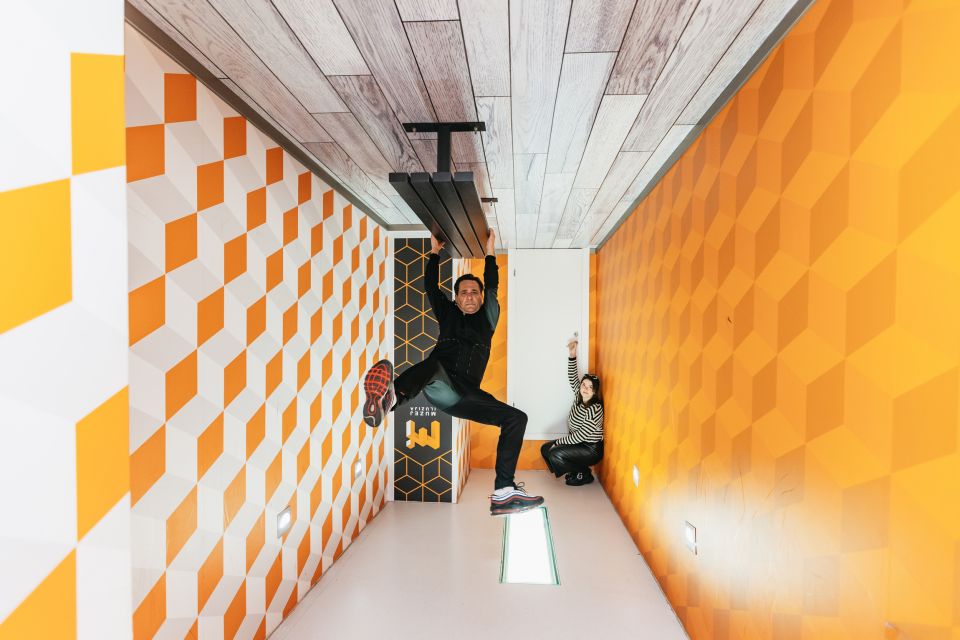
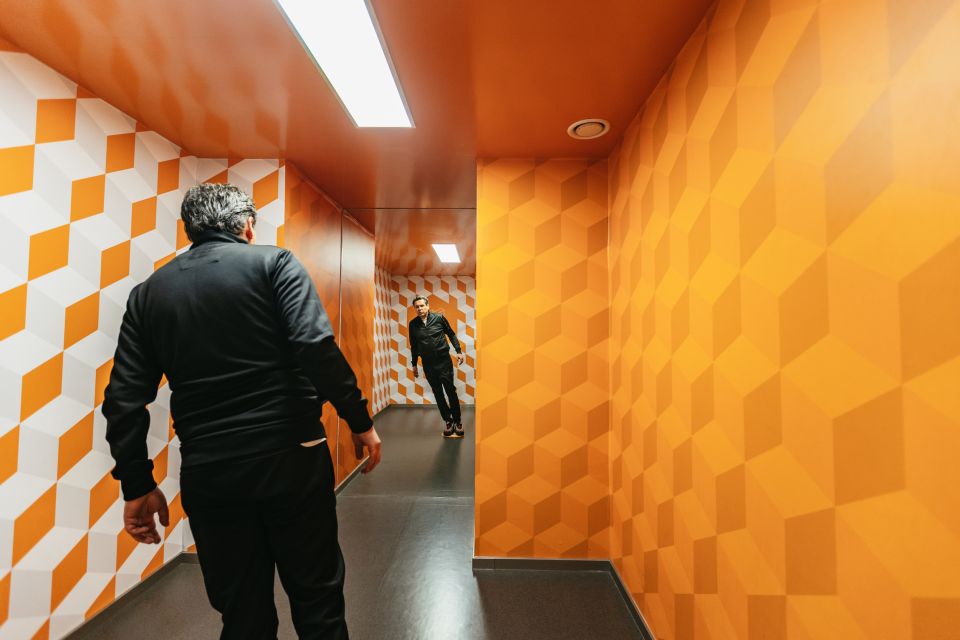
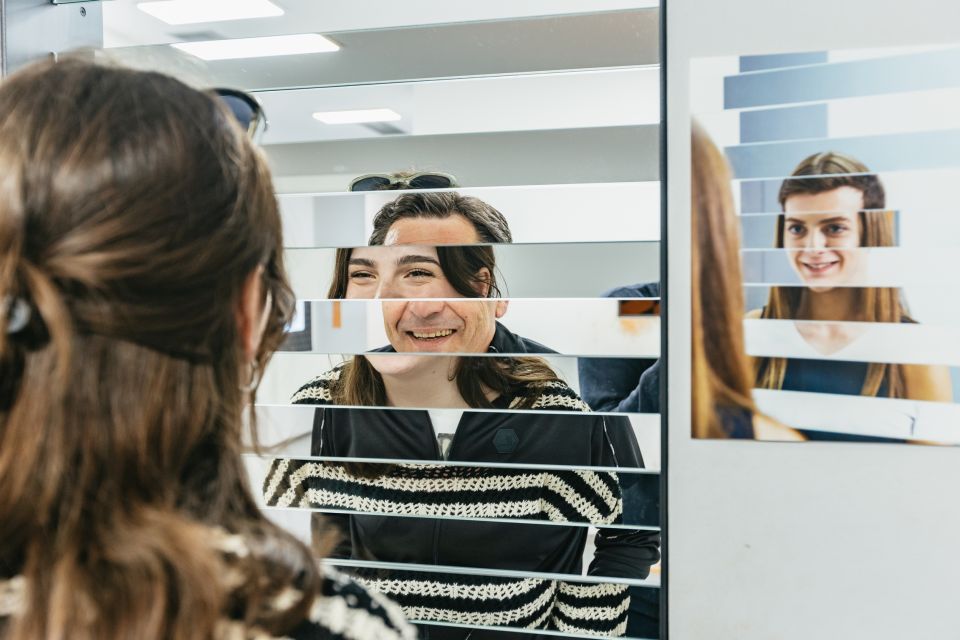
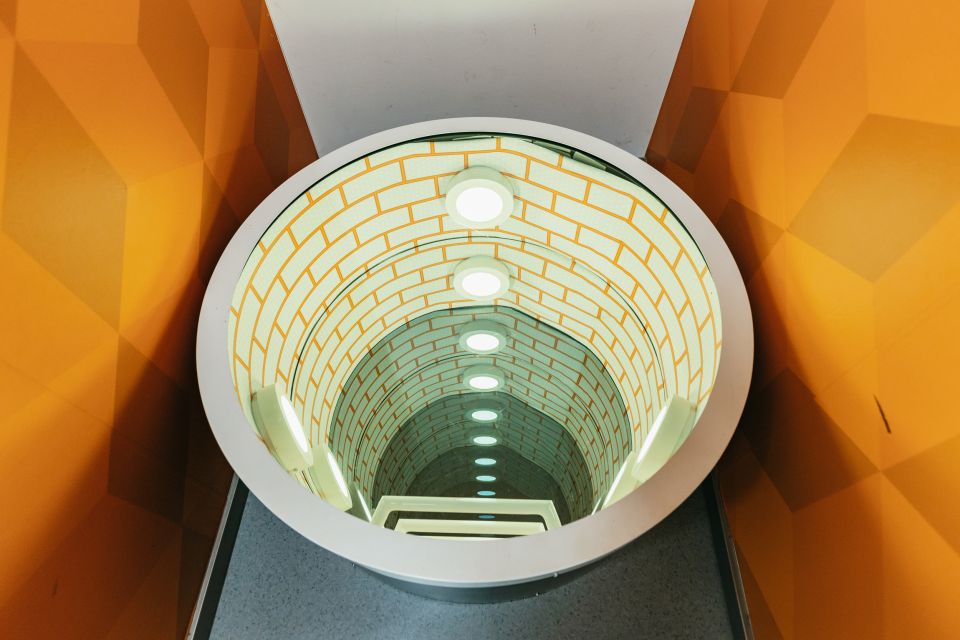
The museum also includes classic-style misdirection: a maze of mirrors and other visual setups designed to pull you off your normal expectations. Mirrors are powerful because they multiply space and create false depth cues.
In a mirror maze, you’ll likely end up doing two things: moving forward to see what’s next, then turning back to check what you missed. That back-and-forth is where the illusion becomes interactive—you aren’t just observing; you’re navigating the distortion.
Other themed installations described at the museum include high-focus comedic-bizarre moments, such as serving somebody’s head on a tray and a room where you can climb up onto the ceiling. These are the kinds of scenes that feel silly on arrival and then oddly effective at making you look closely.
Don’t worry if some setups take a second to “click.” Part of the charm is that the experience rewards curiosity. If you don’t get it immediately, give it one more attempt by changing your viewing angle.
Photo Time: The Big-and-Small Set
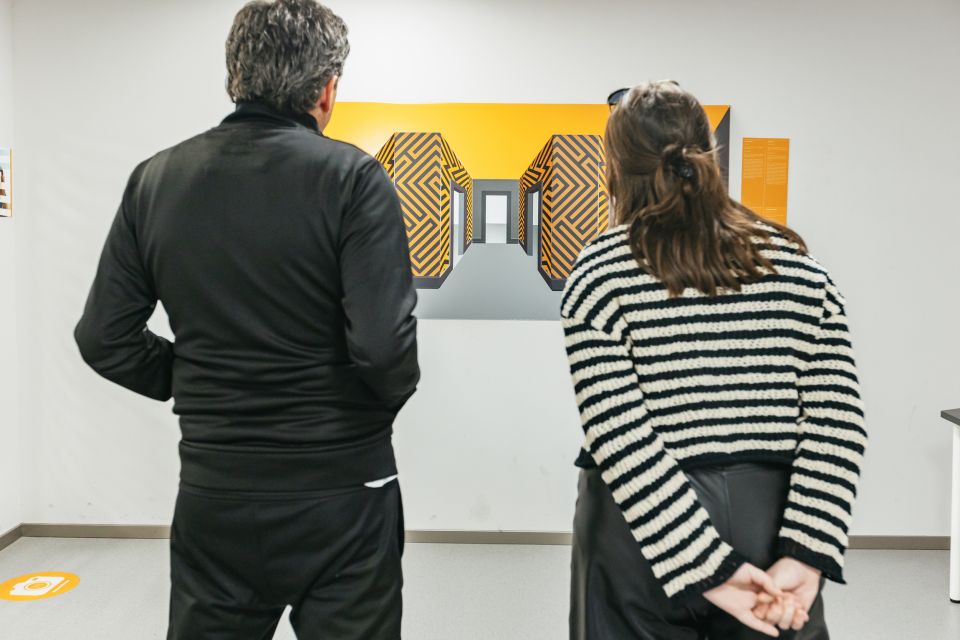
If you love a fun photo at the end of your day, keep your camera ready for the photo moment where people look big and small. This is one of those exhibits that’s instantly understandable in a picture, even if you couldn’t explain it in words.
I’ve found that these scale rooms are the best way to turn an optical illusion stop into a souvenir. You can compare photos later and realize just how wrong your brain was while you were standing there.
Also, plan a bit of patience. Even in a ticketed museum, these installations are popular because they’re quick to understand and great for photos. You’ll have the best experience if you treat it like a short wait for a better angle rather than something to rush through.
Playrooms With Games and Puzzles (A Real Win for Families)
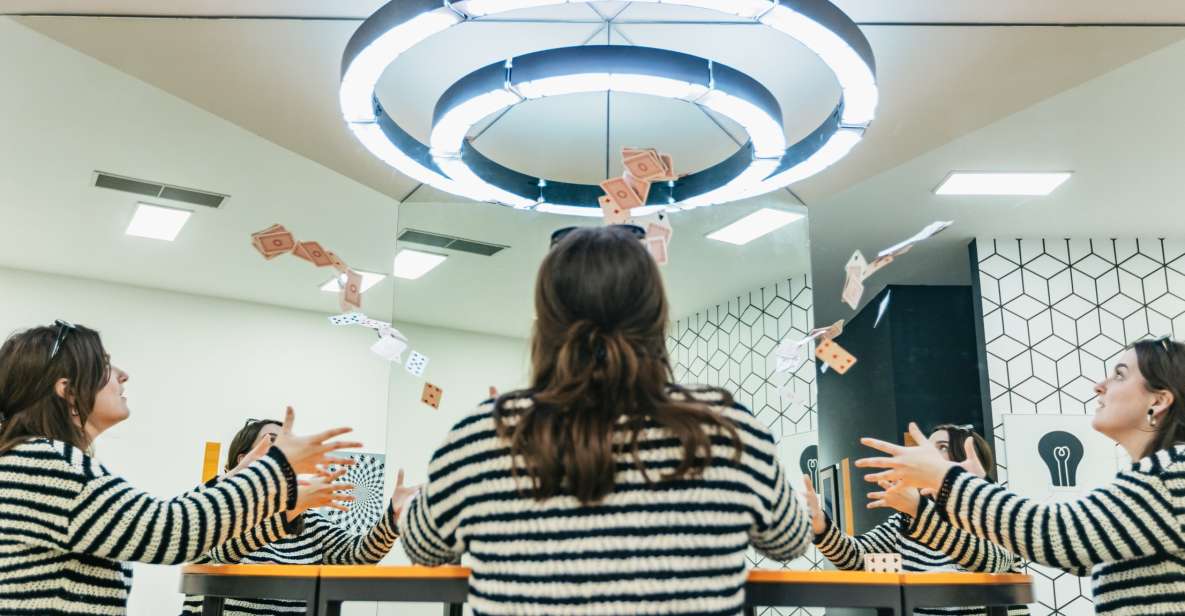
Not every illusion museum also has playrooms, and that’s a big plus here. The museum includes play areas with intriguing games and educational puzzles designed to keep younger visitors engaged, while still being fun for adults who like hands-on tasks.
This matters because the “pace” changes. After you’ve spent time on optical setups that trick your eyes, the playroom gives you a different kind of challenge—more mental and more puzzle-like. It’s a good reset, especially if you’re visiting with a mix of ages.
You also get a more balanced experience: some exhibits focus on what you see, while others guide you to think about how perception works. When kids are enjoying themselves here, adults usually relax too, because the energy in the room feels lighter.
Captions, Language Support, and How to Avoid Getting Lost
The museum supports English and Croatian through a host or greeter. You’ll also find captions in English, German, Italian, and Croatian, which helps you connect the installations to the science behind them.
If you’re relying on captions for meaning, do a quick check at each installation so you’re not missing the point. A lot of the “lesson” is in the short explanations tied to the exhibit. If your language isn’t offered, you can still enjoy the experience, but you might have to accept the museum as more visual than verbal.
A small tip: if you’re traveling with someone who wants clear explanations, consider matching your expectations before you enter. The museum is designed to be fun first, then educational through signage.
Practical Travel Notes: Timing, Rules, and Comfort
The museum experience is built as a 1-day ticket, so you can fit it into a day without overcommitting. It’s ideal as a rainy-day plan in Split, or as a break between beach time and the city’s older sights.
Bring a camera if you care about photos. That’s explicitly recommended, and many of the exhibits are made for it. The museum is also wheelchair accessible, and service animals are permitted, so it’s set up to be accessible for a wider range of visitors.
Two rules to plan around:
- Unaccompanied minors are not allowed, so if you’re bringing kids, make sure an adult is with them.
- The experience is supported by staff in English and Croatian, which you’ll feel when you need help.
Cancellation is possible up to 24 hours in advance for a full refund, which is useful if weather or plans shift. Since you also have a reserve-and-pay-later option, you can keep flexibility while you sort out the rest of your Split day.
Who This Museum Works Best For
This is a smart choice if you want something interactive in Split that doesn’t require a long attention span. It’s also ideal if you like science but hate lecturing. The museum’s angle is clear: you learn by watching your perceptions get challenged.
You’ll likely enjoy it most if you’re traveling with:
- Families who need both entertainment and activity
- Couples who enjoy playful, shared experiences and photos
- Solo travelers who like experimenting with what they see and how they see it
If you’re a very serious museum visitor who wants quiet galleries and detailed art context, you might find the tone more playful than traditional. Still, the core value is hard to argue with: you get fun and a real explanation of perception, tied to what your eyes are doing.
Should You Book the Split Museum of Illusions Ticket
Book it if you want an easy, high-reward activity in Split that works on almost any day of the week. The hands-on optical illusions, the playroom puzzles, and the clear focus on vision and perception make it a good use of ticket money.
Skip it only if you strongly prefer quiet museums, long guided storytelling, or deep art history. This place is about tests—small experiments you do with your body and eyes.
If you’re on the fence, here’s my tie-breaker: if you’re traveling with someone who loves taking funny, surprising photos, or you want something that feels different from typical Croatian sightseeing, this ticket is a safe bet.
FAQ
How do I get into the Museum of Illusions in Split?
You’ll show your voucher at the museum’s main entrance.
How long is the ticket valid?
The entrance ticket is valid for 1 day. Check availability to see starting times.
What is included with the ticket?
It includes the entrance ticket only.
What languages are available?
The host or greeter is available in English and Croatian. Captions are available in English, German, Italian, and Croatian.
Can I cancel my booking?
Yes. You can cancel up to 24 hours in advance for a full refund.
Is wheelchair access available?
Yes, the museum is wheelchair accessible.
Can I bring a camera?
Yes. You’re advised to bring a camera.
Are unaccompanied minors allowed?
No. Unaccompanied minors are not allowed. Service animals are permitted.