REVIEW · TROGIR
Discover Trogir: Guided Walking Tour of a Medieval Gem
Book on GetYourGuide →Operated by Discovery tours · Bookable on GetYourGuide
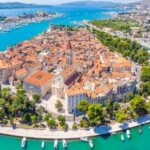
Trogir’s lanes feel like a time machine. In a 90-minute walk, you get the big UNESCO hit at St. Lawrence Cathedral, plus an easy stroll through the old town that’s made for wandering.
What I like most is the way the tour ties architecture to the city’s layers of Roman and medieval life, and then rewards you with open views from the Kamerlengo fortress area.
The main thing I love is the balance: you see the headline sights, then you also get the small context that makes them make sense. The other big win is the pacing. You’re not rushed from one postcard to the next.
The only drawback to keep in mind is timing. Ninety minutes is enough for a great overview, but if you want to linger for photos or read every stone label, you may wish you had more time after the tour.
In This Review
- Key reasons I think this tour works
- Why this Trogir walking tour is a smart use of time
- St. Lawrence Cathedral: UNESCO details you’ll notice fast
- Old Town lanes and the Town Gate: how cities were built to funnel you
- Kamerlengo fortress area: quick high views over the Adriatic
- Waterfront Promenade: end with sea air and softer pacing
- The guide is the difference: what you should expect in English
- Price and value: why $17 can feel fair in Trogir
- Walking comfort and who this tour fits best
- How to get the most out of the 90 minutes
- Should you book this Trogir guided walking tour?
- FAQ
- How long is the Trogir guided walking tour?
- How much does the tour cost?
- What are the main sights included?
- Is the tour guided?
- What language is the tour offered in?
- Is the tour wheelchair accessible?
- Is there free cancellation?
- Can I reserve without paying right away?
- What type of experience is it?
- When should I check starting times?
Key reasons I think this tour works
- St. Lawrence Cathedral: see why UNESCO status isn’t just a stamp
- Old Town lanes + Town Gate: walk the same kind of routes people used for centuries
- Kamerlengo fortress views: quick panoramic payoff without a long hike
- Waterfront Promenade: end with sea air and a slower pace
- Local, English-language guide: explanations that stay human, not lecture-y
Why this Trogir walking tour is a smart use of time
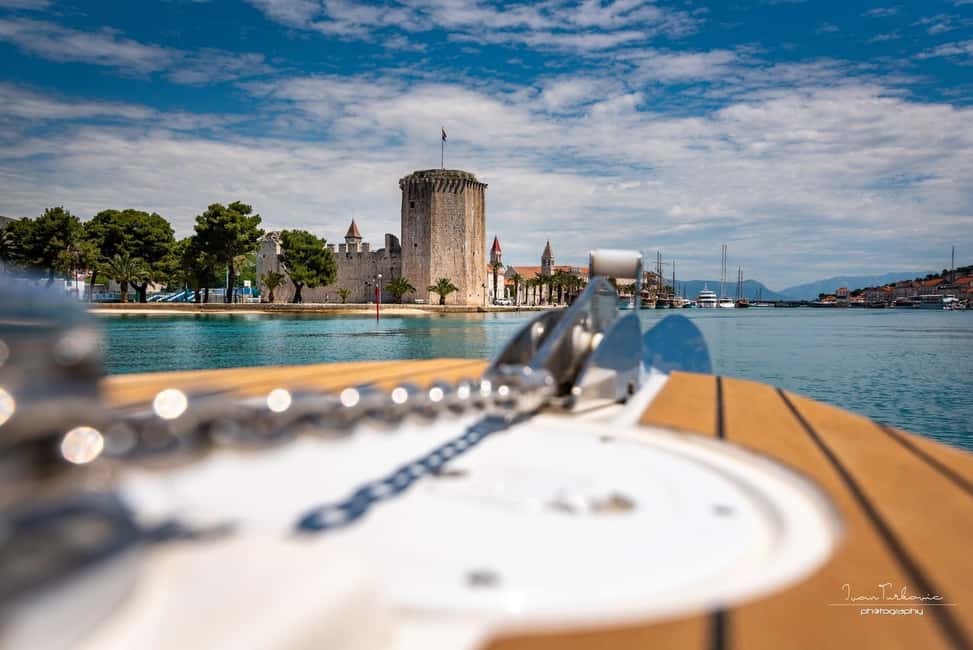
Trogir is small, but it’s not empty. The streets twist, the sights cluster, and it’s easy to end up doing the wrong kind of wandering. This guided format keeps you oriented so you spend your energy on places you’ll actually care about, not just corners that look nice.
At 90 minutes, you get a high return per minute: cathedral architecture, medieval street layout, a defensive landmark, and the waterfront. That mix matters. You’re not just collecting photos. You’re learning how the city functioned—how people moved, where they defended themselves, and where the sea sat in daily life.
And the guide component is not minor. I’ve found that in historic towns, the difference between a good and great walk is whether someone helps you read what you’re seeing. Here, the explanations are in English, and the guides you may get (like Daniela or Anna, based on past groups) tend to slow down for questions and keep a friendly rhythm.
You can also read our reviews of more walking tours in Trogir

St. Lawrence Cathedral: UNESCO details you’ll notice fast
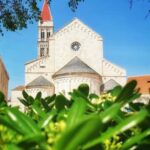
St. Lawrence Cathedral is the kind of place where, at first glance, you think, Great, a beautiful church. Then your guide points out what to look at—how the forms fit together, how different influences show up, and why the building matters in the bigger story of this coast.
What makes it special on this tour is that you’re not just looking at the outside and moving on. You learn what the UNESCO-listed architecture represents and how it reflects the eras that shaped Trogir. The cathedral is described as a masterpiece of Gothic and Renaissance work. Standing there, you’ll feel the city’s shift from older roots into later styles, without needing a textbook.
Practical tip: plan to take your time even if the group is moving. Cathedral spaces (inside or at entrances/approach points) often reward slow looking. If you rush, you miss the little contrasts the guide is likely highlighting.
Old Town lanes and the Town Gate: how cities were built to funnel you
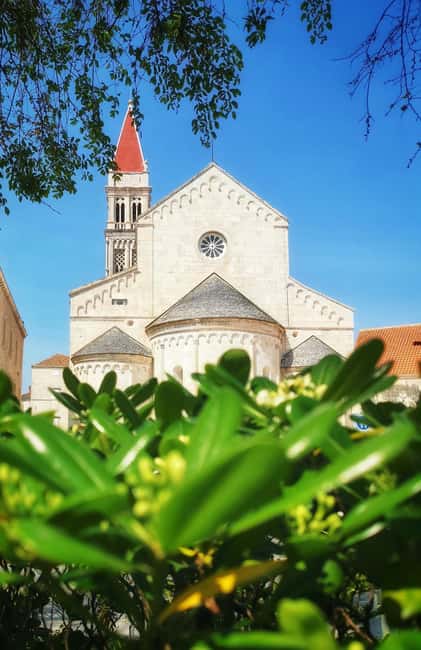
Once the cathedral sets the tone, the rest of the walk becomes about movement—how the city channels people through narrow routes. The Old Town in Trogir is exactly that: tight streets, stone surfaces, and views that pop up like they’re waiting for you.
Passing through the Town Gate is a key moment because it makes the whole place feel more real. Gates aren’t decoration; they’re control points. Even if you’ve seen medieval gates before, this one helps you understand the logic of the old settlement. You start seeing the town less like a theme park and more like a defensive layout built for survival and trade.
As you move through the lanes, the guide adds context about everyday life in earlier times. In groups like the ones led by Daniela (noted for sharing not just facts but also daily-life stories), you may hear little human details that make the architecture feel less distant. That’s the difference between hearing about history and actually understanding how a city lived.
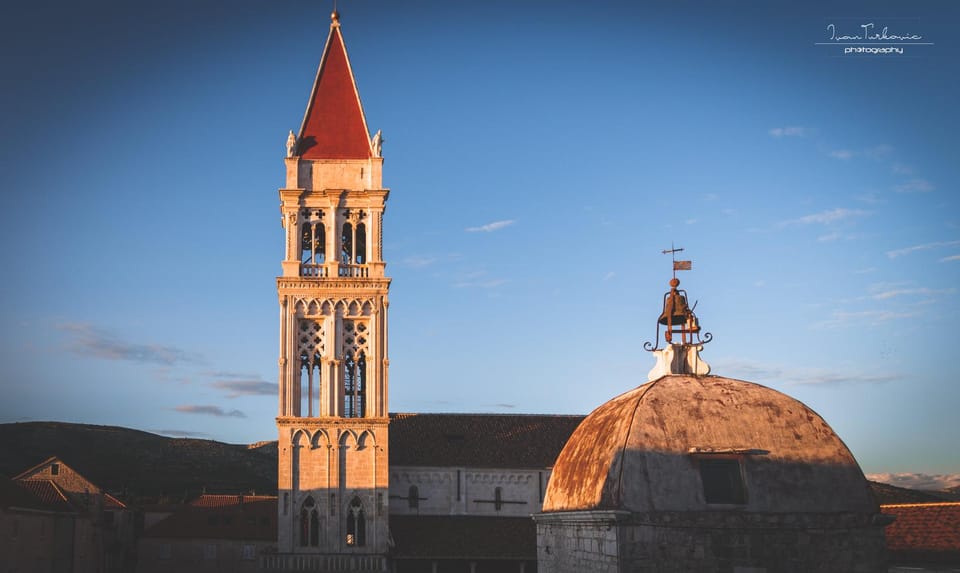
What to watch for: the street corners. In a place like Trogir, a single turn can change the whole view—toward a bell tower, across a courtyard, or back toward the sea. Keep your eyes up and don’t be afraid to pause for a minute.
Kamerlengo fortress area: quick high views over the Adriatic
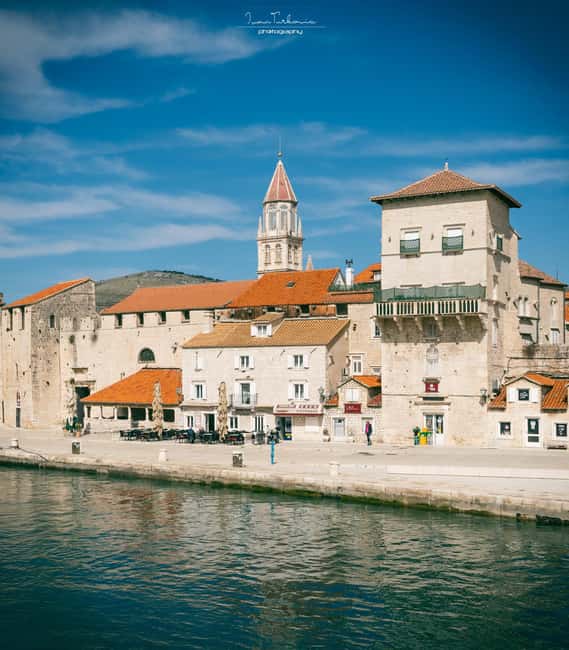
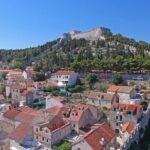
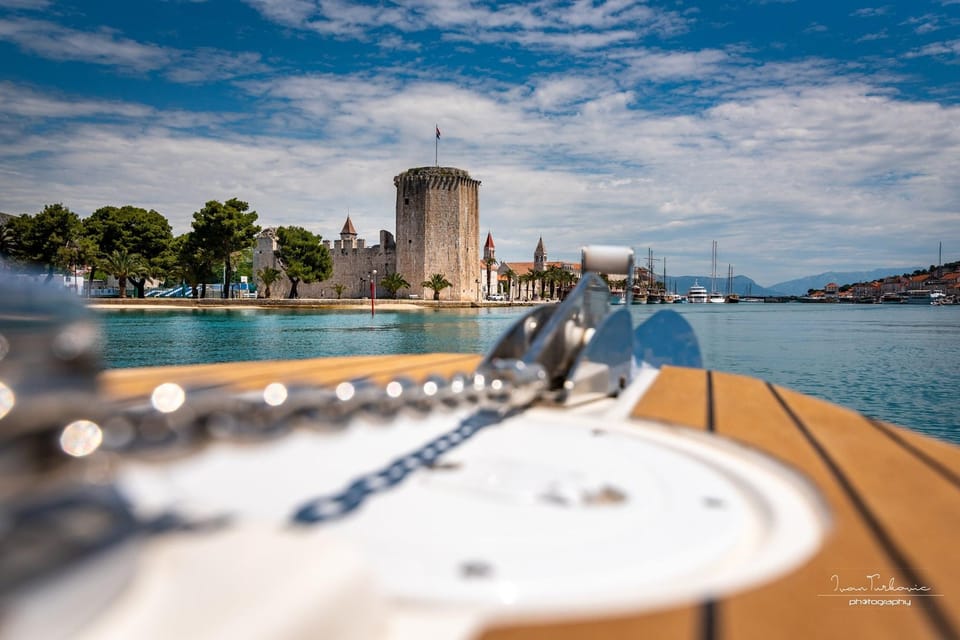
You don’t need a long hike to get the payoff here. The tour includes time around the fortress of Kamerlengo, where the city opens up and the Adriatic Sea shows itself beyond the stone maze.
This is one of my favorite parts of medieval-town walks because it does two things at once:
1) It explains why fortifications existed in the first place.
2) It gives you an actual view connection, not just an architectural lecture.
Even if you’re not into fortresses, these elevated overlooks help you understand geography. Trogir wasn’t built in a vacuum. It’s a coastal city. The sea influences trade, travel, defense, and the rhythm of life. Standing above it makes all those ideas click.
Practical tip: bring a little patience for wind. Coastal viewpoints can be breezy, and you’ll likely want a steady moment for photos without your hair turning into a sail.
Waterfront Promenade: end with sea air and softer pacing
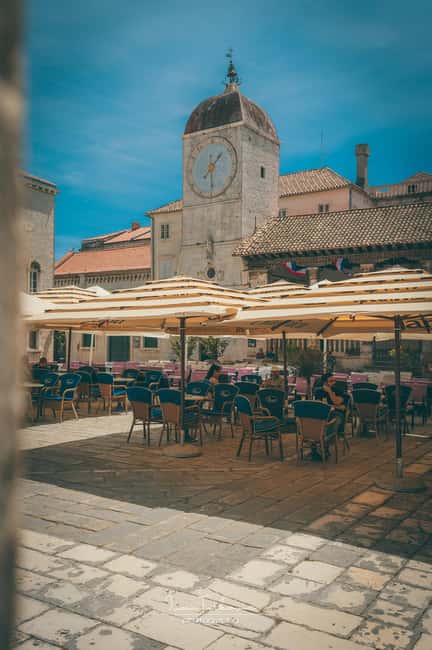
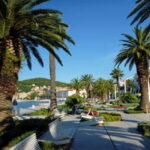
After the tight lanes and fortress angle, the waterfront promenade feels like the reward. It’s a change of tempo. Your eyes get room to breathe, and you can settle into the slower part of the town.
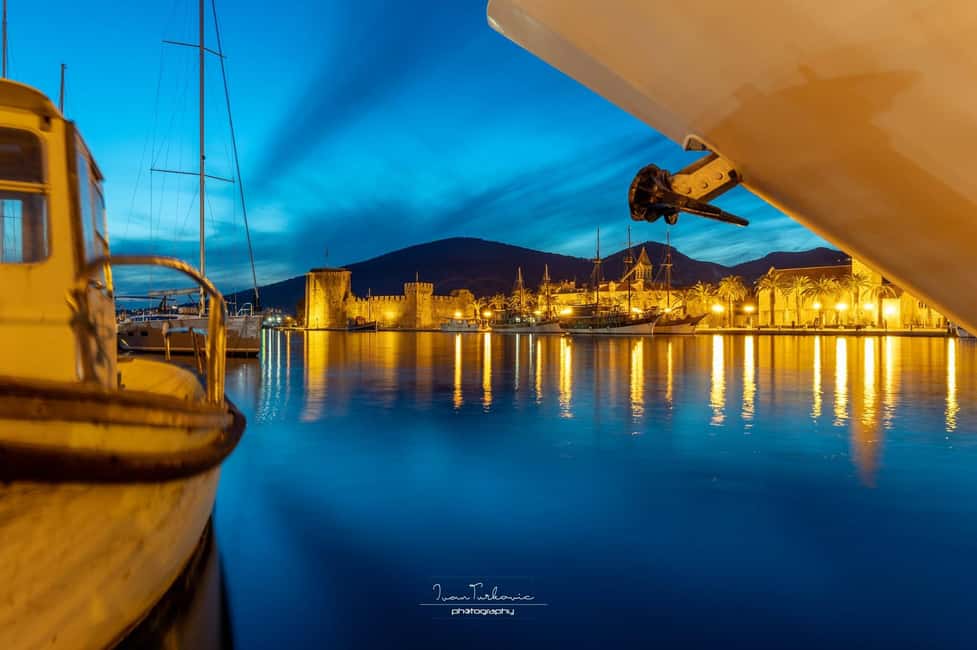
This stop is valuable because it connects Trogir’s past to the way people enjoy it now. The same coast that shaped older travel and defense also shapes today’s strolling, dining, and evening views. You’ll probably notice how the promenade frames the harbor and how the skyline feels different from street level.
If you’re the type who likes to keep the mood going after a tour, this is where you can decide what to do next. You’ll be able to orient yourself for the rest of your time in town: where you came from, where the cathedral sits, and how to loop back for sunset photos.
You can also read our reviews of more guided tours in Trogir



The guide is the difference: what you should expect in English
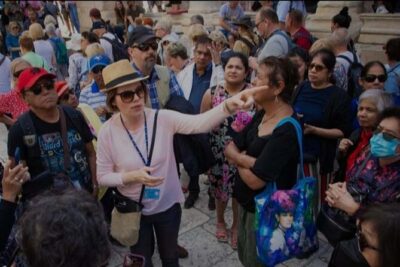
A guided tour lives or dies on the guide. Here, the local guide and live English delivery are front and center, and the past groups’ feedback points to two standout qualities: clear explanation and a considerate pace.
In one group, the guide left time for questions and made sure everyone was okay—checking that people had water and understanding. In another, the guide shared both historical facts and small stories about daily life back then and now. That blend is exactly what I’d want in a short tour like this.
Also, names like Anna and Daniela show up in completed groups, which is a good sign that different guides are bringing their own local touch while keeping the core tour structure intact.
What you can do to get more out of it:
- Ask one question early, while the group is still fresh and the guide is in context-mode.
- If you care about architecture, say so. Guides often adjust the angle of their explanations.
- If you’re more into everyday life, ask for the human side. That’s where the tour tends to shine.
Price and value: why $17 can feel fair in Trogir
At $17 per person for 90 minutes, this isn’t a high-cost splurge. It’s also not a bare-bones “walk and point” situation, based on what the tour sets out to cover: UNESCO cathedral, old town streets, Town Gate, waterfront, plus fortress views.
Here’s the value math that matters: in a small historic center, you can spend hours trying to figure things out on your own—where to stand, what to notice, what’s actually important. A guided format compresses that. Instead of guessing, you get direction and interpretation. In a place like Trogir, that can turn an average visit into a memorable one.
If you’re traveling with limited time in the area, the pricing makes the most sense. You’re buying a focused orientation plus the “why,” not just “where.”
If you have plenty of time and love self-guided reading, you might skip a tour. But most people don’t spend their vacation reading. They spend it looking up and walking around. This helps you do both better.
Walking comfort and who this tour fits best
This is a walking tour. The streets are historic and likely uneven in spots, which is pretty common in coastal old towns. The good news is the tour is listed as wheelchair accessible, so you should feel comfortable that routes are planned with access in mind.
Still, the practical question is your own stamina. Ninety minutes is long enough to feel like a real walk, short enough that you won’t be totally exhausted. It’s ideal if you want a structured overview and then free time afterward.
Who this suits:
- First-timers in Trogir who want the main sights in the right order
- People who like architecture but also want story context
- Travelers who want a friendly, English-speaking guide and clear pacing
- Anyone who values viewpoint moments (fortress + waterfront) without committing to a half-day excursion
Who might want to consider something else:
- If you hate walking or get sore quickly, you may prefer a shorter option (this tour is explicitly 90 minutes)
- If you want long interior time in one specific site, you may need extra solo time after the tour
How to get the most out of the 90 minutes
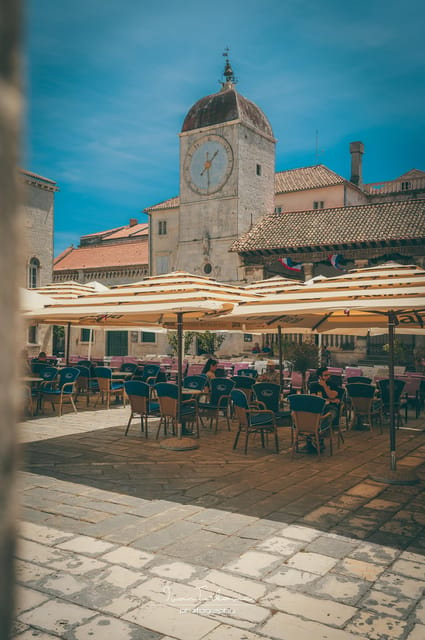
You’ll have a better experience if you treat this as your orientation pass through town. I’d do it earlier in your Trogir visit if you can, so you can later explore on your own with confidence.
Bring the basics:
- Comfortable shoes for stone streets
- A water bottle if you tend to run warm
- A charged phone/camera for quick fortress and waterfront shots
And give yourself permission to pause. In towns like this, the best photos happen when you stop following the person in front of you for a minute and look back the way you came. The tour structure gives you the permission to slow down without losing your place.
Should you book this Trogir guided walking tour?
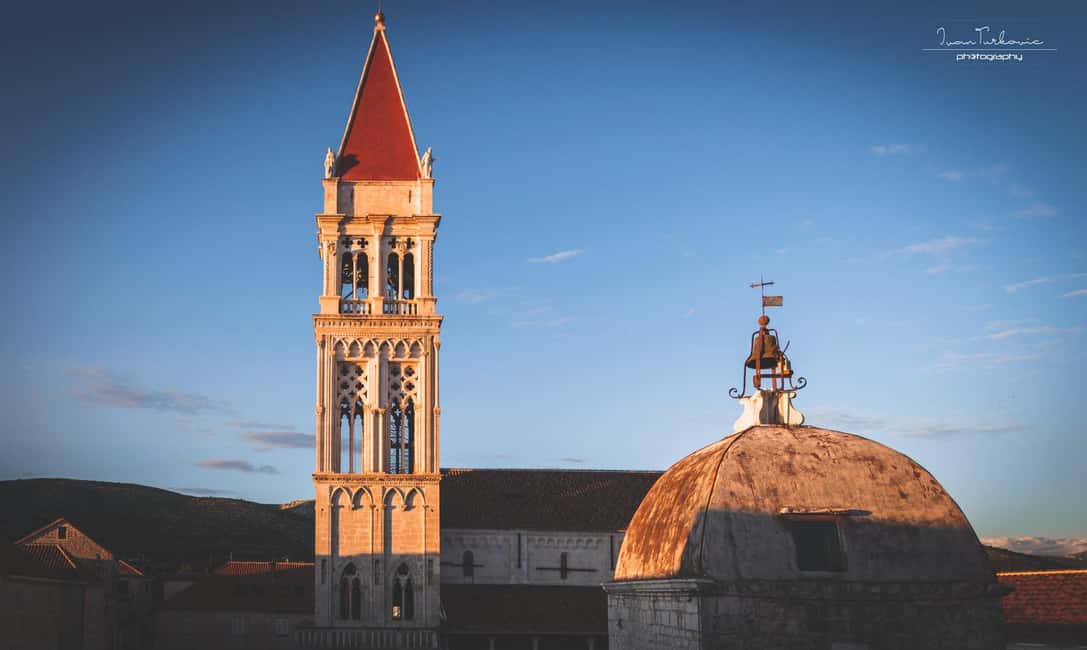
If you’re in Trogir with limited time, I think this is a smart booking. You get the UNESCO St. Lawrence Cathedral, the Old Town street feel, the Town Gate moment, and a viewpoint payoff from Kamerlengo, then you finish with the waterfront promenade. For $17 and 90 minutes, that’s a lot of meaningful sightseeing for your time.
Book it if you want:
- A clear, English-led overview
- Guided context that makes architecture and layout easier to understand
- A friendly pacing that leaves room to ask questions
Skip it only if you’re the kind of person who needs lots of solo time inside churches or wants a longer, slower tour. Otherwise, this is one of the easiest ways to experience Trogir’s center with your eyes open.
FAQ
How long is the Trogir guided walking tour?
The tour lasts 90 minutes.
How much does the tour cost?
It costs $17 per person.
What are the main sights included?
You’ll visit St. Lawrence Cathedral, the Old Town, the Town Gate, and the waterfront promenade, with a focus that also includes the Kamerlengo fortress area for views.
Is the tour guided?
Yes. It includes a local guide and a live tour guide.
What language is the tour offered in?
The tour is available in English.
Is the tour wheelchair accessible?
Yes, the experience is listed as wheelchair accessible.
Is there free cancellation?
Yes. You can cancel up to 24 hours in advance for a full refund.
Can I reserve without paying right away?
Yes. It offers a reserve now & pay later option, so you can book and pay nothing today.
What type of experience is it?
It’s a guided walking tour focused on medieval Trogir, including history and culture tied to the main landmarks.
When should I check starting times?
Check availability to see starting times that match your schedule.