REVIEW · SPLIT
Experience Split With Local Professional Historian – Small Group
Book on Viator →Operated by Pomalo tours · Bookable on Viator
Split’s Roman core is easier when explained by locals.
This small-group walk through the old heart of Split turns confusing walls and arches into a clear story, with 3D reconstruction images (plus photos in a display book) that help you picture what you’re standing in front of. I like that you’re not just sightseeing; you’re getting the how-and-why of daily life that made Diocletian’s world function—and what changed as centuries rolled in.
The second thing I really like is the human size of the group: max 12, so you can actually ask questions without shouting over everyone. Boris, the licensed guide and history teacher with a master’s degree, keeps the tone friendly and lesson-like, and he can even help with photos on the spot. One possible drawback: it’s built for an intro route in about two hours (often closer to 2.5), so you’ll mainly view key palace areas from strategic points—if you want a long interior visit, plan extra time after.
In This Review
- Quick hits you’ll feel right away
- The point of this Split tour: get your bearings fast
- Golden Gate: the start point that explains more than one landmark
- Gregory of Nin’s statue: history with a personality
- Diocletian’s Palace route: the big Roman machine, explained in pieces
- Peristyle and the emperor’s world: where power met daily life
- Jupiter’s Temple and St. Domnius: outside views that set up the inside later
- Vestibulum, then Riva: from private chambers to the city promenade
- Fruit Square (Trg Brace Radic) and Pjaca: the city’s social center
- The guide’s teaching style: why it feels personal (even in a history lesson)
- Price and value: what you’re really paying for
- Who should book this Split history walk?
- Should you book this Split tour?
- FAQ
- What’s the duration of the Split walking tour?
- How much does it cost per person?
- How big is the group?
- What language is the tour offered in?
- Is a mobile ticket provided?
- Are admission tickets included?
- Where does the tour start and end?
- What if the weather is poor?
- Can I cancel and get a refund?
Quick hits you’ll feel right away
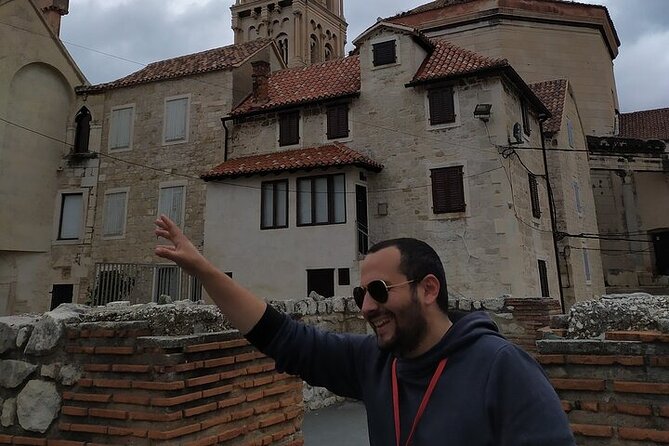
- Max group size of 12 means you can hear everything and get answers
- Boris (licensed historian) connects Roman Split to medieval and modern life
- 3D reconstructions + picture book help the palace plan click fast
- Photo help at key stops so you’re not guessing angles
- Route ends at People’s Square (Pjaca) so you can keep exploring right away
The point of this Split tour: get your bearings fast
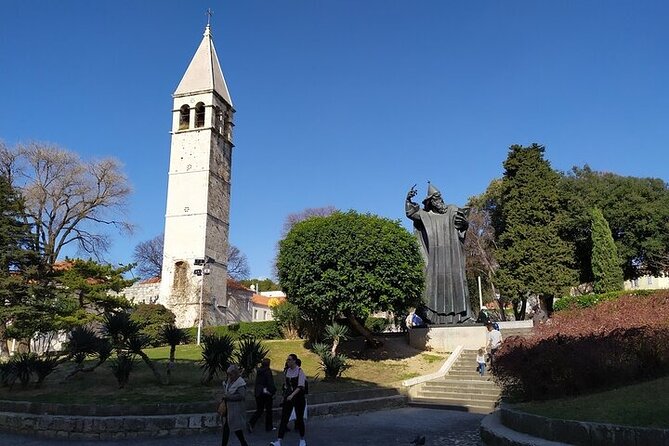
Split can feel like a puzzle at first. You walk through stone corridors that look like they’ve been here forever, but you’re not always sure what’s Roman, what’s medieval, and what locals use today. This tour is designed to fix that in a short window by guiding you along a tight route centered on Diocletian’s Palace—then stepping out into the city’s everyday spaces.
The price—$38.62 per person for about two hours—doesn’t just buy “a walk.” You’re paying for an experienced local historian (licensed, with a master’s in history) who can explain what you’re seeing and how the city evolved. That matters here, because the palace isn’t one single monument. It’s a whole built system: gates, temples, living quarters, dining, storage, and the later Christian layers.
If you’re newer to Split, this tour is a shortcut to understanding the city’s layout and priorities. If you’ve been here a few days, it can still sharpen what you noticed on your own—especially once someone points out the small details that turn into big meaning.
You can also read our reviews of more tours and experiences in Split.


Golden Gate: the start point that explains more than one landmark
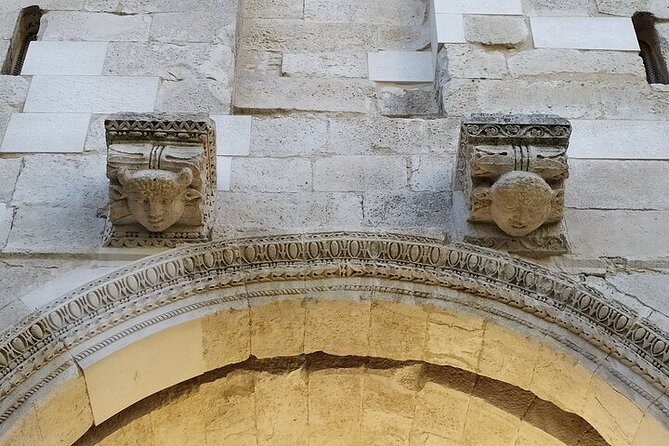
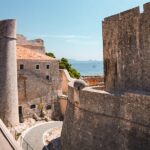
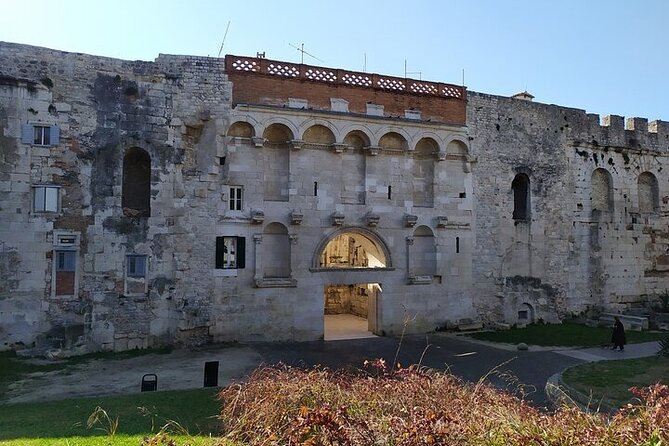
You meet at the Golden Gate area—the northern gate of Diocletian’s Palace. Even though it’s called Golden Gate, it’s stone, not gilded. That little joke is useful, because it signals the tour’s style: practical, grounded explanations rather than myth-making.
From here, you’re set up with context. The guide explains why this gate matters in Split’s story and how Diocletian’s Palace shaped the city that grew around it. The location is also perfect for photos: you’re at a high-recognition spot and you can see how the palace walls relate to the surrounding landmarks.
Why it’s a smart first stop: you’re learning the theme of the trip before you get pulled into the details. By the time you reach the rest of the palace area, your brain isn’t blank. It’s already sorting what matters.
Gregory of Nin’s statue: history with a personality
Next comes Grgur Ninski (Gregory of Nin). This isn’t just a pause for a quick picture. The guide shares stories and facts about the historical Gregory of Nin and the monument dedicated to him. You also hear about the sculptor of the statue, which gives the stop a “how it was made” layer—not only “what it symbolizes.”
This is one of those places where the guide’s teacher energy shows. It’s short, focused, and designed to keep you engaged while still moving the tour along.
Watch for the tradeoff: if you’re the type who could stand and read every plaque forever, the time is intentionally limited. The tour keeps you moving so you cover the palace foundations and the old city center without turning into an all-day event.
Diocletian’s Palace route: the big Roman machine, explained in pieces
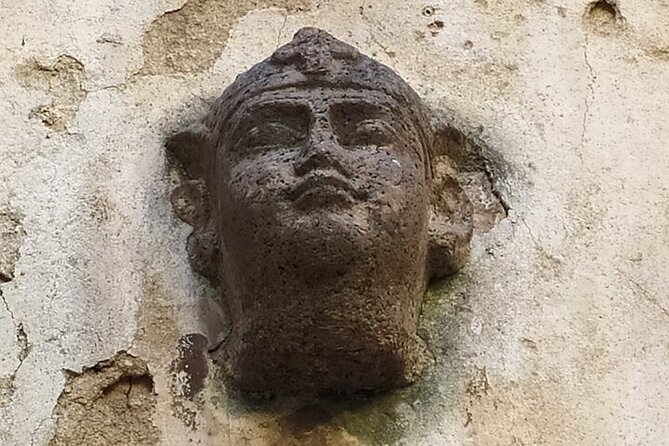
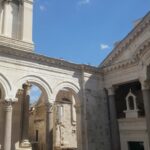
Then you enter the heart of Diocletian’s story. The palace is the main monument in central Split, built by the Roman emperor Diocletian, and it’s one of the best-preserved examples of its kind. The guide breaks it into understandable chunks and includes hidden gems along the way.
You explore key palace spaces such as:
- Peristyle, the central open space of the palace
- Jupiter’s Temple (viewed from outside)
- Diocletian’s Cellars (central substructure)
- Triclinium, the dining area concept
- Mausoleum, now the Cathedral of St. Domnius (viewed outside)
The explanation doesn’t stay stuck in Roman times. You also hear how the palace changed when it became a medieval city with its own routines and quirks. That “transition” angle is what keeps the palace from feeling like a museum piece. You understand how a Roman structure could keep serving people long after Rome changed its rules.
Small-group advantage here: the guide can pace the tour around your questions. Multiple stops are designed so you can ask something right when it becomes relevant—rather than waiting until the end.
Peristyle and the emperor’s world: where power met daily life
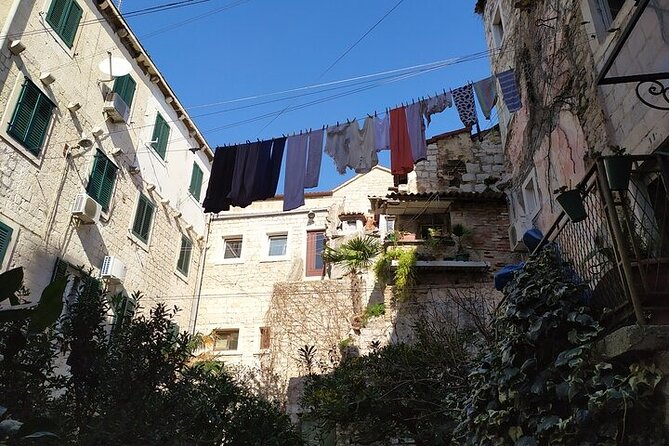
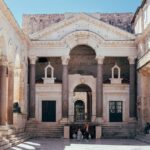
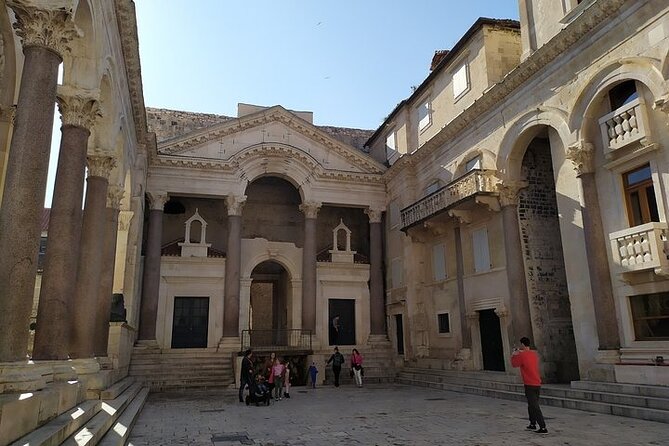
At the Peristyle of Diocletian’s Palace, you get the core explanation of how this space worked. The guide explains the function of the Peristyle as a central point that connects different areas of the palace while also separating people from the emperor. In other words, the architecture isn’t neutral. It’s part of the power structure.
From this central point, you also get a look around that makes everything else easier to map in your head. The tour then connects that layout to the larger shift as Christianity expanded—because the palace didn’t freeze in Roman form.
From Peristyle, you move into the central part of the cellars. This is a key part of understanding daily life: the substructure wasn’t just decoration. The guide explains how these spaces were used across history and why they became important to Split over time.
Then comes Triclinium, where eating habits and the organization of the emperor’s dining room are explained. You don’t need a degree in Roman dining culture to appreciate this stop. It’s a human detail. It also helps you understand how elite life differed from ordinary life.
One consideration: this is still a short tour. Expect explanations and viewpoints, not a long “read every corner” marathon. If you’re a slow walker, you may feel the pace slightly brisk—though the small group helps.


Jupiter’s Temple and St. Domnius: outside views that set up the inside later
The tour includes two religious landmarks, both mainly from outside.
First is the Temple of Jupiter. The guide explains the importance of religion in the Roman Empire and what this particular temple represented—helpful context because Roman temples can be tricky to interpret if you’re only seeing ruins.
Then you face the Cathedral of Saint Domnius (outside visit). The guide points out significant parts and offers story context, then warns you about interesting things you may want to look for if you visit the interior after the tour. That “heads up” approach is practical. You won’t walk in completely blind.
If you’re trying to choose what to do next in Split, these religious stops are a clean way to decide. You get enough information to know what matters, without spending your whole day in one building.
Vestibulum, then Riva: from private chambers to the city promenade
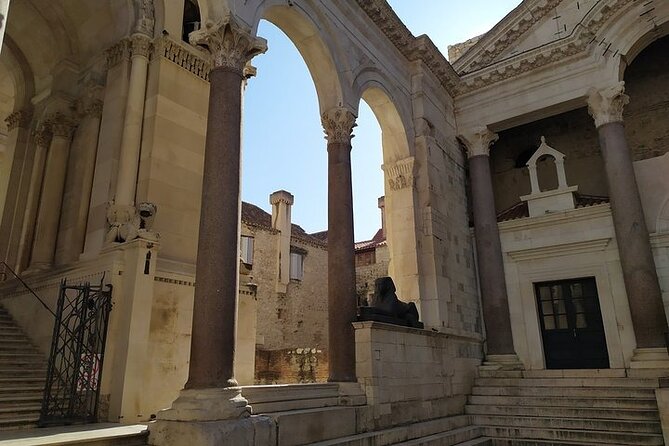
You continue with the Vestibulum of Diocletian’s Palace, the pre-entrance area to Diocletian’s private chambers. This stop is all about function and meaning—what it looked like and what it was for. It’s one of those moments where a detail you might ignore becomes fascinating once someone explains why it was designed that way.
Then you shift from palace spaces to the Riva Harbor promenade, the main city promenade. Here the tour changes gears: from emperor-focused architecture to how the city’s public spaces developed over the centuries. You hear why Riva matters to locals—this is where the city’s everyday rhythm takes over.
Why this matters: if your only plan is to see ruins, Split stays distant. The Riva stop brings you closer to what makes the city feel alive.
Fruit Square (Trg Brace Radic) and Pjaca: the city’s social center
You end the walk through two classic gathering spaces.
At Fruit’s Square (Trg Brace Radic), the guide explains why it’s called Fruit Square and what monument stands in the middle of it. Then you get the bigger surrounding-sights context—enough to help you notice what you’re passing without turning it into a scavenger hunt.
Finally, you reach People’s Square, known as Pjaca. This is presented as the center of city happenings from medieval times to today. You hear the story behind the square and the significance of surrounding buildings like the old City Hall area (as part of the overall scene).
The tour finishes here, but the guide doesn’t leave you hanging. You get suggestions for other places in Split that weren’t part of this two-hour experience. It’s a good way to turn the tour into a real plan for the rest of your day.
The guide’s teaching style: why it feels personal (even in a history lesson)
The most praised part of this tour is the way Boris teaches. He’s not just listing facts. He’s explaining the “logic” behind what you see and why it mattered.
A few practical things that make the experience work:
- He uses visual aids: a display book with pictures and 3D reconstruction images so you can follow the palace layout
- He helps with photos: he can point out angles during the walk so you don’t miss good shots
- He handles questions well: the pacing makes it easy to ask for clarification
- He adds personal and local context: living in Split long term means you hear how the city feels today, not only how it looked
I also like that the tour doesn’t treat kids like a distraction. The format fits both adults and families because it’s interactive enough to keep attention without turning into silly theater.
One more fun bonus you might catch: the guide may mention well-known TV filming references around the old city area. It’s not the main point, but it adds a modern layer to the visuals.
Price and value: what you’re really paying for
At $38.62 per person for around two hours, this isn’t a “cheap and cheerful” walk. You’re paying for:
- A licensed local historian with a master’s degree in history
- 3D reconstructions and picture aids, not just verbal storytelling
- A max group size of 12, which helps the guide stay focused and responsive
- A route that covers the palace’s key structures plus the city center
Admission is another part of the value equation. The tour doesn’t include admission tickets, but the stops on this route are mostly free to see from outside or in areas where entry isn’t part of the experience. Still, if you want to go inside museums or specific interiors after the tour, you’ll need to handle tickets on your own.
If you’re the type who enjoys reading plaques, you can do Split independently. But if you want the city to click in a short time—especially around Diocletian’s Palace—this is a solid use of your hours.
Who should book this Split history walk?
This is a great fit if you:
- Want an intro to Diocletian’s Palace that connects Roman, medieval, and modern Split
- Prefer a small group where you can ask questions and hear explanations clearly
- Like history explained with visuals and a teacher’s pacing
- Want a route that ends near the city’s main gathering square so you can keep exploring
It’s less ideal if you:
- Want long indoor time in major monuments during a single booking
- Prefer silent tours or self-guided museum-style visits
- Are trying to pack in everything without leaving space for a slow wander afterward
Should you book this Split tour?
Yes, if you want Split to make sense quickly. This is one of those experiences where the guide’s context turns “I saw that” into “I understand why that’s there.” With a small group size, strong visual aids, and a route that finishes at Pjaca, it also sets you up for the rest of the day.
If you’re the kind of traveler who loves details but hates wasting time guessing what you’re looking at, this booking is a practical win.
FAQ
What’s the duration of the Split walking tour?
It runs for about 2 hours.
How much does it cost per person?
The price is $38.62 per person.
How big is the group?
The experience has a maximum group size of 12 travelers.
What language is the tour offered in?
The tour is offered in English.
Is a mobile ticket provided?
Yes, you receive a mobile ticket.
Are admission tickets included?
No admission tickets are included in the price.
Where does the tour start and end?
It starts at Golden Gate (Dioklecijanova 7, 21000 Split) and ends at People’s Square (Pjaca) in Split.
What if the weather is poor?
The experience requires good weather. If it’s canceled due to poor weather, you’ll be offered a different date or a full refund.
Can I cancel and get a refund?
Free cancellation is available up to 24 hours in advance for a full refund. If you cancel less than 24 hours before the start time, the amount paid will not be refunded.