REVIEW · SPLIT
Split: Private Walking Tour and Diocletian’s Palace
Book on GetYourGuide →Operated by www.south-tours.com · Bookable on GetYourGuide
Roman walls make Split feel instantly real. In a private 90-minute walking tour, you’ll trace the story behind Split’s best-known landmarks while walking the UNESCO World Heritage old town, with special access to Diocletian’s Palace highlights (including the cellars ticket).
I especially like how the route keeps you moving through the city’s big “story spots” without feeling rushed. You’ll hit major squares like Fruit Square and the central Peristil, plus a classic pause on the Riva promenade, and you’ll get context for why each place matters. And the guide quality comes through in the reviews, including praise for Ana as attentive and well-informed.
One drawback to plan around: this tour is not suitable for people with mobility impairments, so it’s best if you’re comfortable doing a continuous walking experience. Bring comfortable shoes.
In This Review
- Key highlights worth your attention
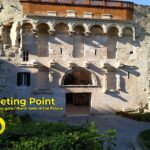
- Meet at South Tours and begin at Golden Gate
- Game of Thrones Museum and People’s Square: a fast pop-culture detour
- Fruit Square and the National Square: why the squares matter
- Riva promenade: the break you need, right in the middle
- Diocletian’s Cellars: where the ticket earns its keep
- Peristil: the palace’s central stage
- Cathedral of Saint Domnius: the Roman story continues
- Vestibul and photo stop: practical timing for your camera roll
- Private-group format: how pacing and language support you
- Value at $117: what you’re really paying for
- Who this tour suits best
- Should you book this private Split tour?
- FAQ
- How long is the tour?
- Is this a private tour?
- What languages are available?
- What’s included in the price?
- Do I need to buy a separate ticket for the cellars?
- Where do I meet the guide?
- Is food or drinks included?
- Is the tour suitable for people with mobility impairments?
- What if plans change?
Key highlights worth your attention
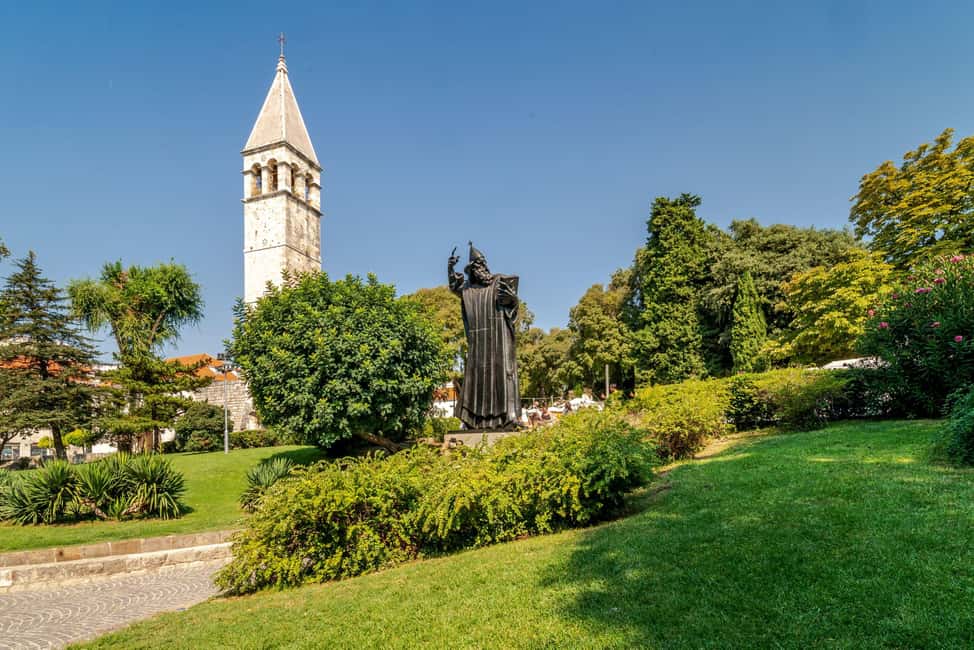
- Golden Gate orientation to start you with the right mental map of old Split
- Game of Thrones Museum stop as a quick, curious detour on pop-culture connections
- Fruit Square, People’s Square, and major city squares where everyday life meets landmark history
- Diocletian’s Cellars with entry ticket so you don’t just look from the outside
- Peristil and Cathedral of Saint Domnius to see how Roman design shaped what came after
- Private-group pace with bilingual guide plus an audio guide for extra clarity
Meet at South Tours and begin at Golden Gate
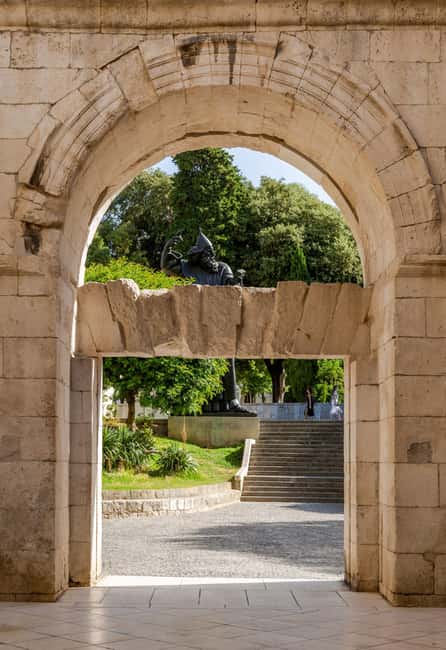
Your tour starts at the South Tours Travel Agency at Mrčelina 1 in Split. Plan to arrive about 15 minutes early so you’re not sprinting through the old streets trying to find the office on time.
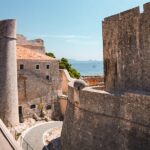
From there, you begin at the Golden Gate, where the guide can help you understand what you’re seeing before you move deeper into the historic core. I like this kind of start because you’re not just collecting photos. You’re learning how Split grew around its Roman foundation.
You can also read our reviews of more walking tours in Split


Game of Thrones Museum and People’s Square: a fast pop-culture detour
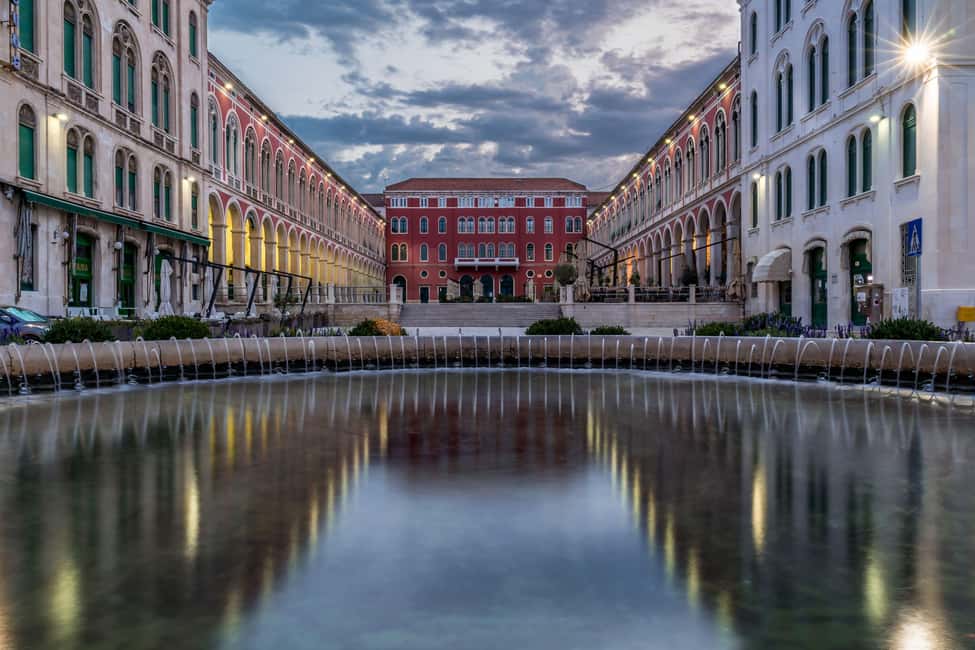
Next comes a short stop at the Game of Thrones Museum, Split. This is brief (just a few minutes), so think of it as a quick way to connect modern storytelling with the real setting you’re walking through.
Then you’ll move to People’s Square, another short segment focused on the landmark value of the space. Squares are where history becomes visible to you. They show you how people gather, where power or community tends to cluster, and how streets funnel movement.
If you’re the type of traveler who likes to understand a place at two levels—real-life history plus the way modern visitors frame it—you’ll enjoy this portion.
Fruit Square and the National Square: why the squares matter
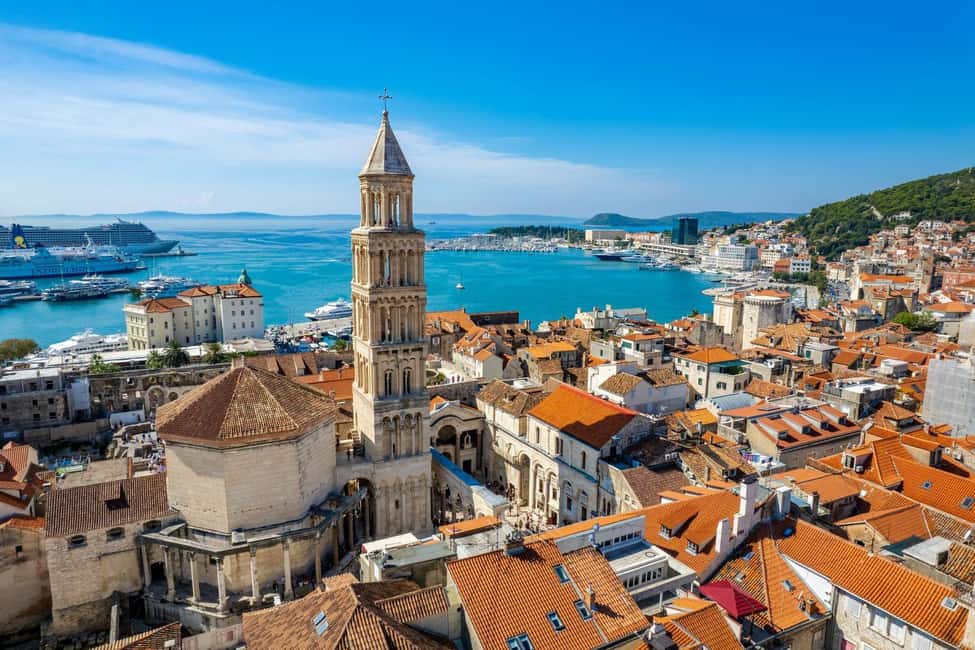
You’ll spend time at Fruit Square (Fruit Market) and also pass through the National Square area. These are classic “read the city” stops. The guide’s job here is to explain what you’re looking at and why a square can feel important even when it’s not a single statue or building.
Fruit Square, in particular, helps you picture how a city functions on ordinary days. Markets weren’t just shopping spots; they were social hubs, delivery routes, and places where news moved fast. Even without a food component on this tour, you’ll come away with a sense of how daily life once played out in the same spaces you can still walk through today.
A practical note: these stops are in the center of town, so you’ll likely see lots of foot traffic. The payoff is that you’re in the thick of Split’s real walking geography, not in a quiet “tour only” bubble.
Riva promenade: the break you need, right in the middle
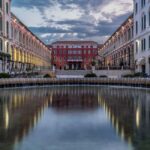
At Riva, you get one of Split’s most recognizable waterfront stretches. This stop is short, but it works well inside a guided walk because it gives your eyes a wider view while you keep your place in the story.
I like putting a promenade stop into an otherwise stone-heavy itinerary. It helps your brain switch gears from “architecture inspection” to “city experience.” You get a moment to absorb the setting—sea air, movement, and the sense that Split is still living its old roles as a meeting point and a gateway.
If you’re someone who gets tired photographing within five minutes, this is a good reset.
Diocletian’s Cellars: where the ticket earns its keep
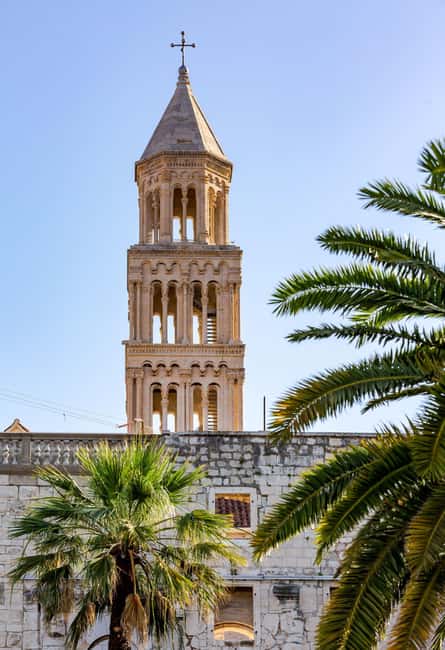
Next is Diocletian’s Cellars, and this is one of the strongest reasons to book this exact tour. The tour includes an entry ticket to the cellars of Diocletian’s Palace, so you’re not just circling the exterior.
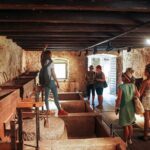
The cellars are part of what makes Diocletian’s Palace feel different from a standard historic monument. You step into the palace’s engineered space—underground, preserved, and connected to the larger idea of Roman planning. It’s a “show, don’t tell” moment.
This is also where a good guide matters most. Without the right explanation, cellars can look like corridors and storage rooms. With guidance, you understand how the palace worked as a whole.
You can also read our reviews of more private tours in Split





Peristil: the palace’s central stage
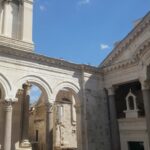
After the cellars, you head to Peristil, the palace’s central space. This is a major highlight for a reason: Peristil is where Roman architecture turns into an atmosphere you can feel.
Think of the Peristil as the palace’s social and visual center. You’re walking in the geometry that shaped circulation and gathering inside the complex. Standing there, you’ll likely understand why people talk about Split as a living palimpsest—older layers stay visible because the city keeps building and using the same bones.
This stop also supports the broader goal of the tour: to show how every street, building, and square in the old town has its own story, not just random beauty.
Cathedral of Saint Domnius: the Roman story continues
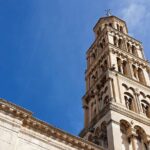
Next up is the Cathedral of Saint Domnius, another key landmark in the palace and old-town story. The guide uses this segment to connect what came after the Roman era with what still remains.
I like how this part of the route teaches you to look for continuity. Even when the style changes, the city’s logic—where people gather, what spaces become ceremonial, how streets organize movement—doesn’t vanish. It shifts.
If you enjoy religious buildings as part of urban history (not only as architecture), this stop will land well.
Vestibul and photo stop: practical timing for your camera roll
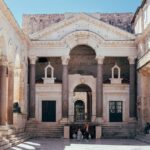
The tour finishes with the Vestibul, including a photo stop and time to walk and learn from the guide. This is a smart way to end the tour because it gives you a chance to capture the visual payoff without the pressure of trying to find the best angles on your own.
It also helps that the tour is structured around a walk through recognizable anchors: Golden Gate, squares, Riva, cellars, Peristil, the cathedral, and the vestibul area. You’ll leave with a mental route you can repeat later, which is one of the best souvenirs.
Private-group format: how pacing and language support you

This is a private group tour. That usually means you can keep a more comfortable pace and ask questions without waiting for a big crowd to get moving.
Language-wise, you’ll have a live guide in Spanish or English, and there’s also an audio guide available in Spanish and English. I find audio support helpful in old towns because attention shifts fast—you look, you listen, you walk. Having both formats makes it easier to catch details without rewinding the whole moment in your head.
Duration is listed as 90 minutes, so you’re getting a compact route that focuses on the most meaningful parts rather than turning the tour into a half-day endurance test.
Value at $117: what you’re really paying for
At $117 per person for a 90-minute private tour, the value depends on what you want most from Split.
Here’s what you’re paying for, beyond the sightseeing list:
- A guide who connects the dots between landmarks and the palace layout
- Coverage of central old-town anchors, including major squares you’ll otherwise wander past
- Cellars entry included, which is a real add-on because it’s not just outside views
If your plan for Split is short or you want the most accurate orientation fast, this price can feel fair because you’re not spending your time figuring out what matters. You also avoid the common problem of self-guided palace visits, where you walk through, take photos, and miss why the space was designed the way it was.
If you’re traveling super budget-first and you’re happy using free walking routes plus a guidebook, you might decide you can DIY it. But if you want context at every stop, the cost starts to make sense quickly.
Who this tour suits best
This is a great match if you:
- Want a focused introduction to Split’s old town and the Roman core
- Like walking tours where the guide explains what you’re seeing
- Prefer a private-group experience with English or Spanish support
- Want included entry to Diocletian’s cellars
It’s not a good fit if you have mobility limitations, since it’s described as not suitable for people with mobility impairments.
Also note the practical part: there’s no food or drinks included, so plan to eat before or after. Wear comfortable shoes.
Should you book this private Split tour?
I’d book it if you want a smart, guided route through Split’s center—especially the palace’s most important spaces—and you like your history tied to what you can physically see while walking. The included cellars entry and the emphasis on major landmarks (Golden Gate, key squares, Peristil, the cathedral) make this more useful than a basic photo walk.
Skip it if you need maximum accessibility support, or if you’re the type of traveler who prefers to wander slowly with no guiding voice.
If you’re on the fence, check your comfort with the pace and confirm you’ll be walking for the full 90 minutes. If that’s fine, this tour is a strong way to get your bearings fast and see the Roman engine behind Split.
FAQ
How long is the tour?
The duration is listed as 90 minutes.
Is this a private tour?
Yes, it’s a private group tour.
What languages are available?
The live guide is available in Spanish and English, and the audio guide is also included in Spanish and English.
What’s included in the price?
You get the guide, sightseeing of Split, and an entry ticket to the cellars of Diocletian’s Palace.
Do I need to buy a separate ticket for the cellars?
No. Entry ticket to the cellars is included.
Where do I meet the guide?
Meet at South Tours office, Mrčelina 1, Split. Arrive 15 minutes early.
Is food or drinks included?
No. Food and drinks are not included.
Is the tour suitable for people with mobility impairments?
No, it’s listed as not suitable for people with mobility impairments.
What if plans change?
Free cancellation is available up to 24 hours in advance for a full refund. There’s also a reserve now & pay later option to keep things flexible.