Split from street-level, with almost no walking. This private electric rickshaw ride strings together Split’s big sights and quieter viewpoints, from UNESCO Diocletian’s Palace to the green edge of Marjan.
I love the time payoff here: you see more than you would on foot without feeling rushed. I also like the way the route mixes architecture with sea views, plus that free soda/pop stop by the water at Va Bene Café on the Split tour.
One consideration: this experience needs good weather. If conditions are bad, you’ll likely have to switch dates or get a refund.
In This Review
- Key Highlights You’ll Actually Feel
- Why an Electric Rickshaw Makes Sense in Split
- Pickup at Trajektna Luka, Then Off to the Good Stuff
- Split’s Seafront Starter: Riva, Prokurative, and the Theater
- Diocletian’s Palace: Gates, Statue Tradition, and Underground Cellars
- Matejuška Harbor and Zvončac Park: Sea Views Plus Breathing Space
- Sustipan, Archaeology, and Meštrović: Marjan’s Culture Comes First
- Obojena Svjetlost, Kašjuni, and Bene Beach: Beaches Without the Hassle
- Tito’s Villa and a Short Ride Through the Marjan Feel
- The Free Drink Stop: Va Bene Café Timing That Feels Right
- Price and Value: What $48.39 Buys You
- Who This Tour Fits Best (And Who Might Prefer Something Else)
- Pick This Tour If You Want Split’s Layout in One Ride
- FAQ
- How long is the Split by Private Electric Rickshaw tour?
- Where does the tour start and end?
- Do you get pickup from the cruise terminal?
- Is the tour private?
- What language is the tour offered in?
- Do I need to print anything, or is there a mobile ticket?
- What’s the maximum number of people per rickshaw?
- Is there anything included like park or beach admission?
- Is the tour dependent on weather?
Key Highlights You’ll Actually Feel
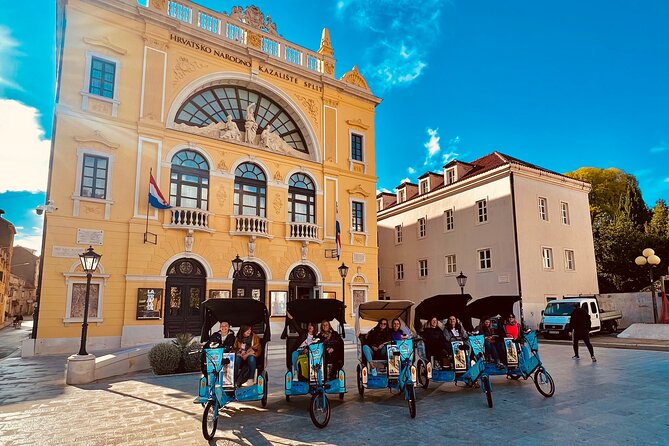
- Private rickshaw, just your group (max 2 adults and 1 child per rickshaw)
- Major Split sights in one go, including Diocletian’s Palace gates and underground cellars
- Marjan Forest Park access where cars are restricted, so you can reach viewpoints and beaches easily
- A free drink by the sea at Va Bene Café, exclusive to the Split tour
- Old Town + fishing harbor + beach breaks, so you’re not stuck with only monuments
- Flexible departure time so you can match your day, including cruise schedules
Why an Electric Rickshaw Makes Sense in Split
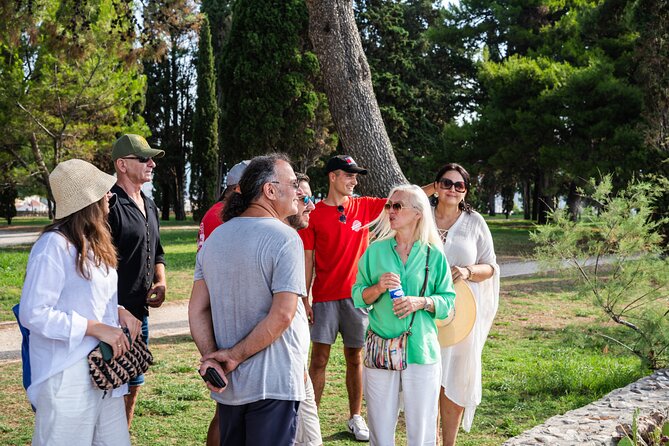
Split is compact, but the hills and foot traffic add up fast. This tour uses an electric rickshaw to keep you moving while you still get close-up looks at places most walking tours skip.
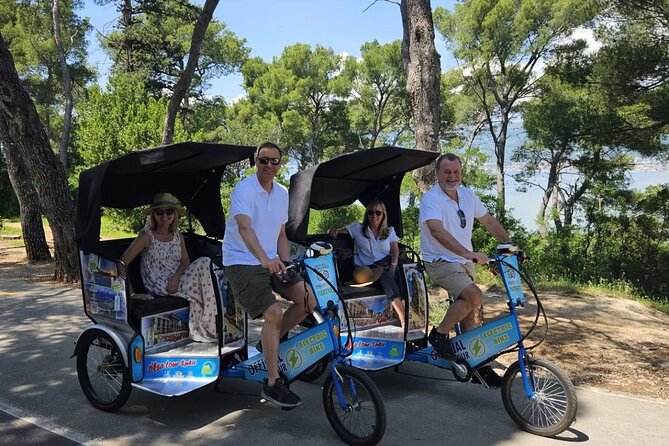
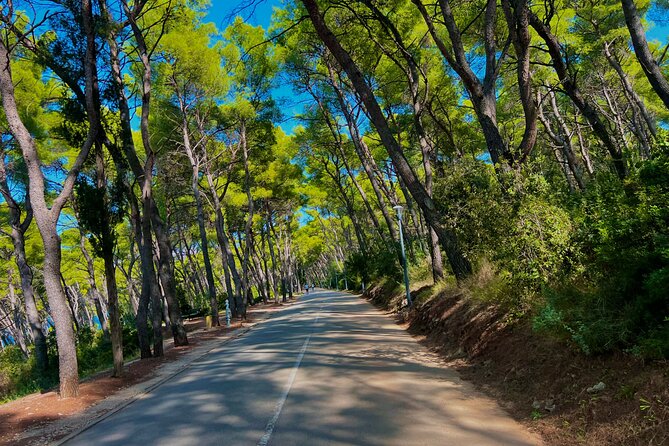
It’s also a smart fit for people who want to see the city without burning energy on every curb and staircase. In Marjan Forest Park in particular, rickshaws and bikes have an advantage, because cars aren’t the main way people get around there.
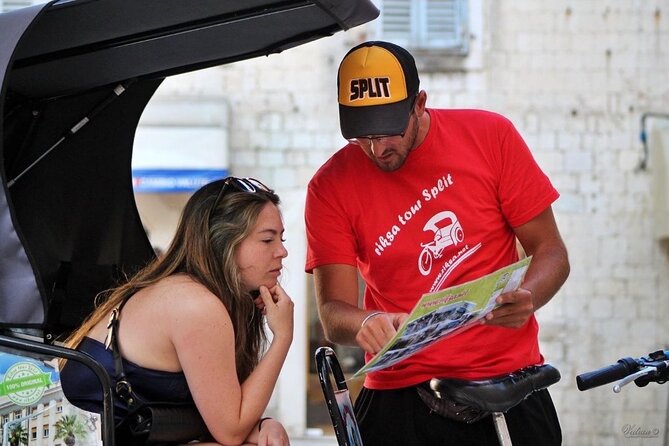
The tone of the ride is relaxed. You get a guided route with time to pause for photos, and you’re not forced into the tight pace of a big group bus.
You can also read our reviews of more private tours in Split

Pickup at Trajektna Luka, Then Off to the Good Stuff
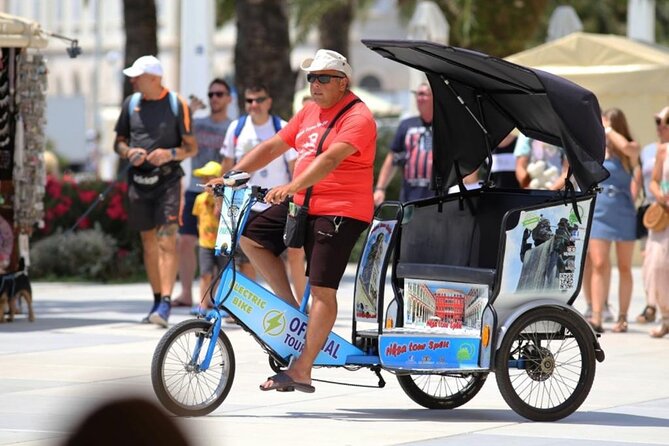
You start at Trajektna Luka Split (21000, Bačvice, Split, Croatia), and the tour ends back at the same meeting point. If you’re arriving by cruise ship, pickup is offered directly in front of the cruise terminal.
You’ll get a mobile ticket, and the tour is conducted in English. Service animals are allowed, and the company notes that most people can participate.
Because it’s private, the capacity matters. Each rickshaw fits up to 2 adults and 1 child, so larger families or groups may need more than one rickshaw depending on your party size.
Split’s Seafront Starter: Riva, Prokurative, and the Theater
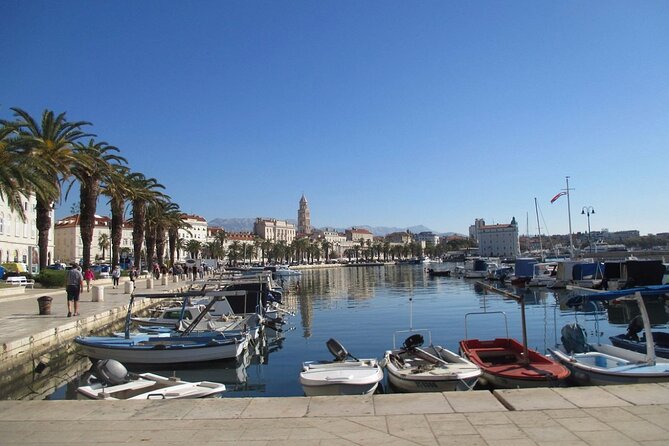
You begin with the easiest win: Split’s seaside promenade. The Riva is the iconic front porch of the city, lined with cafés and palm trees, with centuries-old buildings looking over the Adriatic. Even a short stop here helps you understand the city’s rhythm—where people meet, linger, and watch the water.
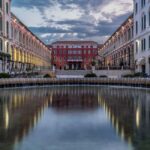
From there, you head to Prokurative, known for its elegant arches and Venetian-style architecture. It’s steps from the Riva, so it’s an easy add that feels like a shift from open promenade to more dramatic stone details. This is also a great spot for photos because you’re close to the main walking areas without being stuck in them all day.
Next comes the Croatian National Theater (HNK), founded in 1893. The neoclassical facade gives you a sharp contrast to the Roman structures you’ll see later. Even if you don’t stop long, it helps connect modern Split to the cultural side of the city.
Diocletian’s Palace: Gates, Statue Tradition, and Underground Cellars
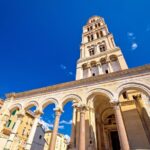
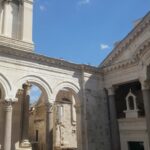
Diocletian’s Palace is the core of Split, and this tour gives you a ride-based circuit that keeps the orientation clear. You ride around the palace area and then pause at key points that define its layout: the gates and the transitions between palace above-ground and the underground spaces below.
First up, the Golden Gate on the northern side. It dates to the 4th century and was once decorated with gold. Today, you focus on the intricate carvings and the Roman symbolism that still reads in the stonework.
Then the Eastern (Silver) Gate. The silver decorations have long since disappeared, but the gate remains a strong example of Roman craftsmanship, with carved detail you can see as you approach. Stops like this are useful because you learn where each entrance sits relative to the palace walls.
At the palace’s northern side, you’ll also see the Grgur Ninski Statue, created by sculptor Ivan Meštrović in 1929. The local tradition is famous: rubbing his big toe for good luck is part of the experience here, and you’ll see why people keep doing it.
The most atmospheric part is the move to the Diocletian’s Cellars. These underground chambers show Roman engineering and storage spaces, plus a mysterious, enclosed feel you don’t get from street-level views. It’s a quick visit, but it changes how you picture the palace—less about one impressive building and more about a functional machine that lived and worked underground.
On the southern side, you’ll encounter the Bronze Gate. This was the main sea entrance used for quicker access by servants and supplies. That practical detail is a helpful reminder: even the grandest architecture had daily logistics behind it.
Matejuška Harbor and Zvončac Park: Sea Views Plus Breathing Space
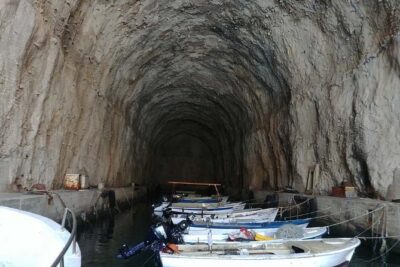
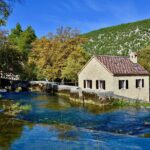
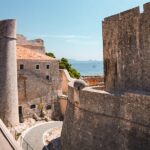
After the palace, the tour shifts toward everyday Split by the water. Matejuška Harbor (Matejuška fishermen’s port) is a traditional fishing area on the old town western edge. Colorful boats and the working feel of the port give you a different side of the city than the monuments do.
You also get strong photo backdrops here, especially with Diocletian’s Palace and the Riva promenade framing the scene. If your day is short—like a cruise stop—this kind of view helps you remember Split as a lived-in place, not only a sightseeing checklist.
Then you get a breather in Zvončac Park, a green pause in central Split. It’s calmer than the promenade areas and helps reset your legs and your eyes. This stop is small, but it’s exactly the kind of moment that makes a tight schedule feel less exhausting.

Sustipan, Archaeology, and Meštrović: Marjan’s Culture Comes First
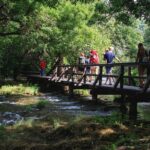
Once you head toward Marjan, the tour changes gear. Marjan Forest Park is the big green area above the city, and it’s where you feel Split’s coastal cliffs and island views more clearly.
Sustipan is a peaceful promontory with panoramic Adriatic views. It has a layered story: once a monastery and defensive point, and now a quieter area for reflection and walking. Even if you only spend time at viewpoints, it adds a different angle to your understanding of the coastline.
The route can also include the Museum of Croatian Archaeological Monuments, where you see sculptures, pottery, and relics connected to ancient civilizations of the region. If you like the Roman thread that starts with Diocletian’s Palace, this helps keep that theme going without repeating the same stone gate photos.
Then there’s the Galerija Mestrovic (Meštrović Gallery), dedicated to sculptor Ivan Meštrović. It’s housed in a villa associated with the artist, and you’ll find sculptures, drawings, and architectural design, plus gardens and panoramic views over Split and the Adriatic.
This mix—Roman palace above, ancient artifacts in a museum, and modern sculpture in a hillside setting—works well if you’re the kind of traveler who likes the story behind what you’re looking at.
Obojena Svjetlost, Kašjuni, and Bene Beach: Beaches Without the Hassle
Marjan is famous for views, but it also has real beach breaks, and the tour builds them in.
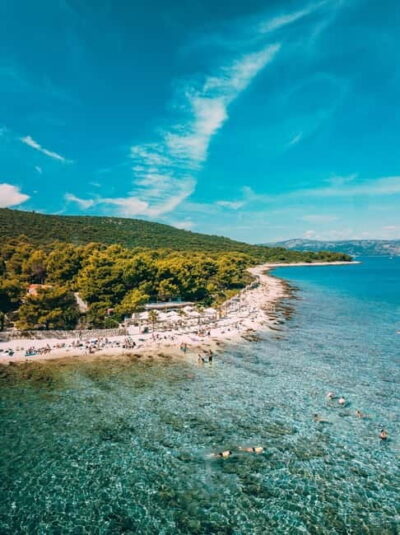
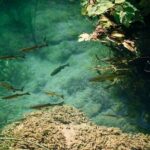
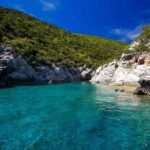
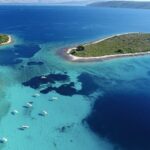
Obojena Svjetlost Beach, also known as a color-changing look from the water’s clarity, is one of the stops in Marjan Forest Park. Expect crystal-clear turquoise water and golden sand, plus the kind of relaxed beach setting that makes photos and a quick rest feel easy.
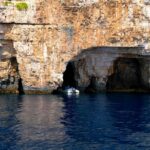
Kašjuni Beach is another small coastal destination at the foot of Marjan Hill. It’s known for a mix of pebbles and sand, pine trees nearby, and a quieter feel compared with the main waterfront areas.
The tour also includes Bene Beach (Kupaliste Bene). This is the family-friendly angle: calm, shallow waters and pebbly shores, with time to relax and swim if conditions are right. The admission for Marjan Forest Park and Bene beach is included, which matters because it keeps budgeting simpler for a short day.
You might also catch a view of Poljud Stadium while driving through Marjan. It’s a quick look, but it’s a memorable Split landmark, especially if you follow local sports or just like seeing how major arenas fit into a coastal city.
Tito’s Villa and a Short Ride Through the Marjan Feel
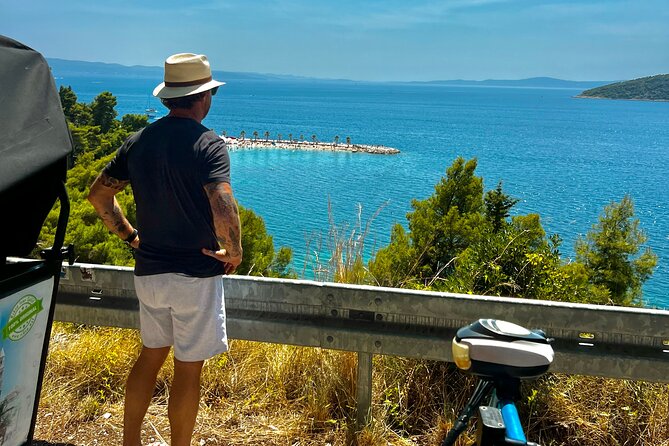
Tito’s Villa, also known as Dalmacija Villas, is another scenic stop area in the Marjan zone. It’s described as a luxurious seaside complex with Adriatic views and historic significance as a former residence of Josip Broz Tito. Even if you don’t spend long here, it gives you a contrast to the Roman and medieval themes—Split’s more modern, political-era footprint is there if you look for it.
What I like about these smaller stops is that they broaden the city beyond the postcard core. In one tour window, you get palace stones, garden calm, sea air, and a taste of how the coastline evolved over time.
The Free Drink Stop: Va Bene Café Timing That Feels Right
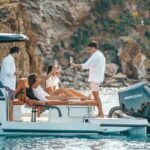
A highlight you’ll appreciate if you’re doing this on limited time: there’s a free refreshing drink included at Va Bene Café by the sea (exclusive to this Split tour). The tour information also notes a free drink included on the largest tour, tied to the Bene Beach area.
This isn’t just a perk. It’s a natural pacing tool. You get to sit down, cool off, and reset while still keeping the tour momentum. If you’re visiting during heat, it makes the whole day feel more manageable.
Price and Value: What $48.39 Buys You
$48.39 per person isn’t the cheapest option in Split, but it’s also not trying to be. You’re paying for private transport that replaces hours of walking with a guided circuit.
Here’s the value in plain terms:
- You cover major Old Town highlights plus Marjan Park viewpoints and beaches.
- You get access points that are hard to reach quickly on foot and easier to handle than with a traditional taxi hop-everywhere plan.
- Admission is listed as free for many major stops, with Marjan Forest Park and Bene Beach specifically included.
- You also get pickup from the cruise terminal area, which can save real time when you’re on a ship schedule.
One more factor: the tour regularly sells out, and the average booking window is listed at 57 days in advance. If you’re traveling in peak season or during cruise-heavy weeks, treat early booking as part of the plan, not a suggestion.
Who This Tour Fits Best (And Who Might Prefer Something Else)
This electric rickshaw tour is a strong match if you:
- Are on a cruise stop and need a tight, high-impact overview.
- Want a lighter day on the legs while still seeing palace gates, underground cellars, and beach viewpoints.
- Like a mix of architecture, sculpture, and sea scenes rather than only one theme.
It may not be ideal if you’re hoping for deep museum time or long beach lounging. The stops are timed to keep the route moving, so you’ll likely want a second day later to linger on what you love most.
Pick This Tour If You Want Split’s Layout in One Ride
My rule of thumb: if you want to understand Split fast, this is a smart first move. You’ll walk away knowing where the palace sits, where the best sea views come from, and how Marjan’s hillside edges connect back to the Old Town.
If you only have a few hours, the private rickshaw format helps you get value out of every minute. If you have more time, this still works as your orientation day, so your later self-guided exploring feels easier.
FAQ
How long is the Split by Private Electric Rickshaw tour?
The duration is listed as about 30 minutes to 2 hours 30 minutes.
Where does the tour start and end?
It starts at Trajektna Luka Split, 21000, Bačvice, Split, Croatia, and ends back at the meeting point.
Do you get pickup from the cruise terminal?
Yes. If you arrive by cruise ship, pickup is offered directly in front of the cruise terminal.
Is the tour private?
Yes. Only your group participates.
What language is the tour offered in?
The tour is offered in English.
Do I need to print anything, or is there a mobile ticket?
A mobile ticket is offered.
What’s the maximum number of people per rickshaw?
The max capacity per rickshaw is 2 adults and 1 child.
Is there anything included like park or beach admission?
Yes. Entry/admission for Marjan Forest Park and Bene beach is included, and a free drink (soda/pop) is included at Va Bene Café for the Split tour.
Is the tour dependent on weather?
Yes. It requires good weather, and if it’s canceled due to poor weather, you’ll be offered a different date or a full refund.