REVIEW · SPLIT
Nocturnal Tours Trogir & Split – Soul of the Old Split Tour
Book on Viator →Operated by Nocturnal Tours Trogir & Split · Bookable on Viator
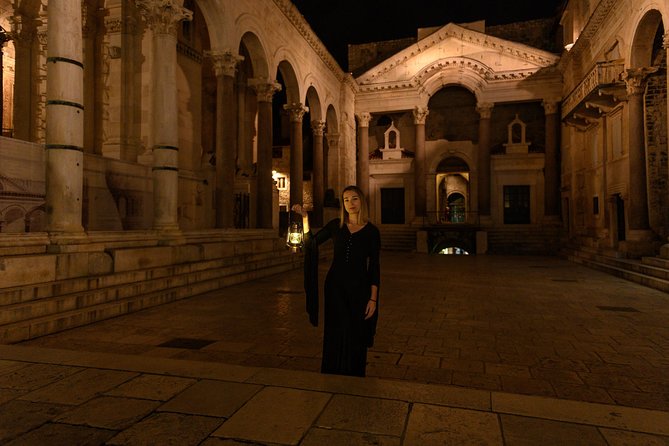
Lanterns make Split feel like a movie set. This nocturnal walk turns the old town into a story you can follow at a relaxed pace. I especially like how the route focuses on the places that give Split its tone, not just its famous stones.
Two things really win me over: the guide’s storytelling (fast, fun, and very specific), and the small-group size capped at eight. One small consideration: the tour relies on good weather, and the stops are timed to fit a compact 1 hour 20 minutes.
If you want a brief night stroll with strong narrative payoff, this is a great match. If you’re craving long stays in each landmark or you need a flexible route in poor weather, you might want to plan a backup evening.
In This Review
- Key points at a glance
- Why a 9 pm lantern walk makes Split feel different
- Small-group pacing: what max eight travelers really means
- Entering Diocletian’s Palace: emperor stories in the dark
- People’s Square: a meeting place that changes with time
- Grgur Ninski Statue: a giant presence with a name to remember
- Riva Harbor: laughter, humor, and a love tragedy
- Kino Karaman: the oldest cinema stop that feels oddly personal
- Matejuška Fishermen’s Port: romance by the water
- Price and value: is $28.90 worth a 1 hour 20 minutes night walk?
- Practical logistics: where to meet and what to expect
- Best fit: who this lantern-lit Split tour is for
- Should you book the Soul of the Old Split tour?
- FAQ
- What time does the tour start in Split?
- How long is the tour?
- Where does the tour start and end?
- Is the tour in English?
- How big is the group?
- Do I need to bring a printed ticket?
- Is the tour suitable for most travelers?
- What happens if the weather is bad?
- Can I cancel for free?
Key points at a glance
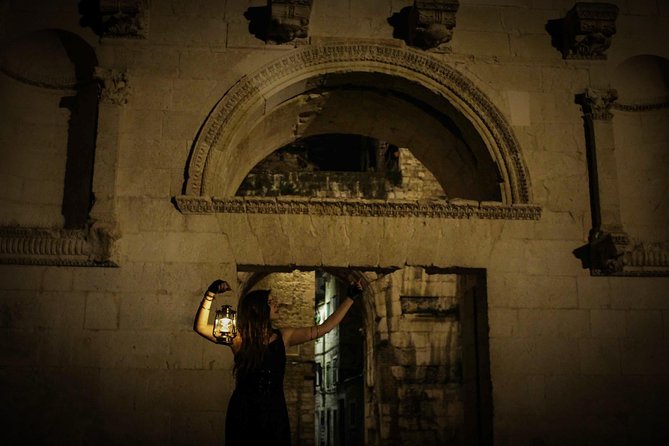
- Lantern-lit at 9 pm so Diocletian’s Palace and the harbor feel different after dark
- Small group (max 8) for a more personal, question-friendly walk
- Diocletian’s Palace storytelling with attention on Emperor Diocletian’s mystery
- Riva Harbor legends tied to local humor and the Roko and Cicibela love tragedy
- Old town stops that move fast but stay memorable: People’s Square, Grgur Ninski, Kino Karaman, Matejuška
- English mobile ticket and a route that’s easy to join without complicated logistics
Why a 9 pm lantern walk makes Split feel different
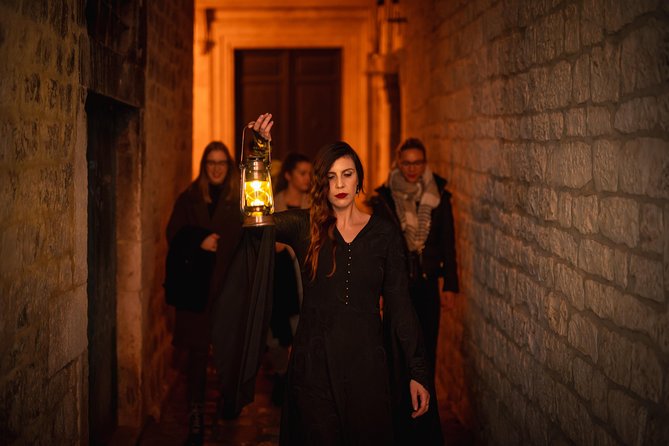
Split at night has a different rhythm. With this tour starting at 9:00 pm, you avoid the late-day crush and get softer light for the old streets. You also get a story-focused pace, which matters because Split can be easy to wander through without really understanding why the places matter.
The lantern-lit format helps, too. It’s not just atmosphere. It guides your attention to corners, facades, and viewpoints you’d otherwise miss when you’re simply trying to get somewhere else. If you’ve ever walked through an old town and thought, I’m seeing things, but I’m not getting the point—this is the fix.
You can also read our reviews of more tours and experiences in Split.

Small-group pacing: what max eight travelers really means
This is a maximum-of-eight experience. That number changes how a walking tour feels. In a group that small, you’re not lost in a crowd, and you’re more likely to hear every detail clearly. It also tends to keep the pace realistic—enough time to listen, but not so slow that you’re stuck waiting around.
You’ll also appreciate the guide style. The strongest feedback centers on how entertaining the guide was and how the tour shares stories you might not hear on the usual big-group circuit. That matters because the stops are only 5–30 minutes each, so the value comes from how the guide connects the dots.
Entering Diocletian’s Palace: emperor stories in the dark
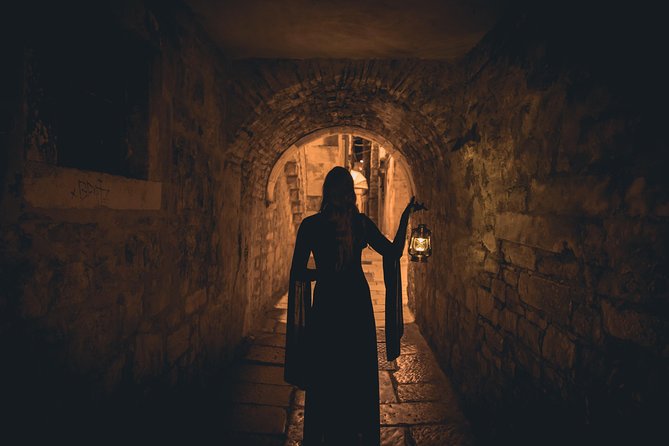
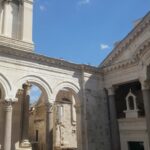
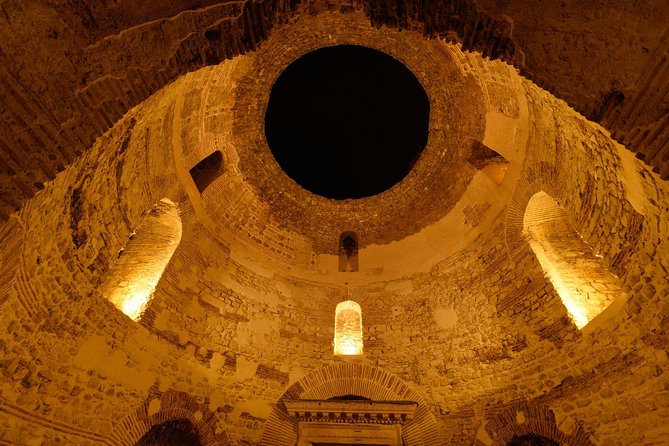
The tour starts at Palazzo di Diocleziano (Diocletian’s Palace), and that choice is smart. This area is where the story of Split begins, and the tour leans into the big dramatic hook: Emperor Diocletian, described as controversial, with his life and death still veiled in mystery.
Practically, this first stop works because it gives you a framework for everything you’ll see later. When you learn the emotional and historical angle early, later stops land harder. Instead of treating landmarks like separate photos, you start understanding them as parts of one long-running city narrative.
A minor timing note: this stop is about 30 minutes. That’s enough to get oriented and hear the main thread, but it’s not a deep museum visit. If you expect lots of unscheduled roaming, you’ll want another day for that.
People’s Square: a meeting place that changes with time
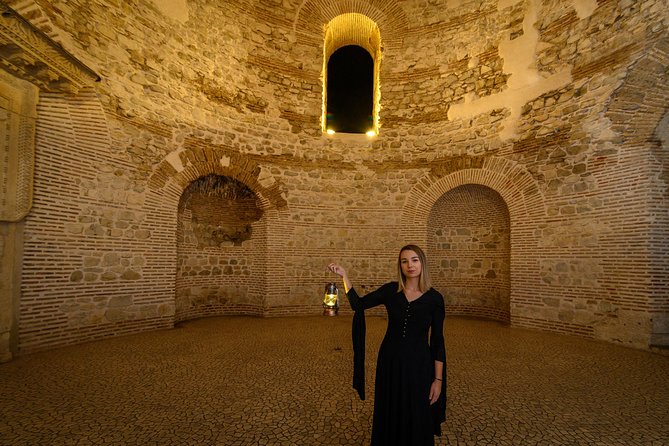
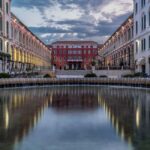
Next comes Narodni Trg (People’s Square), with about 10 minutes here. The tour treats this square like a social heartbeat—used across eras, from ancient times up through the 1970s, as the most popular meeting place for people in Split.
This stop is valuable because it reframes a square as a lived-in stage. You’re not just looking at buildings; you’re being told how people gathered, talked, and shaped local identity over time. That’s exactly the kind of context that makes a night walk more than a photo loop.
The drawback is simple: ten minutes is brief. The square is worth lingering in daytime, too. So if you’re the type who likes to sit and absorb, you may want to spend a little extra time here on your own after the tour.
Grgur Ninski Statue: a giant presence with a name to remember
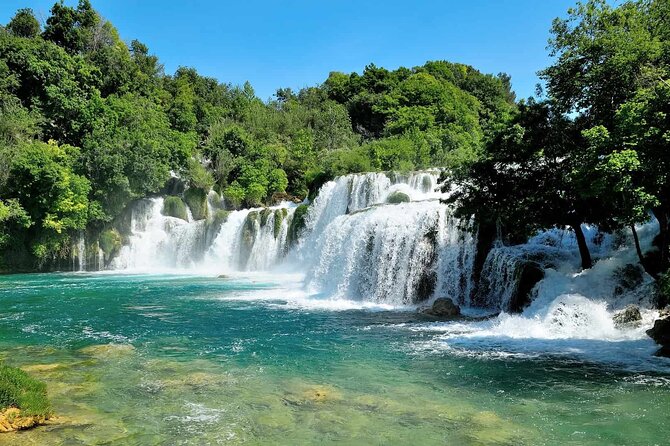
At Grgur Ninski (statue), the tour gives you a standout landmark in about 5 minutes. It’s an 8.5 m high statue made by Meštrović, described as the most important Croatian sculptor.
Even if you’re not a sculpture person, a clearly identified artist helps. The guide’s quick context turns what could be just a large figure into a named piece of cultural pride. And because the pace is steady, you don’t feel like you’re trudging from one major site to another—you feel like you’re collecting key moments.
If you’re taking photos, plan for a fast window. With five minutes, you’ll want to be ready rather than waiting for perfect angles.


Riva Harbor: laughter, humor, and a love tragedy
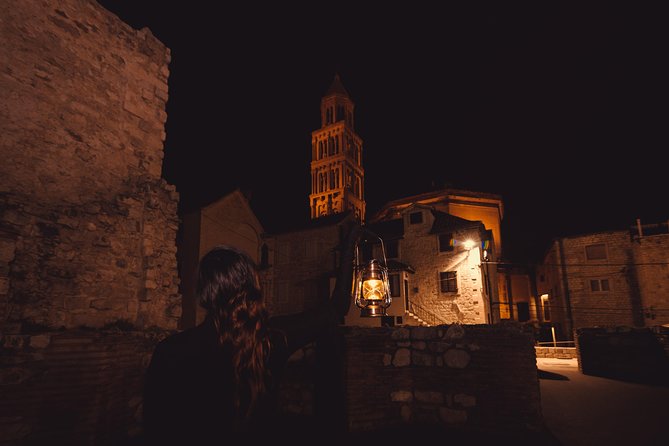
Then the route shifts to Riva Harbor, with about 10 minutes. This promenade is presented as a mirror of Split’s life and spirit, and the storytelling focus here is what makes it more than a scenic stop.
You’ll hear stories tied to local humor—Split’s specific comic sensibility—and also a major emotional note: a city love tragedy connected to Roko and Cicibela. Even if you don’t know the legend already, the way it’s framed helps you understand why harbor promenades often become the emotional center of a coastal town.
Riva Harbor is also a practical benefit. It’s one of those “you’re here, you get it” areas. If you’re short on time in Split, a stop there gives you immediate payoff. The only watch-out: it’s a harbor promenade, so it can be lively around the waterfront even at night. The tour pace keeps you moving, but you may still want to keep an eye on where people are walking.
Kino Karaman: the oldest cinema stop that feels oddly personal
After the harbor, you’ll make a quick stop at Kino Karaman, described as the oldest cinema not only in Split, but in all of Europe. The tour allots 5 minutes, which means you’re not getting a full history lecture.
Still, the stop is smart. A cinema is a community place, like a square—just focused on stories projected on a screen. In a night tour where the theme is storytelling, this fits perfectly. You end the section feeling that Split doesn’t just talk about the past; it builds its identity through culture and gathering.
Because it’s a quick hit, you might wish you had more time. But that’s also the beauty of a short tour: it plants an idea you can follow up on later.
Matejuška Fishermen’s Port: romance by the water
The final narrative landing is Matejuska Fishermen’s Port, about 10 minutes. The tour notes the name Matejuška as the old fishermen’s harbor and ties it to one of Split’s most beloved love stories: Roko and Cicibela.
Even though the love story is mentioned at the harbor too, placing it here gives it a different flavor. The water context feels more grounded, and the fishermen’s-harbor setting turns romance from legend into atmosphere.
You’ll finish near Pharmacy Matejuška at the end point on Riva Trumbićeva obala 16. That matters because it saves you the hassle of figuring out where to go next. It’s an easy transition back into wandering on your own.
Price and value: is $28.90 worth a 1 hour 20 minutes night walk?
At $28.90 per person, this tour isn’t just cheap sightseeing—it’s a priced storytelling experience. The value comes from the combo of:
- Timing: 1 hour 20 minutes is long enough to connect multiple “why does this place matter” moments, but short enough to fit around dinner.
- Group size: max eight tends to justify a higher per-person cost because your guide can actually address the whole group.
- Specific narrative themes: Diocletian’s mystery, People’s Square as a historical meeting point, and the Roko and Cicibela story threaded through multiple spots.
If you compare this to paying for multiple separate entries or audio guides, you’re paying for someone to explain the connections. And based on the very strong feedback about the guide being a fantastic storyteller, the entertainment factor isn’t incidental—it’s central.
One caution on value: if you don’t care much about legends, local humor, or the human story behind landmarks, then any guided walking tour can feel short on substance. This one is built for people who like context.
Practical logistics: where to meet and what to expect
The start is at Hrvojeva 4, 21000 Split, and the tour begins at 9:00 pm. The route ends at Pharmacy Matejuška on Riva Trumbićeva obala 16. It’s convenient that the end point is close to a real landmark (a pharmacy), so you can orient yourself without guessing.
A few practical notes that help you plan:
- You’ll get a mobile ticket, which usually means fewer headaches when you arrive.
- It’s offered in English.
- It’s described as near public transportation, so you can pair it with the rest of your evening without a big detour.
- Service animals are allowed.
- Most travelers can participate, but because it’s a night walking format, you’ll still want comfortable shoes and basic mobility.
Also, if you’re choosing between evenings, remember the tour requires good weather. If rain or bad conditions hit, you should expect a change (or refund), since the experience is weather-dependent.
Best fit: who this lantern-lit Split tour is for
This tour is a strong fit if you:
- Like night walks and want Split to feel more story-driven.
- Prefer small groups over big bus-style tours.
- Enjoy learning what you’re looking at—Diocletian’s Palace context, People’s Square meaning, and how the harbor connects to local legends.
- Want a tour that ends in a walkable area so you can keep exploring afterward.
It’s also a good option if you’re traveling with someone who usually tunes out at standard historical tours. The best feedback highlights entertainment and a guide who loves Split, and that energy typically makes the material easier to remember.
If you’re the type who wants a long, slow, self-paced visit with lots of time for viewpoints, you may find the short stops a bit “too fast.” In that case, use this as an orientation tour, then follow up the next day at your own pace.
Should you book the Soul of the Old Split tour?
I think you should book it if you want Split after dark with a clear narrative spine. The standout strength is the guide’s storytelling, plus the small-group limit that keeps the experience human. The route is compact, but the stops are chosen to match the theme: palace mystery, civic gathering, a sculptural icon, harbor emotion, and cultural memory.
Skip it only if you’re going to spend most of your time zoning out during guided stories or you know you’ll struggle with night weather and walking. Otherwise, this is a smart, efficient way to get the feel of old Split fast—especially if you’re short on time but don’t want to miss the city’s character.
FAQ
What time does the tour start in Split?
The tour starts at 9:00 pm.
How long is the tour?
It lasts about 1 hour 20 minutes.
Where does the tour start and end?
It starts at Hrvojeva 4, 21000 Split, and ends at Pharmacy Matejuška, Riva Trumbićeva obala 16, 21000 Split.
Is the tour in English?
Yes, it is offered in English.
How big is the group?
The tour has a maximum of eight travelers.
Do I need to bring a printed ticket?
No. You’ll use a mobile ticket.
Is the tour suitable for most travelers?
Most travelers can participate.
What happens if the weather is bad?
This experience requires good weather. If it’s canceled due to poor weather, you’ll be offered a different date or a full refund.
Can I cancel for free?
Yes. You can cancel up to 24 hours in advance for a full refund. Canceling less than 24 hours before the start time is not refundable.