REVIEW · SPLIT
Secret Split: Socialist Architecture & brutalism – Urban Utopia
Book on Viator →Operated by Walking tours with The Storyteller Croatia · Bookable on Viator
Concrete dreams live here.
This tour takes you past Split’s usual Roman highlights and into the 20th-century experiment that was once considered a real blueprint for daily life. You’ll follow the logic of Split 3, a socialist urban plan built in the 1970s and later spotlighted far beyond Croatia, including in a Museum of Modern Art show in New York.
I love how the walk feels practical, not museum-y. You get to see raw, geometric buildings and open pedestrian space, and you learn the ideas behind them in plain language. I also really like that you meet local creatives/activists along the way—so the story lands with modern voices, not just old photos.
One possible drawback: this is best if you’re okay with walking through residential areas and talking architecture in context. If you want a classic sightseeing loop with constant dramatic views, this one may feel more thoughtful than flashy.
In This Review
- Key things that make this walk worth your time
- Why this tour starts in the 1970s, not the Romans
- The pace and meeting setup that make it easy to join
- Papandopulova ulica and the concrete-utopia storyline
- Split 3 in plain terms: rapid growth, bold planning, incomplete dreams
- Art activism in Split: why the neighborhood still matters
- The guide makes it click: Mirjana’s city passion
- What you should actually look for while walking
- Price and value: what $113.90 buys you
- Who should book this tour (and who might skip it)
- Practical timing notes so you don’t get stuck
- Should you book Secret Split: Socialist Architecture & brutalism – Urban Utopia?
- FAQ
- How long is the Secret Split tour?
- Where does the tour start and end?
- How much does the tour cost?
- Is it a private tour?
- What’s included in the tour?
- Is there an entry ticket required for the sights?
- What if I need to cancel?
Key things that make this walk worth your time
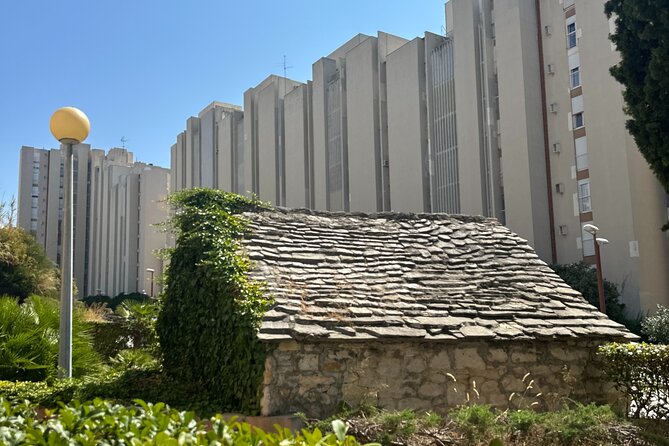
- Split 3 spotlighted internationally through the MoMA exhibition Toward a Concrete Utopia (New York 2018)
- Brutalism explained as care, not just concrete for concrete’s sake
- Pedestrian-focused planning designed for community, children, and everyday routines
- You meet local artists and activists, which keeps the story grounded
- Private group style means your questions can actually shape the pace
- A licensed guide plus a certified heritage interpreter helps you connect details to bigger meaning
Why this tour starts in the 1970s, not the Romans
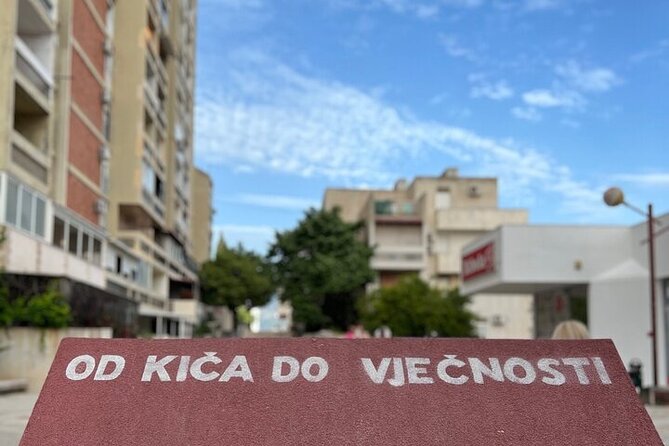
Most Split tours treat the city like a time machine from one ancient stone layer to the next. This one flips the script. Your eyes shift from arches and columns to blocks, lines, and courtyards—because after World War II, Split (like many cities) had to answer a new problem: how do you house growing populations without losing the idea of community?
That’s where Split 3 comes in. The plan was built as an expansion of Split, and it tried to test a vision for space and society using concrete, clean geometry, and pedestrian-centered design. In other words, it’s not just architecture. It’s an argument about how people should live.
You can also read our reviews of more tours and experiences in Split.


The pace and meeting setup that make it easy to join
You’ll meet at Ul. Šime Ljubića 3, 21000 Split, and you’ll finish back at the same spot. The whole experience usually runs about 1 to 3 hours, depending on questions and how much you want to linger on specific buildings and open areas.
This is a walking tour, but it’s not a suffer-fest. Most travelers can participate, and it’s near public transportation, so you can plug it into a day without forcing complicated logistics. If you’re sensitive to lots of uphill walking, still plan to wear shoes that handle uneven streets—this is Split, not a flat museum floor.
Papandopulova ulica and the concrete-utopia storyline
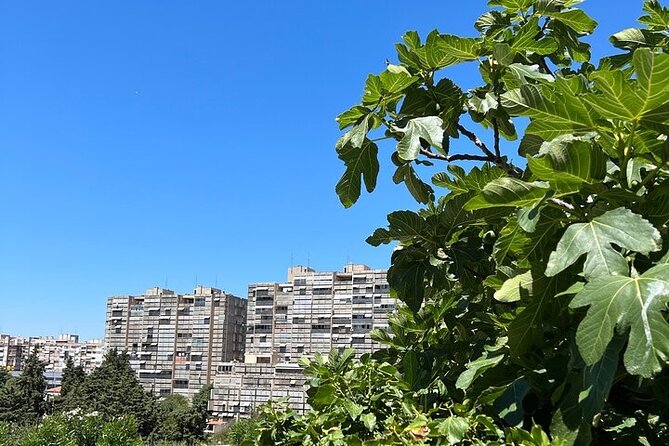
One of the first stops takes you to Papandopulova ulica, where the Split 3 story is front and center. Here, you’re not just looking at an old style. You’re seeing how a whole set of urban ideas was physically built into daily life.
The tour connects this area to the bigger international conversation about “concrete utopias.” Split 3 was featured in MoMA’s Toward a Concrete Utopia exhibition in New York (2018). That matters because it reframes what you’re seeing: local neighborhoods become part of a global debate on planning, housing, and modern life.
And the way you understand it changes while you’re walking. You start noticing how space is arranged—where people are supposed to meet, where children might play, where everyday movement happens. Brutalism often gets reduced to a material and a look. This tour nudges you to think bigger: the choices in layout and access say something about priorities.
Split 3 in plain terms: rapid growth, bold planning, incomplete dreams
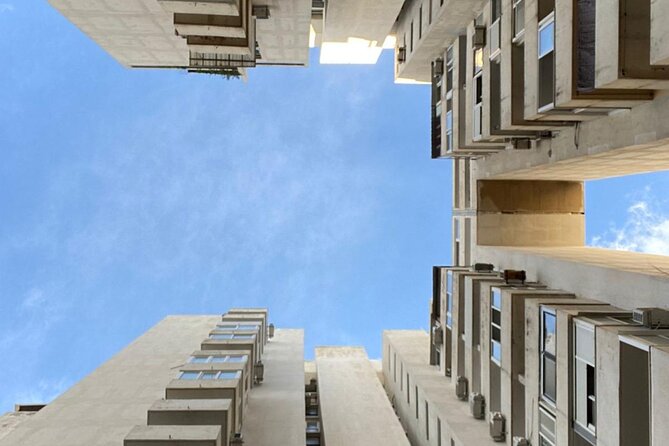
Next, you connect the site-level details to the full urban intent. The Split 3 project was designed as an answer to rapid demographic growth. That basic pressure—too many people, not enough housing—shapes everything. When growth hits fast, city planners have less time for slow, piecemeal solutions. They build systems.
Split 3 was never fully realized, but it still landed in important places in the history of 20th-century architecture and urbanism. The reason this walk is valuable is that it helps you read that partially finished reality without disappointment. When something is incomplete, you can miss the point if you only search for the final product. The tour encourages you to look at the thinking that survives in the built pieces.
You also start seeing why the design feels “human” in spite of its rough look. Brutalism can be misread as harsh. Here, you learn to interpret it as care—attention to how people share space, move through neighborhoods, and live close to one another. That’s a big shift if your default reaction to concrete is, yep, concrete.
Art activism in Split: why the neighborhood still matters
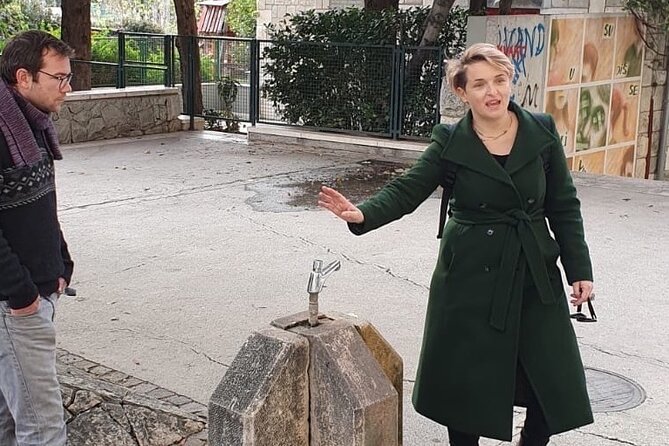
Split 3 isn’t treated like a dead relic. The walk also brings in the neighborhood’s ongoing pulse through art activism. You’ll hear how explicit critical communication fits into the city, and you’ll encounter that idea through meetings with local artists and activists.
This is where the tour becomes more than architecture. It becomes about public life—how people respond to what they inherit, how they reinterpret it, and how they keep the conversation going long after the original planners are gone.
In practical terms, you get to see why the design influences daily routines even today. The pedestrian emphasis and communal spaces don’t just exist in diagrams; they affect who uses an area, how children and families might experience it, and how neighbors form a sense of belonging. When local creatives step into that setting, the story feels alive instead of archived.


The guide makes it click: Mirjana’s city passion
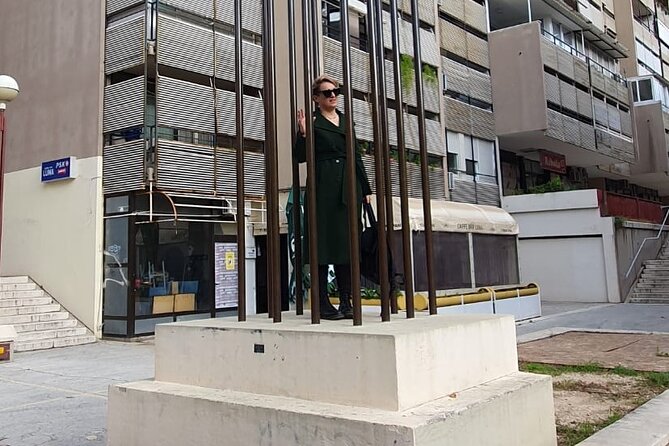
One of the standout themes from excellent past experiences with this tour is how personal and engaging the guiding can be. In particular, Mirjana has a strong reputation for being deeply passionate and bringing real love for the city to the walk.
What that means for you on the ground: you’re not just receiving facts. You’re being guided to see connections—between design choices and lived experience, between ideology and the look of a courtyard, between a famous international exhibit and the everyday street you’re standing on.
Because it’s a private tour for your group, the pace can also feel more respectful of your interests. If you want more time on geometry and building details, you can steer that way. If you’d rather focus on the social story behind the plan, you’ll get that too.
What you should actually look for while walking
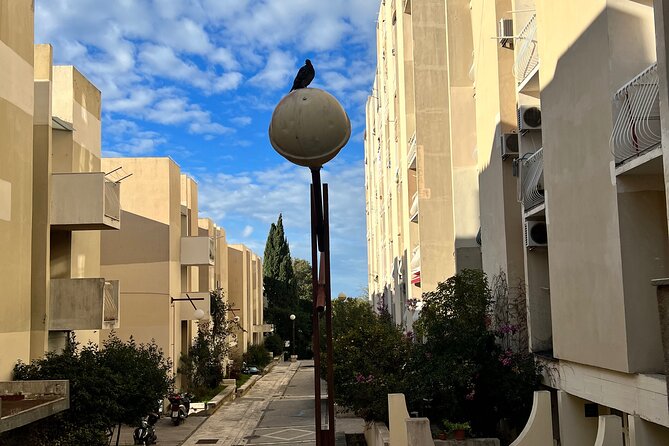
This tour goes beyond pointing. It trains your eye. Here are a few things you’ll likely start noticing as you move through Split’s postwar fabric:
- Clean lines and strong shapes that make the neighborhood feel planned rather than accidental
- Open communal areas where daily life is supposed to happen, not just pass through
- Pedestrian-first thinking, which changes how you experience the city block
- Concrete surfaces with purpose, where texture isn’t the point—use is
- Spatial rhythm: how buildings, paths, and gaps create movement and meeting points
Even if you’re not an architecture nerd, this approach helps. You’ll leave with a better ability to read modern cities, not just admire old ones.
Price and value: what $113.90 buys you
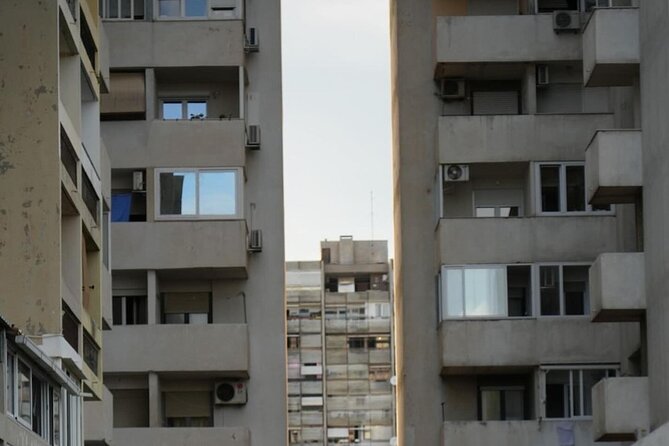
At $113.90 per person, this isn’t the cheapest way to spend time in Split. But it also isn’t trying to be a quick highlight reel. You’re paying for a focused theme: a guided walk through residential Split 3-adjacent areas plus context that ties the local streets to an international conversation about modern planning.
You also get a licensed tourist guide and certified heritage interpreter, and the experience includes visiting the residential area, plus meeting local artists/activists. In a city where many tours stop at the same few landmarks, this one aims at a less visited slice of town with a clear explanation of why it matters.
If you like value based on depth, not speed, you’ll probably feel good about the price. If you want constant big-ticket sights and dramatic monuments, you might decide to put that money elsewhere.
Who should book this tour (and who might skip it)
This is a strong fit if you:
- like modern architecture and want brutalism explained in a human way
- enjoy planning and how cities shape behavior
- want Split without the usual Roman-only storyline
- are curious about how ideology shows up in streets and buildings
You might skip it if you:
- want a mostly sightseeing day with short explanations and frequent photo stops
- dislike walking through residential areas
- expect instant answers with no attention to social context
Practical timing notes so you don’t get stuck
Tours run within a broad date range, with Monday through Thursday from 8:00 AM to 7:00 PM listed for operation. Confirmation happens at booking time, and you’ll use a mobile ticket.
Also, on average this is booked about 12 days in advance, so if you want a specific time window, don’t wait until the last minute. You don’t need perfection—just enough lead time to choose comfortably.
Should you book Secret Split: Socialist Architecture & brutalism – Urban Utopia?
Yes, if you want Split with a brain and a conscience. This tour is for people who like to understand why a city is built the way it is—and what those choices mean for real daily life. You’ll get the concrete-utopia angle, plus a modern human layer through art activism.
No, if you’re only here for the classic postcard circuit. This walk won’t chase that vibe. It will ask you to pay attention to lines, space, and social intent. If that sounds interesting, you’ll probably leave happier than you expect.
If you book, bring curiosity and comfortable shoes. And do yourself a favor: slow down when you see an open space or a pedestrian route. That’s where the whole idea becomes visible.
FAQ
How long is the Secret Split tour?
The experience typically lasts about 1 to 3 hours.
Where does the tour start and end?
It starts at Ul. Šime Ljubića 3, 21000 Split, Croatia, and ends back at the same meeting point.
How much does the tour cost?
The price is $113.90 per person.
Is it a private tour?
Yes. It’s described as private, with only your group participating.
What’s included in the tour?
It includes a tour with a licensed tourist guide and a certified heritage interpreter, visiting the residential area of Split, and meeting local artists/activists.
Is there an entry ticket required for the sights?
The provided information indicates the featured stops are free in terms of admission ticket.
What if I need to cancel?
Free cancellation is available up to 24 hours in advance for a full refund. After that window, refunds aren’t listed as available.