REVIEW · SPLIT
Split City Tour By Electric Rickshaw┃Riva Ride
Book on Viator →Operated by Riva Ride · Bookable on Viator
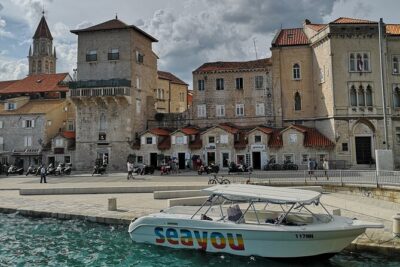
Old town, without the leg burn. This electric rickshaw loop glides through Diocletian’s Palace and the key Roman gates that still shape Split’s streets, with a guide turning stone and street corners into stories. I especially like the easy pacing (you cover a lot fast) and the fact that the major sight stops are built into the ride, not tacked on later. One thing to consider: at about $48.06 per person for roughly 1 hour to 1 hour 20 minutes, it can feel pricey if you’re hoping for a long, multi-neighborhood day.
I also love the people side of this tour. You’re in a private group, and the guides bring real personality—names that often pop up include Toma, Thomas, Michael (Mike the Bike), Blaz, Francis, Jo, and Gabby—so the facts land, but the ride stays fun. If you need extra comfort, the rickshaw can be a good match because you can go where you’d walk but without step-stress; and service animals are allowed. Just keep expectations realistic: this is a highlights-and-views format, not a deep classroom.
In This Review
- Key things to know before you book
- Why an electric rickshaw works so well in Split
- Diocletian’s Palace: the ride-in explanation of Split’s core
- Roman gate sequence: Brass Gate, Golden Gate, and the city’s rhythm
- Prokurative square and the feel of Old Split’s narrow streets
- Grgur Ninski statue: culture, language, and a story you can repeat later
- Eastern (Silver) Gate and the transition out toward views
- Sustipan park: why the 15-minute break feels bigger than it sounds
- How the ride pace helps you actually enjoy the sights
- Price and value: is $48.06 worth it?
- What it’s like to book and plan your day
- Who should book this rickshaw tour, and who might skip it
- Should you book Riva Ride in Split?
- FAQ
- How long is the Split City Tour by Electric Rickshaw?
- Is the tour private or shared?
- Is the tour offered in English?
- Are there admission tickets included for the stops?
- What if the weather is bad?
- Can I cancel for a full refund?
Key things to know before you book

- Electric rickshaw comfort: cover the old town with less walking and easier photo stops.
- Diocletian’s Palace to Roman gates: you pass the Brass Gate and Golden Gate that set the city’s layout.
- Grgur Ninski stop: you’ll hear why Gregory of Nin matters, including the link to the Glagolitic script.
- Sustipan park time: plan on about 15 minutes for shade, space, and harbor views.
- English guide: narration is offered in English, with enough room for questions.
- Private ride: only your group participates, so the pace can fit your needs.
Why an electric rickshaw works so well in Split

Split is one of those cities where the streets feel made for wandering—narrow lanes, sudden viewpoints, and ancient walls right beside cafés. The problem? Walking everywhere can turn sightseeing into a sidewalk workout, especially in warm weather or if you’re moving a bit slower.
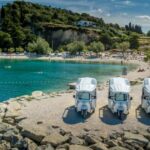
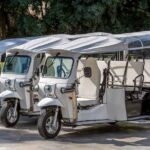
This is where the electric rickshaw earns its keep. You get the best of both worlds: you sit back while the guide steers you past big landmarks, but you still stop often enough to take photos and actually look up at what you’re seeing. Think of it as a fast way to get your bearings in Split’s core, then decide later where you want to return on foot.
The other smart part is timing. Most departures run about an hour to an hour 20 minutes, which is ideal if you’ve got a cruise stop, a short stay, or you want a first-day orientation without locking up half the day. If you’re visiting during a hot stretch, that shorter format plus frequent stops under shade can feel like a small vacation inside your vacation.
You can also read our reviews of more city tours in Split
Diocletian’s Palace: the ride-in explanation of Split’s core

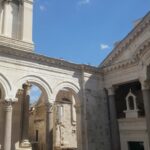
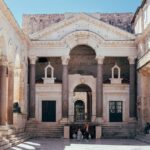
You start with Diocletian’s Palace, and what makes this stop different is how you get the context. Instead of reading a plaque and moving on, you’re driving through the streets tied to the palace’s original purpose. The guide’s stories connect why these buildings look the way they do, and how the palace shaped daily life long after Diocletian’s era.
As you pass the walls and gates, you’ll start to notice something: Split is layered. Even if you know Croatia’s coast from beaches and summer nights, the palace shows a different side—Roman design logic, built-to-last engineering, and the way later generations reused what was already there.
Photo tip: don’t rush the first turns. When you’re seated higher than you would be on a walk, it’s easier to capture a wider angle of stonework and street scale. Take a couple quick shots early, then let yourself focus on listening; the best part here is the guide turning unfamiliar shapes into clear explanations.
Roman gate sequence: Brass Gate, Golden Gate, and the city’s rhythm

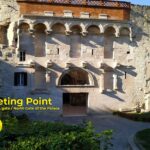
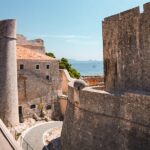
After the palace, you hit the Roman gates that still act like storybook doorways into the old town. One stop focuses on the Brass Gate—the smaller gate among the main entrances—so you understand how people moved into and out of the palace area. Later, you pass the Golden Gate, one of the major gates that helps frame Split’s old-town traffic flow even today.
There’s a nice rhythm to how this works. You don’t get stuck in one spot too long, and you’re not sprinting between far-apart locations. The gates create natural checkpoints for the guide’s narration, so your brain forms a map instead of just collecting random sights.
If your goal is to orient yourself for the rest of your trip, this gate sequence is a strong value. Even after one ride, you’ll recognize street alignments and know roughly which way the old town opens up.
Prokurative square and the feel of Old Split’s narrow streets

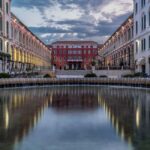
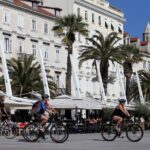
Next comes Prokurative, a central square where the city shows more of its everyday pulse. This stop is brief, but it matters because it shifts you from fortress geometry into a more public, street-level Split. You’ll get the sense of where people gather, where you can browse, and where the energy changes from ancient walls to city life.
Then the ride threads into the narrow streets of Old Split—the kind of lanes you can’t fully understand from photos. From the rickshaw seat, you see how the streets compress, curve, and open in surprising ways. It’s also where the guide’s commentary becomes more than facts; it helps you notice details you’d otherwise miss while trying not to bump into fellow pedestrians.
If it’s hot, this leg is particularly useful. You’re not walking constantly through the thickest lane networks. You’re moving, stopping, and moving again—just enough to keep your attention on what’s in front of you.
Grgur Ninski statue: culture, language, and a story you can repeat later

A standout stop is the statue of Grgur Ninski (Gregory of Nin). This isn’t just a monument for a quick photo. The narration links Gregory of Nin to the advocacy for the Old Slavic language and the Glagolitic folk script, which is a big part of Croatia’s cultural identity.
What I like about this stop is that it adds a human layer to all the Roman architecture you’ve been seeing. Stones and gates explain how the city was built; this statue explains why people fought to keep their own voice.
Practical note: this is one of the places where you’ll likely want a slow look. If you’re the type who enjoys learning a fact you can tell later—like why a statue matters beyond its looks—this is a strong payoff.



Eastern (Silver) Gate and the transition out toward views

You also pass the Eastern (Silver) Gate, a secondary entrance tied to Diocletian’s Palace. It’s a smaller moment than the Golden and Brass gates, but it helps you round out the palace layout instead of just seeing the most famous entrances.
Then the tour moves toward the kind of Split that many people don’t plan time for at first: parks, shade, and wide sightlines. You’ll get that shift in a way that feels natural after the stone-and-streets section.
If you’re curious about the city beyond the compact center, this transition is where the electric rickshaw earns trust. It’s not only transporting you—it’s steering your attention toward a more complete view of Split.
Sustipan park: why the 15-minute break feels bigger than it sounds

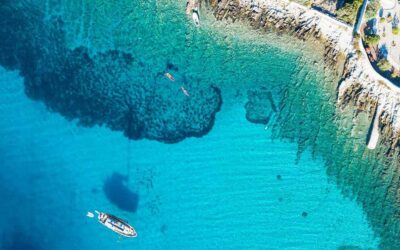
The ride includes Sustipan, a park stop designed for views and a little breathing room. You’re allotted about 15 minutes, which sounds short until you’re standing on the edge of a viewpoint looking back toward the harbor and the city.
This is exactly the kind of stop that makes a highlights tour feel worth it. Without it, you could walk away from Split thinking it’s only stone lanes and busy squares. Sustipan gives you contrast: greenery, shade, and the horizon line that makes the coast feel real.
This is also a great place to cool down. If you’ve been in the sun, that shade time can make the remaining stops feel easy instead of exhausting.
How the ride pace helps you actually enjoy the sights

The best tours are the ones that reduce friction. Here, friction shows up in three ways: heat, crowds, and decision fatigue.
Because you’re in an electric rickshaw, you can:
- See more in less time without feeling like you’re racing.
- Stop for photos without breaking your whole walking rhythm.
- Skip the worst crowd bottlenecks in the old-town core.
Many guides also tailor the storytelling to what you ask. When you point out something like a theatre facade, a street name, or a landmark you’ve heard of, the narration can tighten and become more personal. Names you might meet in English include Michael, Blaz, Francis, and Gabby, and across experiences, the common thread is that the guide treats the ride like a conversation, not a script.
Also, the rickshaw can be a friendlier choice if mobility is limited. One review highlighted how the guide made the tour work even with a handicap, and another mentioned you can go where you can walk but without steps. If stairs are a stress point for you, this is the kind of operator to consider because the vehicle changes what’s possible.
Price and value: is $48.06 worth it?
At $48.06 per person for about 1 hour to 1 hour 20 minutes, this isn’t the cheapest way to sightsee. But the value depends on how you spend your time in Split.
Here’s how I’d judge it:
- If you’re only in Split for a day (or you’re working around cruise schedules), this is often a good way to get oriented fast. One short tour can prevent you from wandering in circles and missing key landmarks.
- If your priority is learning the meaning behind what you’re seeing—Roman gates, Diocletian’s palace layout, Gregory of Nin and Glagolitic—you’re paying for interpretation, not just transportation.
- If you’re the type who enjoys long, slow walking and you already know where you want to go, you might feel the price is high for the time.
A fair compromise: think of this tour as the start of your Split plan. After the ride, you’ll usually know which streets and viewpoints deserve a second visit on foot.
What it’s like to book and plan your day
Booking seems straightforward: you get confirmation at the time of booking, and you’ll use a mobile ticket. Service animals are allowed, and the experience is offered in English.
Weather matters. This tour requires good weather, so if conditions aren’t right, you should expect a different date or a full refund. That’s a simple rule, but it matters if you’re traveling in shoulder season or planning tightly around other activities.
One more practical bonus: it’s described as near public transportation, which can help if you’re not arriving by car or taxi.
Who should book this rickshaw tour, and who might skip it
This tour fits best if you:
- Want a fast introduction to Split’s old town without committing to a long walk.
- Appreciate a guide who explains what you’re seeing at street level.
- Are traveling with kids, older relatives, or anyone who would rather avoid stairs and extended distances.
- Have limited time and want the big landmarks plus a park viewpoint stop.
You might skip it if you:
- Want a full-day exploration with lots of wandering and time for museums.
- Prefer to read on your own and build your route without guided context.
- Are mainly chasing the cheapest transport option instead of value per hour.
Should you book Riva Ride in Split?
If your goal is to understand Split quickly and leave with a clear map in your head, I’d book it. The mix of Diocletian’s Palace, Roman gate stops, the Grgur Ninski cultural anchor, and Sustipan’s viewpoint break is a smart set of priorities for a short visit.
Just go in with the right frame: it’s a compact, story-led ride. If you want a long, self-directed day, you’ll get more freedom by walking. But if you want a smooth start—cooler pacing, better orientation, and stops you can remember—this electric rickshaw tour is a strong choice.
FAQ
How long is the Split City Tour by Electric Rickshaw?
The tour runs about 1 hour to 1 hour 20 minutes.
Is the tour private or shared?
It’s private. Only your group participates.
Is the tour offered in English?
Yes, it is offered in English.
Are there admission tickets included for the stops?
The stop details provided list admission as free for the sights mentioned (including Diocletian’s Palace, Roman gates, and Sustipan).
What if the weather is bad?
This experience requires good weather. If it’s canceled due to poor weather, you’ll be offered a different date or a full refund.
Can I cancel for a full refund?
Yes. You can cancel up to 24 hours in advance for a full refund. Canceling less than 24 hours before the start time isn’t refundable.