REVIEW · SPLIT
Experience Split History Walking Tour With Local Historian
Book on GetYourGuide →Operated by Pomalo · Bookable on GetYourGuide
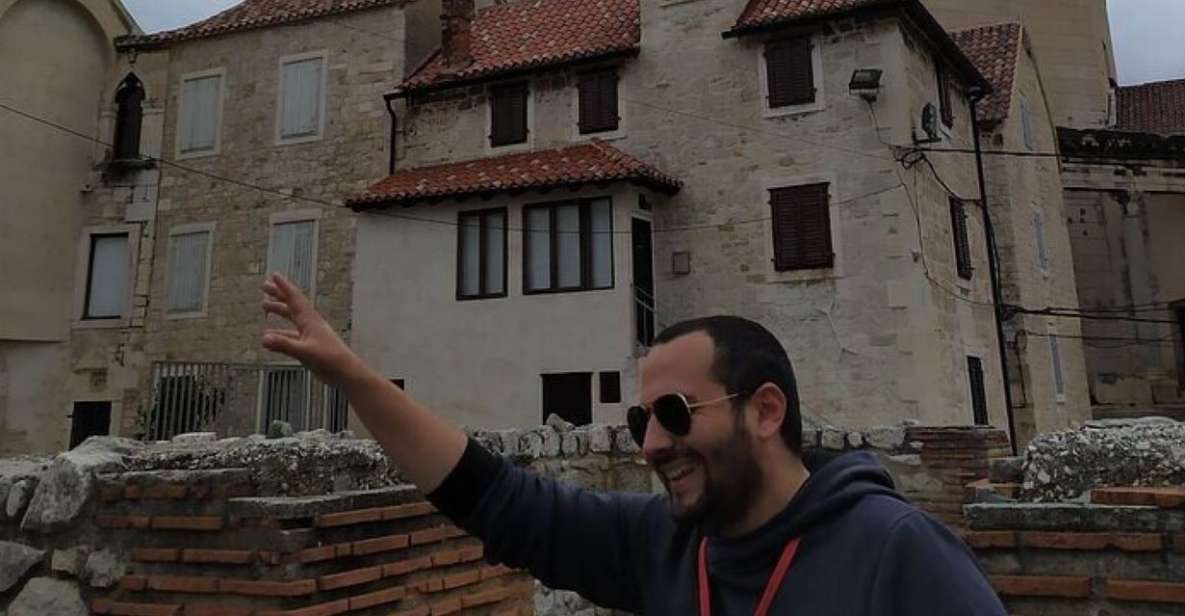
Split’s history is easier when someone points.
This 2-hour walking tour led by a professional historian (local guide with a master’s degree in history) helps you read Diocletian’s Palace like a living place, not just stone. I especially like the See, Hear and Feel style and the way the guide ties Roman planning to Split’s everyday life today. One thing to consider: this is not suitable for wheelchair users and it involves a fair amount of uneven walking.
You start at the famous Golden Gate and end near Narodni trg, with stops that move from big wow moments (Peristyle, Jupiter’s Temple) to smaller “how did I miss that?” details (narrow streets, a lost sphinx head, and a secret garden). The group stays small, capped at 12, and the pacing stays easy enough to enjoy the views rather than just rush from landmark to landmark.
In This Review
- Key Highlights I’d Prioritize
- Why Diocletian’s Palace Feels Different With a Historian
- Golden Gate Start: Where the Tour Sets Its Roman Story
- Gregory of Nin and the Entrance Moment That Makes You Look Twice
- Entering the Palace: Peristyle, Jupiter’s Temple, and the Big Spatial Story
- Mausoleum-Cathedral to the Cathedral of Saint Domnius: How Roman Reels into Medieval
- Diocletian’s Cellars and Substructures: Archaeology Without the Boredom
- Riva Promenade Link to Today: Roman to Modern Without Losing the Thread
- Fruit Square and People’s Square: Two Medieval Corners With Different Personalities
- Narrow Streets, Lost Sphinx Head, and the Secret Garden Moment
- Price and Value for a 2-Hour Split Walk
- Pace, Comfort, and Practical Tips You’ll Be Glad You Know
- Who Should Book This Split History Tour
- Should You Book This Split History Walking Tour?
- FAQ
- What is the duration of the Split History Walking Tour?
- Where does the tour start?
- What are the key sights included in the tour?
- Is the tour skip-the-line?
- What’s included and what’s not included?
- What languages are offered?
- Is this tour suitable for wheelchair users or mobility impairments?
Key Highlights I’d Prioritize
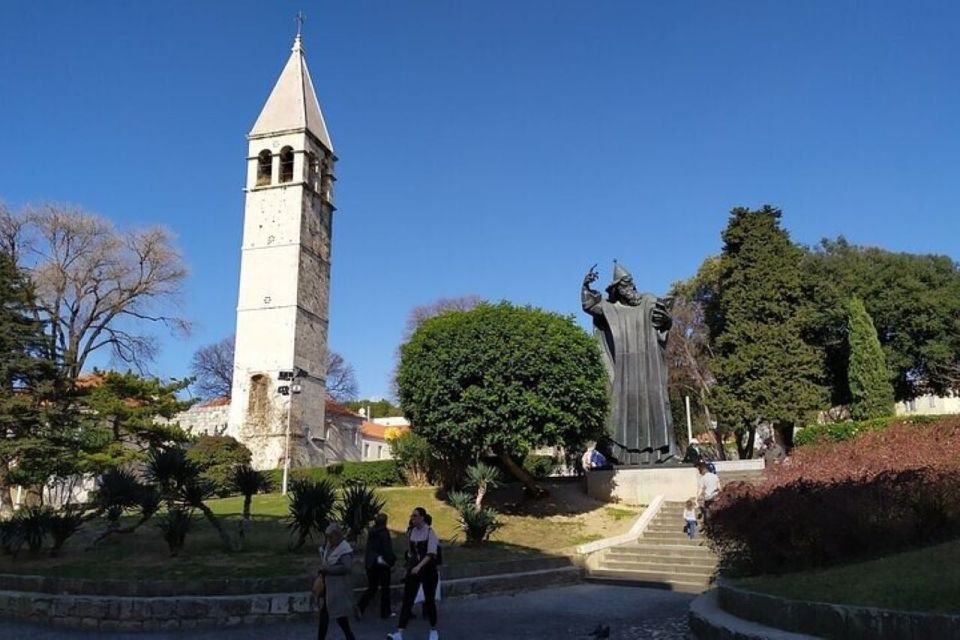
- Golden Gate start with the Roman-style entrance story and the Gregory of Nin orientation moment across the plaza
- Peristyle and monumental palace layout, explained so you understand how the Romans ran daily life inside the walls
- Cathedral of Saint Domnius (Mausoleum-Cathedral) plus palace spaces like Vestibul and Triclinium for the “how it worked” context
- Diocletian’s Cellars/Substructures, where archaeology becomes more than background noise
- Two medieval squares—Fruit Square and People’s Square—used to show how the city evolved after the Romans
- Secret stop energy, including narrow church/street moments, a lost sphinx head, and a garden-like hidden pause
Why Diocletian’s Palace Feels Different With a Historian
Diocletian’s Palace can look like one long “big attraction” until you know what you’re looking at. With a trained historian guiding you, you stop treating it like a backdrop and start treating it like a plan—streets, entrances, ceremonial areas, and the spaces where power lived.
I like that this tour doesn’t only toss facts at you. It uses 3D reconstruction images and pictures so you can picture what stood there before and what changed later. That matters in Split, because the palace is UNESCO-listed, but it’s also still used by real people. You’re not learning history in a museum box. You’re learning it inside a city that keeps going.
You can also read our reviews of more walking tours in Split


Golden Gate Start: Where the Tour Sets Its Roman Story
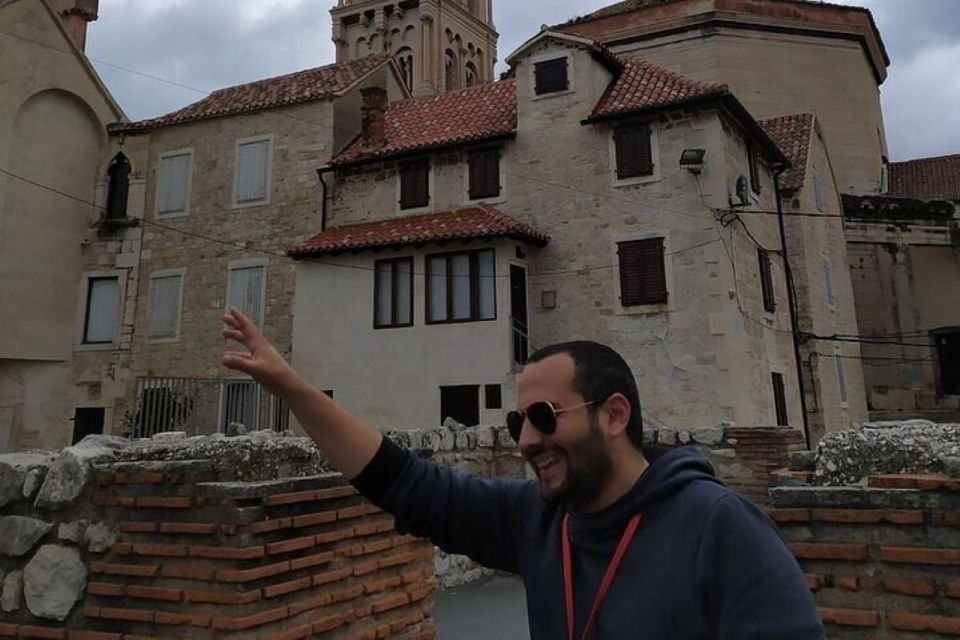
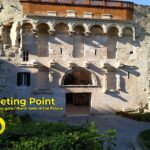
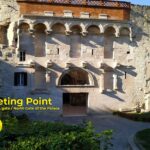
The tour kicks off at Golden Gate, the northern gate of Diocletian’s Palace. It’s a smart start because it’s instantly recognizable, and it frames the whole walk: the guide gives you the purpose of the gate and what it meant to enter the palace as the emperor would.
Across from the meeting point you’ll also see the tall statue of Gregory of Nin (the guide uses it as a key reference point). From there, you get an introduction to the area before you even step deeper into the palace grounds.
If you’re the type who likes “what am I seeing and why does it matter,” you’ll feel set up fast here. You’ll know what the gate is, and you’ll start noticing the palace rhythm as you move.
Gregory of Nin and the Entrance Moment That Makes You Look Twice
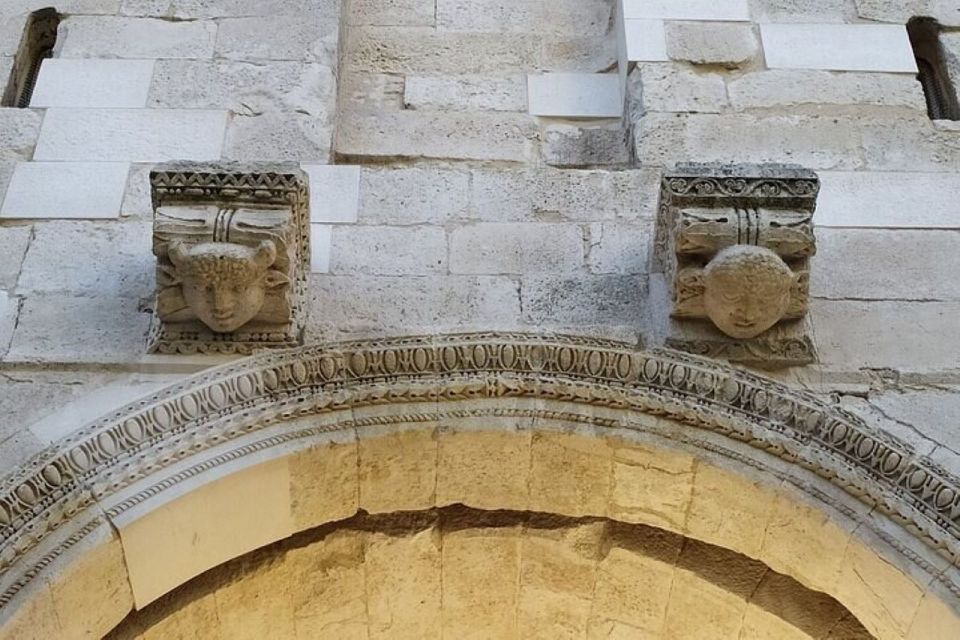
After Golden Gate, the tour pauses again near Gregory of Nin. This isn’t just a statue stop. The guide uses it to anchor the connection between Split’s layers: Roman structures in the foundation, later identities and traditions built on top.
I like this part because it helps you stop asking only, “When was this built?” and start asking, “Who shaped it afterward?” Split’s story isn’t frozen. It’s argued with, repaired, repurposed, and reused.
Short stops like this are part of what keeps a 2-hour tour from feeling like an endurance test. You get focused moments without losing the thread.
Entering the Palace: Peristyle, Jupiter’s Temple, and the Big Spatial Story
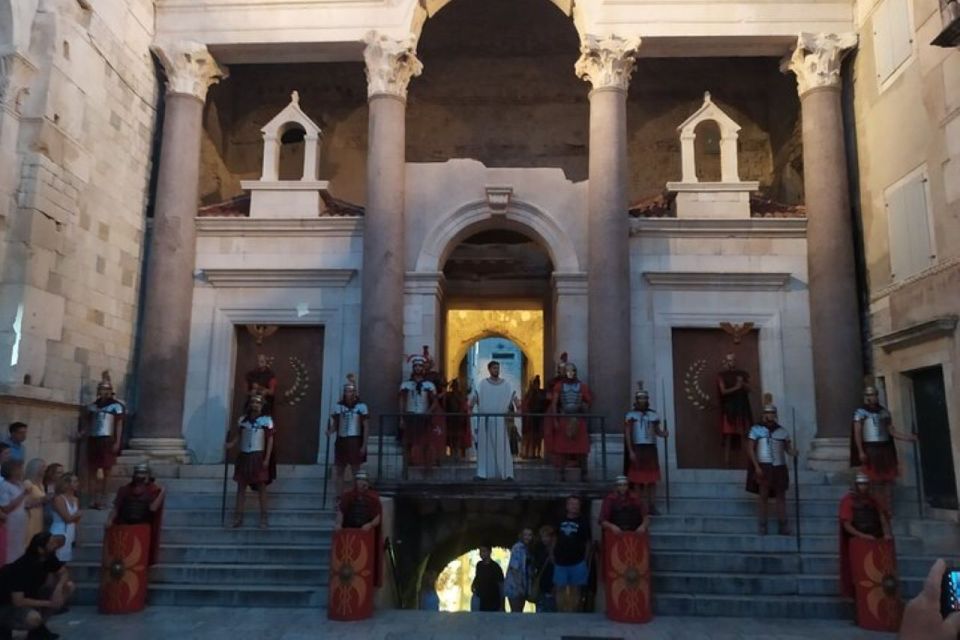
Once you’re in the palace, the tour becomes a guided walk through the architecture’s logic. The palace isn’t just a monument—it’s a set of rooms and spaces arranged to control movement, ceremony, and daily life.
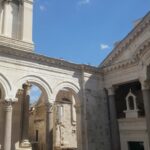
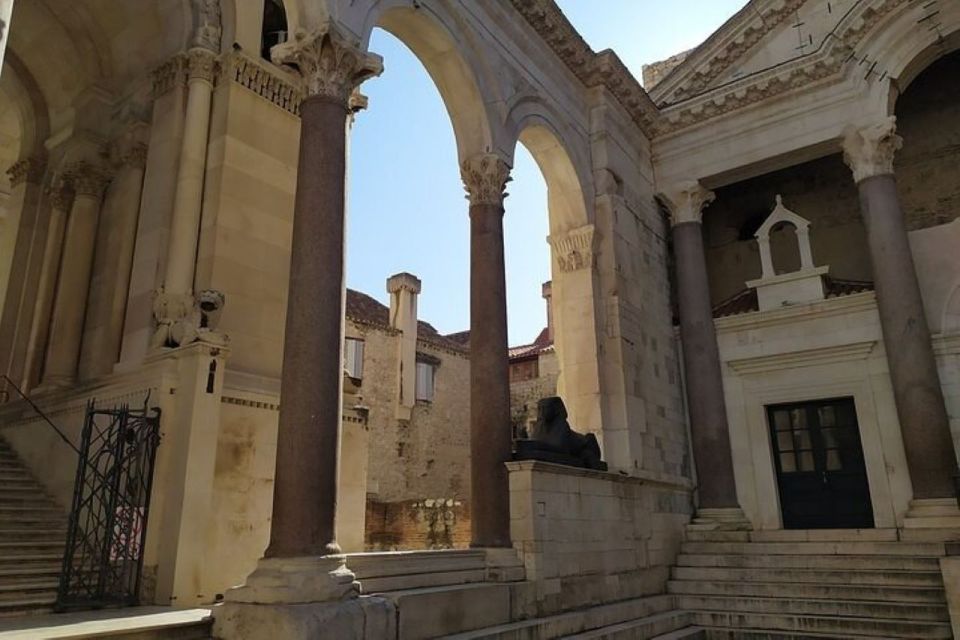
One of the main centers is the Peristyle, the palace’s main square. The guide explains what makes it special and what surrounded it, so it clicks as the palace’s public heart. You’ll spend time looking at how the monumental setting affects the way people gather and walk through space.
From there, you’ll also see Jupiter’s Temple. Even if you know the name, a guided explanation helps you understand how Roman religion and power were tied together—and why it matters when you’re trying to read later changes in the complex.
This is the kind of stop where you’ll notice details you’d normally walk past: alignments, scale, and how certain areas were designed to feel official.
Mausoleum-Cathedral to the Cathedral of Saint Domnius: How Roman Reels into Medieval
A key highlight is the Mausoleum-Cathedral area and the Cathedral of Saint Domnius. The guide connects the dots between the Roman original and what became prominent later. The takeaway is simple: the palace didn’t just get abandoned. It got taken over and repurposed.
You’ll also move through spaces like the Vestibul and other central palace interiors (you may hear about Triclinium, the dining space). This is where the tour earns its I-understand-now feeling, because the guide gives you context for what these areas were meant for—then you stand there and see the shape of that intention.
If you’re worried this will be too academic, don’t. The historian approach here stays tied to how spaces function. It’s less textbook and more “look at this room and picture the life.”
You can also read our reviews of more historical tours in Split





Diocletian’s Cellars and Substructures: Archaeology Without the Boredom
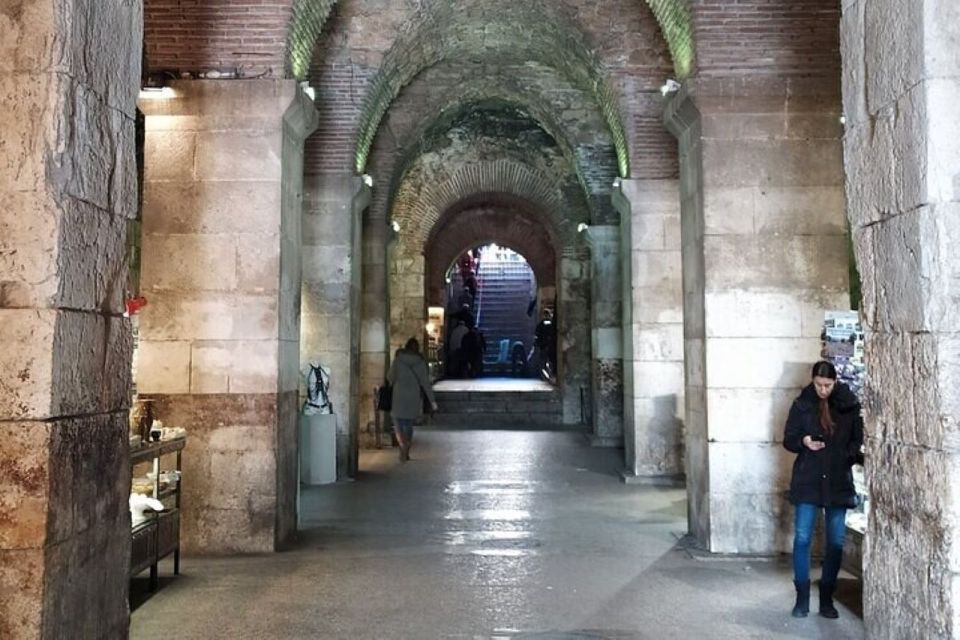
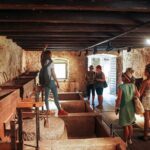
You’ll also get to Diocletian’s Cellars, part of the Central Substructures. This is one of the most valuable stops because cellars and under-palace areas often feel like “extras” on unguided visits. Guided, they become the working engine behind daily operations—storage, access, and the practical side of the palace.
The guide’s use of visuals helps you understand what you might not immediately see. And one of the nicest things about the tour is that it doesn’t treat archaeology as finished. You’ll learn that Split is still researching and making parts of the archaeology more accessible to the public, which gives the sites a current-day relevance.
I found that comforting. It turns “ruins” into “a living project,” not a closed chapter.
Riva Promenade Link to Today: Roman to Modern Without Losing the Thread
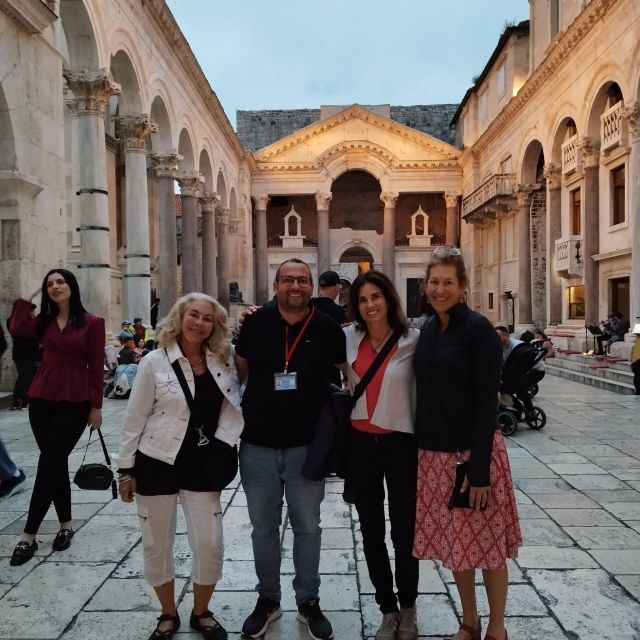
After the palace interiors, the tour shifts tone toward everyday Split. You’ll reach the Riva promenade, where the guide explains the connection between the Roman layout and later city life.
This section matters because it helps you stop thinking of the palace as an isolated island. Split grew around it. People live in the same general gravitational pull: movement, views, gathering places, and the flow of visitors and locals.
You’ll get a chance to “feel the pace” of the city rather than only study stone. If you’ve been staring at Roman architecture for an hour, this reset is exactly what you want.
Fruit Square and People’s Square: Two Medieval Corners With Different Personalities
The final stretch leans into medieval Split through two squares: Fruit Square and People’s Square.
What I like about these stops is that they’re not just pretty scenery. The guide talks about what these squares hid in their architecture and how they were used through the centuries. Squares are where public life happens, so they’re perfect for understanding how a city reshapes itself after the original power structure changes.
Fruit Square can feel like a functional, everyday piece of the city. People’s Square tends to feel more civic. Together, they give you a clearer sense of how Split’s social life shifted over time—and how locals still use space in ways that reflect those layers.
Narrow Streets, Lost Sphinx Head, and the Secret Garden Moment
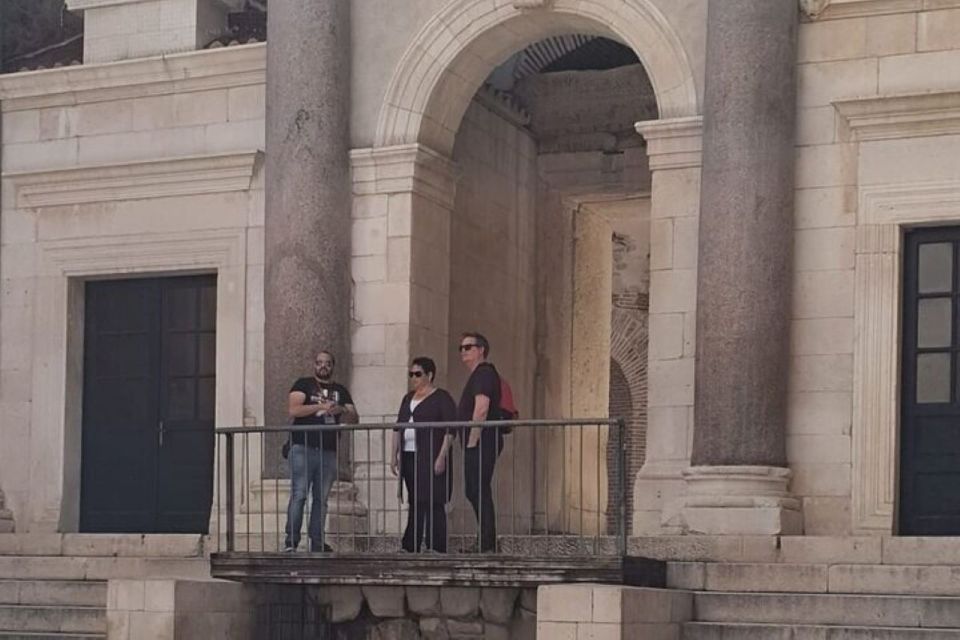
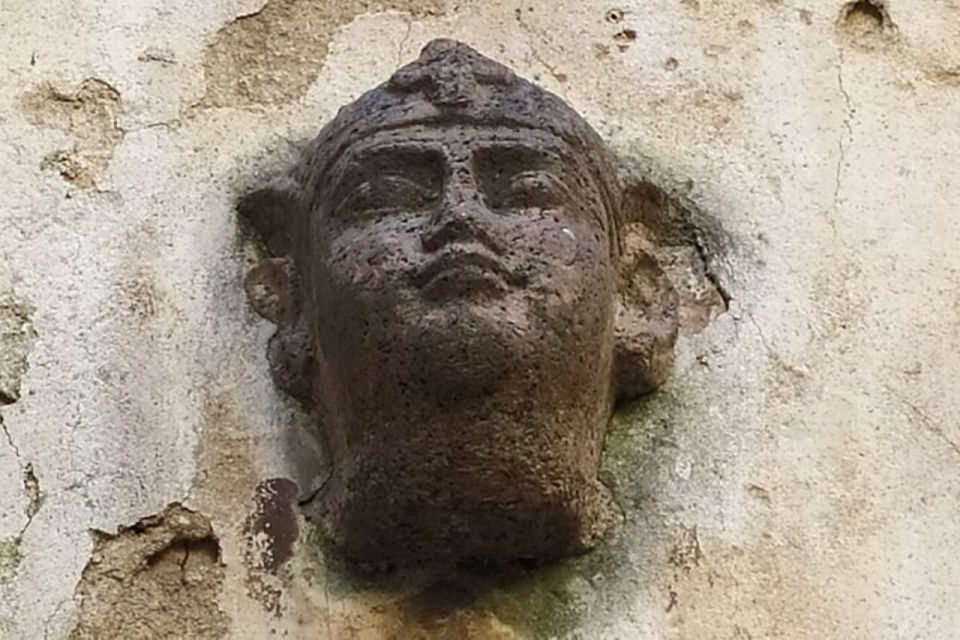
The most fun part of any walking tour is the stuff you’d miss alone. This one includes a secret stop with small, quick hits: the narrowest church, the narrowest street, a lost sphinx head, and a secret garden.
Even if you’re not a “big ruins person,” you’ll probably enjoy this segment because it’s visual storytelling. The guide directs your attention, points out what looks insignificant until you know the reason it matters, and helps you build a mental map of the Old Town’s quirks.
And yes—this kind of stop also keeps the pace from turning repetitive. Instead of another “another doorway, another wall,” you get surprise again.
Price and Value for a 2-Hour Split Walk
At $37 per person for 2 hours, this tour sits in a reasonable sweet spot—especially because it includes more than a basic guide.
What you’re paying for:
- A licensed local guide who also has a master’s degree in history
- 3D reconstruction images and pictures, which make the hardest-to-imagine parts easier
- Skip-the-line support for key entries (so your time stays on the story)
Is it expensive compared to wandering on your own? Sure. But Diocletian’s Palace is not a place where self-guiding automatically turns into understanding. If you want the “why” behind the entrances, axes, and ceremonial areas, a historian saves you the guessing.
Also, the tour stays capped at 12 people, which tends to mean you can actually ask questions and get real responses. In my book, that improves value because you’re not stuck listening while the guide handles a crowd.
Pace, Comfort, and Practical Tips You’ll Be Glad You Know
This is a walking tour. You’ll want comfortable shoes and water or a hat/cap on sunny days. The meeting point and most stops are in historic stone zones, so wear what you’d wear for real city walking, not pretty-sandal optimism.
If you’re dealing with mobility limits, take the “not suitable for wheelchair users” note seriously. Uneven surfaces and tight spaces are part of what makes the hidden corners interesting, but it also makes the tour hard to navigate.
Who Should Book This Split History Tour
I’d recommend this if you:
- Want to understand Diocletian’s Palace beyond photos
- Like architecture explanations grounded in real life
- Enjoy smaller details—narrow streets, small corners, and oddities like a lost sphinx head
- Prefer a small group experience where questions are welcomed
I’d skip it if you:
- Want mostly panoramic views with minimal walking
- Need step-free access
- Plan to spend more time inside specific sites later and prefer total independence (a self-guided route can work if you’re comfortable doing your own research)
Should You Book This Split History Walking Tour?
If your goal is to leave Split with real understanding—not just a stamp of UNESCO—this is a strong pick. The combination of palace power (Peristyle, temples, cathedral spaces), under-palace function (cellars and substructures), and the modern/medieval bridge (Riva plus Fruit and People’s squares) gives you a rounded view in only 2 hours.
I’d book it especially if you’re the kind of traveler who enjoys when a guide turns hard-to-visualize history into something you can picture. The small-group size, the historian-led approach, and the question-friendly vibe make it a practical way to get your bearings quickly and still feel like you explored something real.
FAQ
What is the duration of the Split History Walking Tour?
The tour lasts 2 hours.
Where does the tour start?
The meeting point is at Golden Gate (the northern gate of Diocletian’s Palace), opposite the eight-meter-high statue of Gregory of Nin.
What are the key sights included in the tour?
You’ll visit Diocletian’s Palace (including Peristil, Jupiter’s Temple, Cathedral of Saint Domnius, Vestibul, and Diocletian’s Cellars/Substructures) and also stop at Riva promenade, Fruit Square, and People’s Square.
Is the tour skip-the-line?
Yes. Skip the ticket line is included.
What’s included and what’s not included?
Included: a local professional guide with a master’s degree in history and 3D reconstruction images and pictures. Not included: food and drinks, and hotel pickup and drop-off.
What languages are offered?
The tour is available in English and Croatian.
Is this tour suitable for wheelchair users or mobility impairments?
No. It is listed as not suitable for people with mobility impairments and not for wheelchair users.