REVIEW · SPLIT
Split: History and Heritage Walking Tour
Book on GetYourGuide →Operated by Ancient Tours Split · Bookable on GetYourGuide
Split’s old stones have stories, and this walk explains them. This History and Heritage Walking Tour takes you through the UNESCO-protected world of Diocletian’s Palace, then keeps going into the layered city that followed—Romanesque churches, medieval fortifications, and Gothic palaces. Two things I really like: you get a clear, story-driven timeline (from Diocletian’s rise to later eras), and you’re not wandering alone—you’re guided so the details click fast. One consideration: the walking is continuous, it runs in all weather, and it may be less comfortable if you have high blood pressure or hearing challenges.
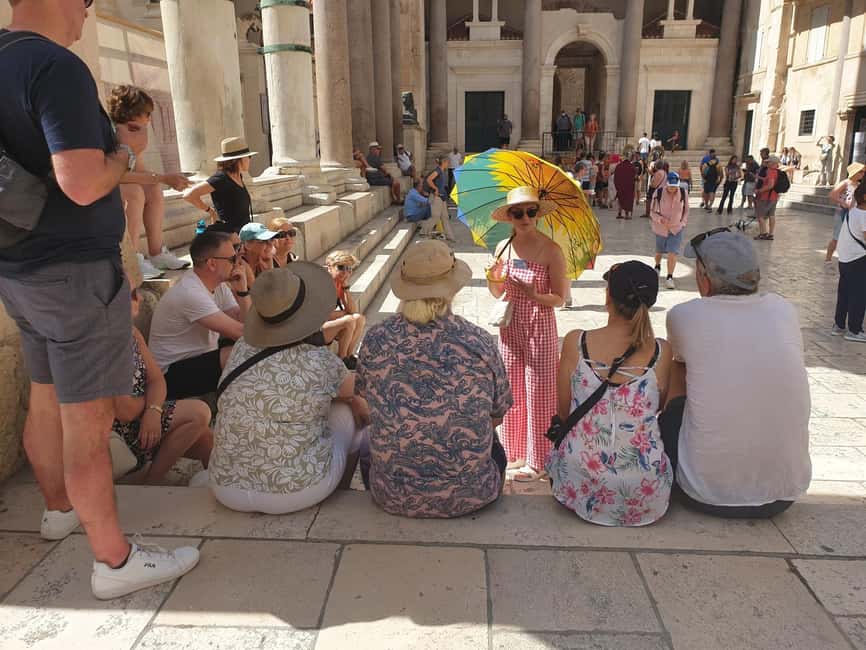
I also like that it starts right where the atmosphere is thickest: Peristil Square under the old Roman arch, with a guide in a yellow T-shirt or yellow umbrella. Reviews specifically call out guides such as Antonela (Antonella) and Nikolas for making the history feel like a living script, not a textbook. The only “watch out” I’d flag is that even with a small-group label, some tours can run close to 30 people, which can slow the flow when crowds thicken.
In This Review
- Key Highlights at a Glance
- Peristil Square Start: The Fastest Way to Get Oriented
- Inside Diocletian’s Palace: 1,700 Years in One Walking Loop
- Romanesque Churches: When Rome’s Style Changes but Doesn’t Vanish
- Medieval Fortifications: Reading the City’s Defensive Mindset
- Gothic Palaces: The City Grows Up (Without Forgetting the Past)
- Game of Thrones Bonus Stops: Fun Extra, Not the Main Course
- How the Guide Changes Everything: Licensed, Energetic, and Built for Questions
- What You’ll Actually See: Roman, Medieval, Gothic, and Modern Life Side by Side
- Practical Tips That Make the Walk Easier (and More Comfortable)
- Value Check: Does $18 Buy a Real Experience?
- Should You Book This Split History and Heritage Tour?
- FAQ
- Where does the tour start and end?
- What should I bring?
- What is the price, and what’s included?
- Is admission or food included?
- Does the tour run in bad weather?
- How long does the tour last?
- What languages are available?
Key Highlights at a Glance
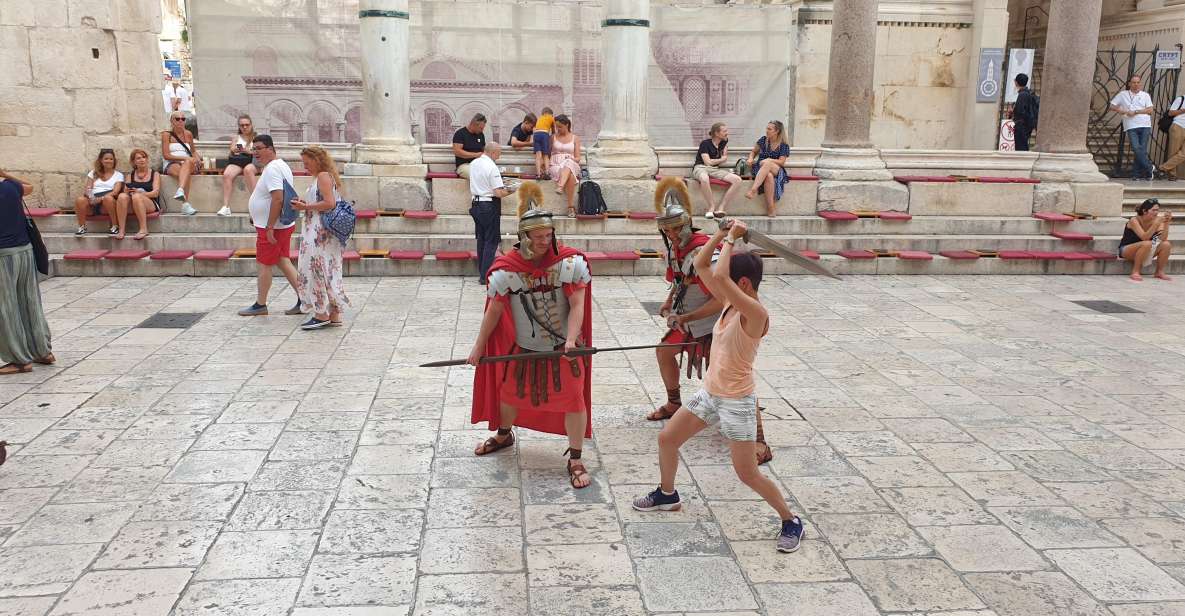
- UNESCO Diocletian’s Palace by foot: You’ll see how a Roman ruler’s home shaped Split for centuries.
- Clear storytelling across 1,700 years: From Diocletian’s power grab to the city you see today.
- Romanesque to Gothic to medieval layers: You don’t just look at buildings; you learn what changed and why.
- Game of Thrones bonus stops: Extra nods for fans who want a second layer of fun.
- Licensed guides and lots of questions: Reviews highlight guides like Antonela and Nikolas for keeping things engaging.
Peristil Square Start: The Fastest Way to Get Oriented
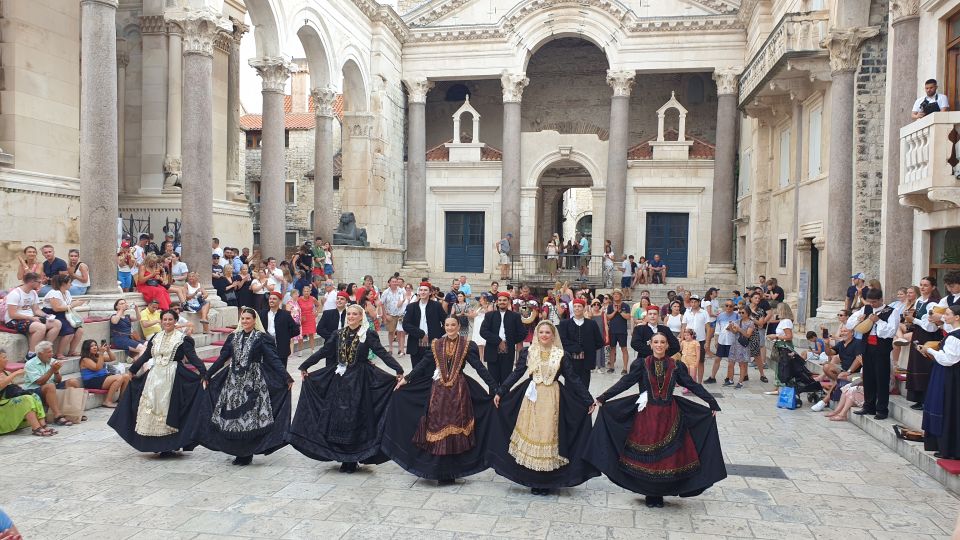
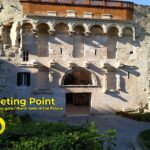
Your tour begins at Peristil Square, under an old Roman arch on the north side of the square, next to the Tourist Information Office. The guide will be easy to spot: look for a yellow T-shirt or a yellow umbrella. That matters more than you might think. Split’s center can feel like a maze, and starting in the middle of Diocletian’s palace zone gives you immediate context for everything you’ll see later.
From the start, you’re not just walking from one landmark to the next. You’re building a mental map: where the Roman complex sat, how it was laid out, and why the city later grew into and around it. I like this approach because it prevents that common history-tour problem where you leave with facts but no geography. Here, the route helps you anchor the story to real space.
Also, the tour runs in all weather, so plan like a local: bring what you need to stay comfortable rather than hoping for perfect conditions. You’ll want comfortable shoes first, a hat for sun or rain protection, and clothes that handle the day.
You can also read our reviews of more walking tours in Split



Inside Diocletian’s Palace: 1,700 Years in One Walking Loop
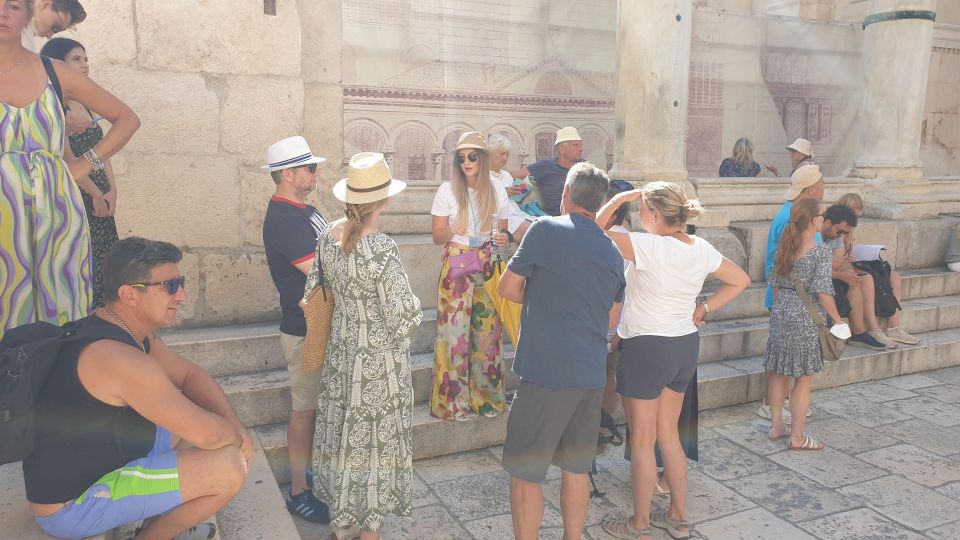
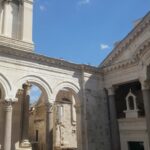
The core of the experience is the UNESCO-protected Palace of Diocletian. This is a rare kind of “ancient site” because it’s not a museum you visit and leave. It’s a living foundation. Roman architecture still frames daily life, and you’ll see that mixture of old stone and present-day city life as you walk through the palace complex.
What I’d focus on here is the way the guide explains how the palace used to function. The tour is designed to answer the big question: what did this place look like when it was new, and what remains in front of you now? Diocletian’s palace is often described in bold numbers (like the 1700-year mark), but the more useful part is the human story the guide ties to those stones. You’ll hear how Diocletian went from a nobody to the most powerful man in the world—and how that kind of power shows up in an emperor’s built environment.
One big win: the guide doesn’t treat the palace as a collection of cool ruins. You learn how a Roman palace could shape movement, trade, and daily routines long after the empire changed. That’s the difference between seeing old walls and understanding why Split developed the way it did.
A small note from a practical standpoint: you’ll be walking through areas that can get crowded, especially in peak seasons. Pace is usually fine, but if you’re sensitive to stopping-and-starting, keep your expectations flexible. One review mentioned waiting when the group was close to 30 people, so it’s worth factoring in the reality of narrow streets and busier moments.
Romanesque Churches: When Rome’s Style Changes but Doesn’t Vanish
After the Roman core, the tour shifts into the religious and architectural layers that followed. You’ll see Romanesque churches, and the point isn’t just that they look older or different. It’s how architectural style signals time, politics, and local identity.
In a place like Split, it’s tempting to think of the story as Rome, then everything else. This tour pushes back on that oversimplification by showing continuity and change. Romanesque elements help you understand how the city’s spiritual centers and community spaces evolved while still carrying Roman influence in the background.
If you enjoy “how did they build it, and why does it look like that?” questions, this part of the walk is where the tour feels most satisfying. The buildings you pass are physical evidence of a city that kept redefining itself without ever fully resetting.
Medieval Fortifications: Reading the City’s Defensive Mindset
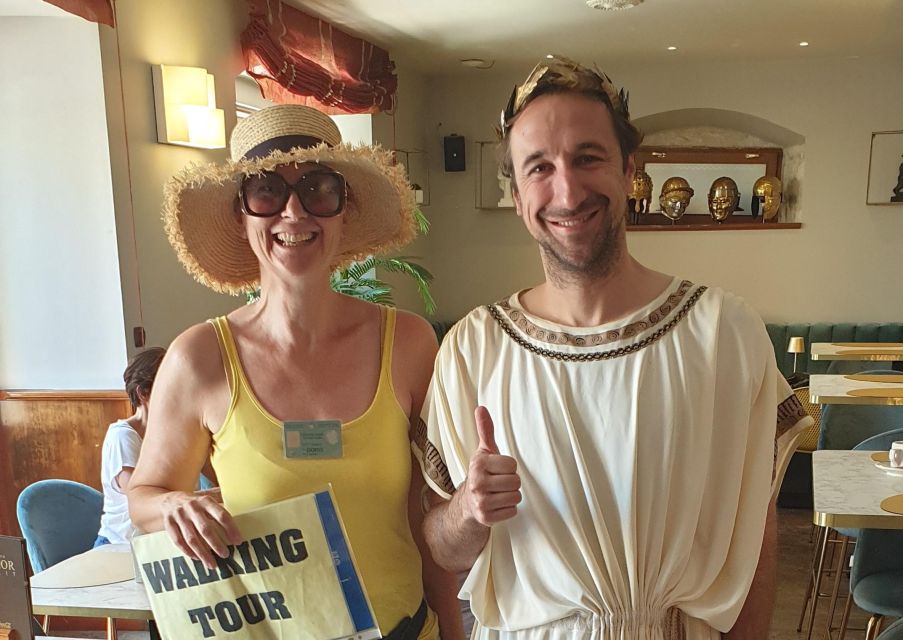
Next comes medieval fortifications, and this section gives you a different kind of history lesson. Roman power was about command and order. Medieval defenses are about survival and control at street level.
This is also where you start noticing why Split’s core looks the way it does. Fortifications don’t sit randomly. They shape where people can move, where structures cluster, and what streets feel protected versus exposed. A good guide turns that into a practical understanding, so you don’t just see stone walls. You grasp the logic behind them.
In interviews and conversations I’ve had with history-minded travelers, one complaint comes up: too many walking tours treat fortifications like background scenery. Here, the fortifications are part of the narrative engine. They help explain how the palace area stayed important and how the city’s priorities shifted over time.
Gothic Palaces: The City Grows Up (Without Forgetting the Past)
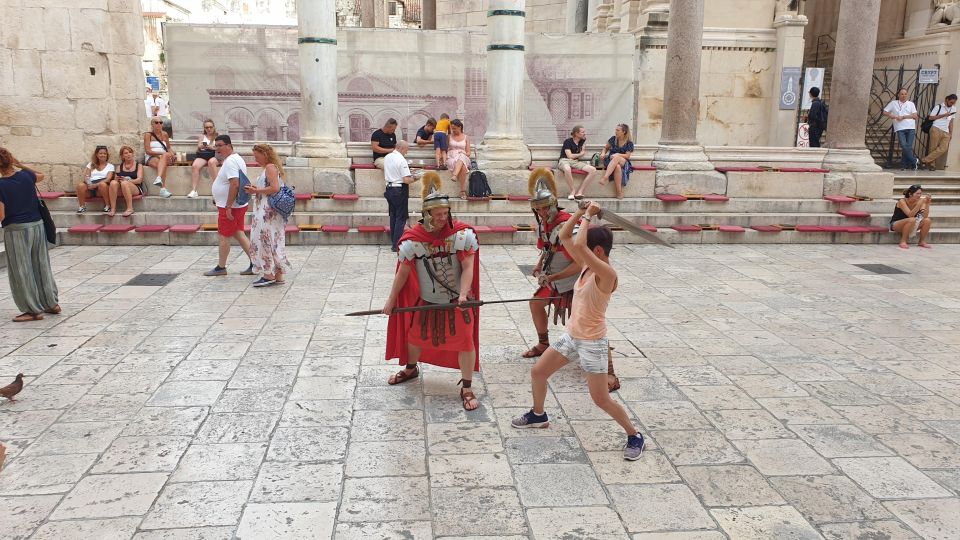
Then the walk moves into the era of Gothic palaces. This is the moment when Split starts to feel less like an “ancient site” and more like a layered city with shifting tastes. Gothic architecture often signals a change in cultural influence and in the wealth or civic identity of the time.
What I like about including Gothic palaces in this route is that it gives you visible contrast. Roman stone feels solid and direct. Gothic style can feel taller, more “art-forward,” and more connected to the later European world. When your guide connects those design choices to the city’s evolving story, you end up with a cleaner timeline in your head.
This is also where it helps to have a guide who can keep explanations lively. Reviews consistently highlight guides who tell the story like a storyteller, not a lecturer. Names that pop up in feedback include Antonela (Antonella) and Nikolas, with many comments praising enthusiasm and clear pacing. That kind of delivery matters, because Gothic details can be easy to miss if you’re simply scanning for the next photo.
You can also read our reviews of more historical tours in Split




Game of Thrones Bonus Stops: Fun Extra, Not the Main Course
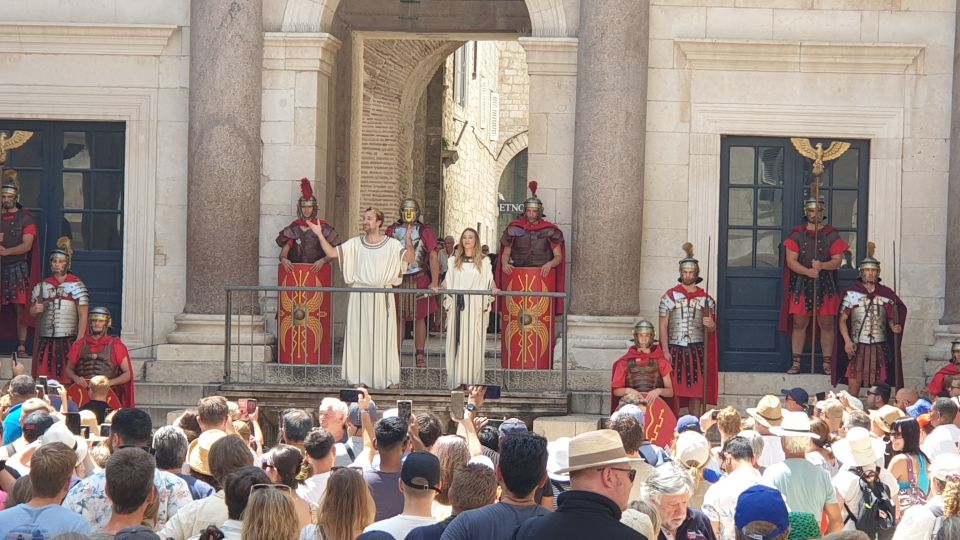
If you’re a Game of Thrones fan, you’ll appreciate that the tour includes bonus locations tied to filming. The key is that these moments are not a replacement for the real history. They’re added spice.
I find that kind of bonus works best when it stays short and uses the show as a hook to get you looking harder at the real place. Even if you know only a few scenes, you’ll still come away understanding how a modern pop-culture spotlight has fallen on older architecture.
It’s also useful if you’re traveling with someone who’s less history-focused. The show references can act like “short breaks” in the timeline, without turning the tour into a theme park.
How the Guide Changes Everything: Licensed, Energetic, and Built for Questions
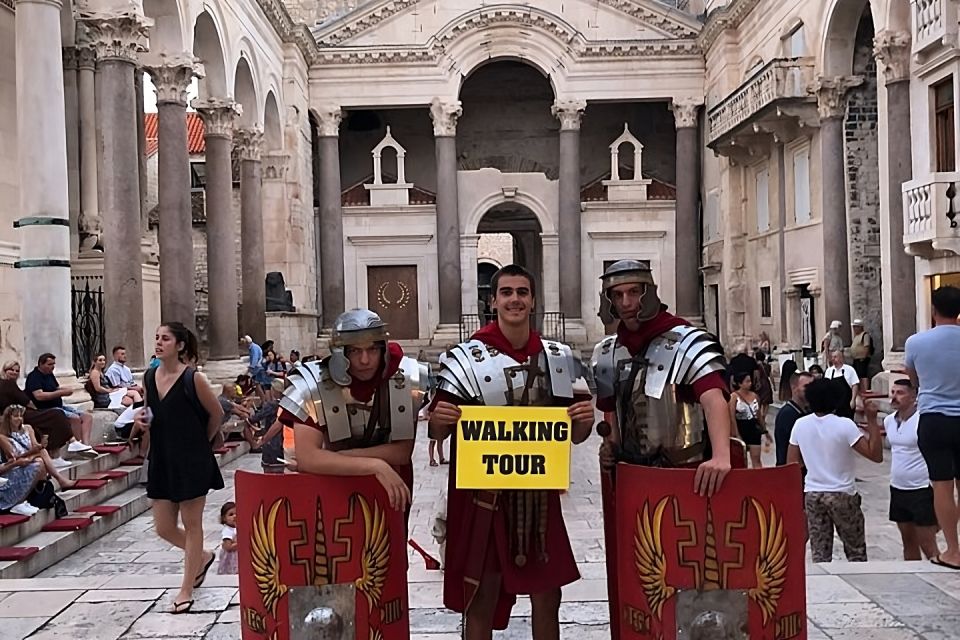
The tour runs with licensed guides. Reviews repeatedly mention a few specific guide qualities: storytelling that keeps people engaged, explanations that connect the dots, and time kept at a good pace.
Two named examples show up often: Antonela (Antonella) and Nikolas. Some reviews also mention Doris and others by name. What stays consistent is the impression that the guide is not reading facts off a page. They’re explaining why the facts matter in the places you’re standing.
One practical detail I’d recommend: bring questions. This kind of tour works best when you treat it like a conversation with a local. If you’re the type who always asks why a building looks the way it does, this is a good fit.
Group size is the one variable that might affect the experience. The tour is described as small-group, but one review noted a group of nearly 30 people, which can slow your momentum in crowds. If you’re trying to stay on a tight schedule, arrive with the understanding that the route is popular and you may need a little patience.
What You’ll Actually See: Roman, Medieval, Gothic, and Modern Life Side by Side
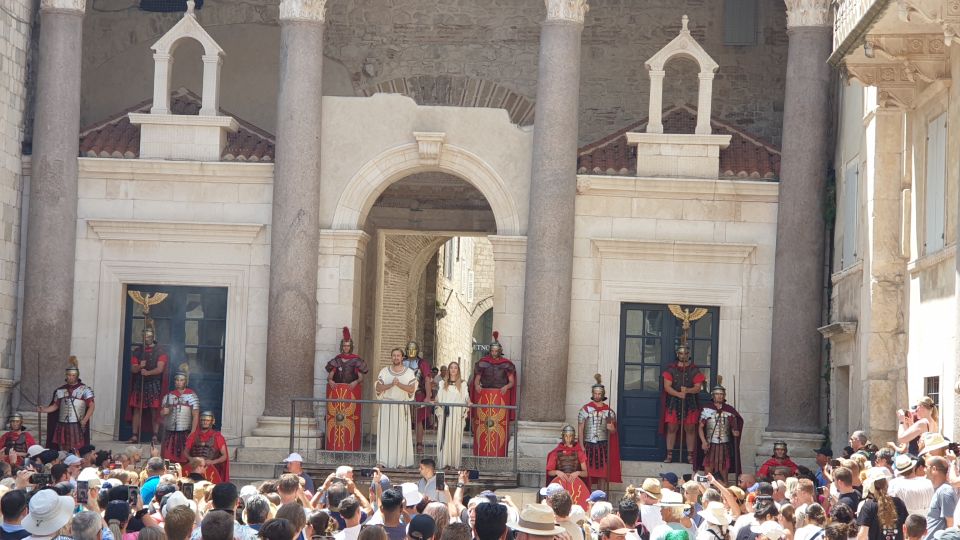
This is a walking tour in a compact area, so you’ll get that special “everything is close” feeling that Split does well. You’ll move through a unique combo of:
- Fantastically preserved Roman architecture
- Medieval buildings and fortification logic
- Gothic palaces
- Modern shops and city life inside the historic framework
That last point is underrated. Split doesn’t feel staged. You’ll notice how people live inside an ancient layout, how streets and passageways still follow older logic, and how the city’s commercial life uses the Roman skeleton.
That’s why I think the tour works well as a first activity in Split. It gives your later self-guided wandering meaning. After you understand what you’re looking at, every corner becomes a clue instead of random stone.
Practical Tips That Make the Walk Easier (and More Comfortable)
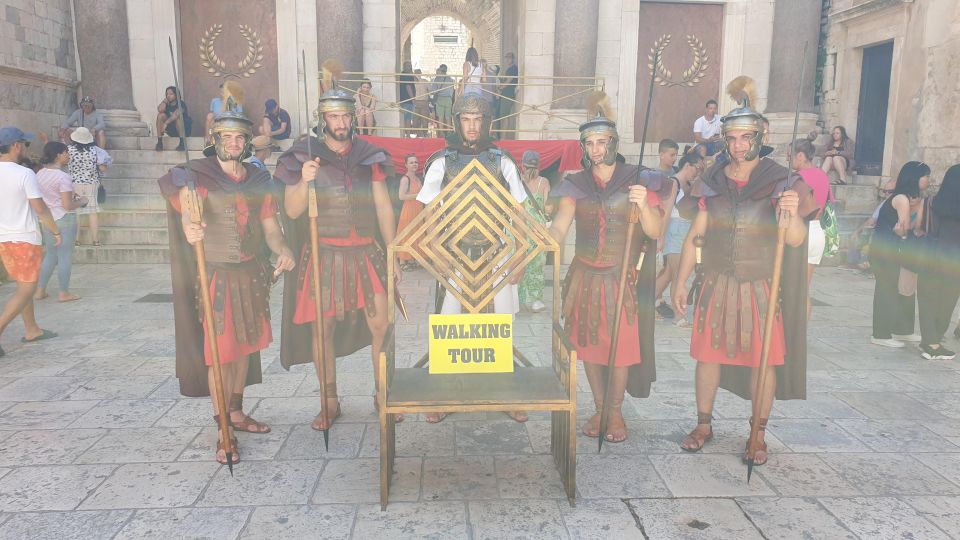
This is where preparation pays off. Since the tour happens in rain or sun, don’t plan to “tough it out.” Bring:
- Comfortable shoes (expect uneven or old-stone surfaces)
- A hat for sun and for weather protection
- Comfortable clothes you can move in
Not allowed: costumes. That’s likely to prevent distractions and keep things respectful around heritage areas.
Language options are Russian, English, German, and French. If you want the cleanest experience for listening, pick the language you’re most comfortable hearing.
Two limits are explicitly stated:
- Not suitable for people with high blood pressure
- Not suitable for hearing-impaired people
If any of those apply to you, I’d treat that as a firm guideline, not a suggestion.
Value Check: Does $18 Buy a Real Experience?
At $18 per person, this tour is priced like a strong “first day in Split” value. It includes a small-group walking tour and a tour guide. It does not include hotel pickup/drop-off, admissions, or food and drinks.
So the question becomes: are you paying for time with a guide, and do you get enough return? Based on the structure—Roman palace core plus churches, fortifications, Gothic sites, and Game of Thrones bonus stops—yes. You’re buying context and interpretation for a compact area that would take most visitors longer to decode on their own.
For me, the best value in any history tour is when you leave with a timeline that makes sense in your head. Here, the tour covers Roman origins through later influences, with a clear narrative arc (including Diocletian’s rise). That kind of mental organization is exactly what turns expensive-ticket “sight visits” into something worth the day.
If you’re someone who likes to skim guidebooks and then move on, you might find the storytelling style less useful. But if you want explanations that help you read Split rather than just photograph it, this feels like a smart buy.
Should You Book This Split History and Heritage Tour?
Book it if you want the fastest route to understanding why Split looks the way it does, starting inside Diocletian’s UNESCO palace and moving through Romanesque, medieval, and Gothic layers. It’s also a great pick if you have limited time—some reviewers even say it works well as a first activity because it gives you a base for the rest of your day.
Consider skipping or choosing a different format if:
- You need minimal walking due to health limits like high blood pressure
- You rely on hearing and this format is not suitable for you
- You dislike group dynamics and are especially bothered by crowds and waiting times
If you fit the first group, you’ll likely find this tour does what it promises: it turns old stone into a story you can actually follow, and it does it with guides who clearly enjoy sharing the past in a way that doesn’t feel heavy.
FAQ
Where does the tour start and end?
It starts at Peristil Square, under the old Roman arch on the north part of Peristyle Square next to the Tourist Information Office. The tour ends back at the same meeting point.
What should I bring?
Bring comfortable shoes, a hat, and comfortable clothes.
What is the price, and what’s included?
The price is $18 per person. Included are the small-group walking tour and a tour guide.
Is admission or food included?
No. Admission tickets, food, and drinks are not included.
Does the tour run in bad weather?
Yes. The tour takes place no matter the weather (rain, sun, etc.).
How long does the tour last?
The duration isn’t provided in the information I have. It’s a walking tour of the historic complex and returns to the meeting point.
What languages are available?
The tour is available in Russian, English, German, and French.