REVIEW · SPLIT
Split & Diocletian Palace Historical Walking Tour
Book on Viator →Operated by Ancient Tours · Bookable on Viator
When history is built into your feet, you learn fast. This Diocletian’s Palace historical walk turns Split’s top landmarks into a clear story, from palace planning to everyday life. I especially like how the route is compact and photo-friendly, plus how you’ll get your bearings at the palace’s “hub” area before moving outward.
Two things I’m drawn to are the small group option (up to 5) and the steady pace that keeps explanations tied to what you can actually see in front of you. The tour also works well if you’re short on time, since it packs major palace spaces plus waterfront views into about 90 minutes.
One drawback to consider: a couple of the most famous stops may involve additional paid entry, so read carefully and plan for small extras if you want everything.
In This Review
- Key highlights to know before you go
- Diocletian’s Palace: the quickest way to understand Split
- Price, timing, and group size: what $156.17 buys you
- Your 90-minute route starts at Peristil ulica
- Peristyle and substructures: where the palace makes sense
- Waterfront context at Riva Harbor and the meaning of Fruit’s Square
- A Roman temple and the vertical mix of eras
- The emperor’s entrance: vestibule and Triklinij
- Gregory of Nin, the Golden Gate, and the language story
- Riva Harbor again: the bronze model moment
- The best way to enjoy it (and avoid common disappointments)
- Who should book this walking tour
- Should you book the Split & Diocletian Palace Historical Walking Tour?
- FAQ
- How long is the Split & Diocletian Palace Historical Walking Tour?
- Where does the tour start?
- Is the tour offered in English?
- What’s the maximum group size?
- Are admission tickets included for all stops?
- Is the substructures museum part visited?
- Are there morning and afternoon departures?
- Is free cancellation available?
Key highlights to know before you go
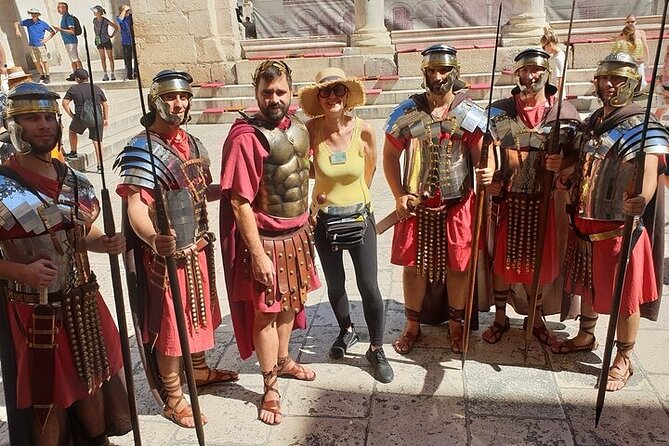
- Peristyle first, so the palace layout finally clicks
- Substructures visit focuses on construction and function, not the museum
- Riva Harbor and Fruit’s Square give context beyond the stone
- You’ll see Gregory of Nin and learn why he matters for language
- Golden Gate and one Riva Harbor feature are ticketed separately
Diocletian’s Palace: the quickest way to understand Split
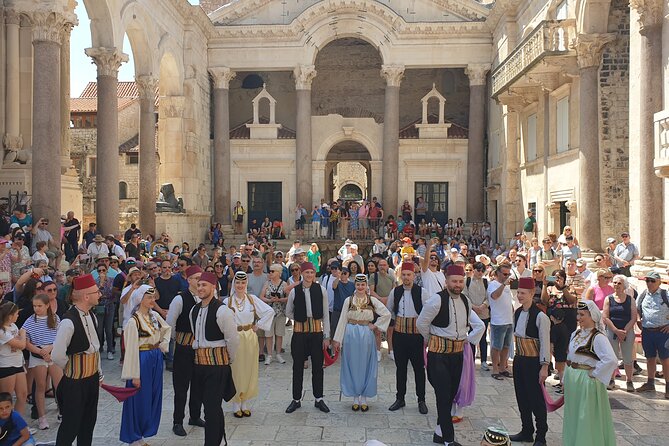
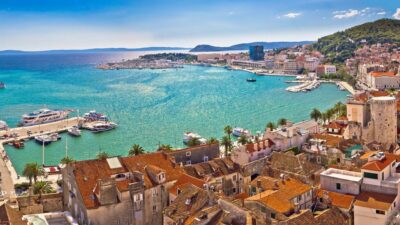
Split feels like a city built in layers, and Diocletian’s Palace is the reason. Even if you only have a day or two, this walk helps you connect the dots: palace design, Roman power, later Venetian influence, and the everyday city that grew inside.
What makes this tour practical is that it doesn’t treat the palace like a single monument. You move through spaces that each had a role—public areas, private emperor zones, and passages that show how the building worked. After you finish, you’ll stop seeing random walls and start seeing a plan.
You can also read our reviews of more walking tours in Split



Price, timing, and group size: what $156.17 buys you
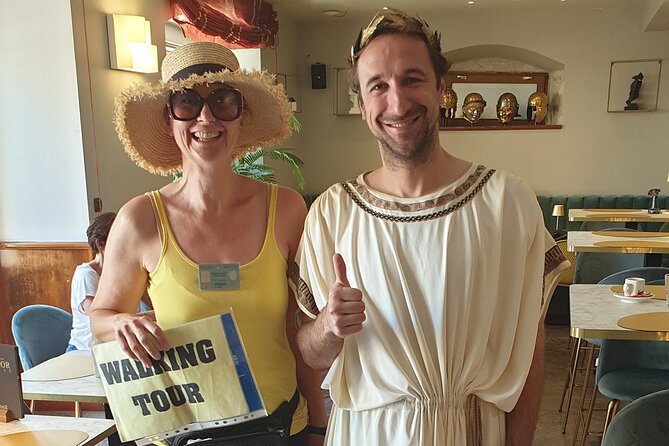
The price is $156.17 per person for an experience that lasts about 1 hour 30 minutes. That sounds like a chunk until you look at the structure: you’re paying for an educated guide who can connect architecture to real meaning, and you’re getting a tight route that avoids dead-ends.
Here’s where the value gets better: you can choose a Small group tour (max 5) or a Regular tour (max 20). In a palace like this, small-group sizing matters because you’ll be standing in narrow corridors and along key viewpoints. With five people, you’re more likely to hear directions clearly and get answers instead of listening from the back.
Also, you’ll get a mobile ticket. That’s a small thing, but it keeps your day smoother—especially in a place where multiple stops have different entry rules.
Your 90-minute route starts at Peristil ulica
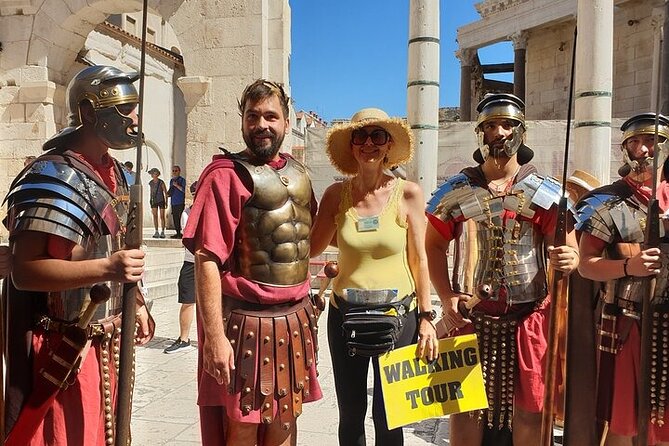
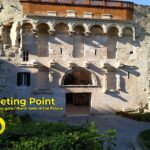
The tour begins back at Peristil ul., 21000, Split. From there, you’ll walk a compact loop through the palace core and around the nearby waterfront areas, ending back near the start.
Timing-wise, it’s built for people who want orientation without turning the day into a marathon. Morning and afternoon tours are available, which is great if you’re trying to match the pace to your schedule.
This is a walking tour, so wear comfortable shoes. You’ll spend time standing in doorways, courtyards, and tight corridors where good footing helps you enjoy the details instead of watching your steps.
Peristyle and substructures: where the palace makes sense
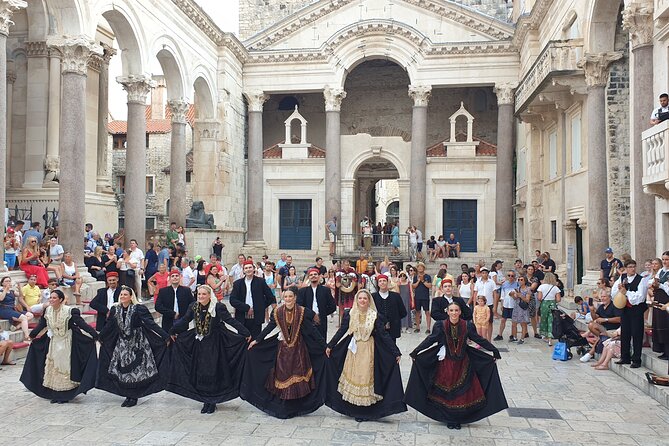
You start at the Peristyle, the central square of Diocletian’s Palace. This is a smart first stop because it’s the kind of place where the whole layout starts to feel logical. From here you can reach a lot of other key areas, so the guide can map the palace in your mind before you go deeper.
A big plus: this portion is free entry. That means you can focus on the explanation and on photos up close—especially if you want strong angles of the palace stonework without paying extra for the first look.
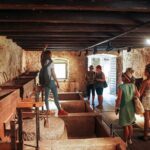
Next comes the Diocletian Palace substructures. You’ll go through the central hallway and learn about the foundations of the palace and how they were used. One important detail: you won’t visit the museum part of the substructures on the tour, and you can visit that separately afterward if you want.
If you’re the type who likes understanding how buildings work, this section is where it pays off. Instead of skipping straight to the “pretty” parts, you see the underlying structure that shaped everything above.
Waterfront context at Riva Harbor and the meaning of Fruit’s Square
After the palace interior, you shift toward views that connect Split to the sea. At Riva Harbor, you’ll learn about the waterfront and the south wall of the palace. Even if you’ve seen photos of Riva already, hearing how the palace relates to the harbor makes the view feel less random and more intentional.
Admission is free for these stops, so you don’t have to worry about surprise ticketing to enjoy the setting and the perspective.
Then you’ll stop at Fruit’s Square (Trg Brace Radic). This is a short moment, but it matters because it’s tied to the area’s older Venetian layer. You’ll also see the sculpture of Marko Marulić, which helps anchor the story in local identity rather than only imperial architecture.
You can also read our reviews of more historical tours in Split




A Roman temple and the vertical mix of eras
One stop includes the last remaining ancient Roman temple in the palace. It’s brief, but it’s the kind of detail that makes the palace feel truly alive—Roman sacred space surviving inside a complex that later generations transformed.
Right after that, you’ll also see major later-era layers. There’s a 15th-century Venetian palace that is now used as the City museum, and you’ll also visit the cathedral located in the mausoleum of Emperor Diocletian.
This mix of eras is one of the tour’s strengths. Split isn’t one period—it’s a sequence. Seeing Roman, Venetian, and the later religious center in one walking flow helps you understand how the same physical space kept getting repurposed.
The emperor’s entrance: vestibule and Triklinij
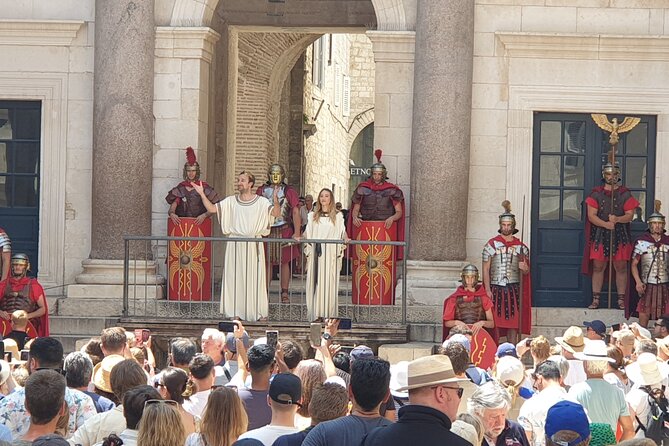
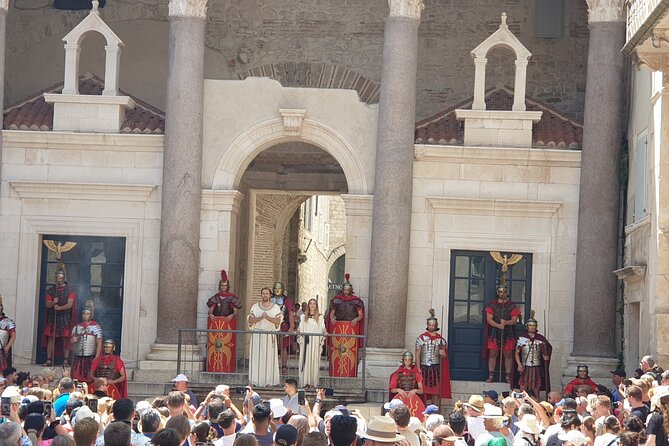
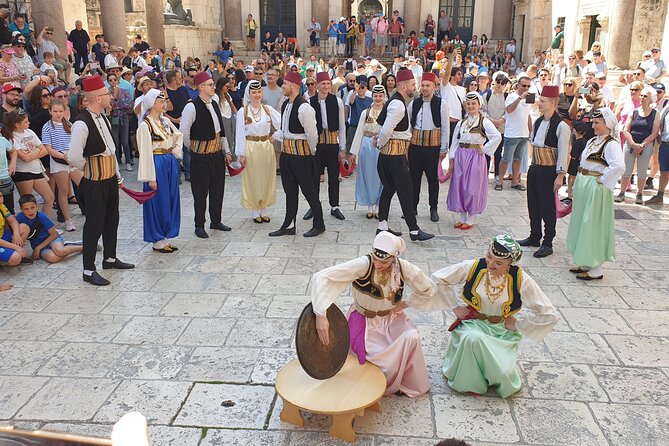
Next up is the Vestibulum of Diocletian’s Palace, the entrance hall connected to Diocletian’s personal quarters. You’ll learn about the vestibule’s history and, potentially, hear traditional Dalmatian singing. That’s not something you can guarantee on any walking tour, but the possibility adds a memorable human note to all the stone facts.
This is another free stop, so it’s easy to enjoy without extra costs.
Then you’ll reach Triklinij, the remains of Diocletian’s personal walkway and dining hall, with part of it reconstructed. This section helps you picture what “private life” inside the palace might have meant—where movement and meals happened, and how the emperor’s spaces were separated from the public.
If you tend to learn best by visualizing daily routines, Triklinij is a highlight. You get the sense that the palace wasn’t just power and monuments—it was also built for living and hosting.
Gregory of Nin, the Golden Gate, and the language story
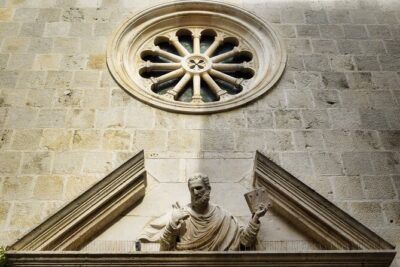
When you get to Grgur Ninski (Gregory of Nin) Statue, it connects the palace to Croatian identity in a direct way. The statue was made by Meštrović, and it stands in front of the north gate of Diocletian’s Palace. The guide explains Gregory’s importance to Croatian history and language, which is a nice change from purely architectural talking points.
Right after that is the Golden Gate, the main entrance of the palace. This is one place to plan ahead: the admission is not included, so you may need a separate ticket depending on what you want to see inside or at the entry point.
Still, even if the Golden Gate portion is ticketed for entry, the learning about why it functions as a main entrance makes the photos feel more meaningful. You’ll know what you’re looking at, not just where you’re standing.
Riva Harbor again: the bronze model moment
The tour includes another stop connected to Riva Harbor, with a chance to see a bronze model of Diocletian’s Palace. This is one of those “it finally clicked” moments for many people, because a model turns all that walking into a simple visual map.
Just like the Golden Gate, this stop notes admission not included. If you care about models and indoor features, budget a little extra so you’re not stuck outside when you’re ready to look.
Even if you only get exterior viewpoints, this wrap-up still works. You’ll return to the idea that the palace isn’t sealed off—it shaped the city’s shoreline and public spaces.
The best way to enjoy it (and avoid common disappointments)
This tour shines when you want structure. You’re guided through key spaces in a logical order, starting at the Peristyle and moving toward gates, private areas, and harbor context. If you’ve ever visited Diocletian’s Palace and felt like you were wandering, this route is designed to prevent that.
Based on what I’d expect from a high-rated small-group experience, the guide storytelling is a big part of the payoff. One clear positive from recent visitors is how the guide filled the walk with interesting facts and stories, including for evening departures. If you’re thinking about time of day, an evening tour can feel especially good for photos and atmosphere.
The main potential snag is sound and pacing. Some past participants found that the presenter wasn’t speaking loudly enough and sometimes turned away from the group, which made it harder to hear. If you know you rely on audio, choose the side of the group where you can best see and hear.
Another consideration: some of the more interesting elements can require extra entry. This isn’t unusual for a palace complex that mixes free viewpoints with ticketed sights. If you want everything included in one price, you may feel frustrated. My advice is simple: decide what you most want—Roman temple moment, emperor spaces, Golden Gate access, or the model—and check which parts are ticketed.
Who should book this walking tour
This is a strong choice if:
- you want orientation fast in Split’s palace core
- you like architecture explained in plain language
- you’re traveling with limited time and want the “top sights” route without missing the plot
- you’d benefit from a small group (max 5) rather than a bigger crowd
It might not be ideal if you want a long, sit-down museum-style visit of interiors only. The substructures museum part is specifically not included, and you’ll see several sights that may require extra admission.
Should you book the Split & Diocletian Palace Historical Walking Tour?
If your goal is to leave Split with a working understanding of how Diocletian’s Palace shaped the city, I’d book it. The route is organized around the palace’s key zones, and the free-entry structure means you’re getting a lot of value without constant ticket decisions.
The group-size option is a big reason to lean in. With up to five people, you’re more likely to get your questions answered and enjoy the details instead of shouting to be heard. Just go in knowing that a couple of the headline entries (like the Golden Gate and the Riva Harbor feature with the bronze model) are marked as not included, so plan for small add-ons if those are your priorities.
If you like walking tours that teach you how to read what you’re seeing, this one fits your style.
FAQ
How long is the Split & Diocletian Palace Historical Walking Tour?
It lasts about 1 hour 30 minutes.
Where does the tour start?
The meeting point is Peristil ul., 21000, Split, Croatia.
Is the tour offered in English?
Yes, it’s offered in English.
What’s the maximum group size?
You can choose a Regular tour with a maximum of 20 people or a Small group tour with a maximum of 5 people.
Are admission tickets included for all stops?
Many stops are listed as free entry, but some parts are marked as admission not included, such as the Golden Gate and a Riva Harbor feature with a bronze model.
Is the substructures museum part visited?
No. The tour goes through the substructures for key information, but it does not visit the museum part. You can visit the museum afterward.
Are there morning and afternoon departures?
Yes, morning and afternoon tours are available.
Is free cancellation available?
Yes. You can cancel for a full refund up to 24 hours in advance of the experience start time.