REVIEW · SPLIT
Split: Olive museum Klis with Olive Oil Tasting
Book on GetYourGuide →Operated by Stella Mediterranea d.o.o. · Bookable on GetYourGuide
A stop at Stella Croatica turns olive oil into something you can actually taste and judge. You’ll start on a traditional family estate, then walk through a botanical collection and an award-nominated Olive Oil Museum, before finishing with an interactive extra-virgin tasting. I like that the tour is hands-on, not just museum looking. I also like that you sample two different extra virgin oils and learn how to recognize quality for real-world buying.
One thing to consider: some of the museum portion feels more like an indoor lesson than an outdoor olive-viewing experience, so if you’re hoping to wander actual olive fields on-site, adjust your expectations.
In This Review
- Key Things I’d Put on Your Must-Do List
- Stella Croatica: An Olive Oil Lesson You’ll Actually Use
- Getting Oriented and Meeting Your Host
- The Factory Stop: Traditional Products, Real Processes
- Essential Oils and Natural Cosmetics: Herbs Become Practical
- The Botanical Collection: 500 Species Worth Slowing Down For
- Entering the Olive Oil Museum: Croatia’s Liquid Gold
- The Concept Store and Factory-Price Shopping
- The Extra Virgin Oil Tasting Workshop: Learn Like a Taster
- Included Tastings: Sweets and Natural Cosmetics
- Exploring the Park After the Workshop
- What You’re Really Getting for $18
- Who This Tour Fits Best (and Who Might Skip It)
- Should You Book Stella Croatica and Olive Oil Tasting?
- FAQ
- How much does the Split olive museum and olive oil tasting cost?
- What’s included in the tour?
- What language is the guided tour in?
- Are food and drinks allowed during the activity?
- Can I record video during the tour?
- Does the experience allow flexible booking and late payment?
Key Things I’d Put on Your Must-Do List
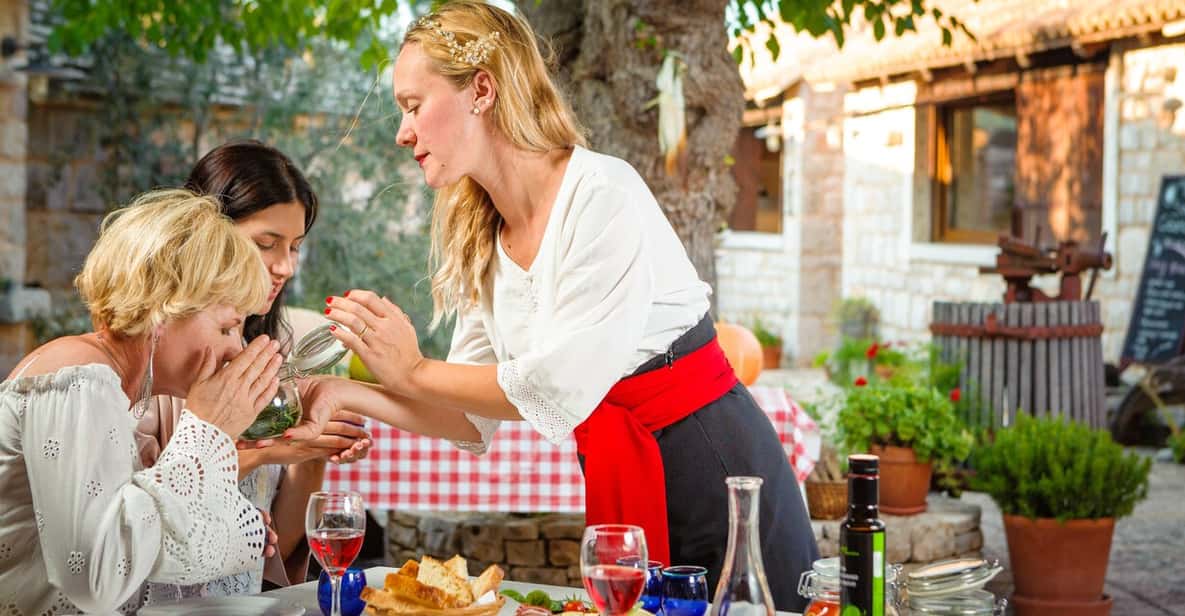
- Stella Croatica family-estate tour with traditional products made from figs, almonds, oranges, and lavender
- 500-species botanical collection where you connect herbs to everyday uses
- Olive Oil Museum focused on Croatia’s Liquid Gold, including its European Museum of the Year finalist status for 2023
- Interactive extra-virgin training that helps you spot quality
- Taste two extra virgin oils and compare them like a pro
- Sweets tasting plus natural cosmetics testing, with a shop where you can buy under factory prices
Stella Croatica: An Olive Oil Lesson You’ll Actually Use
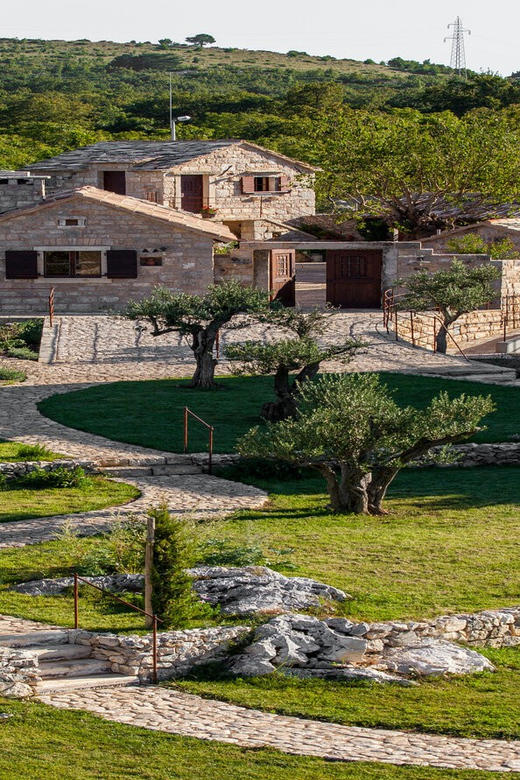
If you’ve ever stood in an olive oil aisle and wondered what all the labels really mean, this experience is built for you. At Stella Croatica, you don’t just get facts. You get a guided flow from traditional production to herbs and essential oils, then into the Olive Oil Museum, and finally into a tasting where you practice identifying extra virgin olive oil quality.
I like how the whole thing feels like a working estate. You’re learning where products come from, not just looking at exhibits. I also like that the tasting is structured like a skill-building workshop: you’re guided through recognition first, then you taste two labeled extra virgin oils and compare.
For $18 per person, it’s one of those add-on experiences that can genuinely change what you buy back home. You leave with a sharper nose and a clearer sense of what to look for. One possible downside: the site’s museum experience is very indoor and educational, so don’t expect a full outdoor olive farm vibe right at the visitor area.
You can also read our reviews of more food & drink experiences in Split

Getting Oriented and Meeting Your Host
You start at Stella Croatica by following signs from the main road, heading into the main building, and waiting for your host. The format is simple: you meet the guide, then the day unfolds in an orderly sequence. That matters more than it sounds. When a tour moves in phases like this, you spend less time figuring out where to go and more time paying attention to what’s being explained.
Also note the house rules. Food and drinks aren’t allowed during the experience, and video recording isn’t allowed. If you want photos, plan on doing them only where permitted and keep your phone away during the tasting portion so you can focus.
The Factory Stop: Traditional Products, Real Processes
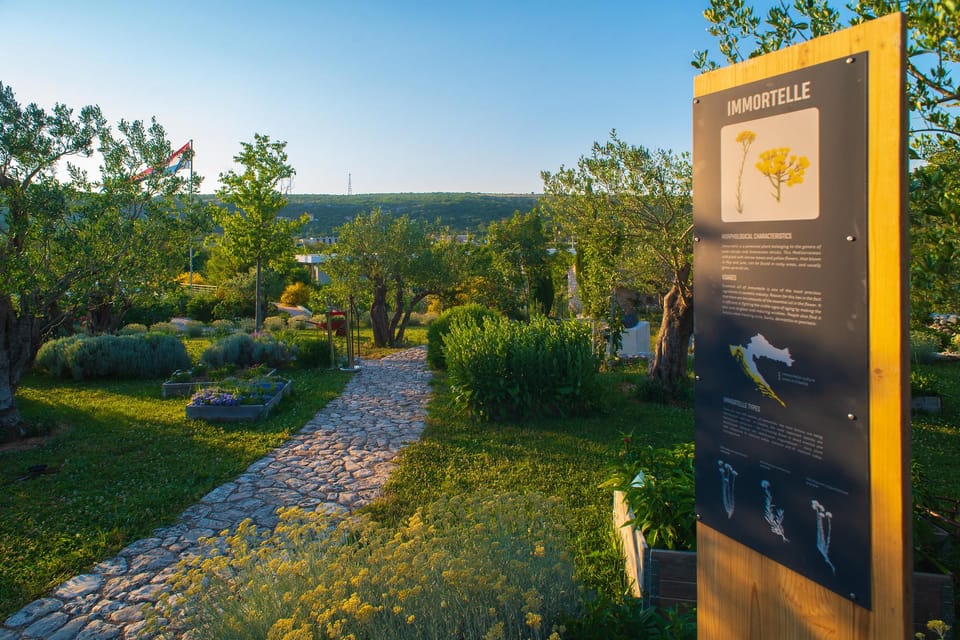
Before you even hit the museum, you’ll see how local ladies produce and pack traditional products. The focus here isn’t just “here’s what they make.” It’s how ingredients turn into items you can recognize later.
You’ll learn about products made from figs, almonds, oranges, and lavender. That mix is very Dalmatian in spirit: fruit-forward sweetness, nutty depth, and aromatic herbs. Watch closely because it gives you a sense of the estate’s logic. Everything ties back to plants, extraction, and use—then that same idea carries into the olive oil and cosmetics parts later.
If you like tours that feel like you’re standing in the middle of everyday production, this section delivers. It’s practical. It’s visual. And it sets the tone: plants aren’t background here; they’re the point.
Essential Oils and Natural Cosmetics: Herbs Become Practical
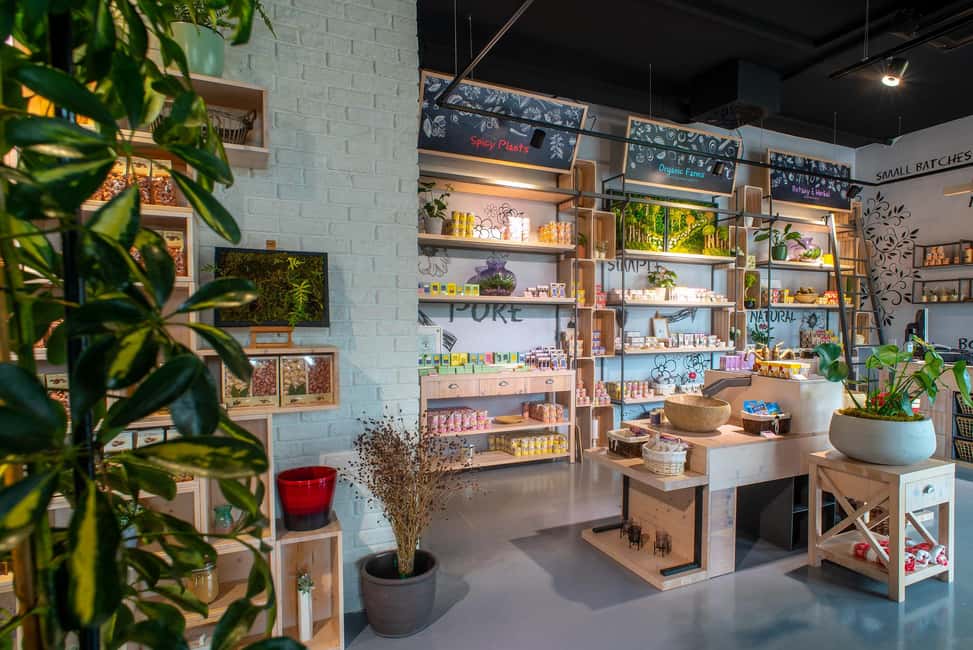
After the traditional product part, the tour shifts to essential oils. You’ll learn how essential oils are extracted from typical Dalmatian herbs and how those oils connect to natural cosmetics production.
This is a smart inclusion for two reasons. First, it makes the estate more than an olive stop; it explains why the botanical garden matters. Second, it trains your brain to think in terms of extraction and quality. Olive oil tasting later will feel less random because you’ve already been shown how quality comes from handling real plant matter.
If you’re the type who enjoys learning the “how,” you’ll probably appreciate this segment. If you’re only in it for olive oil, don’t worry—the tour still gets you there, but it gives you context first.
The Botanical Collection: 500 Species Worth Slowing Down For
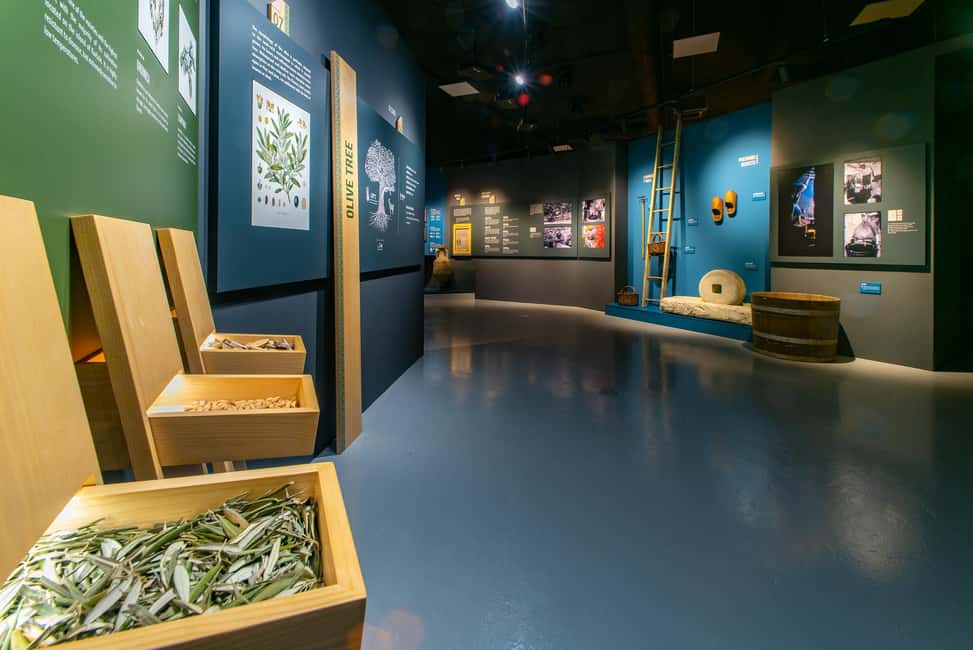
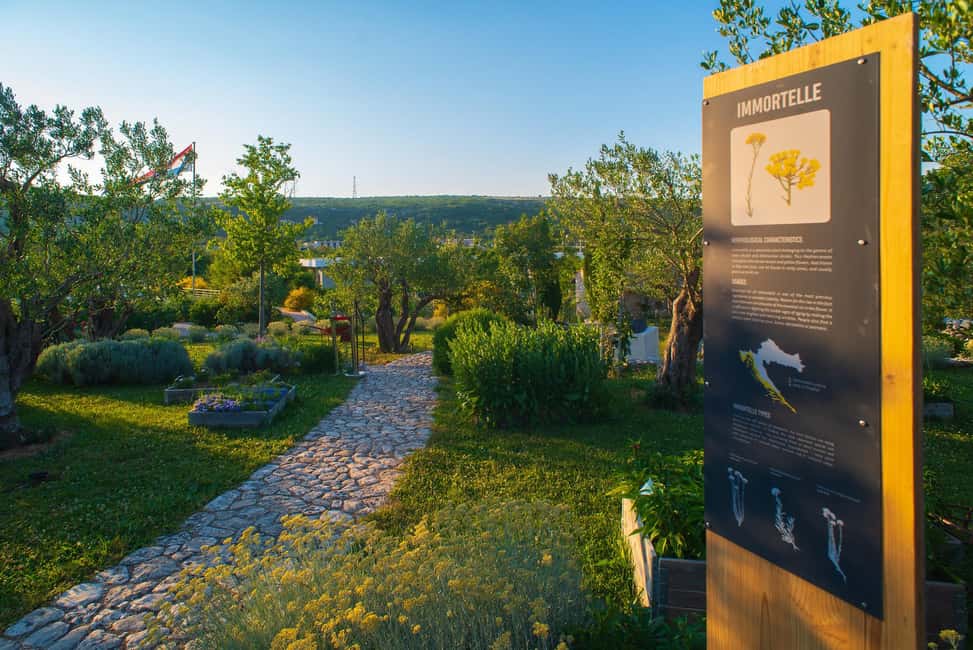
Next comes the garden collection, described as having 500 species. This isn’t just a walking path with pretty plants. You learn what some of them can be used for.
I love garden stops that don’t treat plants like museum specimens. Here, you get usage tied back to the estate’s theme: herbs used for oils and cosmetics, and by extension a broader understanding of how plants become products. Even if you forget specific names, you’ll remember the idea: plants have different roles, and “healthy” doesn’t automatically equal “useful” unless the process is right.
If you want photos, this is usually the best place to take them. It’s visually rewarding, and it’s also where the tour’s educational content becomes easier to grasp.
You can also read our reviews of more museum experiences in Split




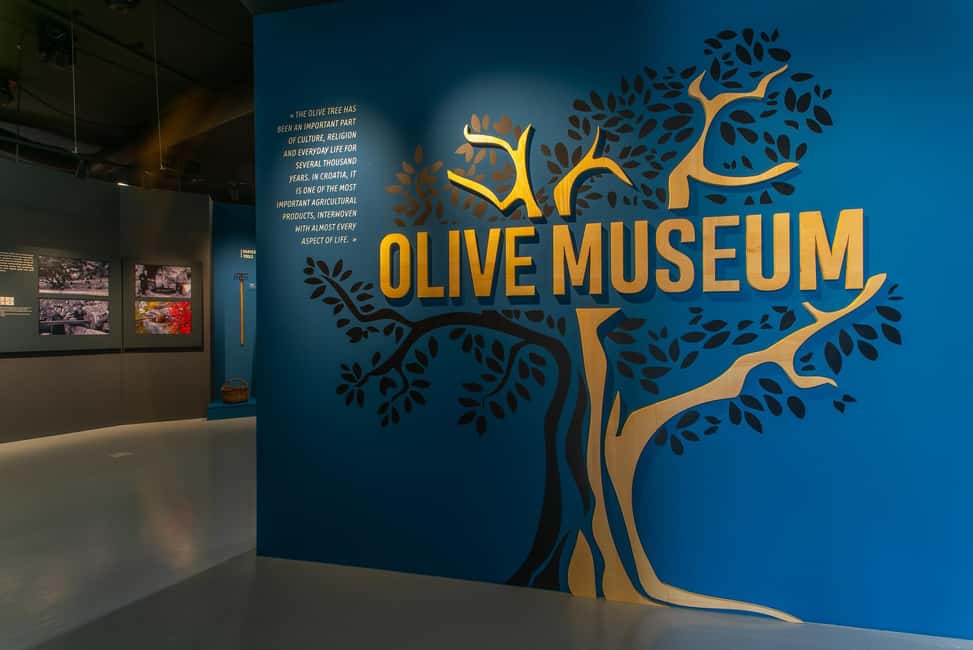
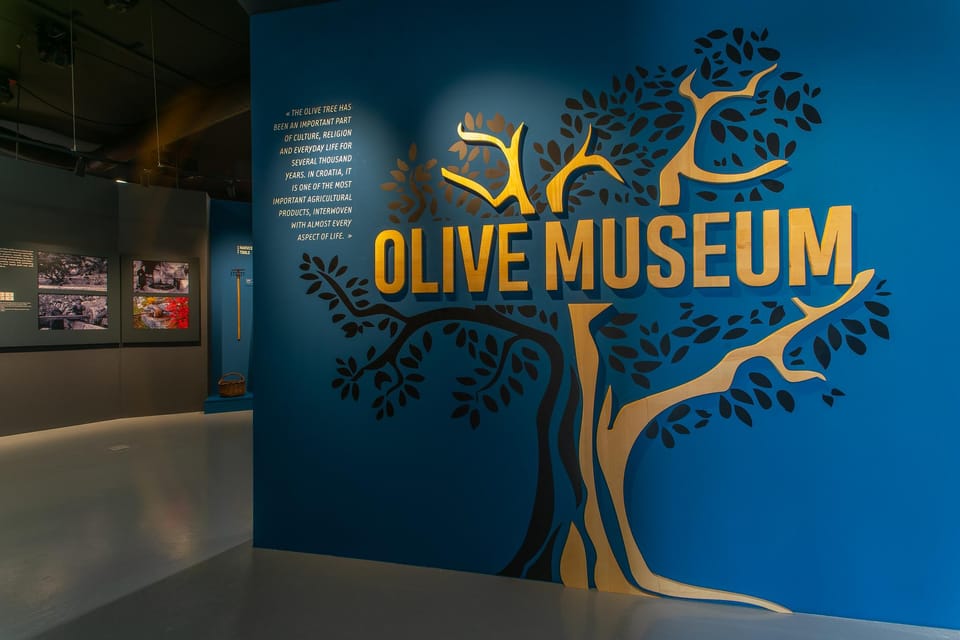
Entering the Olive Oil Museum: Croatia’s Liquid Gold
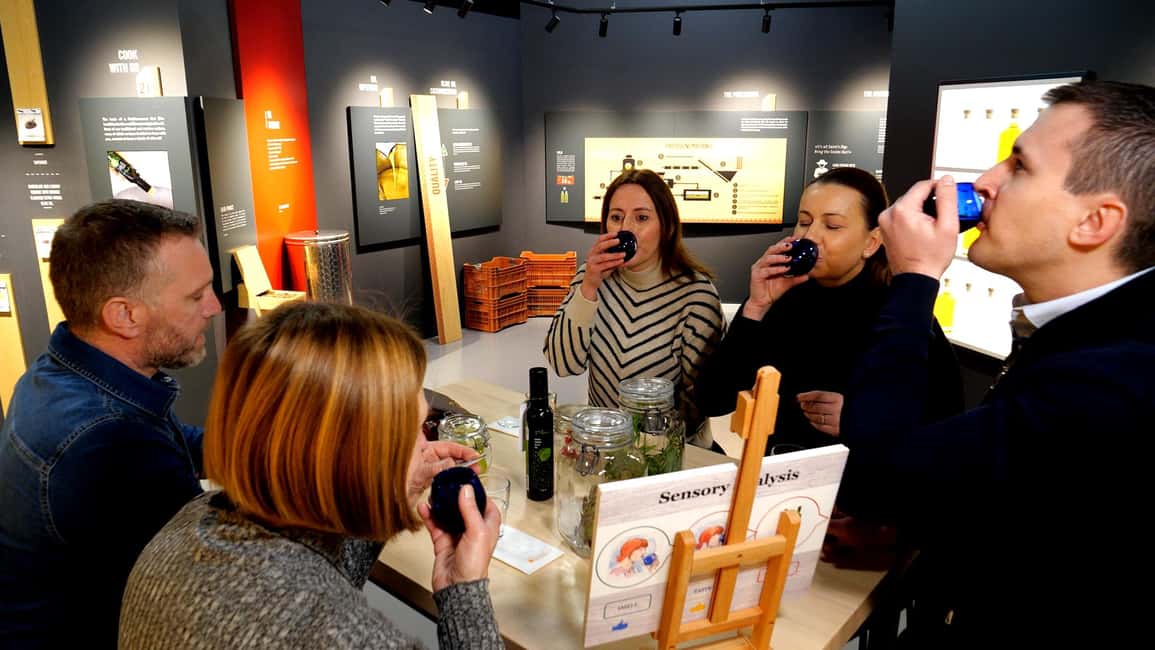
Then you step into the Olive Oil Museum, and this is where the experience locks in on its main theme: the Liquid Gold growing in Croatia.
The museum has been recognized as a finalist for the European Museum of the Year Award 2023, and you can feel the intention behind it. The content is meant to explain olive oil beyond marketing terms. You’re learning about the crop and how it becomes something worth judging by taste and quality.
Here’s a fair note: the museum portion is more lesson-based than field-based. One visitor experience even highlighted disappointment about there being no olive trees or fields visible on-site. That doesn’t mean it’s bad—just calibrate your expectations. Treat it as an education center, not as a walking tour through living olive groves.
The Concept Store and Factory-Price Shopping
After the museum, you’ll have time to taste handmade products in the concept store, with the possibility of purchasing items at factory prices. This is where the tour becomes practical for real life. You can connect what you learned to what’s sold, and you can taste before you buy (at least for the items included in the program).
I recommend using your tasting knowledge when you shop for olive oil. Don’t let the bottle design or the story alone do the convincing. With the workshop coming next, you’ll be in a better position to decide if the product matches what you’re learning to recognize.
Also, because “additional food and drinks” aren’t included, this is where you’ll likely decide if you want more snacks beyond what the tour provides. The shop can be a convenient place to do that.
The Extra Virgin Oil Tasting Workshop: Learn Like a Taster
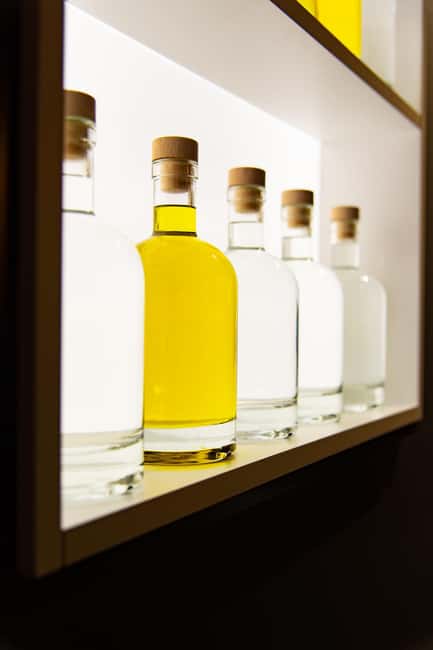
The tasting room is the highlight for most people, and it’s easy to see why. You’ll get an education on how to recognize extra virgin olive oil through an interactive experience. The goal is to give you a method, not a vague impression.
After the basics, you taste two different olive oils. Both are labeled extra virgin, which is important. You’re not learning by tasting one good oil and one obviously poor one. You’re comparing two oils that both meet the extra virgin label, then using training to spot differences.
That practice is what sticks. You start thinking in terms of sensory cues, not just “this tastes good.” One family-style review described the tasting like a sommelier exercise, with sniffing and tasting the difference between good and bad oil. Even if you don’t go that far with terminology, the point is the same: the workshop makes you pay attention.
If you take one thing away for future shopping, make it this: tasting is about noticing patterns. You can build a personal sense of what quality tastes like, so you don’t buy on autopilot.
Included Tastings: Sweets and Natural Cosmetics
Besides the olive oil, your ticket includes tasting traditional sweets and testing natural cosmetics. This is a nice balance because not everyone wants a full day of only oils and labels.
The sweets tasting fits the estate theme of fruit, nuts, and aromatics. The cosmetics testing fits the essential oils segment you saw earlier. Together, they make the tour feel connected rather than like three unrelated stops.
If you’re traveling with someone who might be olive-oil “meh,” this helps smooth the experience. It gives alternatives that still feel tied to the same plant-based story.
Exploring the Park After the Workshop
Once the tasting and included activities are done, you’ll have free time to explore the park. Some visitors also mentioned enjoying herb garden areas and older buildings as part of the follow-up exploring.
This downtime matters because learning + tasting can make tours feel fast. Free time lets you reset your attention and re-walk anything that caught your interest earlier. If you want souvenirs, the shop is also part of the flow, and people noted that you can take your time looking around after the tour.
If you’d like lunch, the experience description mentions traditional lunch as a possibility after the experience. Since additional food and drinks aren’t listed as included, treat lunch as something you may need to buy separately unless the operator specifies otherwise on the day.
What You’re Really Getting for $18
$18 can sound small, but in this case it’s a fair price for a structured, guided, multi-part experience. You get:
- guided estate and museum entry
- two olive oil tastings
- traditional sweets tasting
- testing natural cosmetics
Most importantly, the value is in the skill you practice. Learning to recognize quality extra virgin olive oil can save you money when you shop later. It also helps you avoid the classic trap of buying “premium” only because of packaging.
That said, whether it feels like a great value depends on what you’re seeking. If you want outdoor olive groves and scenic field walks at the site, the museum-heavy, indoor learning style may not satisfy you as much. If you want practical understanding and tasting training, $18 looks like a strong deal.
Who This Tour Fits Best (and Who Might Skip It)
This experience is a great match if you:
- enjoy guided explanations with hands-on tasting
- want to learn how to judge extra virgin olive oil
- like gardens, herbs, and the logic of plant-based products
- travel with kids who can handle a shorter educational workshop (a family with a nine-year-old found it clear and fun)
You might think twice if you:
- came specifically for outdoor olive field views
- dislike museum-like indoor segments
- prefer an unstructured “wander and snack” style instead of a guided flow
Should You Book Stella Croatica and Olive Oil Tasting?
I’d book it if you want a short, guided education that pays off immediately. The combination of botanical context, museum learning, and a structured extra virgin tasting is exactly the kind of thing that makes a day trip feel useful.
One final decision check: if you’re buying olive oil at home or gifting it, the workshop alone can justify the time. You’ll leave knowing what to pay attention to beyond the label. If you’re the type who wants only scenery and nothing educational, then this could feel too indoors.
If that sounds like you, you’ll still enjoy the facility and the tasting room, but you may wish you’d paired it with another outdoor stop in the area. If it sounds like what you want, this is one of the best-value olive experiences in Dalmatia for learning by doing.
FAQ
How much does the Split olive museum and olive oil tasting cost?
The price listed is $18 per person.
What’s included in the tour?
The tour includes entry to Stella Croatica and the Olive Oil Museum, a guided tour, tasting of two different olive oils, tasting of traditional sweets, and testing natural cosmetics.
What language is the guided tour in?
The experience is offered in English.
Are food and drinks allowed during the activity?
No. Food and drinks are not allowed.
Can I record video during the tour?
No. Video recording is not allowed.
Does the experience allow flexible booking and late payment?
Yes. The option listed is Reserve & Pay Later, where you can book your spot and pay nothing today.