REVIEW · SPLIT
Split Rock Climbing Tour
Book on Viator →Operated by Given2Fly Adventures · Bookable on Viator
Marjan Hill shows Split a different way. This rock-climbing tour swaps the usual old-town stroll for hands-on time on limestone cliffs above Split, with a small group and licensed instruction. I especially like the mix of beginner-friendly options and tougher lines so you can progress without feeling lost. One thing to keep in mind: it runs only in good weather, and you’ll want the right footwear for the approach.
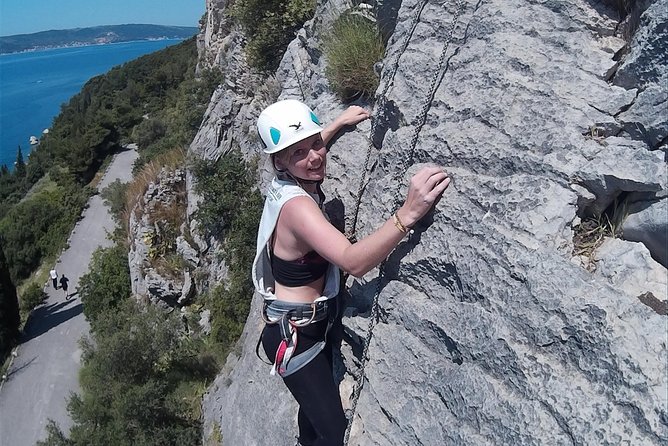
You start in Split (Plinarska ul. 25) and drive up to Marjan Hill, where there are more than 80 routes in the climbing area and sweeping views out over the Adriatic. The route styles aren’t just about climbing hard: there’s also a special chance to climb around churches and hermit settlements dating back to the 15th century, tucked into the hill’s green spaces.
In This Review
- Key highlights at a glance
- Marjan Hill: why this climbing zone works for mixed levels
- Split to Marjan Hill: how the timing and transfer fit a 3-hour tour
- Routes you’ll climb: heights and grades explained like a friend
- The churches and hermit settlements stop: more than a scenic backdrop
- Guides, gear, and safety: what’s really included matters
- Price and value: $77 for a guided climb that covers the annoying parts
- What to bring: small choices that make the day smoother
- Weather, limits, and who should skip (or wait)
- Should you book this Split rock-climbing tour?
- FAQ
- How long is the Split Rock Climbing Tour?
- Where is the meeting point and what time does it start?
- What’s included in the price?
- What climbing difficulty and height should I expect?
- Is this tour suitable for beginners?
- What should I bring?
- What happens if the weather is bad?
Key highlights at a glance
- Small group max 10 means you actually get attention, not just a safety speech
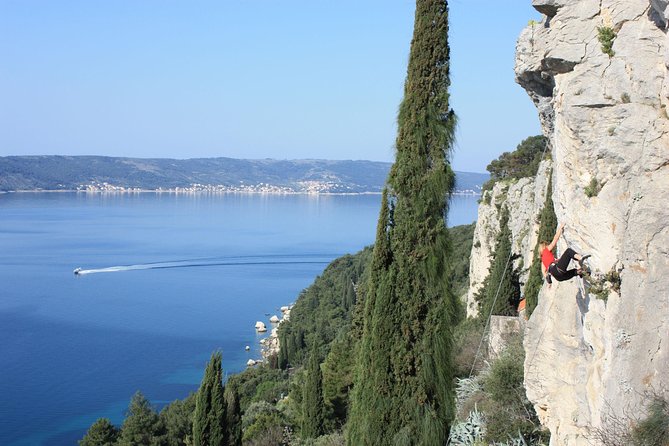
- Marjan Hill routes: limestone cliffs, over 80 routes in the area, and great sea views
- Guides tailor for your level (beginners get close watching; more experienced climbers can push)
- Bolted climbs of 10–25 m with difficulties from 4c to 7a
- All gear and insurance included, so you’re not hunting down rentals or guessing about safety
- A historic setting: churches and hermit settlements from the 15th century are part of the vibe
Marjan Hill: why this climbing zone works for mixed levels
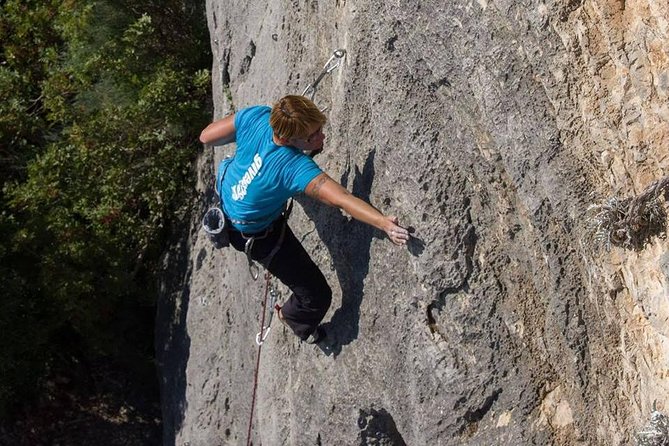
Marjan Hill is the peninsula that sits in the middle of Split, and it’s a popular climbing area for a reason. You get limestone cliffs right next to the sea, plus an outdoor “neighborhood” feel with forested areas around the routes. That matters because it makes the climbing time feel like an actual outing, not just walking from one bolt to the next.
The tour is built for mixed groups, which is what I like most when a climbing day includes beginners and more experienced folks. The routes you’ll be climbing range from beginner-friendly difficulty to harder options (4c up to 7a). Heights are typically in the 10 to 25 m range, so you get real exposure without needing an all-day climbing commitment.
You also get a unique bonus: the opportunity to climb around churches and hermit settlements that date back to the 15th century. Even if you’re not a history buff, it changes the feel of the day. You’re not staring at blank rock the whole time. You’re climbing in a place that has been tied to community life for centuries.
You can also read our reviews of more tours and experiences in Split.

Split to Marjan Hill: how the timing and transfer fit a 3-hour tour
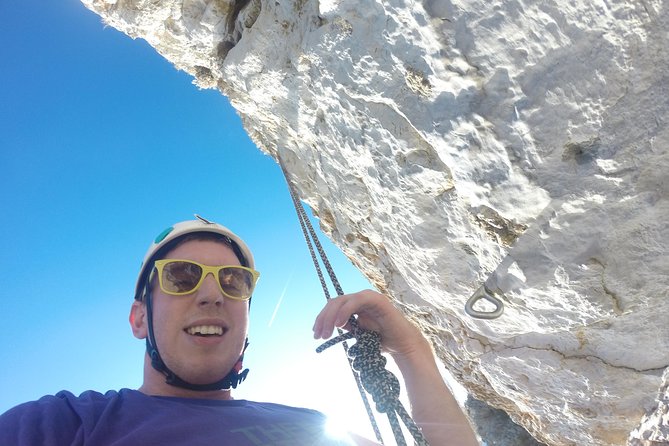
This is a 3-hour experience, starting at 10:00 am, with the meeting point at Plinarska ul. 25, 21000 Split. The tour includes round-trip shared transfer, so you’re not spending your morning figuring out buses, taxis, or where the trail starts.
That short, managed flow is great for a few reasons:
- If you’re only in Split for a short stay, it’s a fast add-on that still feels active.
- You’re not burning half the day commuting and then standing around while others gear up.
- The climb itself is scheduled to fit the time window, so you’re not left wondering when it will end.
The one “timing” thing to watch is weather. The experience depends on weather conditions, and if conditions are poor, you’re offered an alternative date or a full refund. If you’re traveling in shoulder season or the forecast looks unstable, just be flexible with your schedule.
Routes you’ll climb: heights and grades explained like a friend
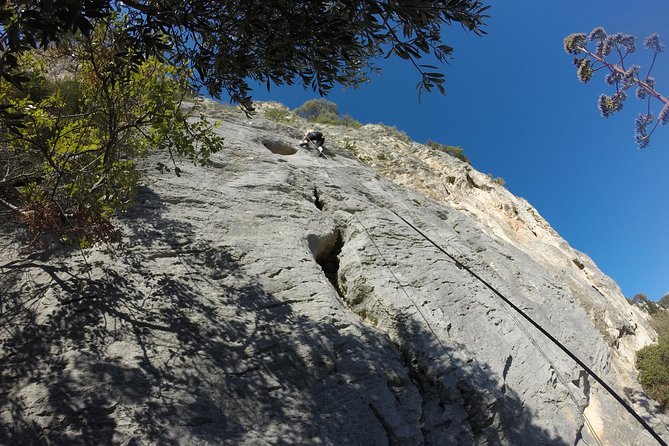
The climbing area around Split has more than 400 bolted rock climbing routes in the broader area, but your actual tour time focuses on manageable sections for your group. Routes in the tour are listed as between 10 and 25 m high, with difficulty from 4c to 7a.
Here’s what that means practically:
- 10–25 m: This is high enough to feel exciting and memorable, but short enough that the guide can keep the session moving and adjust based on how you’re doing.
- Difficulty 4c to 7a: Even if you’re brand new, you’re not guaranteed to start at the top end. The guide system is set up so beginners can learn the techniques safely, while more experienced climbers get chances to climb at a higher level.
If you’ve climbed before, you’ll likely appreciate that the grades aren’t just theoretical. You can test yourself. If you haven’t climbed much, don’t worry—this isn’t the type of tour that throws you on something too steep and hopes for the best. Beginners are monitored by licensed, experienced guides who teach you the basic climbing techniques as you go.
Also, the routes are bolted, which matters because it’s a more controlled, sport-climbing style of climbing than traditional gear placements. You’re spending your brainpower on movement and balance, not constant safety calculations.
The churches and hermit settlements stop: more than a scenic backdrop
One of the coolest “why this tour” elements is the chance to climb around churches and hermit settlements from the 15th century. That’s not common in most city rock-climbing tours.
You should expect the experience to feel like a mix of outdoors and culture:
- You’ll see older religious structures and the kind of small, human-scale stone environments that sit into the hills.
- You’re climbing with views of Split and the Adriatic, then you’re moving through spots where the rock and the architecture share space.
Even if you’re there for fitness, it adds a memory anchor. A climb is one thing. A climb with a historic setting and sea views sticks in your head.
Guides, gear, and safety: what’s really included matters
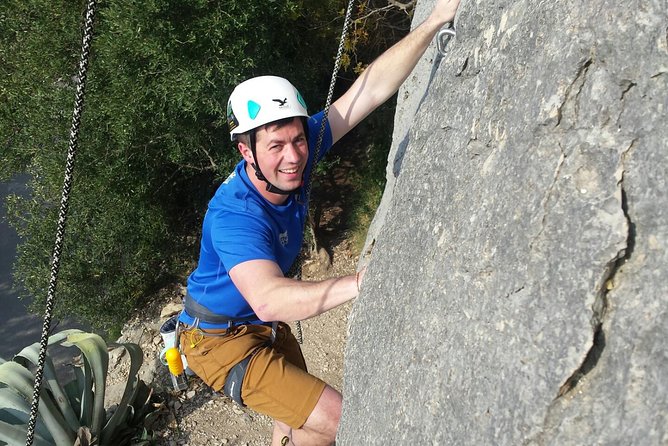
Everything you need for climbing is handled. The tour includes:
- Professional guide
- All climbing equipment
- Insurance
- All taxes, fees and handling charges
- Round-trip shared transfer
That “all equipment” part is more valuable than it sounds. If you’ve ever tried to rent gear in a new country, you know how easy it is to waste time or end up with gear that doesn’t fit right. Here, you’re using what the guide team provides, which reduces friction and lets you get to the climbing faster.
Instruction is also part of the design. Beginners are watched by licensed, experienced guides so you learn techniques firsthand and stay safe. If you’re comfortable with climbing already, the tour doesn’t just babysit you. You’ll get the chance to improve your level and create good memories climbing among the Marjan forest green.
One more detail I like: the group size is small (maximum 10 travelers). That means your guide can actually check technique and adjust routes. And yes, you might get instructors like Gorana—one of the guides connected with the experience—who’s known for adapting plans when conditions change (like heat).

Price and value: $77 for a guided climb that covers the annoying parts
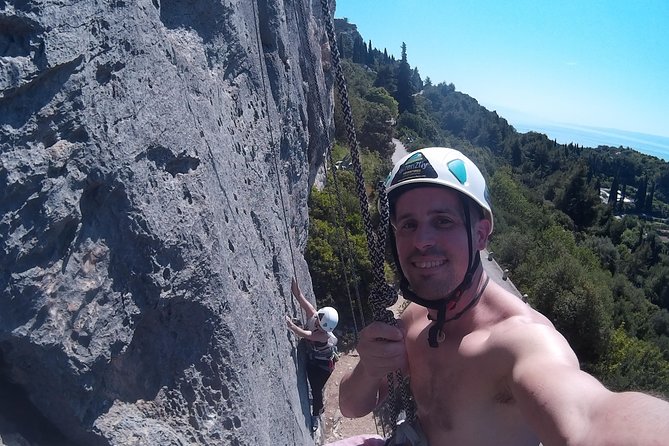
At $77 for about 3 hours, this tour isn’t just paying for rope time. You’re also paying for the stuff that usually adds up when you plan climbing independently: gear, a guide, insurance, and the round-trip transport.
If you tried to replicate it yourself, you’d still need:
- A guide or instruction plan (especially for beginners)
- Rental gear and correct sizing
- Insurance coverage you can trust
- Local logistics to get to the climbing zone efficiently
Here, those pieces are already bundled. Food and drinks aren’t included, so you’ll need a snack and water. But that’s a minor trade when you compare the time savings and reduced stress.
My simple rule: if you want a climbing day with low logistics and good safety support, this price looks fair. If you already have gear, know the area well, and can organize your own transport, it becomes less “value-packed.” Still, the guided experience is often the reason people end up loving it.
What to bring: small choices that make the day smoother
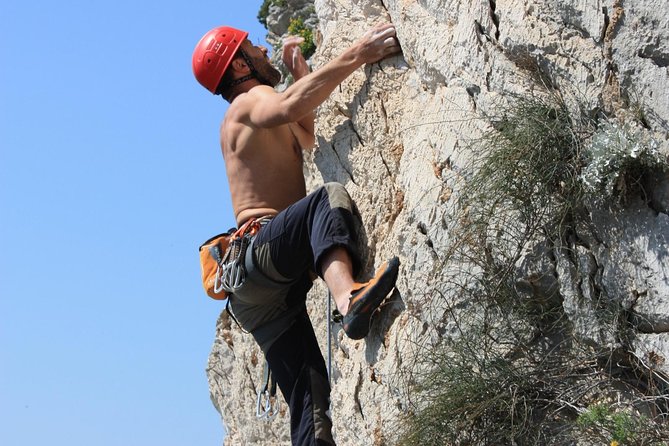
For a sport-climbing tour, the gear on your body matters. The tour asks you to:
- Dress appropriately, with sport shoes for the approach to the rock
- Bring water and a snack
That’s it. Keep your packing simple. You’re not hauling a full outdoor kit. The climbing gear is provided.
A couple other practical notes from the tour info:
- Children must be accompanied by an adult.
- Service animals are allowed.
- The tour requires a moderate physical fitness level, which usually means you can walk and handle climbing motions without expecting it to be effortless.
If you’re thinking about shoes: don’t show up in sandals. The approach can be rougher than you expect, and sport shoes give you the grip and protection you’ll want.
Weather, limits, and who should skip (or wait)
Because the experience is weather-dependent, you should plan for the possibility of schedule changes. If the forecast looks bad, don’t force it just to meet a tight itinerary.
Also, this is a climbing tour, not a long sightseeing day. You’ll get sea views and historic stops, but the main focus is climbing and instruction. If you want a slow, casual “just look around” outing, you might be happier with a different tour style.
Who it fits best:
- First-timers who want a guided start on bolted climbs
- People who climb a bit and want a short push with coaching
- Travelers who want an active experience that still connects to Split’s setting (Marjan Hill, sea views, and historic structures)
Who might find it less ideal:
- Anyone who can’t do moderate physical activity
- People who dislike changing plans due to weather
Should you book this Split rock-climbing tour?
If you want something active that feels authentic to Split—climbing on Marjan Hill with real sea views, historic churches nearby, and instruction that matches your level—this tour is a strong pick. The big advantage is the whole package: gear + guide + insurance + transport for a short, manageable 3-hour session.
Book it if you’re excited to try climbing (even if you’re new) and you want the day handled for you. Skip it if your schedule can’t handle weather changes or if you’re looking for a long cultural walking tour instead of a hands-on sport day.
If you’re on the fence, here’s my quick test: if you’d enjoy learning how to climb safely on bolted routes and you’re comfortable with a short drive and a moderate workout, this is worth reserving.
FAQ
How long is the Split Rock Climbing Tour?
It runs for about 3 hours.
Where is the meeting point and what time does it start?
You meet at Plinarska ul. 25, 21000 Split, Croatia. The start time is 10:00 am.
What’s included in the price?
The tour includes a professional guide, all climbing equipment, insurance, all taxes and fees, and round-trip shared transfer.
What climbing difficulty and height should I expect?
Routes are typically between 10 and 25 m high, with difficulty levels from 4c to 7a.
Is this tour suitable for beginners?
Yes. Beginners are watched by licensed and experienced guides and receive firsthand instruction, along with the climbing gear.
What should I bring?
Bring water and a snack, and wear sport shoes for the approach to the rock.
What happens if the weather is bad?
If the tour is canceled due to weather conditions, you’ll be offered an alternative date or a full refund.