REVIEW · SPLIT
Split&Sip: Educational wine tasting
Book on GetYourGuide →Operated by Split&Sip · Bookable on GetYourGuide
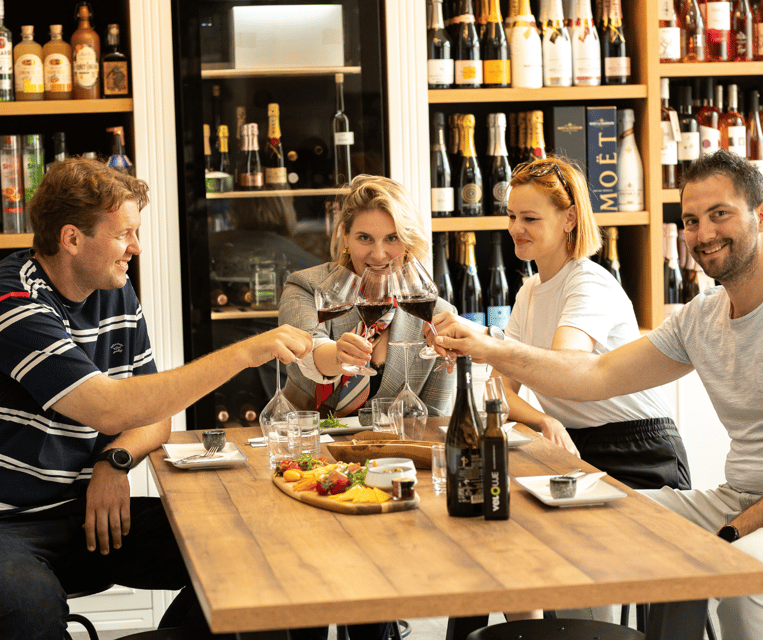
A quick tasting can change how you order wine. In Split’s shop beside the National Theatre, you get guided sips and bite-size lessons on Croatian bottles.
I especially like the central location (easy to pair with a walking day) and the food-and-wine pairing that keeps the tasting grounded instead of just showing labels. You can also branch beyond wine with craft beer, spirits, and non-alcoholic options.
One possible drawback: if your group is tiny or you go on a quiet time, the session can feel like a very focused, sometimes intense one-on-one style learning experience.
In This Review
- Quick take: what makes Split&Sip worth it
- Split’s small wine shop by the National Theatre
- What actually happens during the 1–2 hour tasting
- The bites aren’t an afterthought: cheeses, prosciutto, olives, tapenade
- Croatian wines you can recognize later
- Your host: live guidance in English or Croatian
- Price and value: what $56 gets you in Split
- Timing and pace: how to get the most from your tasting hour
- After the tasting: turn wine learning into better orders
- Who should book Split&Sip (and who might skip it)
- Should you book Split&Sip in Split?
Quick take: what makes Split&Sip worth it
- Central Split address next to the National Theatre makes it simple to reach on foot
- A live guide in English or Croatian turns tastings into real understanding
- Local cheeses plus prosciutto, olives, and tapenade keep the wines honest
- More than wine: craft beers, spirits, and non-alcoholic drinks are on offer
- A time-efficient 1-hour tasting within a total 1–2 hour experience window
Split’s small wine shop by the National Theatre
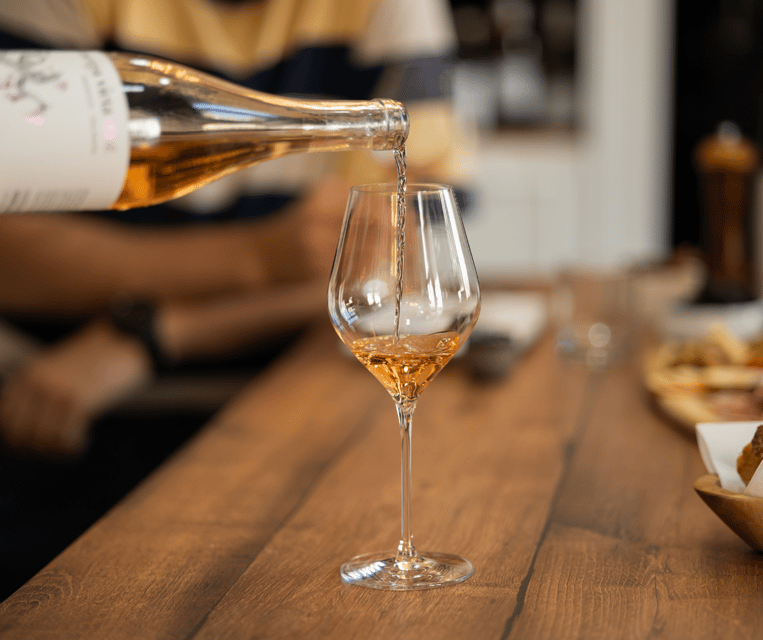
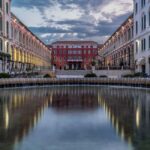
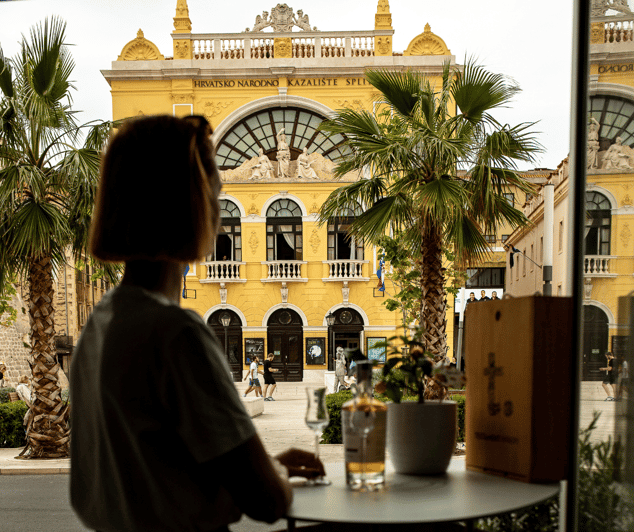
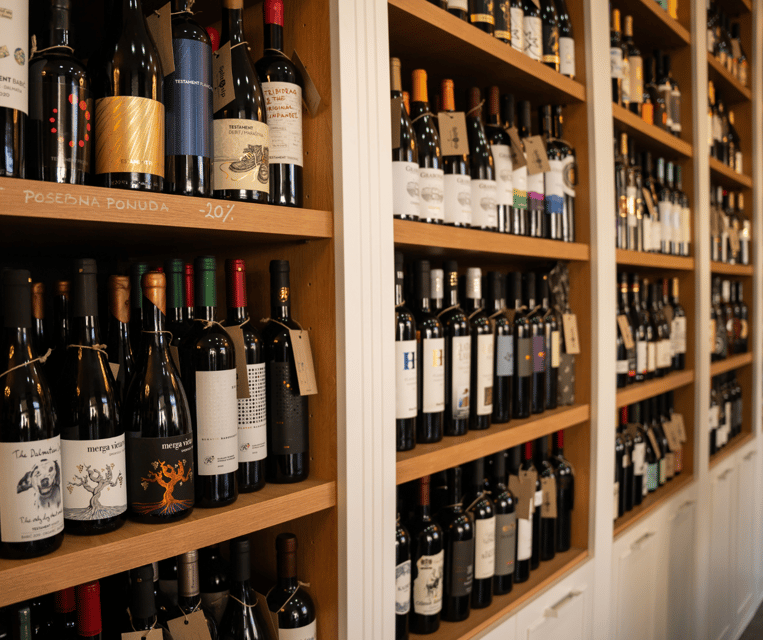
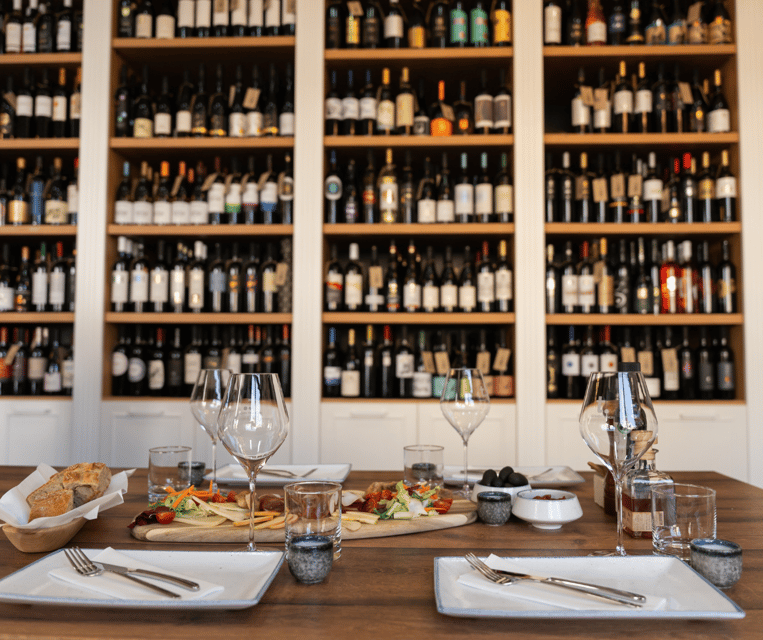
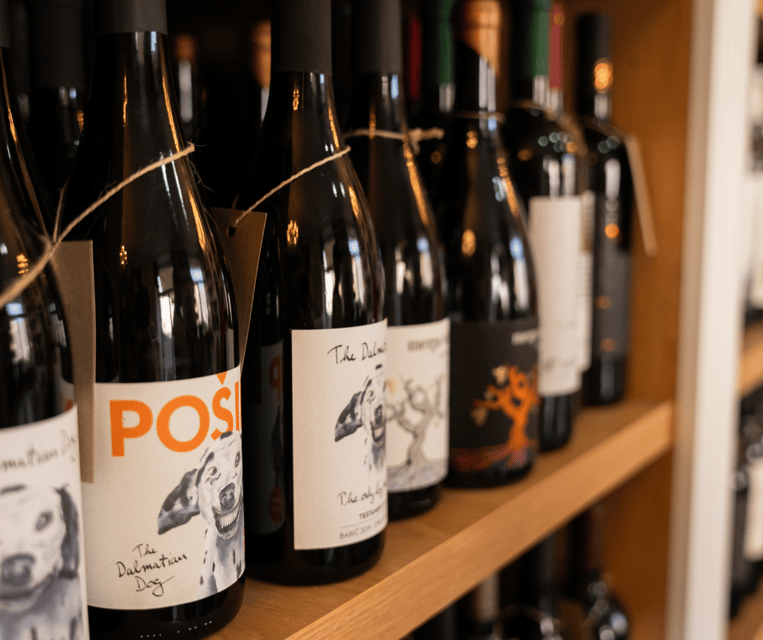
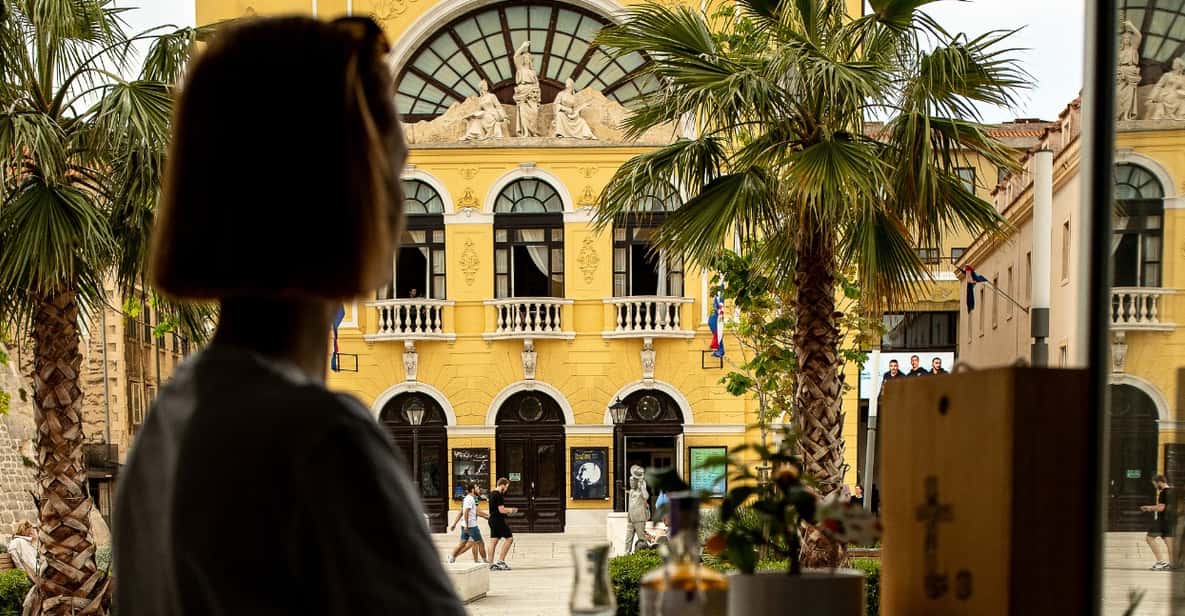
Split&Sip happens in a proper wine shop in the heart of Split, right near the National Theatre. That matters more than it sounds. You’re not dealing with a bus ride to some faraway tasting room. You can start your day sightseeing, then pop in for your hour of tastings without losing half a day to logistics.
The shop setup also makes the experience feel relaxed. You’re not standing in a loud bar trying to hear a menu pitch. It’s set up for looking at what you’re drinking, smelling it, and getting explanations while you eat.
Meeting point is listed as one of two options at Trg Gaje Bulata (Trg Gaje Bulata 6), and it can vary by the option you book. When you arrive, just match what your confirmation says so you don’t waste time circling the theatre area.
You can also read our reviews of more food & drink experiences in Split
What actually happens during the 1–2 hour tasting
Your time is straightforward: expect about one hour of wine tasting, with the total activity running 1–2 hours depending on pacing and what’s ordered or added. You’ll meet your guide at the shop, then the session flows like a guided tasting lesson rather than a quick pour-and-go.
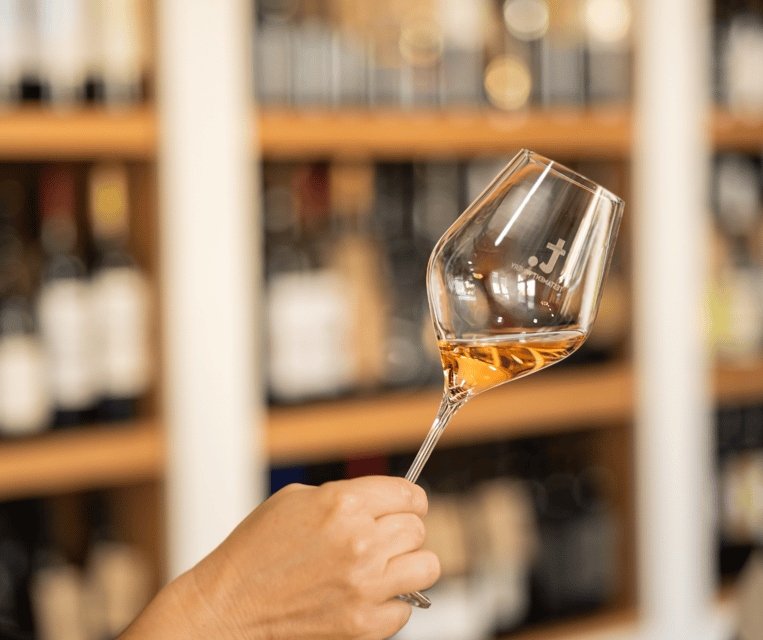
Most wine tastings have the same problem: you taste three wines, nod politely, and walk away remembering the one you liked. This one is designed to give you context while you taste. The guide helps you connect flavors to regions and grape varieties—so the next time you see a Croatian wine, you’ll know what questions to ask instead of guessing.
And yes, it’s not only wine. The shop offers other beverages such as craft beers, spirits, and non-alcoholic drinks. If you have a friend who doesn’t want wine the whole time, you’re not stuck with just water and regret. You can still participate fully and keep the session fun.
The bites aren’t an afterthought: cheeses, prosciutto, olives, tapenade
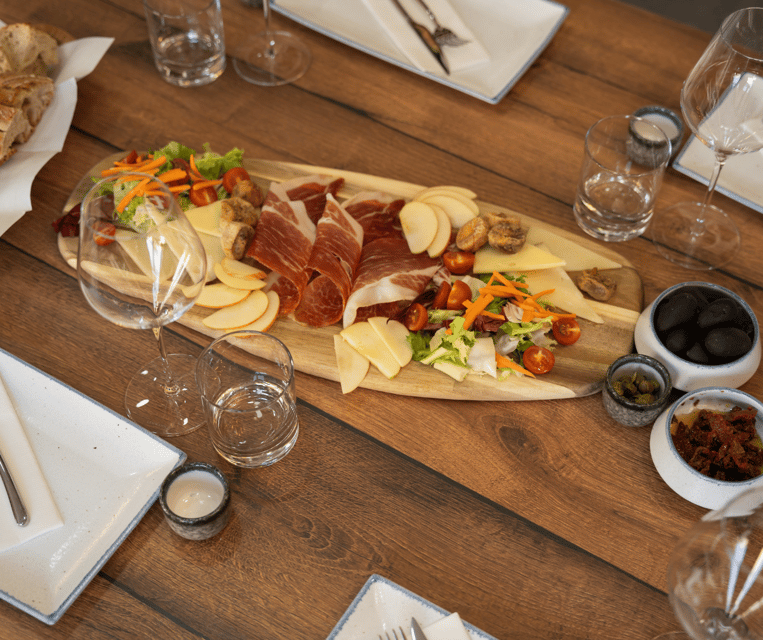
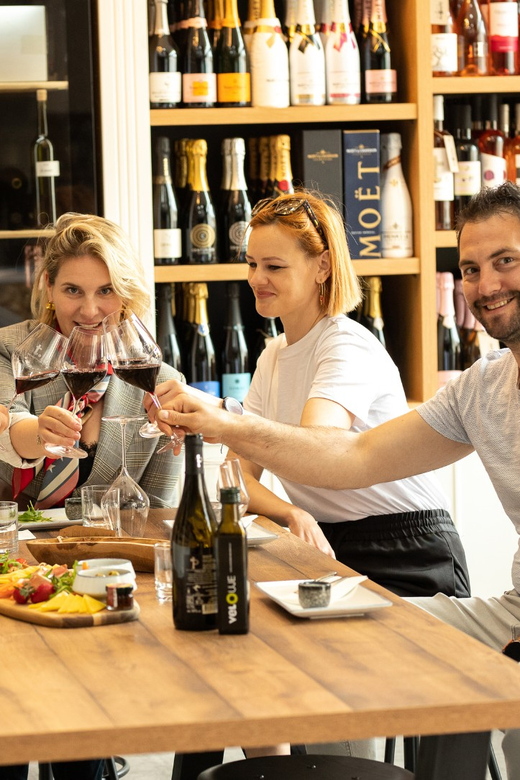
Here’s a big reason this tasting feels more like a real food-and-wine moment than a drinking stunt: you get local cheeses, plus prosciutto and olives, and various tapenade.
That pairing changes everything. Wine without food can be harsh on the palate, especially when you’re trying to learn new flavors. The cheeses and cured bites give your mouth something stable to work with—so you can taste how the wine shifts with salt, fat, and tang.
A few practical things to keep in mind:
- Eat earlier, but don’t arrive starving. You’ll get more from the flight if you’re not fighting your own hunger.
- If you avoid meat, bring it up directly. One session described the host adjusting for guests who don’t eat meat, so it’s worth asking ahead if you want a swap or a different pairing plan.
- Plan for flavor contrast. Prosciutto and olives bring salt and brine. That can make certain wines feel fruitier or sharper, which is exactly the learning you came for.
Croatian wines you can recognize later
The whole point of an educational tasting is not that you leave with random bottles in your head. It’s that you leave with a framework.
In this experience, the guide helps you understand how Croatian wines deliver quality across different regions and grape types. You’re encouraged to learn the “why” behind what you like—how climate, growing conditions, and grape traits affect what ends up in the glass.
That’s why so many people come away impressed with Croatian bottles specifically. Even if you’re a beginner, you can still walk out thinking like a buyer: you know what notes you enjoyed and what style they represent.
One note from what guests described: the most memorable sessions often come from a guide who connects the wine to Croatia, not just to tasting notes. Expect explanations about regional character and what to notice during each pour.
Your host: live guidance in English or Croatian
You’ll have a live tour guide speaking Croatian and English. The experience feels strongest when the guide talks you through the tasting in plain language—what to look for, what to smell for, and what changes once you start eating.
It also helps that the shop is small enough for real conversation. Several descriptions highlight guides who are patient with wine novices and willing to answer questions without rushing. One host name that comes up is Sven (also spelled Swen in one write-up), and Marina is another guide mentioned. You can’t count on a specific person, but you can count on a guided format.
If you like your learning structured, this works. If you prefer low-pressure chatting, it can still be that—just tell the guide you’re curious, and ask a couple of pointed questions as you go.
You can also read our reviews of more wine tours in Split



Price and value: what $56 gets you in Split
At $56 per person, this isn’t a bargain supermarket tasting. But it also isn’t just “pay and sip.” For the price, you’re getting:
- A live guided tasting session
- Multiple wine pours across different styles
- Local cheeses
- Prosciutto and olives
- Tapenade
- Extra drink options (craft beer, spirits, non-alcoholic)
In other words, you’re paying for a guided experience in central Split, with actual food pairings that make the tasting meaningful. If you’re the type who likes learning while eating—rather than just collecting souvenir drinks—this is solid value.
If you’re the type who wants to taste a lot of bottles and keep the party going for hours, you may find the time limit a little tight. But for an efficient, high-quality lesson in Croatian drinking culture, $56 can make a lot of sense.
Timing and pace: how to get the most from your tasting hour
Because the tasting is roughly one hour, you should treat it like a mini class. Show up ready to focus for a short stretch, then you’re free to roam after.
One practical trick: go in with one question in mind. For example:
- What grape styles should I look for in Dalmatia?
- Which wine type usually pairs best with salty meats and olives?
- If I liked the first pour, what should I try next?
You’ll get more out of the hour that way. And if your group ends up small, the session can become very intense—in a good way for some people. If you’d rather have lots of group energy, pick a time when you expect a fuller crowd (availability varies, but you can choose based on what’s offered).
After the tasting: turn wine learning into better orders
Once you know what you like, your evening gets easier. You can carry the tasting logic into dinner nearby. When a menu lists Croatian bottles, you’ll know to ask:
- Is this more crisp and bright, or round and smooth?
- What food is it meant for?
- What grape is it based on?
If you bought a bottle to take home (some guests did), you’ll also have an instant re-tasting moment later. And since the shop is in central Split, you don’t feel stranded. You can head out on foot to keep exploring.
Who should book Split&Sip (and who might skip it)
This experience fits best if you:
- Want a short, structured wine lesson rather than a long tour
- Like food pairings with your drinks
- Are curious about Croatian wines from multiple regions and grapes
- Prefer a central activity you can slot into a walking day
You might skip it if:
- You’re under 18 (the experience isn’t suitable for children under 18)
- You want a huge number of pours over several hours
- You’re expecting an outdoor vineyard day (this is a shop-based tasting)
- You don’t want to be guided at all—this is meant to teach
Also, note the basics: no pets, and no smoking indoors.
Should you book Split&Sip in Split?
I’d book Split&Sip if you want an easy win in Split: a central stop, a guided tasting, and real local bites. For $56, you’re paying for education plus food pairing, not just for alcohol.
It’s especially worth it when you’re either new to wine or you’ve only tried a couple of Croatian bottles before. This helps you figure out what you like and gives you language for ordering the next one.
If you’re sensitive to intensity, choose a busier time slot if possible. Otherwise, go in curious, ask a question, taste slowly, and let the food do part of the teaching for you.