REVIEW · SPLIT
Diocletian’s Palace Small Group Tour in Split
Book on Viator →Operated by South Tours Croatia · Bookable on Viator
Split’s palace maze makes history walkable. What makes this tour so fun is that it combines a guided walking loop through Diocletian’s Palace with quick stops at the Peristyle, Vestibule, Cellars, and the Golden Gate—so you get bearings fast. Two things I really like are the guide’s human touch (I’ve seen favorites like Luka and Sandra praised for explaining clearly) and the local street perspective that helps you read the old town instead of just passing through it.
One thing to keep in mind: it’s about 2 hours, so it’s ideal for a smart orientation, not for people who want to linger in every corner for hours.
In This Review
- Key things to know before you go
- Why Diocletian’s Palace Changes How You See Split
- Getting Oriented on the Street-Level Walk
- Stop 1: Diocletian’s Palace and the “Maze of Centuries”
- Stop 2: The Peristyle, Where Ceremonies Feel Like Theater
- Stop 3: The Vestibulum’s Shape Trick (Rectangular Outside, Circular Inside)
- Stop 4: Diocletian’s Cellars and Why UNESCO Exists Here
- Stop 5: The Golden Gate (Porta Septemtrionalis) and Diocletian’s Entry on June 1, 305
- How the Walking Tour Style Fits a Real Day in Split
- Price and Value: What $60.21 Buys You
- Who Should Book This Tour (and Who Might Want More Time)
- Should You Book Diocletian’s Palace in Split? My take
- FAQ
- Where is the meeting point for the Diocletian’s Palace small group tour?
- How long is the tour?
- What language is the tour offered in?
- Do I need to print anything, or is there a mobile ticket?
- Is admission included for the palace stops?
- Are there multiple departure times during the day?
- How many people are in the group?
- What fitness level do I need?
- What’s included in the price?
- Is free cancellation available?
Key things to know before you go
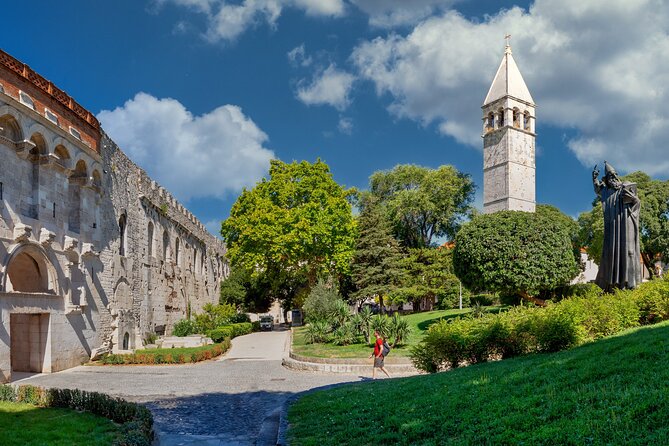
- Free access to the main palace sights: most stops here are free entry, and you’re mostly paying for the guide and structure of the walk.
- Multiple departures in the day: you can usually pick a time that fits heat, crowds, and your energy.
- Peristyle’s acoustics and “Roman theater” feel: it’s a central square designed for ceremonial life, and it works as a stage-like space.
- Cellars under the palace: the substructures are a big reason Split’s historic core earned UNESCO status.
- The Golden Gate is tied to a specific date: Diocletian’s entry on June 1, 305, gives the walk a real timeline.
Why Diocletian’s Palace Changes How You See Split
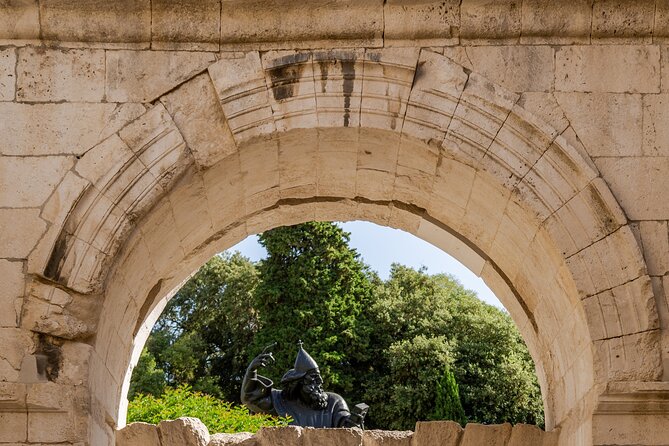
Diocletian’s Palace is the reason Split feels the way it does. Instead of a normal “old town,” you’re walking inside an ancient structure that still shapes the city center—about half the historic core sits within those Roman walls.
In practice, that means the streets feel both old and oddly personal. You’ll move from Roman scale (huge spaces and monumental geometry) into later layers of life—shops, everyday routes, and that maze effect where you turn a corner and suddenly the palace is around you again. If you like travel where you can feel the history in your feet, this is a great match.
I also like that the tour is built to help you understand what you’re seeing without turning it into a lecture. The guide points you toward what matters: the layout, the purpose of each area, and the little details you’d otherwise miss when you’re trying to keep up with crowds.
You can also read our reviews of more tours and experiences in Split.


Getting Oriented on the Street-Level Walk
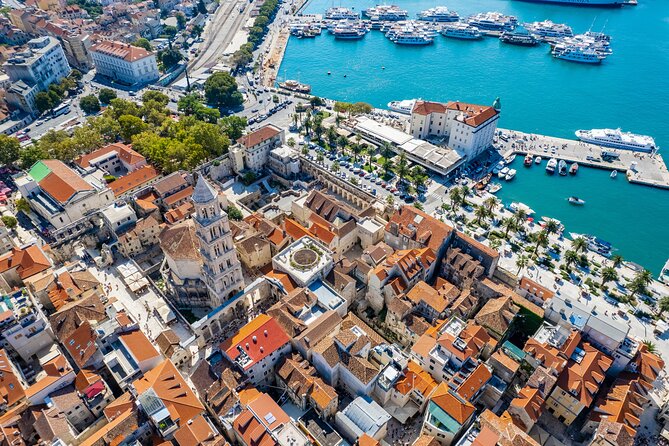
This tour is a walking tour through the palace’s urban fabric. You’ll start with the big idea—what the “palace” actually was. Even the word can mislead you. Yes, it was built as Diocletian’s retirement residence, but it was massive, more like a fortress than a cozy villa. Roughly half the complex was for Diocletian’s personal use, while the rest served the military garrison.
That context matters. Once you understand the palace as both residence and defense, the whole place clicks. Doorways look intentional. Walls feel purposeful. Squares stop being just scenic and start being functional.
The other orientation win is the guide’s local insight. Names like Luka and Jelena pop up in people’s experiences for a reason: the best guides don’t just list dates. They translate how locals live with this place now. You’ll pick up small practical tips as you walk—things that help you explore Split after the tour, when you’re on your own.
Tip from the vibe of great guiding: if you can, choose an early departure. One person specifically called out an early morning in August as the best way to handle the season. Even without a strict plan, going early tends to make the maze feel less crowded and more manageable.
Stop 1: Diocletian’s Palace and the “Maze of Centuries”
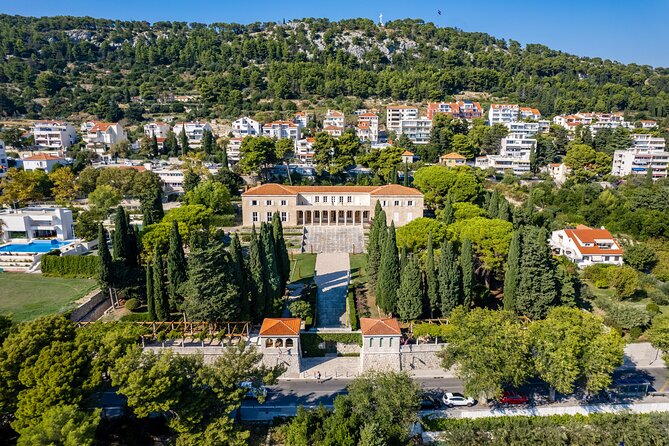
You’ll spend your first chunk of time inside Diocletian’s Palace itself. Think of this as the main orientation stop: the big Roman foundation, plus the later buildings and street life that grew within it.
What makes this stop memorable is the contrast. The palace core spans centuries. You might notice references ranging from a very old Egyptian sphinx to later architectural layers, including 20th-century buildings. That mix sounds odd on paper, but in Split it feels natural—like the city kept building on top of a framework that never went away.
Also, the palace is a UNESCO World Heritage site, and the tour treats it like one: not just as a backdrop, but as a system. You’ll understand why the structure is still relevant to Split’s layout today—why it forms so much of the city center rather than becoming a fenced-off monument.
What can be a downside? If you’re the type who loves long, quiet museum pacing, the pace here is more “get the essentials” than “linger for hours.” The benefit is you’ll leave with real structure, which is what most people need before they explore on their own.
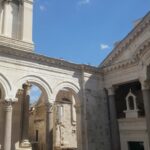
Stop 2: The Peristyle, Where Ceremonies Feel Like Theater
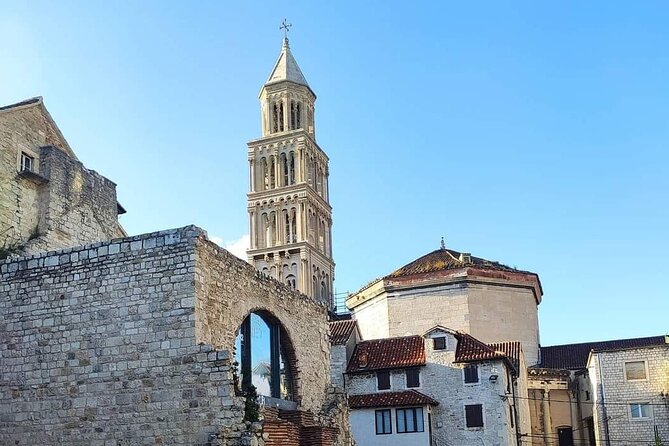
Next up is the Peristyle, the palace’s central square. This is the ceremonial heart of Diocletian’s world. It’s tied to the emperor’s public identity as a living son of Jupiter, and it sits among temples.
Even more practical: the Peristyle has unusual acoustics. That’s why it’s often described as ideal theater ground for opera and classic works. Whether you care about performance culture or not, this matters because it changes how you experience the space. You’ll likely feel the square respond to footsteps and voices—like the architecture is built for gatherings.
I love this stop because it’s where you move from “Roman ruins” into “Roman civic life.” It’s not just a thing to photograph. It’s a space meant for public moments, and the geometry supports that.
One small consideration: the Peristyle is a central hub, so it’s likely to feel busy in prime hours. That’s another reason the early departure idea pays off.
Stop 3: The Vestibulum’s Shape Trick (Rectangular Outside, Circular Inside)

Then you’ll reach the Vestibule, and this is the kind of architectural detail that makes a short tour feel smart.
From the outside, the Vestibulum looks rectangular. Step inside, and you’ll encounter a circular ground plan. That mismatch is more than an odd design quirk—it’s a reminder that Roman builders thought in layers of experience: how a space looks, how it channels movement, and how it changes your perception when you cross a threshold.
This stop is short, but it’s perfect for a quick “aha.” If you’re the type who likes to understand how structures work (not just what they are), you’ll appreciate the Vestibulum’s shape puzzle.
If you’re not into architecture, don’t worry. The guide can usually connect this shape to the larger logic of palace design—defense, ceremony, and flow—so it doesn’t feel like random geometry.


Stop 4: Diocletian’s Cellars and Why UNESCO Exists Here
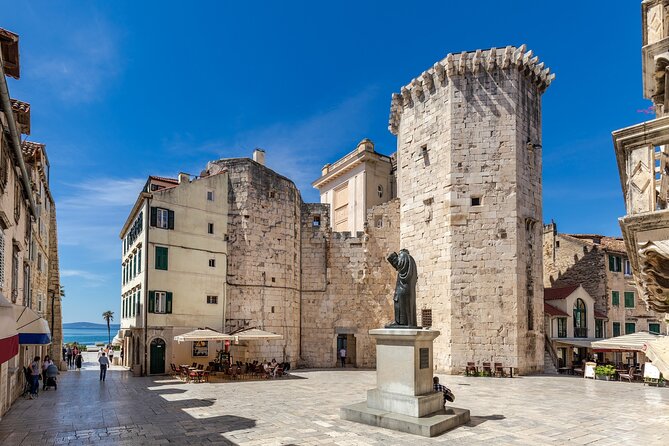
Now you’ll step into the palace’s substructures: the Diocletian’s Cellars. These aren’t just an add-on. They’re a major reason this part of Split matters to UNESCO.
The cellars are described as one of the best preserved ancient complexes of their kind in the world. And the UNESCO inclusion in 1979 traces back to the importance of the palace’s historical core, much of it tied to what these substructures represent and preserve.
For me, this stop is the “scale check.” Above ground, the city life can make ancient walls feel like background scenery. Under the palace, the purpose gets more obvious: this was a system, not just a pretty monument. You’ll come away with a better sense of how the palace could function as a residence and a fortification at the same time.
Because this is a short tour, you won’t get endless time down here—but you’ll get enough context that you can recognize what you’re seeing even after the walk ends.
Stop 5: The Golden Gate (Porta Septemtrionalis) and Diocletian’s Entry on June 1, 305
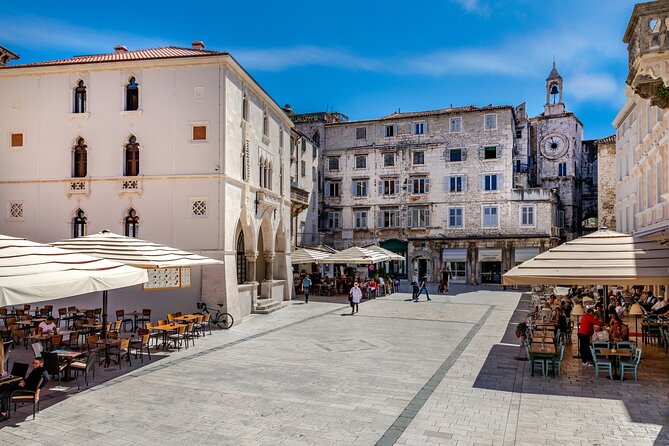
The final named stop is the Golden Gate—Roman name Porta septemtrionalis. This isn’t just a dramatic arch to admire. It’s tied to a specific historical moment: Diocletian walked through these gates as he entered the palace on June 1, 305.
That date detail makes the gate feel less abstract. You’re standing where a real person entered a place designed for both control and ceremony.
The gate is also described as rectangular with double doors, part of defensive military tactics. In other words, it wasn’t only about grand arrival—it was about protection and strategy.
I like ending here because it gives the tour a beginning-and-end feeling: you started with the palace as a whole system, and now you end at a key entrance that anchors the palace in a timeline.
How the Walking Tour Style Fits a Real Day in Split
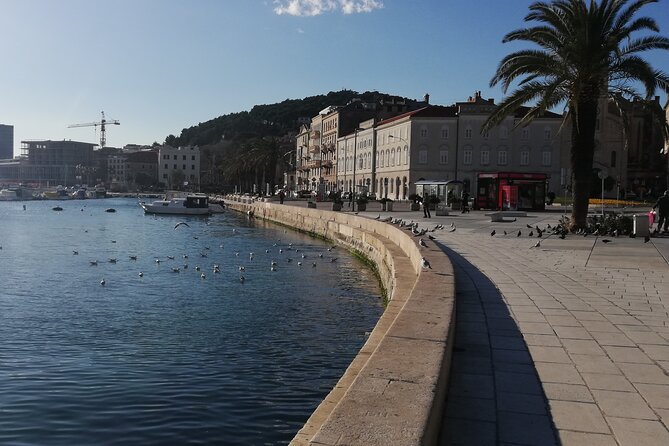
This is about 2 hours, give or take. That duration is a sweet spot if you want to understand the palace without burning most of your day on one site.
You’ll also appreciate the fact that you can choose from several departures throughout the day. That flexibility helps a lot in Split, where weather and crowd levels can shift your comfort. If you’re traveling in warmer months, starting earlier is often the easiest way to keep the experience enjoyable.
One more practical note: the tour calls for moderate physical fitness. So plan on being on foot throughout the walk. If you have mobility issues, you’ll want to think about whether the old-town surfaces and walking time fit your comfort level.
The payoff is that you’ll leave with a map in your head. Even if you can’t remember every Roman term, you’ll recognize how the parts relate—Peristyle to ceremonial life, cellars to preservation and function, and the Golden Gate to defense and history.
Price and Value: What $60.21 Buys You
At about $60.21 per person, the price isn’t about paying for admission tickets. The stops listed are free entry, including Diocletian’s Palace areas and the other palace highlights on the route. The big cost is the guiding: local interpretation, organization, and the ability to see the right things in the right order.
That’s where value shows up. In a place like Diocletian’s Palace, self-guided exploring can turn into wandering. With a guide, you spend your limited time learning the layout and the purpose of key spaces—so the same walls feel way more meaningful.
You also get English service and a mobile ticket, which is a real convenience. No fussing at the last minute is a small detail, but it matters when you’re trying to enjoy the day.
There’s also the small-group feel. The group cap is up to 99 people, but people have described groups around 20 for their visit. Translation: you can usually expect a manageable atmosphere rather than a stampede.
Who Should Book This Tour (and Who Might Want More Time)
This tour fits best if you:
- want fast orientation inside Split’s most important historic core
- enjoy guides who connect details to how the city works today
- prefer a structured walk rather than reading on your phone for hours
It’s also a good first stop on arrival day. Get your bearings, learn the palace layout, then roam. The guide’s local tips can help your next steps feel less random.
Who might want a different plan? If you’re the type who wants lots of quiet time in each area or you’re traveling specifically for deep archaeology reading, you might feel constrained by the short timeframe. You’ll likely want extra independent time after the tour.
Should You Book Diocletian’s Palace in Split? My take
If you want a smart, guided way to understand Diocletian’s Palace in about two hours, I think you should book this. It’s built for momentum: you walk, you learn the logic of the complex, and you hit the key spaces that make Split make sense.
The biggest reason to go is not just seeing the palace—it’s leaving with a clear sense of how the parts fit together. Guides like Luka, Sandra, and Jelena are often praised for bringing that clarity with friendliness and time for questions, which is exactly what you want in a city that can feel like a maze on day one.
FAQ
Where is the meeting point for the Diocletian’s Palace small group tour?
The tour starts at South Tours Travel Agency, Mrčelina 1, 21000 Split, Croatia.
How long is the tour?
It lasts about 2 hours.
What language is the tour offered in?
The tour is offered in English.
Do I need to print anything, or is there a mobile ticket?
It includes a mobile ticket.
Is admission included for the palace stops?
Admission ticket is free for the listed palace stops. Tickets for the cathedral are not included.
Are there multiple departure times during the day?
Yes, there are several departures throughout the day.
How many people are in the group?
The group size has a maximum of 99 people.
What fitness level do I need?
The tour recommends a moderate physical fitness level.
What’s included in the price?
The tour includes a local guide and a professional guide.
Is free cancellation available?
Yes. You can cancel up to 24 hours in advance for a full refund.