REVIEW · SPLIT
From Split/Trogir: Mostar and Medjugorje Tour with Wine Tasting
Book on Viator →Operated by South Tours Croatia · Bookable on Viator
Crossing into Bosnia feels like a movie scene. This one-day tour strings together Mostar’s Old Bridge and bazaar lanes with a pilgrimage stop in Medjugorje.
I especially liked how you get guided context in both towns, not just dropped-off free time. You’ll also have room to browse and snack on your own, including Bosnian favorites like cevapi, pita, and burek, after the walking.
One thing to keep in mind: the pace can feel a bit tight, and Medjugorje’s Apparition Hill area is rocky, so wear proper shoes and be ready for timing limits.
In This Review
- Key things to know before you go
- A smart day trip out of Split: why this combo works
- The 10-hour rhythm from Split/Trogir to Bosnia
- Mostar first: Old Bridge, bazaar lanes, and a real museum stop
- The “free time” part in Mostar (and what to do with it)
- Wine tasting in Mostar: nice bonus, but don’t expect a vineyard tour
- Medjugorje in two hours: church time and a rocky hike option
- What you’ll likely feel at each stop (beyond the checklist)
- Guides and drivers: where the day can really win (or lose)
- Price and value: what you’re actually buying for $90.51
- Border crossing and the one practical thing people forget: your passport
- Practical packing: shoes, rain plans, and how to stay comfortable
- Should you book this tour? My take
- FAQ
- How long is the Mostar and Medjugorje tour from Split?
- What is the pickup timing and where does pickup happen?
- Do I need a passport for this tour?
- Is there a border crossing fee?
- Is the tour in English?
- Is wine tasting included?
- Are meals included?
- What should I wear for Medjugorje?
- How big are the groups?
Key things to know before you go
- Hotel pickup in Split and Trogir plus an air-conditioned ride that makes the long crossing feel manageable
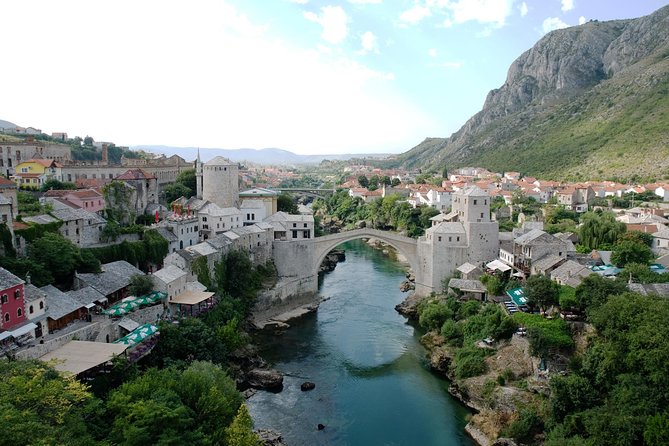
- Mostar Old Bridge sightseeing tied to the postwar rebuild and UNESCO recognition
- Authentic Ancient House Museum entry included (a real “hands-on” stop, not just photos)
- A planned wine tasting in Mostar, but treat it as a small tasting, not a full vineyard experience
- Medjugorje is spiritual and physical: church time plus a hike option on jagged terrain
- Small group size (max 20), so questions and navigation stay easier than on huge buses
A smart day trip out of Split: why this combo works
If you want Bosnia and Herzegovina in one day, this tour gives you a clear two-part story: Mostar for the town’s historic layers, then Medjugorje for its pilgrimage energy. The schedule is built around geography—long drive first, then focused sightseeing blocks—so you’re not spending the day trapped in traffic.
The real value here is that you’re not just looking at landmarks. You’re getting guided commentary to help you understand why Mostar’s Old Bridge matters, and why Medjugorje draws people from around the world.
You can also read our reviews of more food & drink experiences in Split
The 10-hour rhythm from Split/Trogir to Bosnia
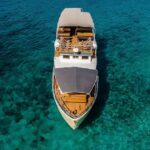
Plan on a full day. The tour runs about 10 hours total, with pickup starting 30 minutes before departure from your hotel in Split or Trogir. Expect driving time to be approximate because traffic and border flow can change things.
Practically, this matters because you should treat the sightseeing stops like “scheduled blocks,” not open-ended wandering. If you’re the type who loves long, slow museum time, you’ll want to manage expectations—especially in Medjugorje.
Mostar first: Old Bridge, bazaar lanes, and a real museum stop
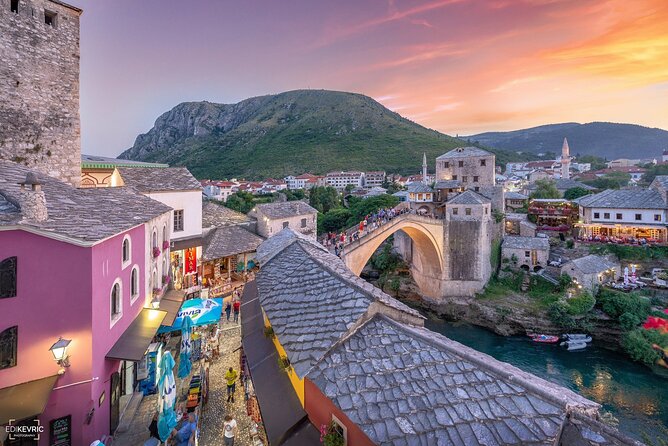
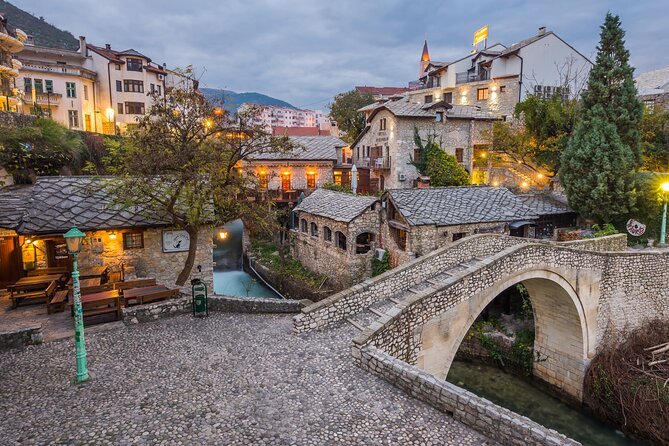
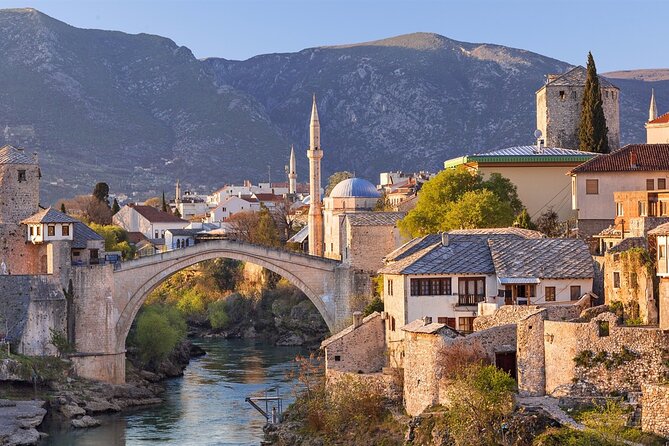
Mostar is where the day starts to feel alive. You’ll meet your guide and get an orientation that covers the city’s history, then move through the old bazaar area where shops and workshops still give you that market-street feel.
The itinerary also includes time for an Old Bridge walk—the famous 16th-century landmark. Even though the bridge itself is the star, what makes it more than just a photo stop is the explanation around the bridge’s rebuild and the restoration work connected to UNESCO efforts.
Then comes a stop with actual staying power: entry to the Authentic Ancient House Museum. That’s a strong inclusion for a day trip because it slows you down for a bit and shows daily life through period interiors, not just street views.
The “free time” part in Mostar (and what to do with it)
After the guided portion, you’re given free time—this is when the day becomes yours. Use it to browse, buy small souvenirs, and try Bosnian bites like cevapi, pita, and burek. Since food and drinks aren’t included, this is also where you can make the day feel like a meal, not a snack.
Here’s a practical tip: Mostar’s lanes reward curiosity, but you’ll also see shops pushing sales hard. If you’re picky about value, you can keep purchases to a small list—one edible souvenir, one local craft—then spend the rest on wandering and photos.
Wine tasting in Mostar: nice bonus, but don’t expect a vineyard tour
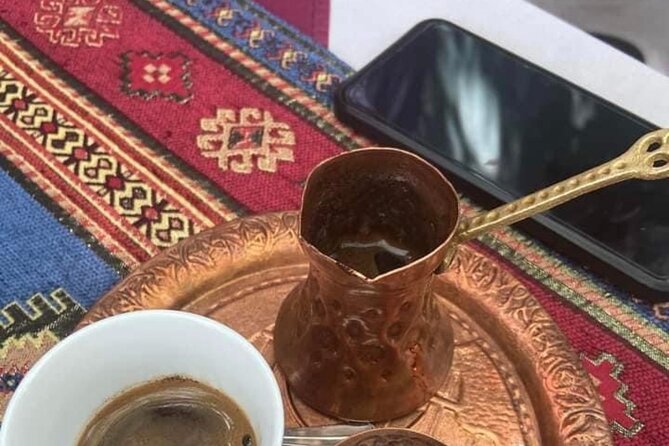
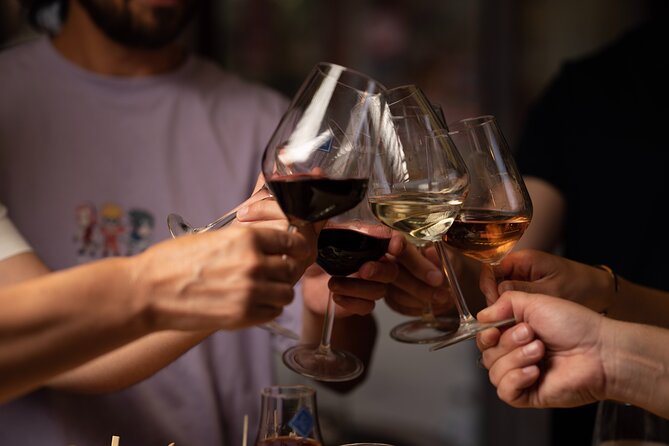
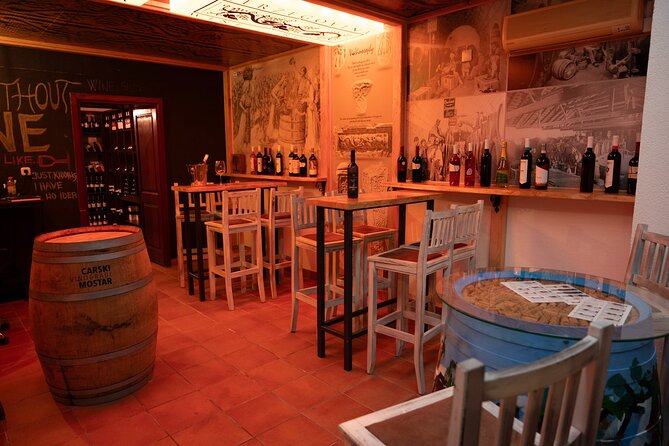
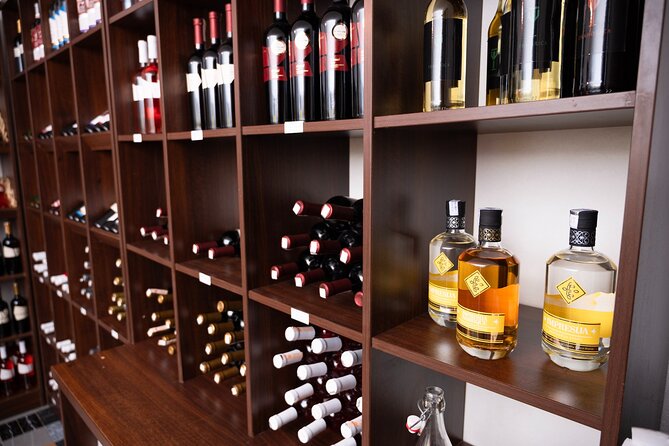
The tour description includes a wine tasting in Mostar, described as guests tasting a glass. That can be a fun way to sample something local while you’re already in a market area.
That said, the wine element seems to be one of the most variable parts of the experience. Some people loved it; others felt it was tiny (more like a sip than a tasting flight). A couple of departures even reported that the wine/museum portion didn’t happen as advertised when the tour ran short.
So how do you protect your expectations? When you arrive in Mostar, keep an eye on timing and ask your guide when the wine stop will happen. Think of it as a small add-on, not the main event.
You can also read our reviews of more wine tours in Split
Medjugorje in two hours: church time and a rocky hike option
Medjugorje is a completely different mood from Mostar. The town is known for the 1981 apparition claims and the pilgrimage that followed, and the focus of your stop is centered around two main experiences: Apparition Hill and the Church of St. James.
In practice, Medjugorje time can feel like a choose-your-own-adventure within a schedule. Some departures give you the chance to visit the church and still have time for the hike option. Others lean more heavily toward the hill, and some reviews point out that church time can become short if the day is running behind.
If you plan to hike up for Apparition Hill views, be ready for rocky, uneven terrain. A number of people noted it can be intense and slippery-looking underfoot. Bring footwear with grip and plan to move carefully on the way down.
What you’ll likely feel at each stop (beyond the checklist)
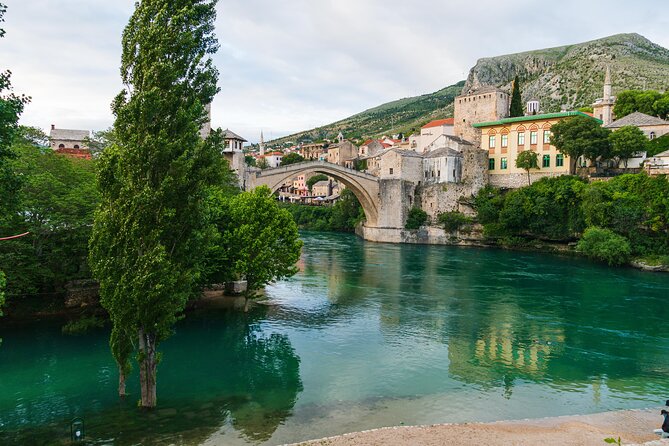
Mostar tends to hit harder emotionally than people expect. Even with the repaired, pretty Old Bridge and revived old-town streets, the city’s story is tied to the early-1990s war and the reality of rebuilding. That mix can make the walking time feel more meaningful than it sounds on paper.
Then Medjugorje shifts from history to faith. Even if you’re not deeply religious, the atmosphere—people praying, gathering, and taking in the hill area—can feel powerful. The town’s rolling scenery helps too; the views make the effort feel worth it.
Guides and drivers: where the day can really win (or lose)
This tour is very dependent on how the day is managed, and that comes down to the guide + driver team. The good news: there’s strong evidence of excellent pairings. People have praised guides such as Amer, Ana, Adriana, and Ena in Mostar, often for clear explanations and friendly pacing. Drivers like Antonio, Ivan, and Igor have also been singled out for making the ride more than just “sit and wait”—with good conversation and helpfulness.
But there’s also a caution: if timing gets compressed, some promised pieces (like the full museum visit or the wine stop) can suffer. That’s usually not a “bad tour” problem—it’s a tight-day logistics problem. You’ll get the best experience if you stay flexible, ask questions early, and keep an eye on the schedule.
Price and value: what you’re actually buying for $90.51
At $90.51 per person, you’re paying for the big-ticket items that are hard to DIY in one push: transport from Split (or Trogir), hotel-area pickup, and guided sightseeing across two countries. You’re also getting included entry to the Authentic Ancient House Museum, plus the Old Bridge is treated as a free sightseeing segment.
You’re not paying for your meals and drinks—food is on you. Since you’ll be in Mostar for shopping and bites anyway, that usually works out fine, but you should plan a budget for lunch and snacks.
If you want the value equation to tilt strongly in your favor, focus on what’s included that matches your interests:
- you like guided context and structured time
- you’re happy with a short wine tasting rather than a long tasting experience
- you don’t need Medjugorje to include a long church service window
Border crossing and the one practical thing people forget: your passport
This is non-negotiable. The tour crosses into Bosnia and Herzegovina, outside the EU/Schengen zone. You’ll need a current valid passport on the day of travel. Some people have been turned away at the border for using ID cards instead of passports.
There’s also a border crossing fee: €5 per person, accepted as cash at the meeting point. That’s easy to handle if you plan ahead, and a headache if you don’t have cash ready.
Do yourself a favor: pack your passport where you can reach it quickly, and carry a small amount of cash.
Practical packing: shoes, rain plans, and how to stay comfortable
The tour operates in all weather conditions, so dress for real conditions, not “tourist weather.” If rain shows up, the rocky hill areas in Medjugorje can be trickier—so footwear matters even more.
Also remember the day includes a mix of short guided walks and longer stretches where you’re on your own. Bring:
- grippy shoes for rocky terrain in Medjugorje
- a light layer for temperature swings during the drive
- a small crossbody or pocket for your passport and cash
And if you get motion-sick easily, you might want a travel pill or ginger. The minivan/coach ride is long enough to test anyone.
Should you book this tour? My take
Book it if you want a high-impact Bosnia taste test with guided time in both Mostar and Medjugorje, and you’re okay with a day that feels structured (not leisurely). It’s a strong pick for first-timers who want the key landmarks and some context, plus optional shopping and quick food stops.
Skip it—or choose a different format—if:
- you’re expecting a full “wine country” experience (the tasting seems small)
- you want lots of time at Medjugorje to linger in church without pressure
- you’re uncomfortable on rough, uneven ground and want more flexible pacing
If you go in with the right expectations, this tour can be memorable in a very real way: you’ll walk the Old Bridge, sample local flavor in Mostar, then spend time in one of Europe’s most famous pilgrimage towns—two moods, one day, and zero wasted hours circling around.
FAQ
How long is the Mostar and Medjugorje tour from Split?
The tour duration is listed as about 10 hours, with driving times that are approximate and depend on traffic.
What is the pickup timing and where does pickup happen?
Pickup is offered from your hotel area in Split/Trogir, starting 30 minutes before the tour begins. If pickup time changes, you’ll be informed one day before.
Do I need a passport for this tour?
Yes. A current valid passport is required because the tour crosses the border into Bosnia and Herzegovina.
Is there a border crossing fee?
Yes. There is a €5 per person border crossing fee. It’s accepted as cash at the meeting point.
Is the tour in English?
Yes, the experience is offered in English.
Is wine tasting included?
Wine tasting is part of the Mostar portion of the program, with guests invited to taste a glass of wine.
Are meals included?
No. Food and drinks are not included, so you’ll want to budget for lunch or snacks during free time.
What should I wear for Medjugorje?
The town stop includes an option to visit Apparition Hill, and the terrain can be rocky. Wear appropriate footwear and dress for weather since the tour operates in all conditions.
How big are the groups?
The tour has a maximum of 20 travelers, which usually keeps the day from feeling too chaotic.