REVIEW · TROGIR
Krka Waterfalls and wine tasting Tour from Split or Trogir
Book on Viator →Operated by Tours in Croatia · Bookable on Viator
Krka waterfalls in one long, guided day. You’ll get two big Krka zones (Skradinski buk and Roški slap) plus a nature-and-river feel that’s easier than driving yourself. I also like the way the tour builds in time to walk at a comfortable pace and then cool off for a swim, not just stare at water from one spot.
One thing to plan for: you’ll pay the Krka entrance fee in cash on the day, and you’ll do a fair amount of walking plus steps/boardwalks.
In This Review
- Key highlights worth knowing
- Krka Waterfalls by bus: the full-day plan from Split or Trogir
- Getting to Krka fast: what the drive adds to the day
- Skradinski buk: boardwalks, wooden bridges, and the restored village feel
- Roški slap: where swimming is possible, and why timings matter
- Lunch at a Dalmatian konoba: optional, but often worth it
- The wine tasting stop: a practical way to sample Croatian flavor
- Panoramic road views back to Trogir or Split (and a possible Šibenik bonus)
- Price and value: what you’re really paying for
- What to pack and how to handle the walking
- Who should book this Krka and wine day (and who should skip)
- Should you book this Krka Waterfalls and wine tasting tour?
- FAQ
- How long is the Krka Waterfalls and wine tasting tour?
- Where does the tour start?
- Is the Krka National Park entrance ticket included in the price?
- How much is the Krka National Park entrance fee?
- Do I have to bring cash for the park ticket?
- Is lunch included?
- Is wine tasting included?
- Can I swim at Krka during this tour?
- Are pets allowed on the tour?
- Cancellation
Key highlights worth knowing
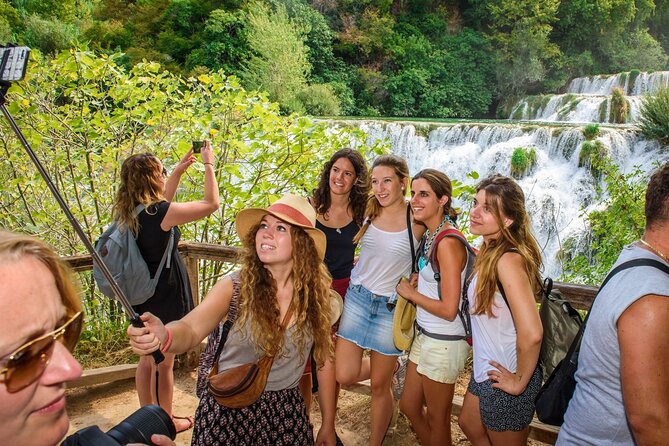
- Skradinski buk with a guided village-style walk: small stone houses, workshops, exhibits, and watermills give context to how water powered daily life.
- Roški slap is the real swimming stop: the park’s swimming rules are limited, and this tour includes the spot where it’s allowed.
- Wine tasting stop: typically includes multiple Croatian pours (I’ve seen it done as four wines), so it’s not just a quick photo break.
- Round-trip transport from Split or Trogir: air-conditioned bus, guided narration, and a smooth door-to-coast day flow.
- Short town time on some departures: you may get a look at Šibenik’s old center, depending on timing.
Krka Waterfalls by bus: the full-day plan from Split or Trogir
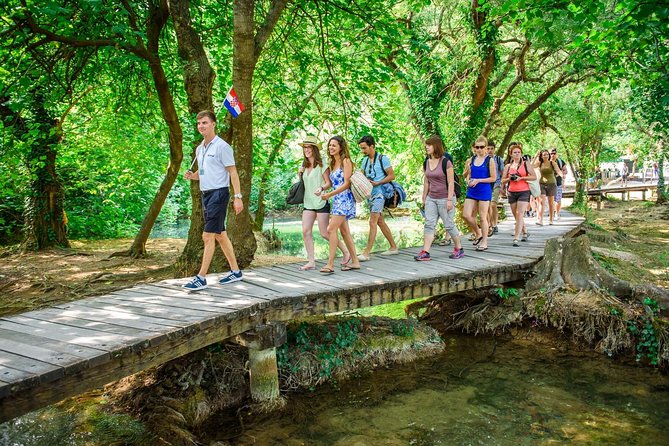
This tour is built for people who want Krka National Park without wrestling with parking, signage, and bus schedules. From Split or Trogir, you start with a pickup at a designated meeting point and settle into an air-conditioned bus for the drive. Along the way, you get roadside perspective on how the coast meets the hinterland, which makes Krka feel less like a random stop and more like a whole region.
The day is long, around 9 hours, and it’s structured around two different kinds of Krka beauty. First you walk in the Skradinski buk area, where the waterfalls sit alongside trails, bridges, and restored old village elements. Later you move to Roški slap for a calmer setting and a chance to relax in the water where swimming is permitted.
A practical bonus: the tour includes skip-the-line admission. Since the park ticket itself isn’t included, you still pay the entrance fee in cash on the day. But that guided-group setup helps you avoid wasting your limited time at the entrance.
You can also read our reviews of more food & drink experiences in Trogir
Getting to Krka fast: what the drive adds to the day
The scenery from the bus matters more than you’d think. There’s a steady progression from sea-and-coast viewpoints into greener inland stretches, and you’ll pass through small places along the route back as well. One useful tip I picked up from firsthand experience shared by others: for photo views from the road, choose the left side of the bus when you can.
You also get a guide talking through what you’re seeing. Depending on the group, guides I’ve heard named include Darijo, Ernest/Ernesto, Igor, Silvio, and Toni—each with a different style, but the common thread is keeping the ride informative without turning it into a lecture. If you’re the type who likes explanations on the way, this part can feel like the warm-up act that makes the waterfalls land harder.
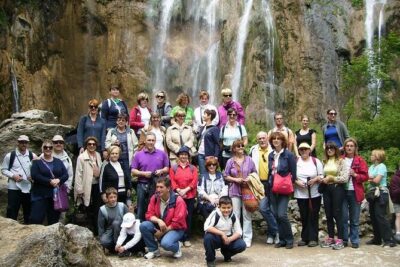
Group size is capped at a maximum of 53, which is big enough to meet people but small enough that you’re not wandering helplessly. You’ll still want to listen carefully at meeting points, especially when the plan adjusts for crowds and traffic.
Skradinski buk: boardwalks, wooden bridges, and the restored village feel
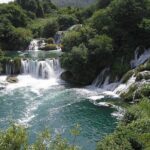
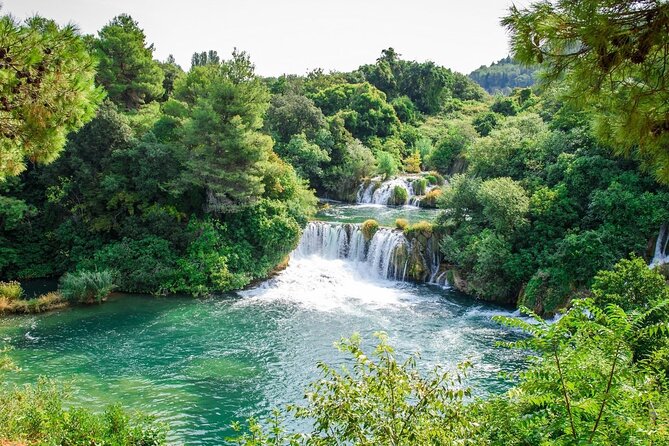
Skradinski buk is why most people book Krka in the first place. The waterfalls here are famous for a reason: the river drops in wide steps, and the walkways are designed so you can see water from multiple angles without needing a helicopter view.
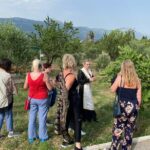
What makes this stop better than a rushed waterfall loop is the guided walking sequence. You start with a professionally guided portion that moves through a restored ensemble of small stone houses, workshops, exhibits, and watermills. It’s a historical presentation, but not in a museum-glass way. You’re literally walking through the structures and then stepping onto trails that connect to the river’s power and the area’s plants and animals.
After the village-style walk, you transition into nature pathways—forest sections, then wooden bridges—so the experience alternates between “here’s how people lived with water” and “here’s how the park moves today.” You’ll also pick up conservation notes from your guide. That matters because Krka isn’t just pretty; it’s protected for a reason, and the rules feel less arbitrary once someone explains the thinking behind them.
Time allocation here is about 2 hours on-site. That’s enough to do the main walking circuit without turning the day into a sprint. The main drawback is simple: the trails are outdoors and can feel long when the weather turns hot. If you like to take photos slowly, bring a good attitude and plan for multiple “just one more view” moments.
Roški slap: where swimming is possible, and why timings matter
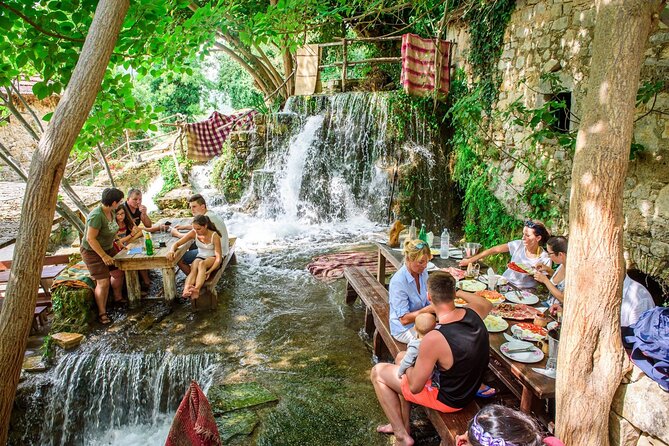
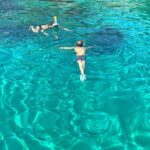
Roški slap is the calm break in the middle of the day. It’s described as a serene preserve, and it’s also the key swimming stop. This is where it’s important to separate marketing pictures from current rules: swimming across the whole park isn’t allowed. What is included on this tour is the chance to refresh yourself at Roški slap.
Expect around 90 minutes to a couple of hours in this area, plus time to relax. You can cool off, hang out near the water, and enjoy the view without feeling like you’re constantly “on” for the next photo. In hot months, this stop is the difference between a pleasant day and a painful one.
One more detail that helps your planning: if crowds and traffic are heavy, the order may flip—Roški slap first, then Skradinski buk later. That’s not a downgrade. In practice, it can be a smart swap that gets the swimming done when energy levels are higher.
Lunch at a Dalmatian konoba: optional, but often worth it
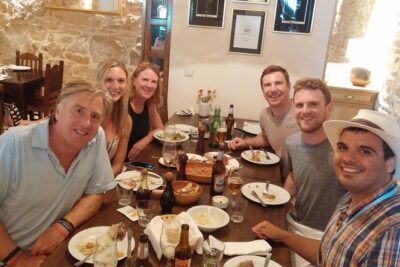
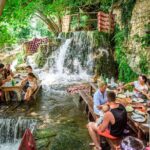
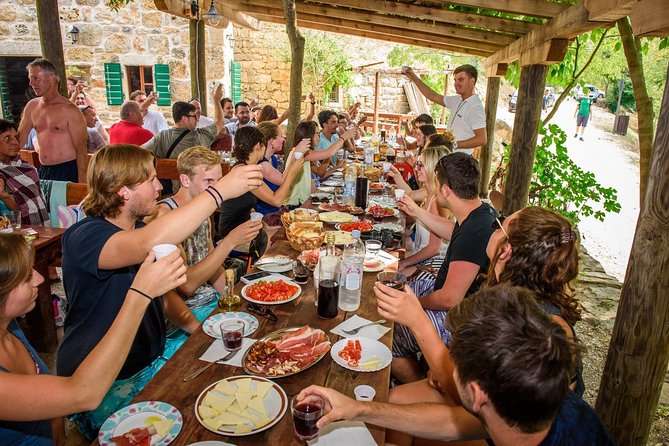
Lunch is optional, but the structure is still useful. You’ll have a break where you can eat at a traditional Dalmatian konoba (tavern). The typical style of meal you’re offered is local and hearty: prosciutto, cheese, hearty bread, wine, and fresh produce.
Here’s the honest value perspective: if you’ve been snacking through the morning and you want a real sit-down meal, paying for lunch here often feels like the easiest choice. But if you’re traveling light or prefer your own plan, you can skip it and use the time to explore or rest.
If you do eat, don’t overthink it. This is comfort food in a scenic setting. The real win is that you’re fueled for the later river-canyon viewpoints and any extra walking.
The wine tasting stop: a practical way to sample Croatian flavor
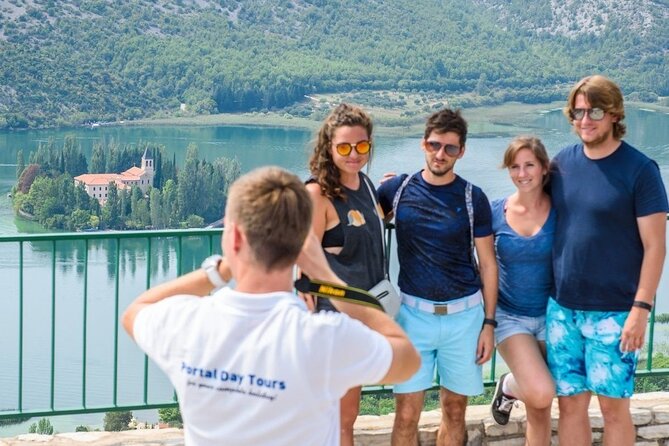
This tour includes a stop to do wine tasting. The tasting is set up as a guided option rather than a random pull-into-a-shop moment, and in one version it includes four different local wines. That’s a nice format because you’re not guessing what you like; you can compare styles and get quick flavor education that’s hard to do at a restaurant table.
I like wine tasting stops on tours when they’re short and focused. This one fits because you’re already in a region connected to Dalmatian food culture. And after walking all day, it’s a good mental reset.
One consideration: wine tasting can change how you feel about the next leg of the day. Stick to water alongside wine, and pace yourself if you plan to keep walking or if you’re sensitive to alcohol.
Panoramic road views back to Trogir or Split (and a possible Šibenik bonus)
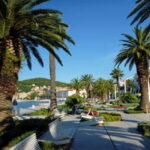
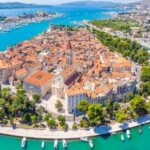
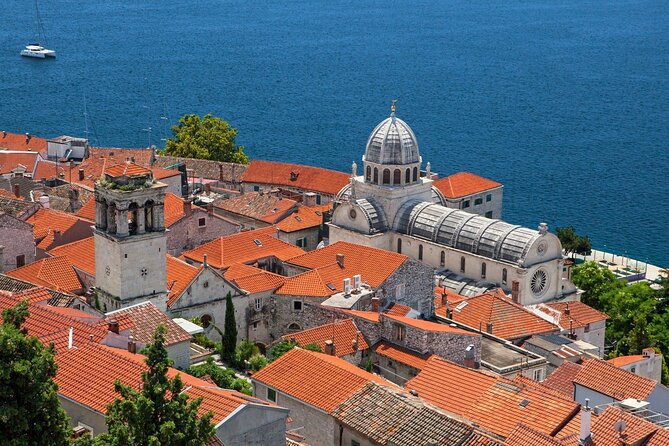
The return ride is part of the experience, not just downtime. You’ll drive along the coastal road passing places like Primosten and Marina, plus offshore islands. That stretch is often where you can enjoy the “how coastline becomes island country” geography without getting out of the bus.
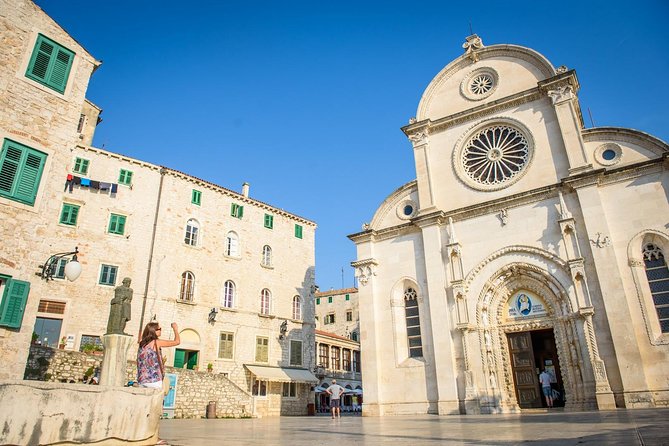
Some departures also include a short look at Šibenik old city center for about an hour. If that’s on your date, treat it as a bonus window, not a full city visit. You’ll get a taste of the old-town atmosphere and then get back to the bus before the day stretches too long.
Either way, the ride ends back in Split or Trogir, and by then the day makes sense as a whole: waterfalls in Krka, then river/water mood on the road.
Price and value: what you’re really paying for
At about $50.81 per person, the tour fare can look like a bargain for a full-day, round-trip bus trip with an official English-speaking guide. But the real value math includes two extras:
1) Krka National Park entrance tickets (paid in cash)
2) Optional meals and wine tasting
Ticket costs depend on the season:
- June–September: Adult €30, Student €15, Youth (7–17) €15, children 0–6 free
- April, May, October: Adult €16, Student €10, Youth (7–17) €10, children 0–6 free
That means the tour can range from relatively affordable in shoulder months to more expensive in peak season once you add park entry. Still, it’s not just about price. You’re paying for guided routing, skip-the-line setup, and a day planned around the park’s best-known zones.
If you’re traveling without a car, that value improves fast. A rental car can eat up your budget once you include parking and the hassle of getting there on time. This is essentially paying for convenience, plus the guide’s time.
What to pack and how to handle the walking
This is a day with moderate walking, suitable for children and older people, but it’s still real outdoor movement. You’re on boardwalks, trails, and bridges. If you show up in soft sandals with no grip, you’ll feel it by mid-afternoon.
Bring:
- comfortable walking shoes or sandals
- sportswear
- sunscreen and sunglasses
- towel if you plan to swim at Roški slap
- a swimsuit and a change of clothes if you want to take advantage of the water time
- after summer months, a warm layer can help
Also, keep your cash ready for the entrance fee. The tour asks you to prepare exact amount in cash. It’s a small step, but it prevents delays that can steal time from your walks.
Who should book this Krka and wine day (and who should skip)
This tour fits best if you want:
- guided time at Skradinski buk and Roški slap without figuring logistics
- a day that combines nature walking with a cultural bite (the restored water-powered village setting)
- a swimming break where it’s allowed, plus a wine tasting option
Skip it (or think carefully) if:
- you expect to swim everywhere in the park (you can’t)
- you hate long outdoor walks on hot days
- you want a slow travel pace with lots of free-roaming time in one single area
One more note: pets aren’t allowed on the tour. If that affects your plans, look for a different option.
Should you book this Krka Waterfalls and wine tasting tour?
If your goal is a high-value, guided Krka day from Split or Trogir, I’d say yes—especially in April, May, or October when the park ticket cost drops and the weather is usually easier for walking. The biggest strengths are the structured time in two key areas, the Roški slap swimming stop, and the fact that the day is organized around what most people actually want to see.
Book it if you like clear guidance, scenic bus time, and a short cultural detour like the restored village watermills. Consider a different plan if your priority is maximum freedom to explore every corner of Krka by yourself, or if swimming across the waterfalls is a must-have expectation.
FAQ
How long is the Krka Waterfalls and wine tasting tour?
It runs about 9 hours.
Where does the tour start?
You’re picked up from designated meeting points in Split or Trogir.
Is the Krka National Park entrance ticket included in the price?
No. You must pay the Krka National Park entrance fee in cash on the day of the tour.
How much is the Krka National Park entrance fee?
For June 1 to September 30: adults €30, students €15, youth (7–17) €15. For April, May, and October: adults €16, students €10, youth (7–17) €10. Children 0–6 are free.
Do I have to bring cash for the park ticket?
Yes. The tour asks you to prepare exact amount of cash for the entrance fee.
Is lunch included?
Lunch is optional at a local tavern (konoba).
Is wine tasting included?
There is a stop for wine tasting during the tour.
Can I swim at Krka during this tour?
Swimming is possible at Roški slap, which is included as a swimming-relaxation stop.
Are pets allowed on the tour?
No, pets are not allowed.
Cancellation
You can cancel for a full refund up to 24 hours before the experience start time.