REVIEW · TROGIR
Experience Trogir with a Local Guide
Book on Viator →Operated by Emaus Tourist Guide Trogir · Bookable on Viator
Trogir packs a lot into small streets. This local-guided walk helps you read the town like a story, from the North Gate and city walls to the bells and portals of Saint Lawrence’s Cathedral. I especially like how the guide connects big moments (Ottoman threats, French rule, Venetian influence) to everyday details you can actually see on the ground. One thing to consider: some of the most rewarding stops have optional paid entry, so check the 6€/person cathedral cost before you decide.
What makes it work well is the mix of town-watching and myth-busting history. Your licensed guide keeps the pace calm, points out where locals hang out (including the promenade), and adds little human touches that make Trogir feel lived-in rather than museum-like. If you want a full-time deep dive into every building, this may feel a bit too “walk-and-talk,” since the whole tour runs about 1 hour 20 minutes to 2 hours.
In This Review
- Key things you’ll notice on this Trogir guided walk
- The short route through Trogir that feels like real town time
- Meeting point and timing: 9 to 7 days, then walking starts
- North Gate to the Petar Berislavić story: where the town begins
- A museum that used to be a noble palace (and why that matters)
- Kula Karmelengo: Ottoman-era shelter turned concert stage
- Igralište Batarija: the UNESCO-protected football field you didn’t expect
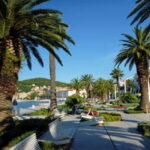
- Trogir Promenade: the town’s everyday center, not just tourist scenery
- South Gate and the Benedictine Monastery of St Nicholas: a perfect photo frame
- Central Square: trials, palaces, and Venetian lions
- Saint Lawrence’s Cathedral: Radovan portal, bells, and optional ticket time
- Price and value: where your $82.80 really goes
- Who should book this tour (and who might skip it)
- Should you book a local-guided walk in Trogir?
- FAQ
- How long is the Trogir with a Local Guide experience?
- How much does the tour cost?
- What language is the tour offered in?
- Is this a private tour?
- Where does the tour start and end?
- Is the cathedral entrance included?
- Do I need to pay for other stops?
- Are there any tips on when the tour runs?
- Is the tour accessible?
- What is the cancellation policy?
Key things you’ll notice on this Trogir guided walk

- North Gate street-level history: why you couldn’t enter town freely in medieval times, plus stories tied to local saints and bells
- Petar Berislavić’s birth house: a direct link to a major Croatian figure, not just postcard views
- Kula Karmelengo’s chain-charged past: a fortress that shifted from defense to today’s summer concerts
- A UNESCO-protected football field: yes, there’s an extraordinary field here, plus nearby St Mark details
- The promenade as real life: coffee stops and daily rhythm, not only sightseeing
- Saint Lawrence’s Cathedral options: Radovan’s portal and a belltower climb if you choose entry
The short route through Trogir that feels like real town time
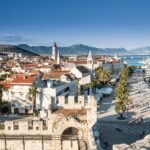
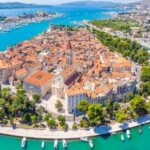
Trogir is the kind of place where you can walk five minutes and feel a new chapter start. The guided format is great here because it gives you a map for what you’re seeing: gates weren’t just entrances, squares weren’t just pretty, and churches weren’t only for architecture lovers.
I like that you get both the “wow” moments and the small clues. You’ll hear why bells mattered to ordinary life, why certain spots became gathering points, and how different rulers left marks you can still trace in stone and street layout. And with a private setup—only your group—your pace can stay comfortable instead of getting rushed by a crowd.
You can also read our reviews of more guided tours in Trogir



Meeting point and timing: 9 to 7 days, then walking starts
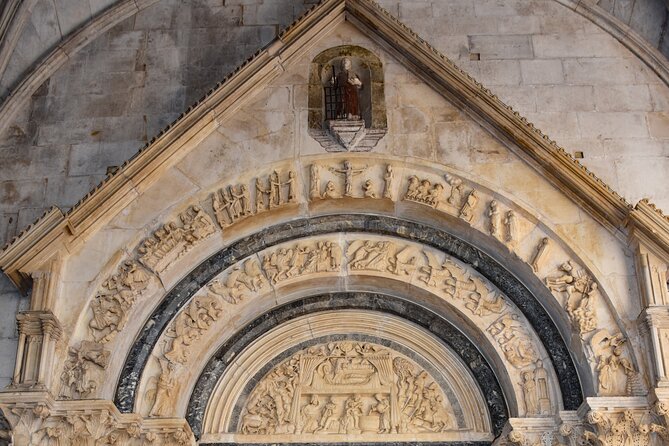
The tour begins at Ul. Gradska vrata 6, 21220, Trogir, and ends back at the same place. That matters more than you’d think: starting near the gates means you begin with the town’s protective logic, not with a random square.
It runs about 1 hour 20 minutes to 2 hours, so plan to treat it like a high-quality orientation plus highlights. The schedule shown is Monday to Saturday, 9:00 AM to 7:00 PM (with service continuing across the listed date range). If you’re doing other things that day—boat trip, lunch, or beach time—this is a good early or middle-day slot.
North Gate to the Petar Berislavić story: where the town begins
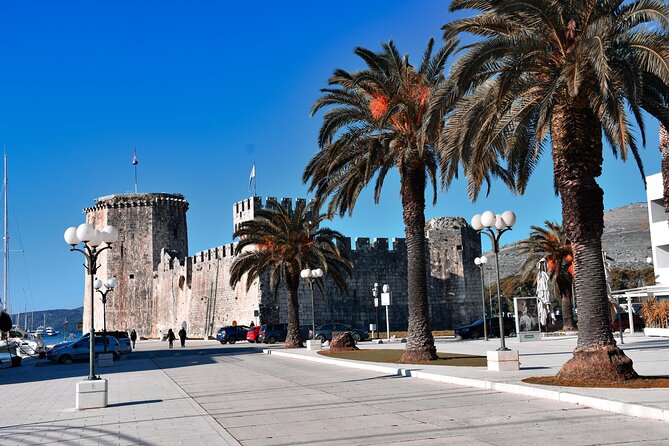
Your first stop is the Historic City of Trogir, starting at the North Gate, the main medieval entrance. The guide sets the scene quickly: the town was fortified with walls, and people couldn’t enter whenever they liked. That instantly changes how you look at the street shapes. You start noticing constraints—where access points were, and how movement worked back then.
Then the walk turns personal and local. You’ll hear how the town got its name and who the first settlers were. You’ll also get the kind of detail most guidebooks skip: the patron saint connection, why the bells played a significant role in daily life, and how those traditions carried weight for generations.
A highlight is stopping in front of the birth house of Croatian nobleman Petar Berislavić. Even if you’re not a history nerd, this is a smart use of time because it links the town’s physical space to real people tied to Croatia’s broader story. The admission for this segment is listed as free, so you’re not stuck paying extra just to get the context.
A museum that used to be a noble palace (and why that matters)
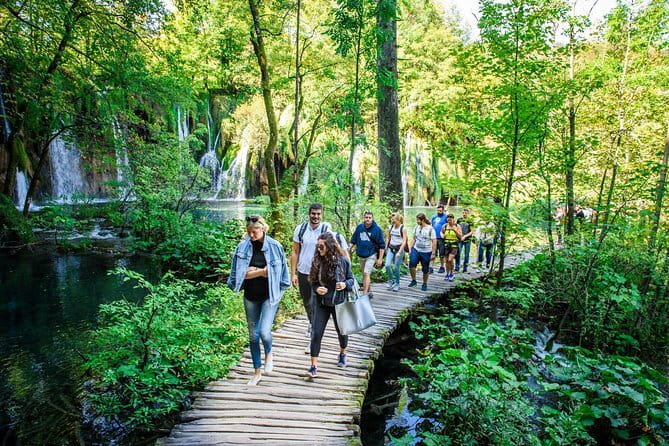
Right after the gate stories, you’ll stop where a museum sits today. The key idea: it used to be a noble palace, so the building itself is part of the narrative. That’s more than a trivia nugget. It helps you understand why social life would have looked and sounded different here over time.
This is the kind of stop I like on guided walks. You don’t need to spend hours inside to get value. You get enough framing to recognize the role of power and everyday routines—and you can decide later if you want to return independently for deeper reading.
Kula Karmelengo: Ottoman-era shelter turned concert stage
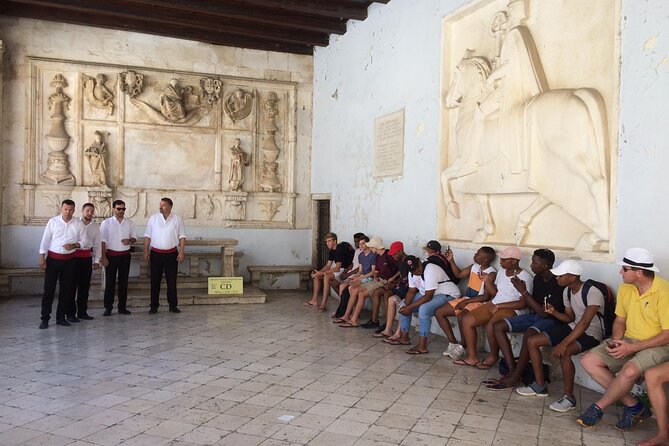
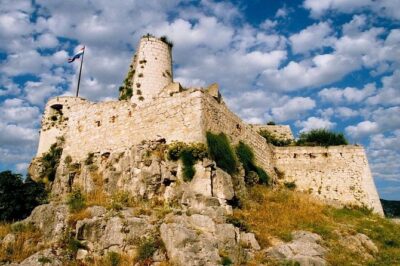
Next comes Kula Karmelengo, the fortress connected to defensive history during Ottoman invasions. The guide explains that it should’ve been a shelter for the town’s rector at the time of threats. That gives you a sense of why a “fortress” isn’t just a scenic structure—it has a job.
Today, it’s tied to music and seasonal culture. You’ll hear about how this setting becomes a place for summer concerts. It also has an older identity: it was once called the fort of chains, and you’ll get the reason behind that name.
You’ll visit mainly from the outside, and entrance is optional (the listing notes the entry isn’t included). If you’re the type who loves photos and wants the vibe without paying, you’ll be fine. If you love stepping into fort interiors, consider budgeting time in your day to go back later.





Igralište Batarija: the UNESCO-protected football field you didn’t expect
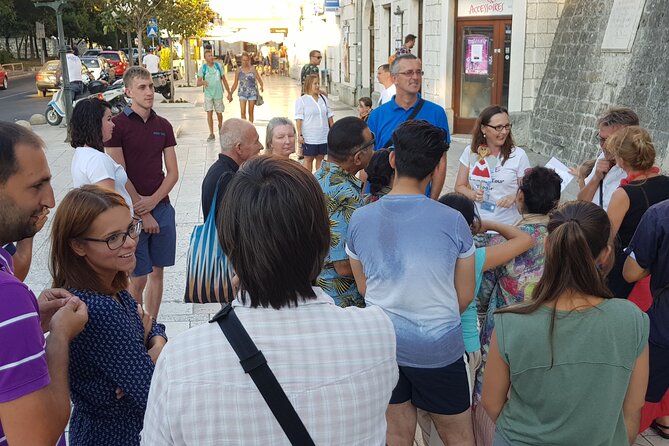
Here’s a fun left turn in the best way: Igralište Batarija, a football field protected by UNESCO. Not many places in the world can claim that, so it’s a memorable stop even if you’re not into soccer.
From this area, you’ll also see a gloriette dedicated to French rule and the tower of St Mark. Even if you only catch it from outside, this mix is useful. It shows how rulers changed the look of public spaces, and it gives you a chance to connect art and politics without leaving the street.
This stop is about short timing and quick payoff—listed as roughly 10 minutes with free admission. It’s a good break from heavier architecture talk, and it keeps the walk feeling surprising.
Trogir Promenade: the town’s everyday center, not just tourist scenery
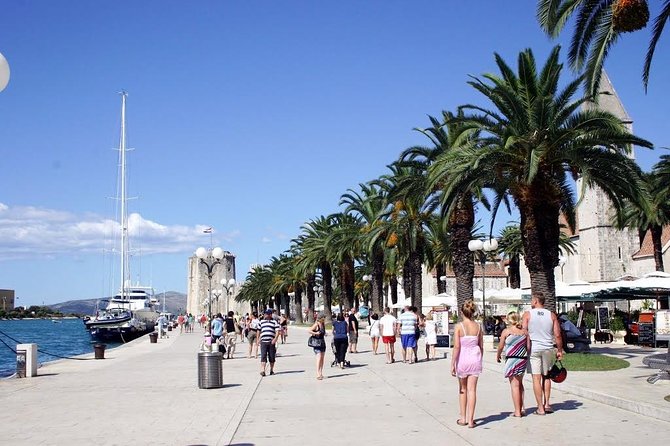
After the historic and military layers, the route reaches Trogir Promenade, the center of daily life. This is one of those stops that can be oddly hard to capture on your own because you might focus only on monuments. Here, you’re pointed to where people actually spend time—relaxing and having coffee.
That matters because you experience the town in the same rhythm locals do. If you’re timing your walk around the day’s energy, you’ll probably notice more movement here: conversation, strolling, and the kind of relaxed pace that makes Trogir feel like a place you could live, not only visit.
Admission is listed as free, and the time is short (around 10 minutes). Think of it as your “breathe and reset” moment.
South Gate and the Benedictine Monastery of St Nicholas: a perfect photo frame
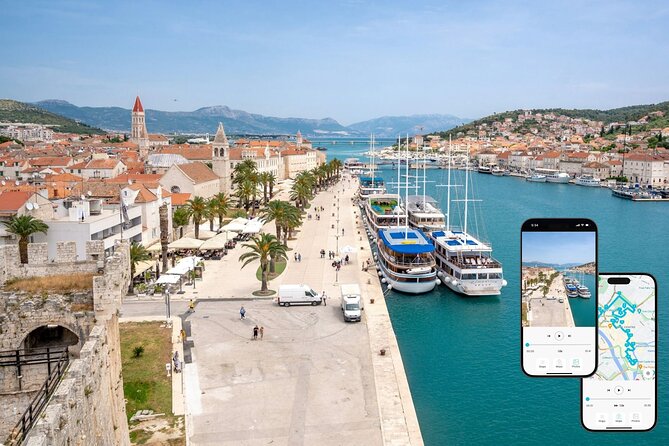
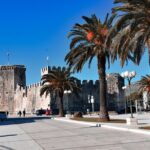
Next up is Južna gradska vrata (South Gate), with original doors that would close in the evening. The guide explains how gates controlled the town’s boundary—not only physically, but socially. You’ll also hear about the small lodge beside the gate that could provide shelter during the night.
From a photo perspective, the gate acts like a frame. The colors changing through the day is part of what makes people linger here, and the guide’s timing helps you catch the look without wasting time guessing.
Behind the gate, you’ll connect the story to a church and the Benedictine Monastery of St Nicholas, plus the idea of Trogir as the town of the happy moment. This is one of those thematic links that makes the architecture feel emotional, not just old.
This stop is short and listed as free, but it’s one of the strongest “I get it now” moments because it ties structure, routine, and belief into one small area.
Central Square: trials, palaces, and Venetian lions
Your walk then reaches Central Square, where most of the key buildings cluster together: the court, Rector’s Palace, noble palaces, and the cathedral. When everything is in one place, it’s easy to lose the thread. The guide prevents that by pointing out the stories that made the space matter.
You’ll hear about Venetian lions, trials, and a theatre that once sat at the heart of Trogir’s public life. You’ll also get a sense of how wealth and power moved through these spaces—who would have come here, and why.
The cathedral is part of this square, but you don’t jump straight into it yet. That’s smart. You get the broader civic picture first, so the cathedral later lands with more meaning.
Admission for the square portion is listed as free. Time is around 20 minutes, which gives you space to look up at details without feeling like you’re speed-walking through a checklist.
Saint Lawrence’s Cathedral: Radovan portal, bells, and optional ticket time
The big finale is Saint Lawrence’s Cathedral. This is the main attraction and, historically, the most important building in the town—with strong impact today too. The guide points out Radovan’s portal and the magnificent belltower, plus you’ll hear about a drawing on the wall that still amazes people.
Here’s your key choice: entrance is optional. The listing notes cathedral entry costs 6€/person, which isn’t included. If you’re curious, the ticket can be worth it because the guide highlights specific indoor possibilities: the chapel of St John, the baptistery, and the chance to climb the belltower for a view.
If you prefer to keep costs down, you can still enjoy the exterior and stand in front for the best photo angles. But if you like “details you’d miss alone,” that optional paid entry is the one to consider.
Price and value: where your $82.80 really goes
At $82.80 per person, you’re not paying for a long museum day. You’re paying for a focused walk with a licensed local guide and a route built around conversation, not just sightseeing. And since it’s private, it’s also a value move if you’re traveling with family or friends who want control over pacing.
Tickets are mostly not a problem on this route: several stops list free admission, and the fortress entry is optional. The main extra cost to plan for is cathedral entry at 6€/person. If you take the inside option and belltower climb, that’s the one place where your final total changes.
For me, the strongest value isn’t just what you see—it’s how the guide connects scenes. I love when a local guide makes the town feel inhabited. Based on the guide experience from past visitors, Sandra specifically shines at giving a balanced view of history and adding real local connections (including introductions and greetings along the way). That’s the kind of value you feel immediately.
Who should book this tour (and who might skip it)
This is ideal if you want a high-quality orientation to Trogir in under two hours. It’s also a great match if you like history told through physical places—gates, palaces, squares, and cathedrals—rather than through names and dates alone.
It also fits travelers who enjoy people-first travel. A guided walk where you’re introduced to the town’s rhythm—like the promenade—tends to work better than a monument-only tour.
If you already love reading on your own and hate paying for guided explanation, you might not need it. But for most people, the time saved in figuring out what matters is real.
Should you book a local-guided walk in Trogir?
If you want Trogir to feel like more than a postcard, I’d book it. The route is short, timed well, and packed with “this is why” explanations—fortifications, rulers, civic life, and religious symbols all woven into what you can see right there in front of you.
Also, the optional cathedral entry gives you flexibility. You can keep it budget-friendly, or you can add the indoor details if you want a fuller look. With English service, private pacing, and a guide like Sandra who brings both balance and warmth, this is a smart way to get your bearings fast and then explore the rest of Trogir on your own.
FAQ
How long is the Trogir with a Local Guide experience?
It lasts about 1 hour 20 minutes to 2 hours.
How much does the tour cost?
The price is $82.80 per person.
What language is the tour offered in?
The tour is offered in English.
Is this a private tour?
Yes. It’s private, and only your group participates.
Where does the tour start and end?
It starts at Ul. Gradska vrata 6, 21220, Trogir, Croatia and ends back at the meeting point.
Is the cathedral entrance included?
No. Entrance to Saint Lawrence’s Cathedral is paid by the client at 6€/person. Entrance is optional.
Do I need to pay for other stops?
Many stops list Admission Ticket Free. Kula Karmelengo is optional to enter, with entry not included.
Are there any tips on when the tour runs?
The listed opening hours are Monday to Saturday, 9:00 AM to 7:00 PM.
Is the tour accessible?
Yes. It is pushchair accessible, and service animals are allowed. It’s also noted as near public transportation.
What is the cancellation policy?
You can cancel for a full refund if you cancel at least 24 hours in advance. If you cancel less than 24 hours before the start time, the amount paid is not refunded.