REVIEW · SPLIT
Split Cooking Class – Afternoon Edition Shared Activity
Book on Viator →Operated by Split Cooking Class · Bookable on Viator
Cooking, eating, and Split in one go.
This class hits two things I love: a small group up to 12 and a chef-led, hands-on setup with all ingredients provided (plus Croatian wine). One thing to consider: the menu is seafood-focused, so if fish is not your thing, you should flag it early.
If you like learning by doing, this is the kind of experience that feels practical instead of performative. You’ll work on multiple dishes that typically center on fish (and sometimes shells and shrimp), local vegetables, fruits, and spices, then sit down for what you made. And yes, the wine is part of the meal flow, not an afterthought.
The biggest payoff is what you can recreate later. You’ll cook a full dinner-style spread and leave with recipes you can repeat at home, so the class keeps paying off after your last bite in Split.
In This Review
- Key points to know before you cook
- Why a 5:00 pm cooking class makes sense in Split
- Where you meet (and how the class is set up)
- The menu you’ll cook: fish-forward, but not one-size-fits-all
- What you actually do in the kitchen
- Wines aren’t random here: they match the food
- Ingredients and hassle-free learning (that’s the real value)
- Price and logistics: what you’re paying for
- Who this class suits best
- Small moments that make it feel like a real Split evening
- Practical tips to enjoy your 4-hour cooking flow
- Should you book this Split cooking class?
- FAQ
- What time does the cooking class start in Split?
- How long is the Split cooking class?
- Where is the meeting point?
- Is there a limit on group size?
- Is the class taught in English?
- Do I get a mobile ticket?
- What food and drinks are included?
- Is the menu always seafood-based?
- Can the menu be adjusted if I don’t want certain ingredients?
- Are recipes provided so I can cook at home?
- What happens if I cancel?
Key points to know before you cook
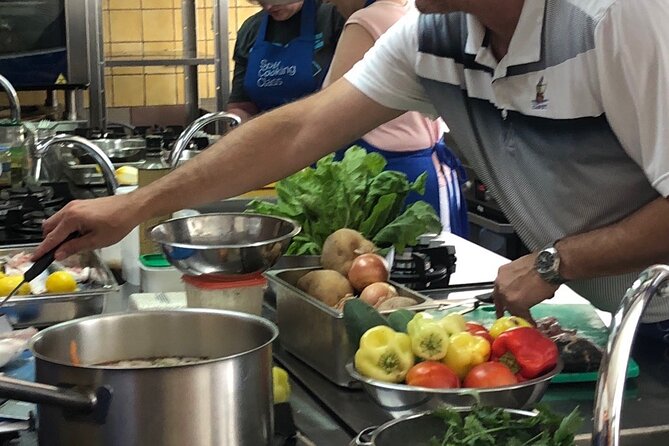
- Small group (max 12 travelers), so you get real attention while you’re working.
- 5-dish style menu, usually centered on fish, shells, shrimp, local produce, and homemade bread.
- Wine included with your meal, with a natural rhythm between cooking and tasting.
- Chef + team guidance, including friendly staff members such as Ivana and Bruna mentioned in past classes.
- Flexible preferences, since shellfish/shrimp can be skipped and meat can be added if you want.
Why a 5:00 pm cooking class makes sense in Split
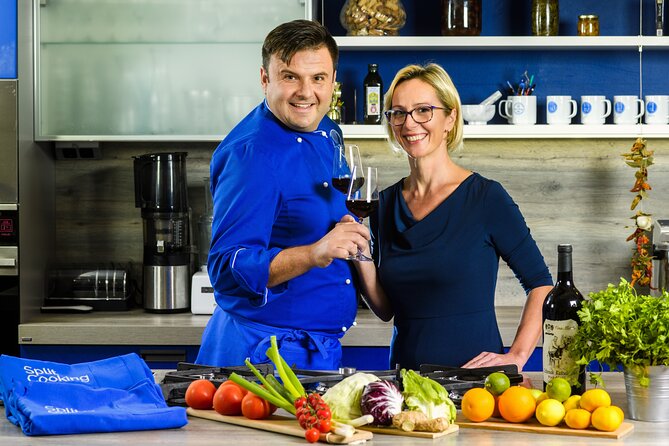
This is an afternoon session starting at 5:00 pm and running about 4 hours. That timing is perfect if you want food culture without stealing your whole day. Split’s slower evening pace makes this kind of activity feel like dinner, not homework.
You also get a clean payoff: you’re not just watching. You’re cooking, plating, and eating the same dishes that came out of your hands. That matters in a place like Split, where the best food stories are tied to ingredients you can actually taste.
You can also read our reviews of more cooking classes in Split
Where you meet (and how the class is set up)
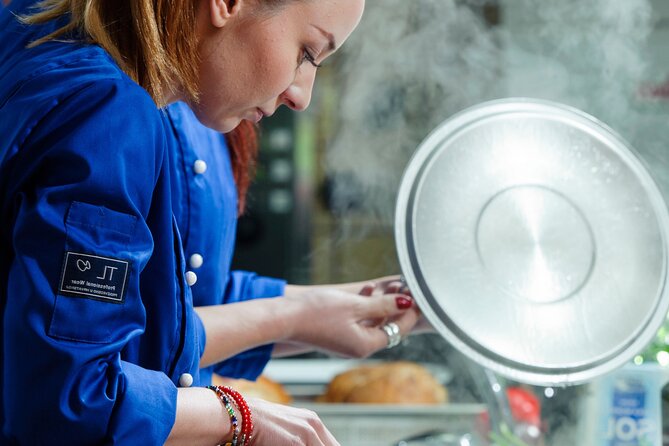
You’ll start at Jobova ul. 2, 21000, Split, and the activity ends back at the same meeting point. That round-trip simplicity is a quiet win, especially when you’re trying to plan around dinner.
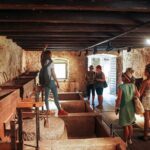
You’ll also get a mobile ticket, and the class is offered in English. Past experiences describe everything as well organized, with the kitchen work split into stations—so even in a mixed group, it doesn’t feel chaotic.
Group size is capped at 12, which is big enough to meet people but small enough to get coaching. One class experience even felt close to private when the group was tiny, which tells me the vibe can stay personal when attendance is low.
The menu you’ll cook: fish-forward, but not one-size-fits-all
The typical plan is cooking about five different dishes, often built around fish, and sometimes including shells and shrimp. You can often skip the shellfish/shrimp portion and go for another fish dish instead, and you can also request adjustments toward meat or other ingredients if that’s important to you.
Here are examples of what can show up:
- Welcome snack made by the chef to start you off
- Fish carpaccio, tartar, and octopus salad
- Fish cream soup
- Scampi risotto or homemade pasta
- Fish stew or grilled fish or shark with vegetables
- Buzara-style mussels
- Dalmatian dessert with fruit and herb liqueurs, paired with wine and coffee
This is a menu designed for variety: raw/seafood starters, warm soups, saucy mains, then a sweet, alcohol-tinged finish that feels very local to Dalmatia. If you’re picturing one bland fish plate, don’t. This is more like a chef-built dinner with multiple stops.
One practical note: if you’re a non-seafood person, don’t hope it works out by luck. In one experience, the team even adjusted the cooking to include chicken for the non-seafood diner. You should absolutely let them know your limits ahead of time so you’re not stuck wondering.
What you actually do in the kitchen
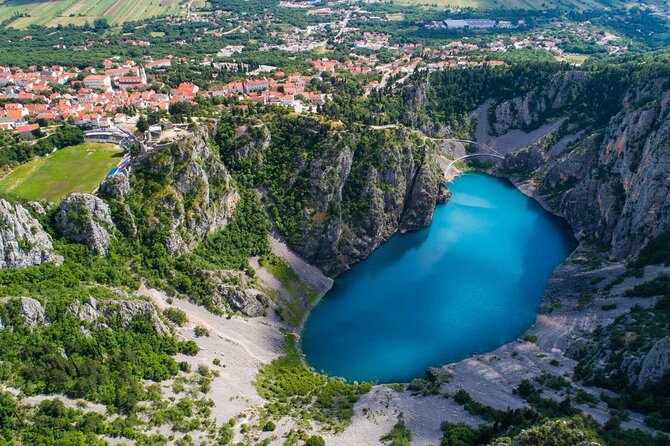
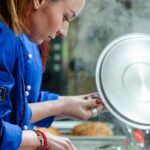
This class is hands-on from the start. The rhythm usually goes like this: the chef sets the direction, you work at your station, then everything comes together for the meal.
Past classes describe different stations such as:
- preparing and cooking elements in the kitchen
- cleaning/scaling fish
- baking bread
- making dessert
- chopping and grilling vegetables
That station approach is smart. It keeps the pace moving, and it prevents the classic cooking class problem where only one person gets to touch the food while everyone else watches.
Chef guidance is a core part of the experience. Chef Bremec is specifically mentioned in one earlier class experience as amazing, friendly, and helpful. You’ll cook with the chef, and the team assists so you can learn technique without getting stuck.
Wines aren’t random here: they match the food
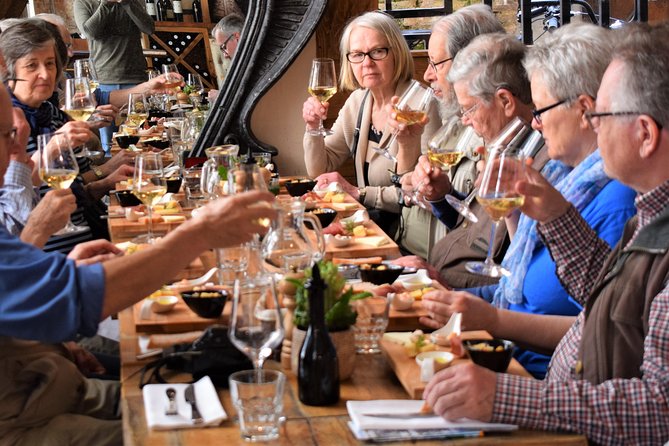
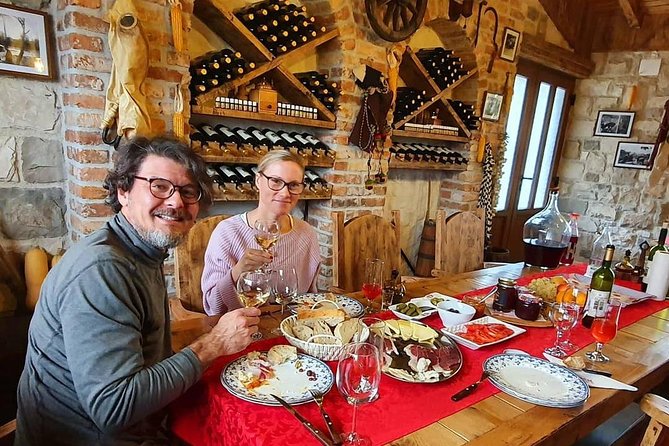
Croatian wine is included, and it’s meant to complement what you’re eating—not just to check a box. The flow often includes a moment where the class shifts from cooking to wine-focused time as dishes finish, which helps you cool down for a minute before you sit down for the full meal.
This pairing style is useful even if you don’t know much about wine. You get a taste lesson in context: one thing you cooked goes with one thing you sip, and you start building instincts for what tastes good together.
If you’re traveling with a group, this is also a social reset. Cooking can be intense. Wine time keeps it relaxed and lets you talk without worrying you’ll burn something.
You can also read our reviews of more tours and experiences in Split
Ingredients and hassle-free learning (that’s the real value)
You don’t need to think about shopping, planning, or substitutions. The class provides what you need, and the point is to make the cooking part enjoyable.
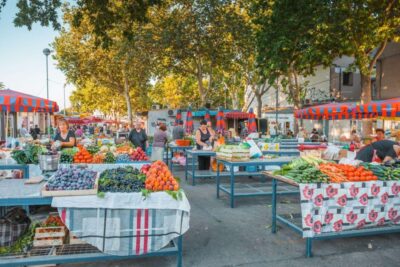
The experience is also built around local ingredients: fish, seasonal produce, fruits, spices, and homemade bread. Even if you don’t eat seafood every day, you’ll learn how Dalmatian flavors get layered—acid, herbs, spice, and sauces that cling to the dish instead of hiding inside it.
And since recipes are included and repeatable, you’re not leaving with a vague memory. You’re leaving with a menu you can recreate. That’s rare, and it’s the difference between a nice evening and something that keeps working back home.
Price and logistics: what you’re paying for
At $210.28 per person for about 4 hours, the number can look steep until you break it down.
You’re paying for:
- a small-group setup (not a big assembly line)
- a chef-led teaching environment
- multiple dishes worth of ingredients
- wine included
- a dinner you don’t have to plan or cook after
In other words, you’re not just paying for instruction. You’re paying for the whole learning package, including the part most people end up paying extra for anyway: food and drinks.
If you want a hands-on experience that also acts like your dinner plan, this is one of the cleaner ways to spend your Croatia euros.
Who this class suits best

This works best if you like:
- cooking as a team activity
- seafood and Dalmatian flavors
- learning technique you can repeat
It can also work for couples. Several past experiences mention the fun of doing it as a duo—one honeymoon experience described it as hands-on, not too serious, and a highlight of the trip.
If you don’t eat seafood, you’ll need to communicate early. This class is seafood-forward by design, so the best experience for non-seafood diners comes from requesting an alternate protein (like chicken) or a different dish plan.
Small moments that make it feel like a real Split evening
This class isn’t trying to be a fancy show. It feels like a real dinner process—prep, cook, taste, talk, eat.
That includes details that matter:
- a chef-led welcome snack to start you off
- stations that keep you involved instead of stuck waiting
- a menu that mixes raw-style starters with warm mains
- a dessert finish paired with fruit and herb liqueurs, plus wine and coffee
Even the local phrase Dobar tek shows up in the culture of the experience—basically a warm wish for your meal. Little touches like that help it feel authentic.
Practical tips to enjoy your 4-hour cooking flow
A few things that will help you get the most out of it:
- Wear comfortable clothes you can get a little messy in. Cooking can get hands-on.
- If you have dietary needs, mention them clearly in advance (especially if you avoid fish/seafood).
- Eat a light snack earlier if you’re prone to getting hungry fast—this is a full dinner-style schedule.
- Keep your phone handy for photos, but don’t let it slow your pace at the station.
Should you book this Split cooking class?
I’d book it if you want a hands-on food evening with wine included, in a small group, and you care about taking home recipes you can actually repeat. It’s also a strong choice if you like the idea of cooking multiple Dalmatian dishes in one sitting, not just making one pasta course and calling it a day.
If you hate seafood, treat that as a deal-breaker unless you message the team first. The menu is designed around fish, with options that can sometimes adjust the plan, but it’s still a seafood-centered cooking experience.
One last note for planning: it’s listed as non-refundable and not changeable, so only book once you’re confident about your schedule.
If that fits you, this is a fun, practical way to turn Split’s food culture into something you can taste and recreate.
FAQ
What time does the cooking class start in Split?
The class starts at 5:00 pm.
How long is the Split cooking class?
It lasts about 4 hours.
Where is the meeting point?
You meet at Jobova ul. 2, 21000, Split, Croatia.
Is there a limit on group size?
Yes. The maximum group size is 12 travelers.
Is the class taught in English?
Yes, it is offered in English.
Do I get a mobile ticket?
Yes, the experience uses a mobile ticket.
What food and drinks are included?
You cook and sample multiple local dishes, and Croatian wines are included to go with your meal.
Is the menu always seafood-based?
The class is typically fish-focused, often including dishes with fish and sometimes shells and shrimp. You should notify the team if you don’t enjoy fish.
Can the menu be adjusted if I don’t want certain ingredients?
The plan can usually be adapted, including skipping shells and shrimps and possibly adding meat or other preferred ingredients.
Are recipes provided so I can cook at home?
Yes, the recipes you learn can be repeated at home.
What happens if I cancel?
This experience is non-refundable and cannot be changed for any reason.