REVIEW · SPLIT
Split: Group or Private Walking Tour with Art Historian
Book on GetYourGuide →Operated by Aspalathos Guided Tours · Bookable on GetYourGuide
Split is small, but the clues are everywhere.
This walk through Split’s Old Town is the kind of tour that helps you see the city, not just pass it. I like the way Josipa, an art historian tied to archaeological work, connects details you’d normally skip to the bigger story of Diocletian’s Palace and the UNESCO setting. I also love the route quality: you cover the essentials and still get little detours off the usual lines, with explanations that feel like they were written for real humans, not brochures.
The one thing to weigh is the walking. This is a rain-or-shine stroll with several unavoidable steps, and it is not suitable for wheelchair users or people with mobility impairments. If walking is a challenge, you’ll want to plan carefully.
In This Review
- Key highlights worth your attention
- Strossmayer Park to Diocletian’s walls: the route makes sense
- Meet Josipa: a guide who answers the real questions
- Diocletian’s Palace essentials: gates, Peristyle, and the sphinxes
- Roman streets and the palace-world details you usually skip
- Riva waterfront and Republic Square: where the past meets daily life
- The ending in Varoš: 4th-century fabric, reused over and over
- Price and value: why $32 feels fair for this format
- Logistics that actually matter in Split
- Not included: what you’ll see from the outside (and what to book next)
- Who should book this walking tour
- Should you book? My take
- FAQ
- How long is the Split Old Town and Diocletian’s Palace walking tour?
- Where does the tour start, and how do I find it?
- What sites does the tour include access to?
- What language is the guide in?
- Does the tour run in bad weather?
- Is this tour private or small-group?
- Is the tour suitable for wheelchair users or people with mobility impairments?
Key highlights worth your attention
- Josipa’s art-historian lens turns palace stones into readable clues from Roman to medieval Split
- A tight 2-hour route that hits icons like Peristyle, gates, Jupiter’s area, and Riva without wasting time
- Scholar-level stories that you won’t find from quick photo captions
- Off-the-beaten-path pauses for quieter views, photo moments, and “how did they do that?” details
- A strong local finish in Varoš where Roman architecture is still part of everyday Split
Strossmayer Park to Diocletian’s walls: the route makes sense
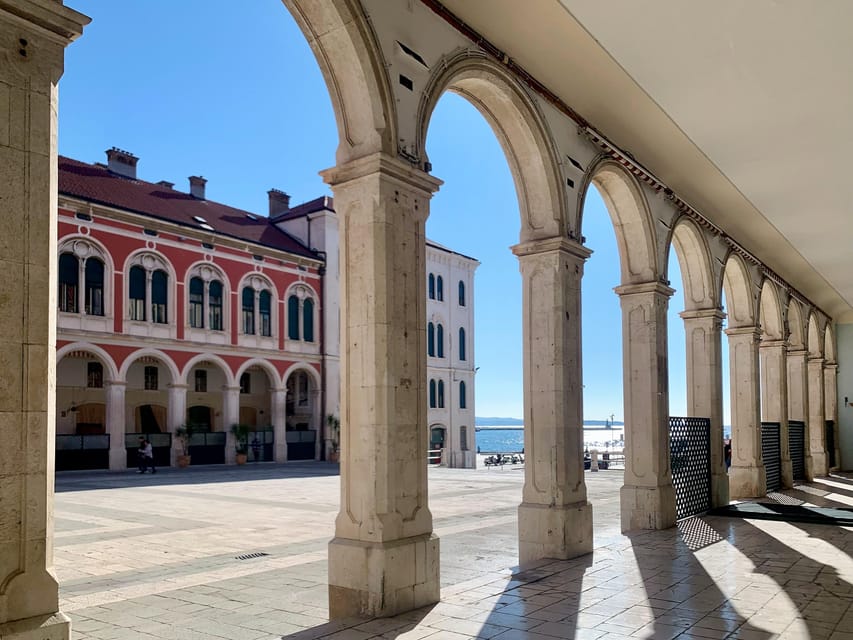
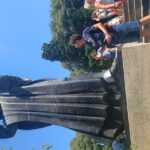
You start just outside the heavy Roman walls, in Strossmayer Park near the fountain (Strossmayerova Fountain). It’s a smart first move because it gives you breathing room before the Old Town crowds and stone maze. The park sits above the Golden Gates and near the statue of Bishop Gregory, so you get an instant sense of where you are in the city’s layout.
From the beginning, Josipa’s approach is practical. You don’t just get told what you’re looking at; you learn how the pieces connect. That makes the rest of the walk feel less like a checklist and more like following a map you can actually remember.
You can also read our reviews of more walking tours in Split


Meet Josipa: a guide who answers the real questions
Josipa is the owner of Aspalathos Guided Tours, and her background matters here. As an art historian with ties to ongoing archaeological fieldwork, she brings a careful way of looking at structures—how they were built, altered, and reused. That shows up in the way she explains architectural features and why certain objects appear where they do.
One detail I really appreciate: she doesn’t just talk at you. The tone feels friendly and approachable, and she keeps answering questions as they come up. If you like to ask why something is shaped a certain way, or how a Roman space ended up in a medieval city, this tour fits that mindset.
Diocletian’s Palace essentials: gates, Peristyle, and the sphinxes
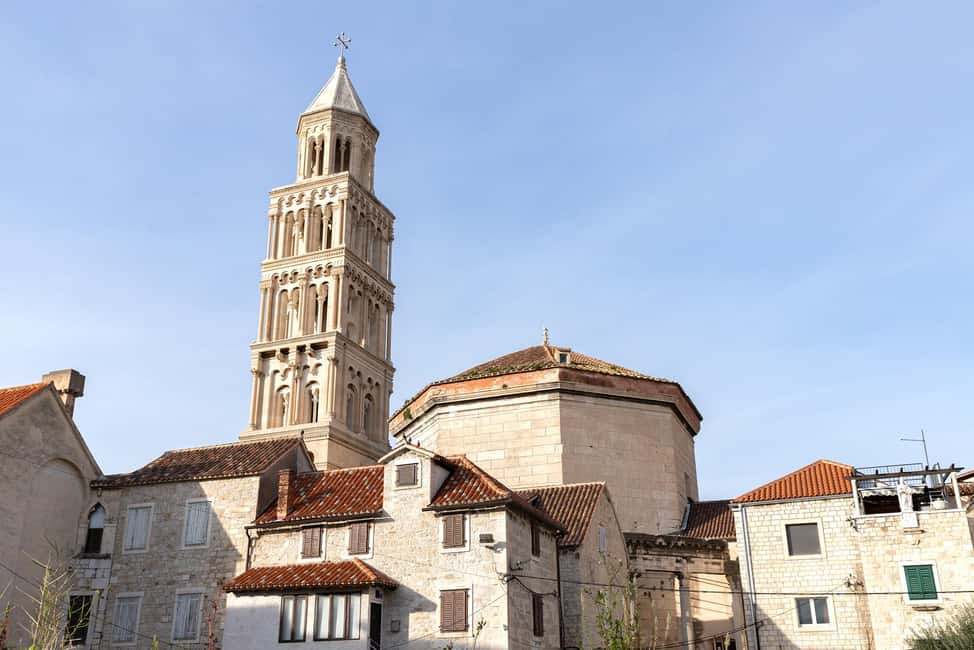
The heart of the experience is the walk through Diocletian’s Palace and its surrounding old city fabric. You’ll pass major landmarks and get the stories that explain what you’re seeing.
Here’s what stands out in the palace core:
- Golden Gate and the palace entry logic: You learn why the gates matter beyond “cool entrance photo.” It’s about movement, defense, and city planning that shaped everyday life for centuries.
- Silver Gate and the wall rhythm: You get oriented fast, so you’re not just wandering through stone corridors.
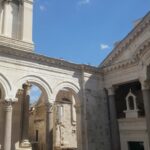
- Peristyle: This is where the scale hits. The Peristyle isn’t only impressive—it’s a key reference point for understanding how the palace space was organized.
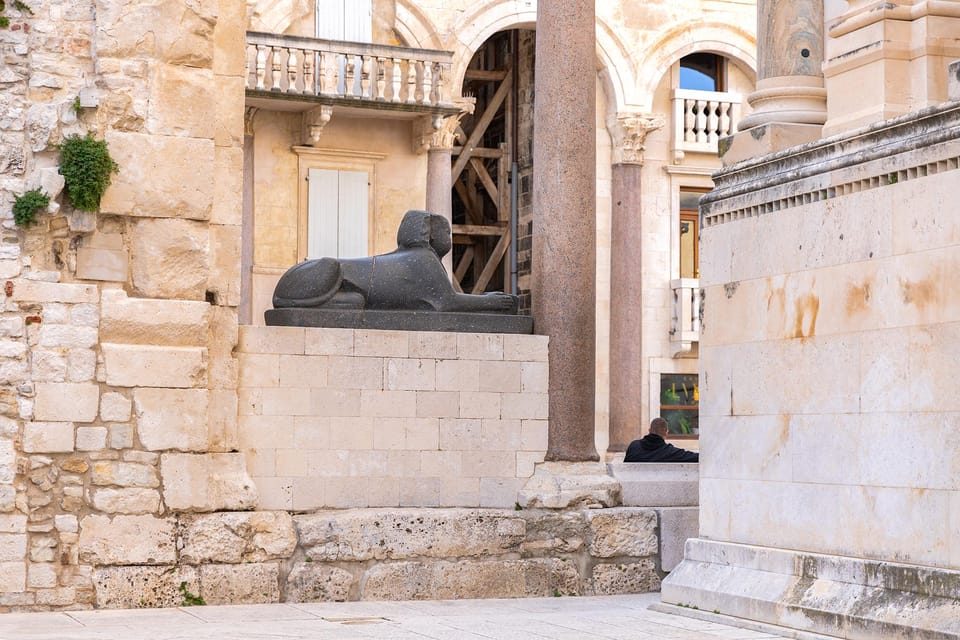
- Egyptian sphinxes: You see them in context, not as random decorative objects. Even if you think you already know what you’re looking at, Josipa’s framing makes it click.
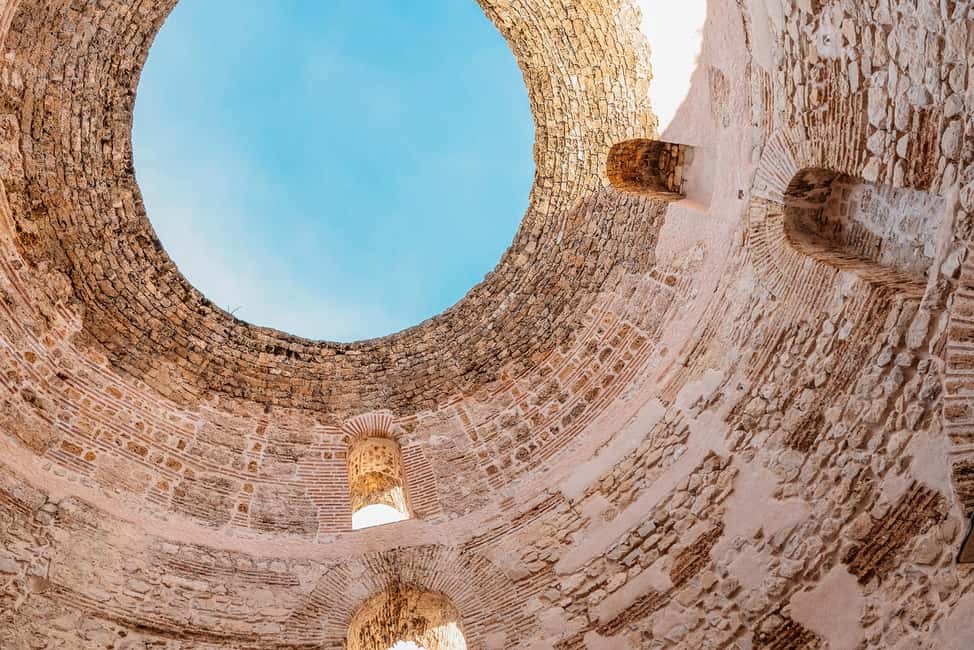
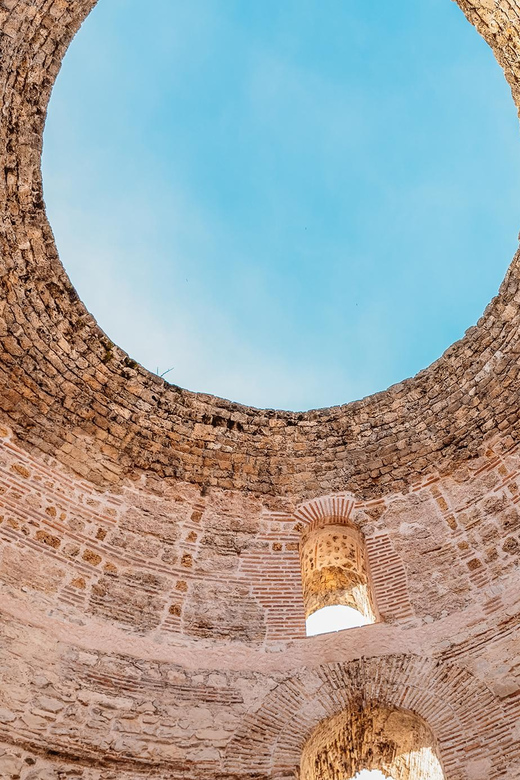
You’ll also stop for short guided moments around other palace-related structures, including areas linked with Jupiter’s Temple and the dining spaces (Triklinij) and Vestibul photo point. The trick is that you’re not just collecting names—you’re learning how to interpret traces of earlier uses.
Roman streets and the palace-world details you usually skip

Split’s Old Town can feel like you’re always turning corners. The value of a guide is not that you walk more—it’s that you understand what you’re passing.
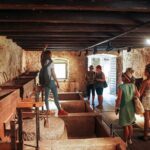
Josipa leads you along original Roman streets and through the logic of palace and city edges. You’ll also get stops connected to the palace sub-areas and features like the Diocletian’s Cellars (you won’t enter paid sites, but you’ll get the story and orientation so you can visit later).
Two things make these sections more than sightseeing:
- You learn how to read the building evidence. Roman planning and later reuse aren’t separate stories in this tour. They overlap, and you start noticing the layers as you walk.
- You get little course-corrections. If a spot looks confusing or oddly placed, Josipa explains why it might have been kept, changed, or repurposed.
There’s also a stop for Street Let Me Pass, which is the kind of place that feels like a throwaway alley until you hear the local explanation. It’s the sort of detail that makes you look twice at corners you would otherwise walk past at full speed.
Riva waterfront and Republic Square: where the past meets daily life
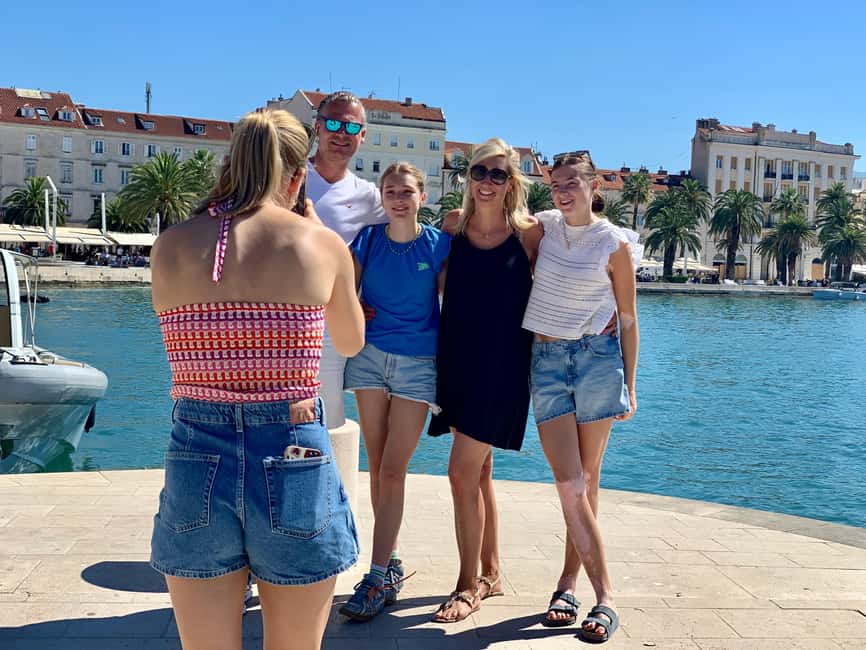
After the palace core, the tour eases you toward the places you’ll actually recognize from postcards—especially Riva, the waterfront strip where people gather day and night.
You’ll get guided stops that connect the palace world to the city’s later public spaces. On the way, you’ll see and learn about:
- Riva: how the city’s energy spills outward from the historic center
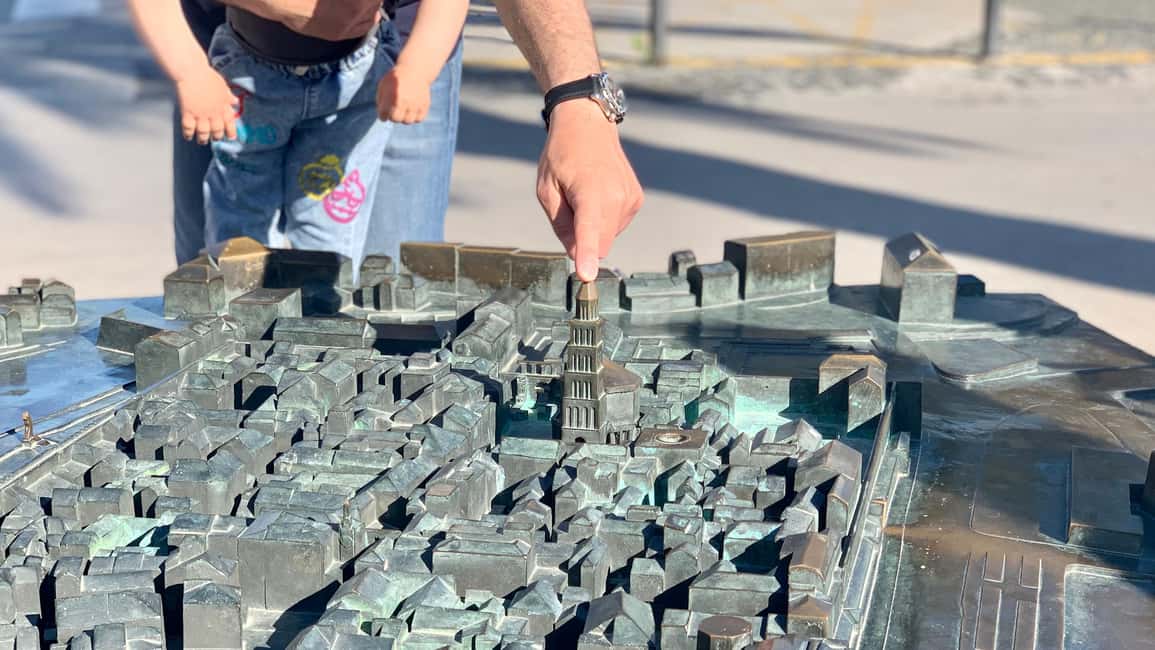
- Maketa grada Splita: a point that helps you visually understand city layout, especially helpful when the streets start bending in unexpected ways
- Fruit Square and People’s Square: everyday squares where history isn’t museum-only
- The Split Fishmarket: a reminder that Split isn’t frozen in time
- Republic Square: the big open-center feeling—useful as a “reset point” for your bearings
The walk stays balanced. You’re not only chasing impressive architecture; you’re learning how people use the city now, and how that connects to the older plan beneath their feet.
You can also read our reviews of more private tours in Split





The ending in Varoš: 4th-century fabric, reused over and over
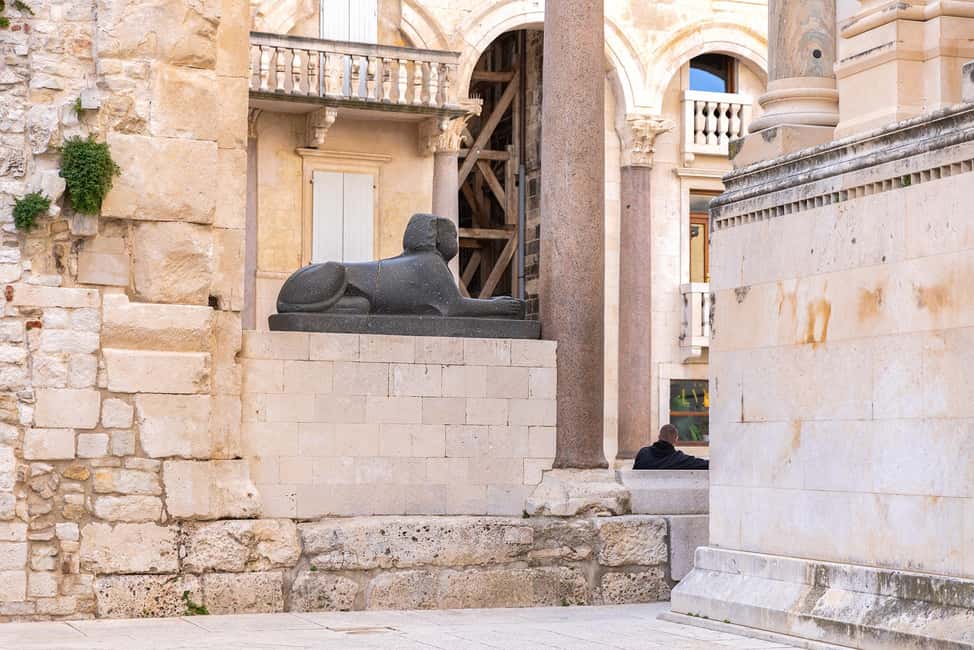
Instead of ending in a random place, the tour finishes in Varoš, one of Split’s older, more authentic neighborhoods. This is one of the most meaningful sections because it shifts your focus from the palace-as-monument to the palace-as-foundation for real neighborhoods.
Josipa shows you preserved 4th-century Roman architecture and explains how it has been repurposed over the centuries. That’s the core theme of this whole tour: Split is a city built on top of itself, not a city that preserved one era and forgot the rest.
You also leave with a clearer sense of what makes Split a unique UNESCO site. It’s not just that the Roman palace is famous; it’s how the urban fabric kept transforming without wiping out the earlier layers.
Price and value: why $32 feels fair for this format

At $32 per person for about 2 hours, this tour is priced like a typical walking tour—but the value is higher than average because of the guide profile and the way the time is used.
You get:
- A licensed local guide (Josipa) who brings a specialized art-historian approach
- A route that includes major landmarks plus lesser-known stops that you likely wouldn’t find without help
- Story depth that’s clearly tied to scholarship and archaeological thinking
- Practical local advice on the best time to experience Split and Croatia (use that, because timing in the Adriatic can make a huge difference)
One note that affects value: the tour does not enter paid sites such as the Substructures, the Cathedral, or the Temple of Jupiter. That’s not a downside if you like the idea of seeing the context first and then choosing what to pay for later. The guide will pass significant sites and tell you what they mean, plus suggest how to visit them on your own.
Logistics that actually matter in Split
Split’s center can get crowded, especially in summer. Two practical points from the tour details are worth planning around:
- It’s rain or shine, so wear shoes you can trust on wet stone and uneven old-town surfaces.
- Summer traffic can slow arrivals. There’s a maximum waiting time of 10 minutes before the group departs from the starting point.
Also, this walk isn’t designed for slow, careful sightseeing at every step. You’ll want to keep a steady pace and be ready for short climbs and turns. The listing also flags that it includes several unavoidable steps, so don’t assume this will be wheelchair-friendly or easy for anyone with mobility limits.
Not included: what you’ll see from the outside (and what to book next)
You’ll pass key areas like the Diocletian’s Cellars and other major historic spots, but you won’t go inside paid attractions on this particular walk. That means the tour works best as:
- a first orientation to the palace and Old Town, and
- a springboard for picking a couple of paid sites you truly want to spend time on later.
After the walk, you’ll be able to make better choices because you’ll know what’s worth your ticket time. If you’re the type who likes to plan museum slots and avoid random lines, this “context first” approach is a smart use of your limited vacation hours.
Who should book this walking tour
This is a strong fit if you:
- want a 2-hour way to get your bearings in Split’s historic core
- like architecture and art history stories tied to real structures
- enjoy questions and conversation (Josipa handles them well)
- want a route that balances famous stops with quieter details
It’s less ideal if you:
- have mobility impairments or use a wheelchair
- need hearing assistance not listed here
- expect a low-effort stroll without steps
Should you book? My take
Yes—if your goal is to understand Split instead of just ticking off photos. The standout strength is the combination of a focused route and Josipa’s ability to explain what you’re looking at in a way that sticks. You end with a deeper sense of how the Roman foundation shaped daily neighborhoods, especially in Varoš.
If you’re visiting for the first time and you only have a couple of hours, this kind of guided walk is one of the best investments you can make. Then you can follow up with any paid sites that feel most meaningful to you.
FAQ
How long is the Split Old Town and Diocletian’s Palace walking tour?
The tour lasts about 2 hours.
Where does the tour start, and how do I find it?
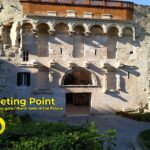
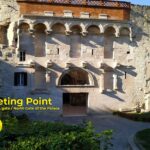
Meet in Strossmayer Park around the Strossmayerova Fountain. You can search for Strossmayer Park or Strossmayerova Fountain on your map. Josipa carries a yellow and blue sign for Aspalathos Guided Tours.
What sites does the tour include access to?
This tour does not enter paid sites. It passes major landmarks (like the Substructures, Cathedral, and the Temple of Jupiter) and includes stories and suggestions for visiting them later.
What language is the guide in?
The tour is in English.
Does the tour run in bad weather?
Yes. The tour takes place rain or shine.
Is this tour private or small-group?
You can choose a private tour or a small group option.
Is the tour suitable for wheelchair users or people with mobility impairments?
No. It is not suitable for people with mobility impairments and is not suitable for wheelchair users.