REVIEW · SPLIT
Split to Dubrovnik via Mostar plus Ston with local lunch
Book on Viator →Operated by The Guide Tour Service · Bookable on Viator
One long day across borders and centuries. You’ll cover the Neretva valley, stroll Mostar around Stari Most, then finish in Ston with a wall-and-oysters story that feels oddly specific in the best way. I especially like the private guide pacing and the included stops that are actually timed for atmosphere, not just photo ops. The biggest catch is the day starts early and you’ll need to keep the day-trip rules in mind, including a passport and a formal dress code.
What makes this route feel smart is that it’s not just transportation from A to B. You get a driver-guide in one vehicle, a small group cap, and guided context as you cross from Croatia toward Bosnia and back again—then you land in Dubrovnik with your head full of history and your lunch already handled. If you’re the type who likes structure, this will feel like a stress-free way to do a complicated-looking itinerary.
In This Review
- Key Things You’ll Remember From Split to Dubrovnik via Mostar and Ston
- A Private Split-to-Dubrovnik Route That Doesn’t Feel Like Just Driving
- Pickup at 8:30 and the Comfort of Real Door-to-Door Logistics
- Neretva Valley Stop: A 20-Minute Pause Before You Hit the Big Landmarks
- Mostar’s Stari Most: Two Hours That Actually Let You Look Closely
- Ston’s 5.5 km Wall, Salt Cultivation, and Fresh Oysters
- What the Price Covers, and Why Private Transport Is Worth It Here
- The Real Meaning of Family-Friendly and Formal Dress Code
- A Practical Way to Pack for This 9-Hour Day
- Who Should Book This Tour, and Who Might Want Something Else
- Should You Book This Split to Dubrovnik Tour via Mostar and Ston?
- FAQ
- How long is the tour?
- Where does pickup happen?
- What stops are included on the route?
- How much time do we have in Mostar and Ston?
- Is the guide provided in English?
- What’s included in the price?
- Do I need to pay admission tickets at the stops?
- Is a passport required?
- What is the dress code?
- Can I cancel and get a full refund?
Key Things You’ll Remember From Split to Dubrovnik via Mostar and Ston
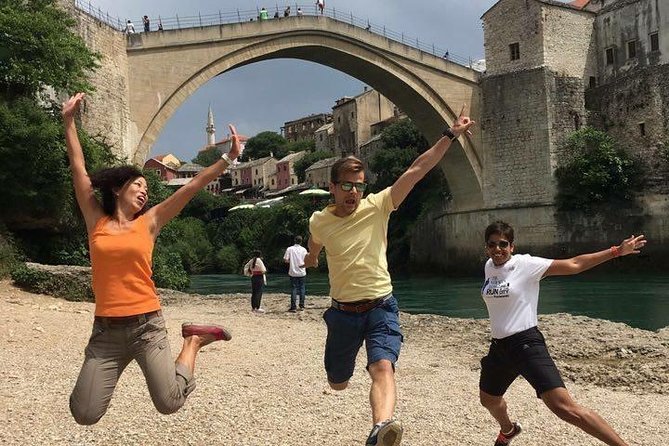
- Stari Most in Mostar, explained for two full hours (including how the bridge connects the city’s two sides)
- A timed oyster experience in Ston, with tasting built into the visit
- Ston’s walls and salt story, including the claim of Europe’s longest stone wall at 5.5 km
- Small group size (up to 8) for a more personal flow in busy places
- Door-to-door care with Mate Goleta, who’s praised for punctual pickup, luggage help, and clear historical context
A Private Split-to-Dubrovnik Route That Doesn’t Feel Like Just Driving
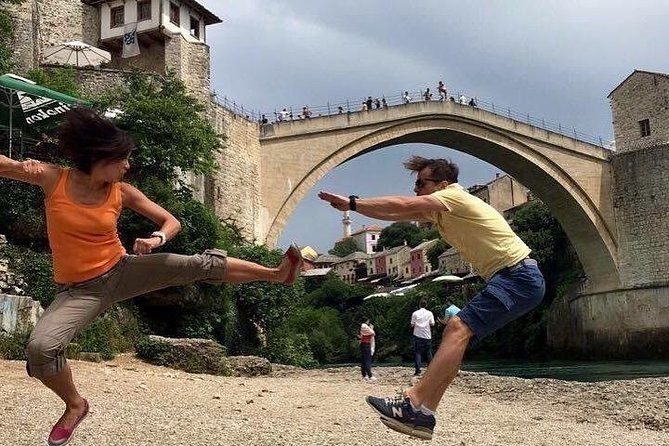
This is a long day, but it’s the kind that makes use of the hours. Instead of treating Split to Dubrovnik as a simple transfer, you’re guided through three meaningful stops that each have a different “reason to exist” in your travel memory: nature (the Neretva valley), architecture and culture (Mostar and Stari Most), and food/history production (Ston’s wall, salt, and oysters).
I like that the experience is built around a private group and an English-speaking guide/driver. That matters because the places you’re visiting can look like postcard scenes at first glance. With a guide steering the conversation, you’re more likely to notice details—like how Mostar’s river and bridge split the city into distinct cultural sides—rather than just passing through.
One thing to plan around: the day is scheduled tightly. You’ll spend short time blocks at the first and third stops (about 20 minutes and 45 minutes), with the longer visit reserved for Mostar (about 2 hours). If your ideal pace is slow and unstructured, this may feel like too much. If you like “see a lot, understand a lot,” it’s a solid fit.
You can also read our reviews of more tours and experiences in Split



Pickup at 8:30 and the Comfort of Real Door-to-Door Logistics
Start time is 8:30 am, and pickup is offered at your hotel or place of stay in the Split region. The tour also includes drop-off in Dubrovnik, so you’re not left figuring out the last miles after a full day.
You’ll be in a comfortable vehicle, and you’ll have one English-speaking private guide/driver. That’s useful on a route like this, because you’re crossing from one cultural and historical zone to another. The guide isn’t only pointing; they’re also translating the “why” behind what you’re seeing.
A small group cap (maximum 8 people) also changes the feel. You’re less likely to get swept into a crowd rhythm, and you’ll get more of the guide’s attention. One name that comes up strongly in feedback is Mate Goleta—praised for being right on time, helping with luggage, and making both Croatian history and more recent context click.
If you’re traveling as a family, this kind of structure can actually help. Everyone knows the plan, you’re not hunting meeting points, and the guide can keep the day moving without rushing you.
Neretva Valley Stop: A 20-Minute Pause Before You Hit the Big Landmarks
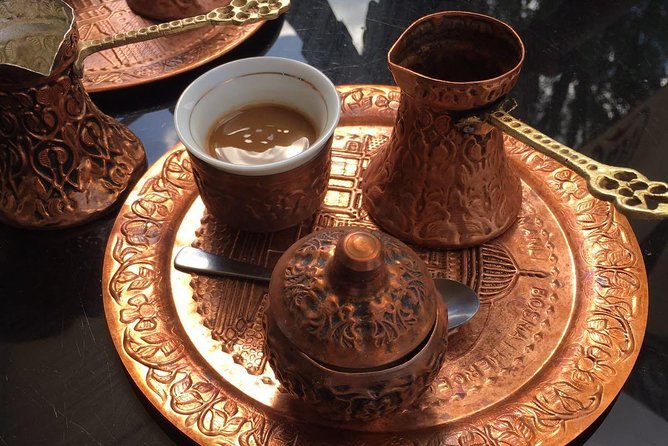
The first stop is in Dubrovnik-Neretva County, with a brief look at the River Neretva valley. It’s listed as about 20 minutes, and it’s a “grasp the magnificence” kind of stop—meant to give you a natural frame before you move into human-made history.
Why it works: Mostar and Ston are both tied to water—river crossings, settlements, and food production. Seeing the valley quickly helps the rest of the day make more sense. Even if you’re not taking a long walk, you’re getting the geographic logic: this region’s cities and economies grew around the river system.
The practical upside here is timing. Twenty minutes is short enough that it won’t steal your stamina, but long enough to get a viewpoint and reset your eyes before the Old Bridge.
Mostar’s Stari Most: Two Hours That Actually Let You Look Closely
Mostar is where the day shifts gears.
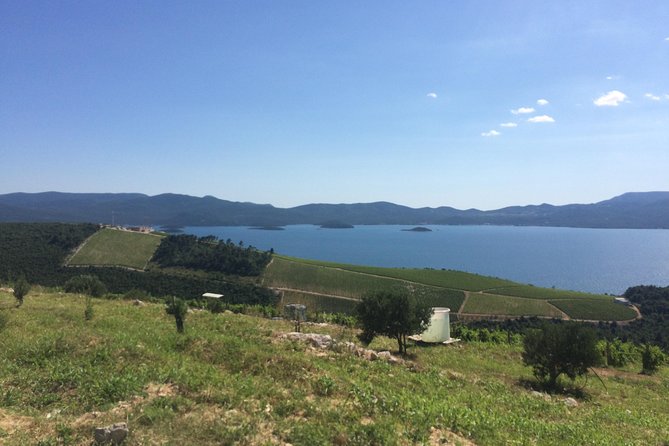
You’ll spend about 2 hours at Mostar Old Bridge (Stari Most), the famous Ottoman-style symbol spanning the Neretva River. The bridge stretches 28 meters and connects the Croat West bank with the Bosnian/Muslim East bank. That connection isn’t just trivia—it’s the key to understanding why Mostar feels like two histories meeting in one place.
Here’s how I’d approach this stop with your guide:
- Start with the big picture from the bridge area, so you understand the river’s role.
- Then let the guide steer you through the surrounding lanes and sights at a walking pace you can handle.
- Use the time to slow down at the edges—people watch, check how neighborhoods sit above the river, and notice the blend of architectural influences.
A detail worth knowing: in feedback, Mate Goleta is described as guiding the group to a Turkish coffee place near the bridge and walking through the souk area before lunch. You don’t need to turn this into a café mission, but it’s a good example of what a strong guide does here: they don’t only show landmarks; they help you experience the surrounding rhythm.
Potential drawback: Mostar can draw crowds, and your stop is fixed at around two hours. If you’re the type who wants to linger for hours and skip explanation, you may feel a little time pressure. But if you’re happy to follow a plan, two hours is enough to take in the bridge, the river views, and the street energy.
Ston’s 5.5 km Wall, Salt Cultivation, and Fresh Oysters
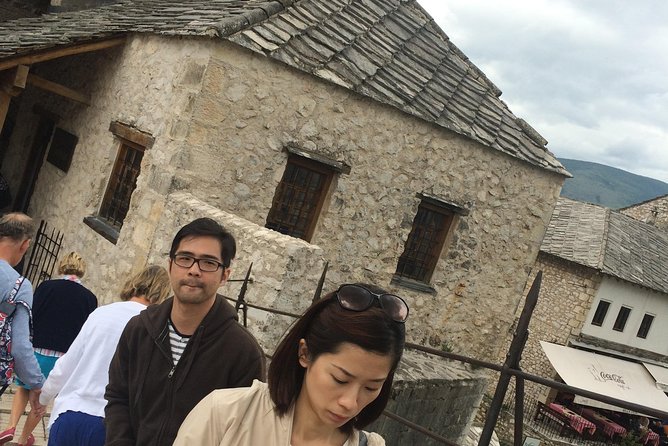
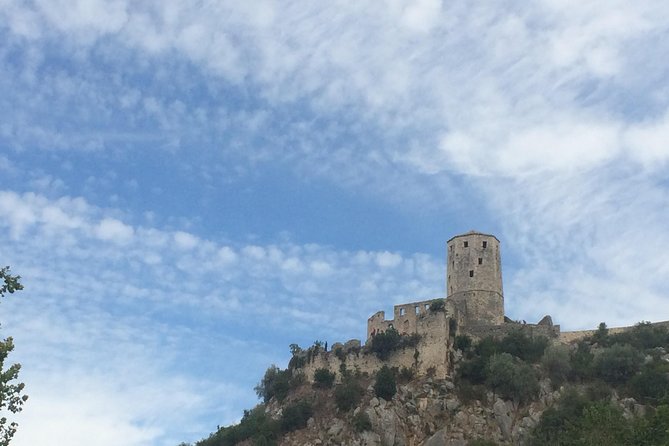
After Mostar, you’ll head to Ston, a medieval town stop built around the real-world stuff that made this place valuable.
You have about 45 minutes here, which is short, but the schedule is packed with story beats:
- You’ll see the longest stone wall in Europe, listed here as 5.5 km.
- You’ll learn about salt cultivation.
- You’ll also be pointed toward oyster farms, with the tasting experience involving oysters opened right before serving.
This is one of the most “tangible” parts of the day. Walls and salt aren’t just sightseeing facts—they connect directly to why Ston mattered historically and why it still matters as a food destination. You’re not standing in front of a monument with no context. You’re getting an explanation for how people worked the land and the water.
Also, tasting is included. The tour includes oyster tasting and food tasting, so you’re not forced to budget extra on the spot for at least one core local experience.
One consideration: since the stop is only 45 minutes, you’ll want to arrive ready to move. If you expect to wander slowly, browse every shop, and take lots of side streets, you might feel rushed. If your goal is to understand Ston quickly and eat well, this timing is pretty good.


What the Price Covers, and Why Private Transport Is Worth It Here
The price is $354.88 per person for a day that runs about 9 hours (approx.). On paper, that can sound like a lot—especially because you’re not buying museum tickets. But look at what’s bundled:
- Private guided tour
- Transportation in a comfortable vehicle
- English-speaking private guide/driver
- Pickup in Split region and drop-off in Dubrovnik
- Oyster tasting and food tasting
That last part is important for value. Food tasting and oysters turn this into more than scenic transport. And the door-to-door service matters on a day like this, because you’re traveling across multiple stops and ending in a different city.
Admission tickets are listed as free for the stops. So a big chunk of what you’re paying for is coordination plus guide time plus transport—exactly what you want when the route includes a border-crossing feel and multiple cultural stops.
The fact that the tour is limited to up to 8 people also keeps it from becoming a chaotic group-transfer. In other words, you’re paying for a smoother experience, not just a seat on a van.
The Real Meaning of Family-Friendly and Formal Dress Code

The experience is described as family friendly. In practice, that usually means the pacing and stops are easy to follow, with guidance to keep things from feeling like a scavenger hunt. If you’re traveling with kids or teens who can handle a long day in a vehicle, this is one of those itineraries that can still work because you get clear segments and guided explanations.
Now, the formal dress code is a curveball. It’s listed as formal, and that’s not typical for “drive and snack” sightseeing days. I’d treat it as a signal to dress a bit better than you would for a beach day. If you’re unsure, I’d plan on smart-casual that still looks clean and put-together.
Also keep in mind: a current valid passport is required on the day of travel. Don’t pack it “somewhere in your documents folder later.” Put it where you can grab it fast.
A Practical Way to Pack for This 9-Hour Day

You’ll be out from about 8:30 am until you’re dropped in Dubrovnik after the last stop. For that length of time, I’d pack like this:
- Comfortable walking shoes for bridge and town lanes (Mostar and Ston both involve walking).
- A layer you can add/remove. Coastal days can shift.
- A small snack plan, even though food tasting and oysters are included—because drinks aren’t included unless specified.
- Your passport ready to go.
And because souvenirs photo options are mentioned as available to purchase (not included), you might want to decide in advance whether you want professional photos. If not, no stress—there’s plenty to photograph on your own.
Who Should Book This Tour, and Who Might Want Something Else
This is ideal if you:
- Want a guided route with history context and food included
- Prefer a private group with up to 8 people
- Like structured days that move you efficiently from Split toward Dubrovnik
- Want a food highlight that isn’t just a quick snack—oyster tasting is the point
It may not be your best choice if you:
- Hate early starts or feel drained by long road time
- Want very slow wandering with lots of free time at each stop
- Don’t want to deal with a passport requirement or a formal dress code
If you’re the kind of traveler who likes to understand what you’re seeing, this route is built for that. The guidance from Mate Goleta, including help with luggage and clear explanations of both older and newer Croatian context, is exactly the kind of service that makes a tricky logistics day feel easy.
Should You Book This Split to Dubrovnik Tour via Mostar and Ston?
If you want a one-day plan that connects Split, Mostar, Ston, and Dubrovnik with actual guided stops—plus oyster tasting—this is a strong value buy. The route is efficient, the group size stays small, and the included tastings give you something memorable beyond views.
Book it if you’re okay with a full day and you can follow the travel basics (passport ready, dress code in mind). Pass if you’d rather do Mostar and Ston at your own pace with more free time. For many people, though, this hits the sweet spot: you get the key scenes, the right amount of time to look, and a guide who keeps the day from turning into random points on a map.
FAQ
How long is the tour?
It runs about 9 hours (approx.), starting at 8:30 am.
Where does pickup happen?
Pickup is offered at your hotel or place of stay in the Split region.
What stops are included on the route?
You’ll stop in the Neretva valley area, then visit Mostar Old Bridge (Stari Most), and finally Ston.
How much time do we have in Mostar and Ston?
Mostar Old Bridge is about 2 hours, and Ston is about 45 minutes.
Is the guide provided in English?
Yes. The guide/driver provides services in English.
What’s included in the price?
The tour includes a private guided tour, comfortable vehicle transportation, English-speaking private guide/driver, pickup in Split region and drop-off in Dubrovnik, and oyster tasting plus food tasting.
Do I need to pay admission tickets at the stops?
Admission tickets are listed as free for the stops included on this itinerary.
Is a passport required?
Yes. A current valid passport is required on the day of travel.
What is the dress code?
The dress code is listed as formal.
Can I cancel and get a full refund?
Yes. Free cancellation is available if you cancel up to 24 hours in advance for a full refund.