REVIEW · SPLIT
90-min Diocletian Palace Walking Tour
Book on Viator →Operated by Redono d.o.o. · Bookable on Viator
Old walls, clear explanations, and a simple route.
This 90-minute Diocletian’s Palace walking tour is a smart first-day move because it ties together the palace plan, the Old Town streets, and the key monuments you’ll keep seeing afterward. I love how the pacing gives you time to look around, not just speed past. I also like that you get a local guide who can turn stones and symbols into real context fast.
The only real drawback to consider is hearing and pacing in thicker crowds. If you’re in a busier stretch of the palace, it can be hard to catch every word, so I’d plan to stay closer to the guide when you can and bring patience if the group swells up.
In This Review
- Key reasons this tour works
- Diocletian’s Palace is the fastest way to understand Split
- Price and what you’re actually paying for
- Meeting Point tip: Dioklecijanova 7 is the key
- Stop 1: Palazzo di Diocleziano and the palace route you’ll remember
- A quick note on internal areas
- Cathedral of Saint Domnius: what you get from outside (and how to follow up)
- City Clock: the 24-digit stop that fixes your Old Town timing
- How long 90 minutes feels in real life
- Included vs not included: plan your extras smartly
- The guide experience: why names keep coming up
- Who this tour is best for
- Should you book this Diocletian Palace walking tour?
- FAQ
- Is this tour in English?
- How long is the Diocletian Palace walking tour?
- Where does the tour start and end?
- What does the tour price include?
- What is not included in the tour price?
- Is entry to the palace included?
- Is the City Clock stop included?
- How big is the group?
- Does the tour run in bad weather?
- What is the cancellation policy?
Key reasons this tour works
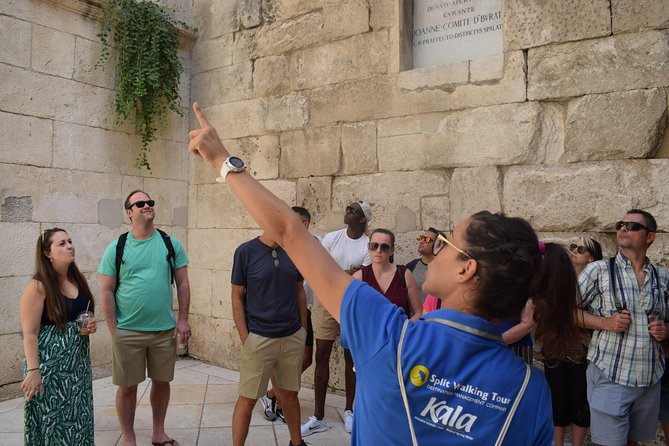
- Right-length orientation (about 90 minutes): enough time to understand the palace without burning your whole morning
- UNESCO-listed focus: you spend the walk inside the real structure, not outside posters
- A guided route through landmark spots: Peristil, Golden Gate, the Gregory of Nin statue, and more
- Great value for interpretation: parts are free, but the story is what you’re really buying
- Runs in typical weather: you still move through covered areas if it rains
- Small-group feel (max 49): easier to ask questions, especially on early tours
Diocletian’s Palace is the fastest way to understand Split
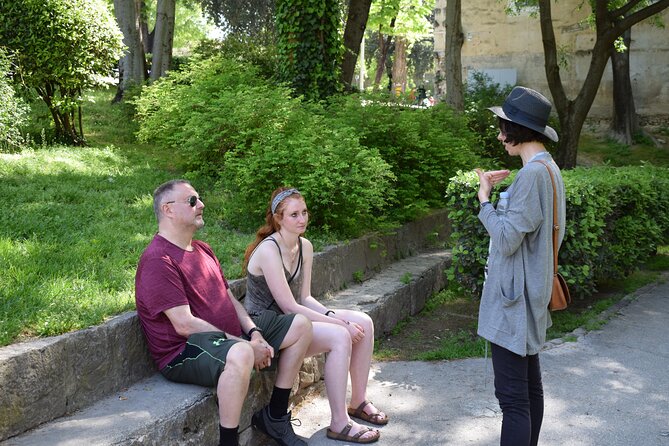
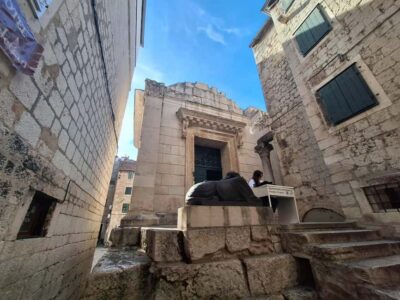
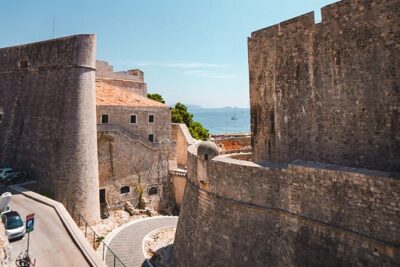
Split can feel like a puzzle at first. Streets twist, Roman walls reappear in surprising places, and the city keeps layering new life over old stone. This tour helps you read that map. You’re not just looking at a famous site. You’re learning how the palace shaped daily movement, power, and everyday life in Split.
What makes it especially useful is that the route isn’t limited to one corner. You get a guided walk through the palace areas you’ll hear about again and again, including major transitions like gates and courtyard spaces. In other words, you come away with a mental model. After that, wandering the Old Town feels less random.
And yes, the palace entrances and key viewpoints are often free to see on your own. Still, I think the best value here is the explanation: why certain parts are where they are, what the symbols meant, and how the story evolved over centuries.
You can also read our reviews of more walking tours in Split



Price and what you’re actually paying for
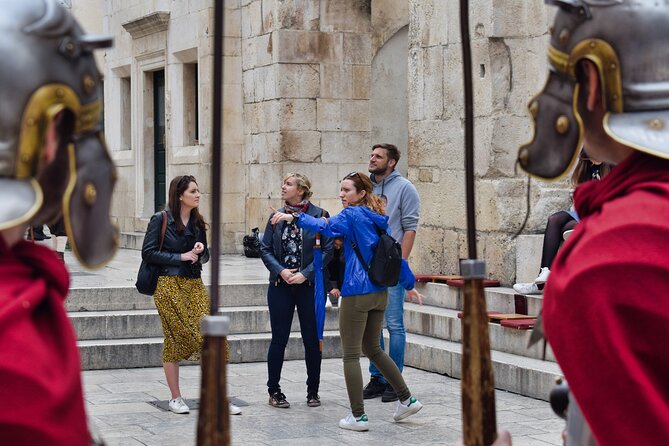
At about $21.78 per person for roughly 1.5 hours, this is priced like an orientation tour. That’s a good thing. You’re not paying for a long museum day or a fancy add-on meal plan. You’re paying for guided time inside a major historic site.
Two helpful notes on value:
- Your tour ticket covers the walk and guided sightseeing (including the 1700-years-old Diocletian Palace experience).
- Some related sights aren’t included (like entry to the bell tower and the cathedral interior). You still get exterior context, then you can decide what to add afterward.
So the value question becomes simple: do you want help connecting what you see with what it means? If yes, this is an easy buy—especially if you’re seeing Split for the first time.
Meeting Point tip: Dioklecijanova 7 is the key
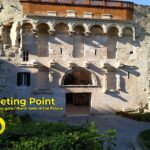
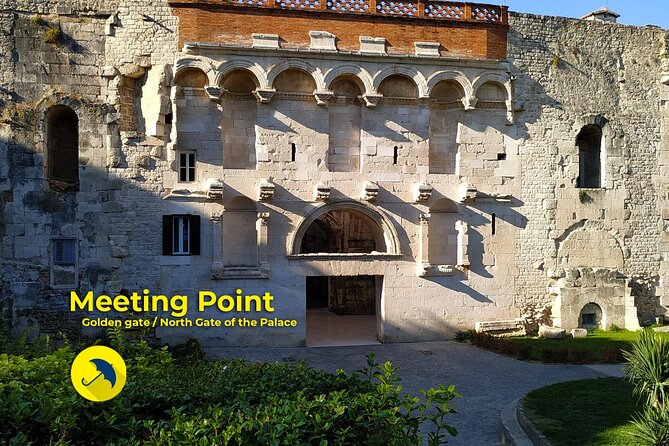
The tour starts at Dioklecijanova 7, 21000, Split, and it ends back at the same meeting point. That “back where you started” structure is practical. You’re not stranded miles from where you began, and you can pivot easily into lunch or more exploring right after.
One logistics detail I’d treat as real-world advice: don’t assume your map app will drop you at the exact right spot. Several people reported getting sent to the wrong nearby location. My recommendation is to double-check the address text right before you leave, then look for the meeting location in person rather than relying on a single navigation pin.
Also note:
- The tour is in English
- You’ll get a mobile ticket
- It’s designed to run in most conditions, but you should still dress for the weather
Stop 1: Palazzo di Diocleziano and the palace route you’ll remember
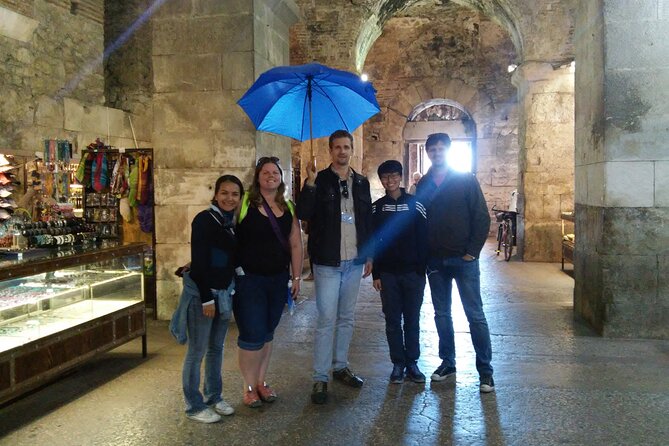
Stop 1 is the heart of the tour. You’ll move through the most important palace spaces and learn the story as you go. This is where the tour earns its “intro” label, because the guide helps you understand the site’s layout and why certain areas matter.
Here’s what you should expect to see during the main palace segment:
- St. Duje Cathedral area (the context around the church is covered as part of the palace story)
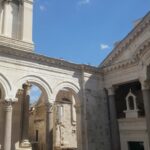
- Peristil (the courtyard space that becomes the social and architectural center)
- Statue of Gregory of Nin (a recognizable landmark tied to the broader civic story of Split)
- Golden Gate (one of the palace’s dramatic entrances)
- Vestibul
- Riva
- City Clock and City Hall mentioned as part of the walk through the Old Town flow
A big reason this works is how it teaches “spatial thinking.” Gates aren’t just points on a map; they connect to routes, movement, and status. Courtyards aren’t just pretty; they were built for function. Once the guide connects those dots, you’ll spot the same design logic everywhere else in the area.
If you’re the kind of traveler who likes to ask questions, this is the moment. The route naturally creates pauses where you can stop, look, and then go again.
A quick note on internal areas
One of the review takeaways was that some guides can take you toward additional perspectives beyond the obvious. Depending on the route and timing, you might get a look at more internal or lower sections (like basement-style areas) to help you understand the full palace structure. If you’re curious, it’s worth asking your guide what’s possible during your specific walk.




Cathedral of Saint Domnius: what you get from outside (and how to follow up)
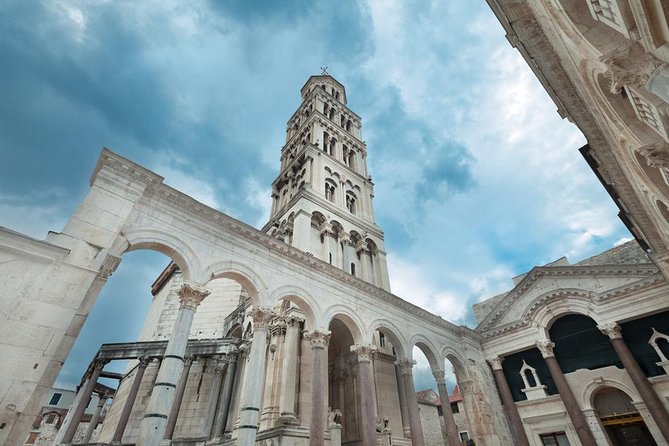
Stop 2 is Cathedral of Saint Domnius. Here’s the deal: you’ll visit from the outside, and the entrance to the bell tower and the cathedral interior aren’t included in the tour price.
That might sound limiting at first, but it actually makes sense for an intro route. By keeping this segment outside, the guide can explain key architectural and historical points without turning the tour into a ticket-hunting marathon. You get the orientation first, then you decide if you want to go in once you understand where everything sits.
If you want to plan your day, I’d treat this as a two-step approach:
- Use the tour to learn what to look for from the exterior
- Then, after the walk, add the interior bells-and-bricks time if it interests you
This is also where you’ll get extra value if you like photography. From outside, you can still frame the cathedral within the palace story you just learned.
City Clock: the 24-digit stop that fixes your Old Town timing
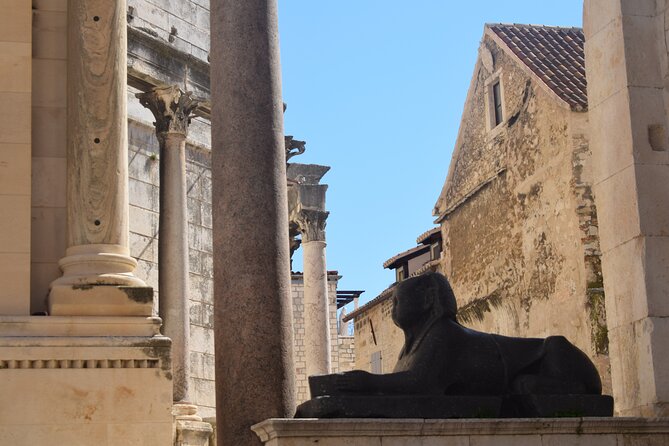
Stop 3 is the City Clock, a 24-digit clock that’s easy to miss if you’re just rushing from landmark to landmark. It’s brief, but it’s a nice reminder that the Old Town isn’t only Roman. You’re seeing how later periods added their own layers.
The practical win here is rhythm. After Stop 1 (the palace core) and Stop 2 (the cathedral context), the City Clock gives your brain a small, memorable landmark that breaks up the heavy historic focus. It’s also a convenient place to start thinking about where you’ll wander next, since it helps you orient to the old-town street flow around it.
How long 90 minutes feels in real life
At about 1 hour 30 minutes, the tour hits a sweet spot. It’s long enough to learn a lot and see major spaces, but short enough that it won’t steal your entire day.
A few pacing notes from the experience pattern:
- It can work really well if you go early. Early timing often means less crowd pressure, which helps you hear the guide and enjoy the slower moments.
- Even with rain, the route is designed to keep moving, and there are spots that offer cover.
- In heavier foot-traffic areas, you might find you need to stand nearer the guide to catch everything.
If you care about audio clarity, I’d bring a small habit: position yourself so you can see the guide’s face and gestures. That’s the difference between catching half the story and getting the full thread.
Included vs not included: plan your extras smartly
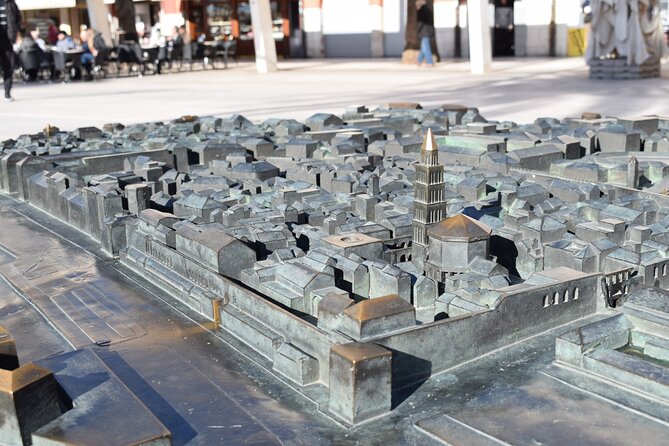
Here’s what’s covered:
- 90-minute walking tour in English
- Sightseeing of Diocletian Palace
- Professional, local tour guide
Not included:
- Food and drinks
- Hotel pickup and drop-off
- Cathedral/bell tower entrances (the tour stays outside for Stop 2)
So you’ll want to handle meals on your own. The good news: your tour route ends back at the start, which makes it easier to decide on lunch without complicated transit.
If you want to do more after the tour, you can. The guide’s outside explanations for the cathedral make it a lot easier to choose whether a paid interior visit is worth your time.
The guide experience: why names keep coming up
One of the strongest themes in the feedback is that the tour experience depends heavily on the guide. When the guide is funny and clear, you end up with a tour that feels like storytelling, not a lecture.
You may see praise for guides such as Slavko, Ivanna, Tino, Karla, Ante, Carla, Frane, Marino (name appears in one account), Jacob, Antonia, and Slovak. Different personalities, same goal: help you understand how the palace works and what to notice while you’re standing there.
How can you use that as a traveler? When you arrive, take 30 seconds to get your bearings. Then ask one question early. Guides who can add extra context usually respond well, and it turns the walk into something more personal.
Who this tour is best for
This tour is ideal if:
- You’re in Split for the first time and want a clean orientation to the Old Town’s “main engine”
- You’re visiting Diocletian’s Palace but don’t want to spend your time figuring out what you’re looking at
- You want a guide-led route that still gives you flexibility afterward
- You’re traveling with family and want a shorter format that can keep pace with a child
It also works well if you like value. The palace is famous and often free to wander, but you’ll miss the connections without someone guiding your attention.
Should you book this Diocletian Palace walking tour?
I’d book it if you want a fast, guided way to understand Split’s layout around its most important monument. The price feels fair for the time you get, and the tour structure is built for first-time visitors: major spaces, clear context, and a route that helps you keep exploring after the tour ends.
Skip it (or consider a different style) if you know you already plan to spend lots of time inside ticketed areas like the bell tower and cathedral interior, and you prefer self-guided touring with your own reading pace. This tour is strongest as an orientation walk, not a full deep-ticket day.
If you’re unsure, do this: book the 90 minutes, then decide afterward what you want to add. That’s the best way to keep your day flexible.
FAQ
Is this tour in English?
Yes. The tour operates in English.
How long is the Diocletian Palace walking tour?
It runs for about 1 hour 30 minutes (90 minutes).
Where does the tour start and end?
It starts at Dioklecijanova 7, 21000, Split, Croatia, and ends back at the meeting point.
What does the tour price include?
You get a 90-minute walking tour in English, sightseeing of Diocletian’s Palace, and a professional local tour guide.
What is not included in the tour price?
Food and drinks are not included, and there is no hotel pickup or drop-off. Also, the cathedral interior and bell tower entrance are not included.
Is entry to the palace included?
The tour includes sightseeing of the palace areas, and the admission ticket is listed as free for the main palace stop. (For the cathedral segment, interior and bell tower entry are not included.)
Is the City Clock stop included?
Yes. The City Clock stop is part of the tour, and the admission ticket is listed as free there.
How big is the group?
The tour has a maximum of 49 travelers.
Does the tour run in bad weather?
It operates in all weather conditions, and you should dress appropriately. If it’s canceled due to poor weather, you’ll be offered a different date or a full refund.
What is the cancellation policy?
Free cancellation is available up to 24 hours in advance for a full refund. If you cancel less than 24 hours before the start time, the amount paid is not refunded.