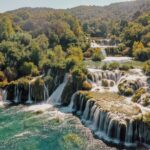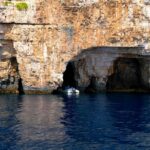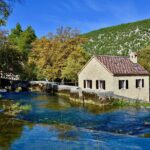
Split to Dubrovnik in 6 days is a power move. This private tour strings together UNESCO old towns, fortress views, and Roman stops with a guide-led start in each key city, so you get your bearings fast. I especially like how the pacing mixes classic landmarks (Diocletian’s world, Dubrovnik’s walls) with off-the-main-road nature time on the Neretva.
You’ll also get real standout food time: a Kaštel Sikuli wine tasting with five wines plus cold cuts, and a included lunch after a boat ride in the Neretva valley. One thing to plan for: several big sights require separate entrance tickets (Klis Fortress, Salona ruins, and Dubrovnik city walls), so your final budget depends on what you choose to pay at the door.
In This Review
- Key points before you go
- A private 6-day route that links Roman stones to Adriatic views
- Day 1: Split airport pickup and a guided walk around Diocletian’s Palace
- Day 2: UNESCO Trogir plus Kaštel Sikuli wine tasting
- Day 3: Salona ruins and Klis Fortress—Roman roots and fortress views
- Day 4: Neretva Valley by traditional Ladja boat and the Narona museum
- Day 5: Dubrovnik old town start at Pile Gate, then walls on your own
- Day 6: Airport transfer and an easy finish
- Price and what you’re really buying (private driver, guided hours, and meals)
- Logistics that affect your comfort: timing, tickets, and weather
- Who this tour fits best (and who might want a different plan)
- The biggest praise: guides who personalize the day
- Should you book this Split to Dubrovnik private tour?
- FAQ
- How long is the tour?
- What is the group size for this private tour?
- Is pickup included?
- Which cities and areas does the tour cover?
- What guided time is included?
- Are entrance tickets included for major sights?
- What food and drink is included?
- Is wine tasting included?
- What if weather is poor?
- When is it offered?
Key points before you go
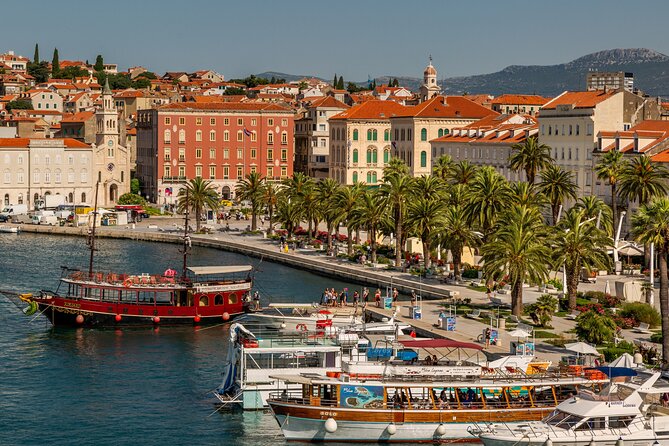
- Private, up to 2 people means the schedule can feel tailored instead of like cattle-car touring
- English guided time in Split and Trogir (2 hours each) helps you walk the streets with context
- Kaštel Sikuli wine tasting adds a smart, practical local-food stop instead of another photo stop
- Ladja boat ride on the Norin River includes an appetizer and a photo safari, then you head into Narona’s museum
- Dubrovnik guide time is focused (2 hours), then you explore the walls on your own for flexibility
- Good weather matters since outdoor elements like the boat/photo portion depend on conditions
A private 6-day route that links Roman stones to Adriatic views
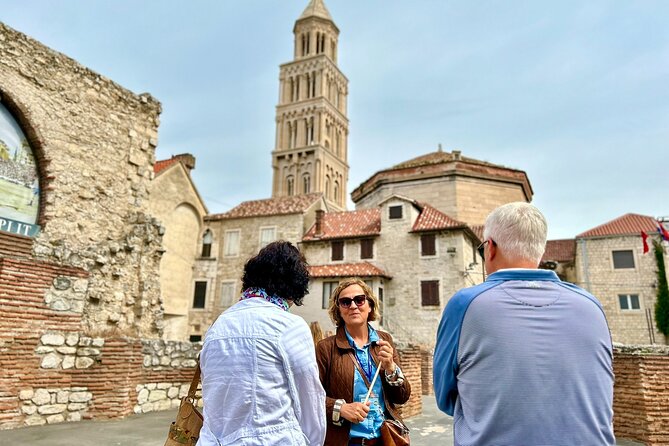
This is the kind of trip that makes sense if you want variety without spending days figuring out transit. You’re based in one general corridor—from Split down toward Dubrovnik—while the driver handles the moving parts. Your days are mostly structured, but you’re not locked into every minute.
The tour is set up for comfort: pickup is offered, you get mobile tickets, and the operator runs in English. It’s also a true private experience (only your group), with a group size that’s capped at two. That matters because it changes the feel of the stops. You can ask questions, pause for photos, and adjust timing in a way that a larger group can’t.
And the vibe from the guide side gets high marks—people praise Matilda’s warm, attentive approach and the way she makes the day feel personal. That doesn’t mean it’s all “talking”—it’s more like the guidance is built to help you see things, not just check boxes.
You can also read our reviews of more private tours in Split
Day 1: Split airport pickup and a guided walk around Diocletian’s Palace
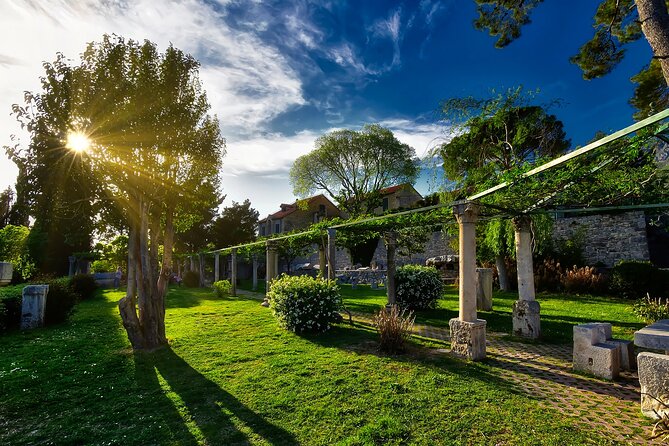
Your first day starts with the practical stuff. When you land at Split Airport, your driver meets you and takes you to your hotel for check-in. Then you ease into the city with a guided 2-hour walk focused on old Split’s core.
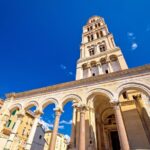
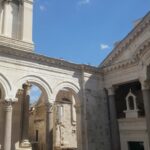
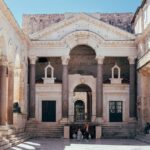
The tour centers on Diocletian’s Palace, a UNESCO World Cultural Heritage site, and the way Roman architecture still shapes street life. You’ll move through narrow lanes inside and around the palace complex, where Roman foundations meet later Renaissance and Gothic touches. The highlights listed here are Jupiter’s Temple, the Peristyle, and the Cathedral.
Why this works on day one: Split’s historic center can feel maze-like if you arrive jet-lagged or without a plan. A guided start helps you spot the major landmarks quickly, so later on you can wander with confidence. You also get that “oh, that’s why this building looks like that” moment, which makes the city more rewarding long after the guide leaves.
What to keep in mind: the guided portion is included, but “admission ticket not included” is noted for this stop. In plain terms, don’t assume every museum-style entrance inside the palace world is covered. If you care a lot about going inside specific structures, bring some cash for extra tickets.
Day 2: UNESCO Trogir plus Kaštel Sikuli wine tasting
The second day is a transition from Split’s Roman heart to a different kind of medieval-limestone charm. You transfer to Trogir, a UNESCO World Heritage Site with a history spanning more than 2,000 years. The time you get is structured: about two hours with a local guide in the historic center.
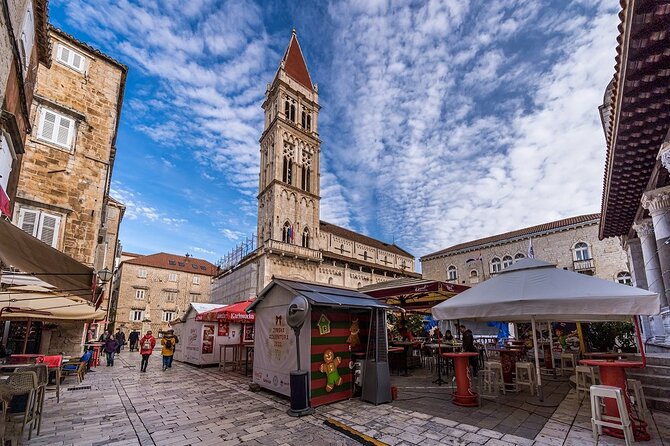
Trogir is known for cobbled streets and Romanesque-to-medieval stonework. With a guide, you’ll be able to follow the “why” behind the layout—how buildings, walls, and street angles developed over time. That makes it easier to enjoy the town as more than a pretty backdrop.
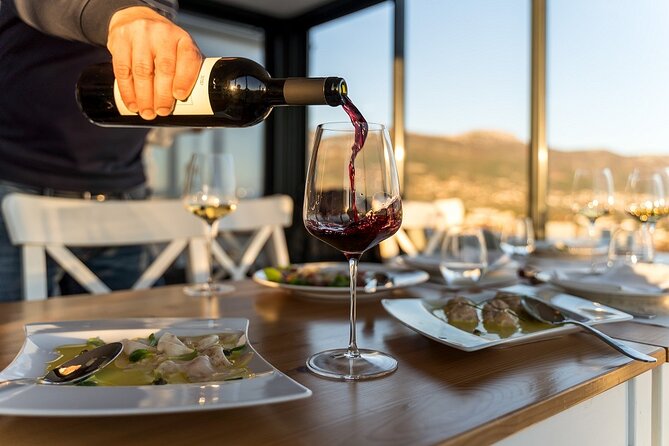
Then you shift gears with food and drink. At Kaštel Sikuli, the tour includes a 60-minute wine tasting: five wines plus a plate of cold cuts. This is one of the stops that feels genuinely useful because it gives you a local flavor education without turning into a long lunch detour. You get a break, you refuel, and you learn enough to order smarter later.
A small practical note: wine tasting can be a lot of alcohol even in a short window. If you’re sensitive, plan to take it slow with water after the tasting, and don’t stack it with a major “walk until sunset” plan. The itinerary does have more time after this, but you’ll still want energy.
Day 3: Salona ruins and Klis Fortress—Roman roots and fortress views
Day three adds two sites that feel very different from each other, but both connect back to power—who had it, who defended it, and how that shaped the landscape.
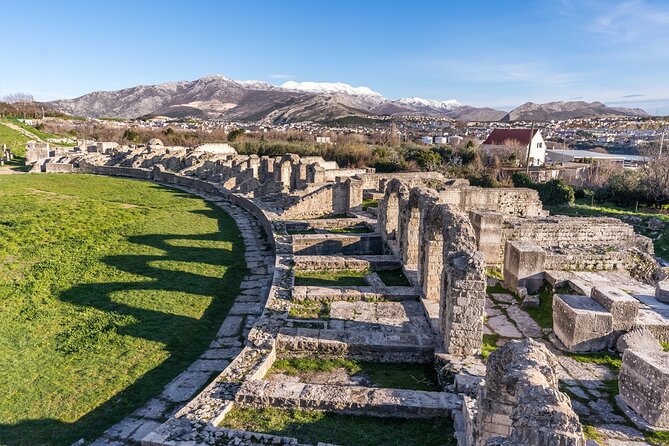
First is Ancient Salona (near modern-day Solin). Salona was once the capital of the Roman province of Dalmatia and the birthplace of Emperor Diocletian. The remnants you’ll see sit in the present-day town area, but the story reaches back before the Romans too, to Dalmatian and Illyrian roots. Your time here is about an hour, and it’s a walking-focused visit meant to give you context for what you’re looking at.
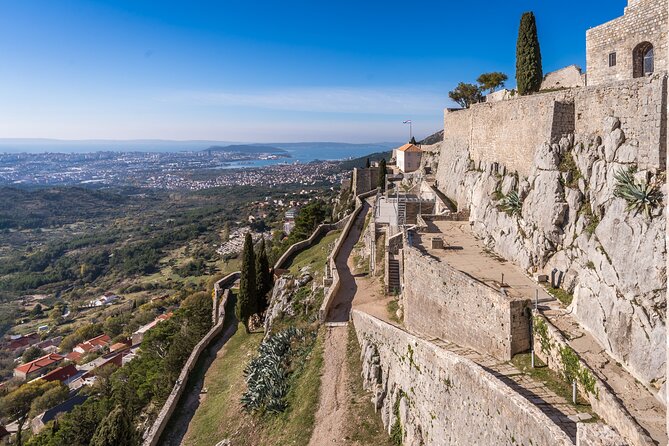
Next comes Klis Fortress, perched above the village of Klis. This is a medieval stronghold known for its role in defending Dalmatia against Ottoman forces. It’s also a major film-location spot for Game of Thrones scenes, so if you’re a fan, you’ll likely recognize angles and settings even if you’re not chasing every “which episode” detail.
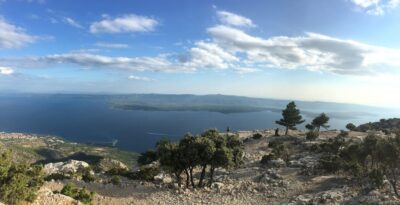
Why Klis matters on this route: Dubrovnik draws most of the fortress attention, but Klis shows you the defense logic in the landscape. The views explain why this spot mattered. You get a different kind of perspective than the walled cities below.
One consideration: entrance tickets for Klis Fortress and Salona ruins are marked as not included. If you’re traveling at a time when the sites are busy, that extra planning step matters—just budget for tickets and a little patience at the entrance.
Day 4: Neretva Valley by traditional Ladja boat and the Narona museum
If you’ve only seen coastal towns so far, day four is a welcome change of pace. After breakfast, you’ll head about an hour and a half ride toward the Neretva valley area.
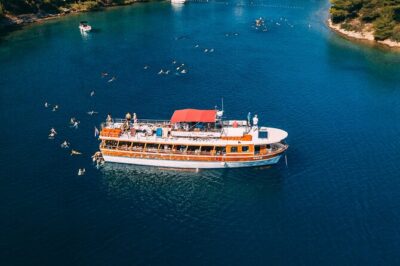
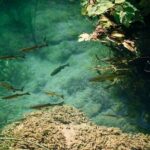
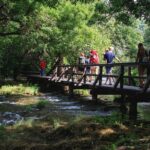
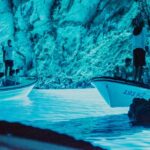
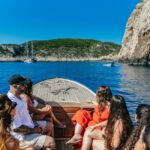
The boat part is the signature moment here. You board traditionally built Ladja boats—small wooden boats, with some described as being up to 120 years old. The time on the water is framed as a tour with a photo safari. You’ll have an appetizer served on the boat while you stroll down the channels on the Norin River and look at the scenery around you.
Then you shift from water to history at the Narona Archaeological Museum. The museum is described as the first in-the-site museum in Croatia and one of the only ones in the world, and it’s built directly on an ancient temple dedicated to Augustus. After that, you enjoy a traditional lunch in a local restaurant.
Why this day feels valuable: it’s the itinerary’s best “slow down and look” section. Instead of moving from one stone landmark to the next, you get a nature window plus a museum that connects physically to the site you just read about. That pairing tends to stick in your memory.
Weather note: the provider flags that the experience requires good weather. If conditions are rough, outdoor timing can change, and that can affect comfort on the boat. Still, the upside is that on a good day, this is where the photos get better and the pace gets more human.

Day 5: Dubrovnik old town start at Pile Gate, then walls on your own
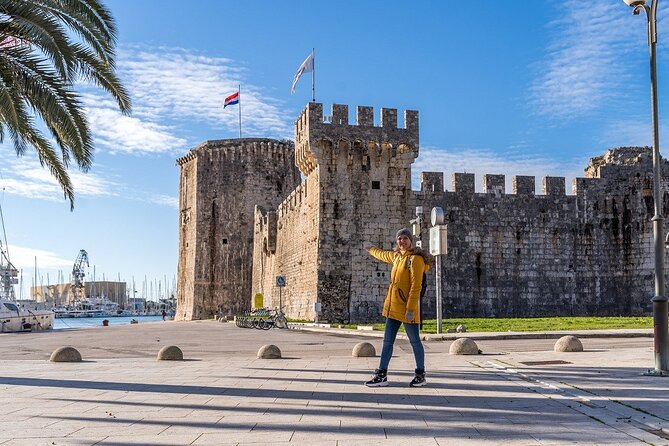
Dubrovnik is the headline city, and day five is built to give you a guided foundation first, then freedom second.
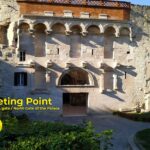
After breakfast, you transfer to Dubrovnik’s old town at Pile Gate. You meet your local English-speaking guide at the main gate and get about two hours of guided time inside the old city.
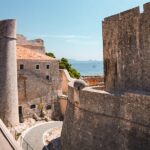
The guide time is meant to cover Dubrovnik’s layered history—Byzantines, Saracens, Croats, Normans, Venetians, Austro-Hungarian influence, and later empires that shaped what you see in the architecture and fortifications. It’s a lot, but the point isn’t memorizing names. It’s understanding why these walls and streets look the way they do.
From there, the schedule becomes DIY in a smart way. You visit the city walls—not with a guide—so you can choose your route and timing. You’re also given “rest of the day is at leisure,” which is exactly what you want in a place like Dubrovnik. Some people want viewpoints; others want shade breaks and snacks.
Two important budget/expectation points:
- City walls entrance is not included, so plan for tickets if you want to walk them. The walls are noted as impressive and about 2 kilometers long.
- This stop is listed as a UNESCO site, so crowds are common. If you’re trying to catch the best light, you’ll want to use your leisure time thoughtfully rather than wandering randomly.
Day 6: Airport transfer and an easy finish
Day six is straightforward. You meet your driver in the morning for transfer to the airport or bus for your onward trip. If you’re staying longer in Croatia, it’s possible to arrange a private transfer to your next destination.
This kind of departure day is underrated. Long tours can turn into a logistics headache at the end, but here you’re not asked to cram in one last big stop. You just close the loop.
Price and what you’re really buying (private driver, guided hours, and meals)
The price is listed as $3,329.72 per group for up to two people over about six days. If you book as a couple, your per-person cost can be roughly half of that, but don’t rely on that simple math alone.
Here’s what you’re paying for that often costs extra if you DIY:
- Private transfers with pickup (Split Airport to hotel, plus day-to-day driving)
- Guided walking time in Split and Trogir old towns (2 hours each)
- A Dubrovnik guided start (2 hours) plus independent time for the walls
- A structured food-and-drink stop: Kaštel Sikuli wine tasting with five wines and cold cuts
- Included lunch, plus an appetizer during the boat portion
- The Neretva boat experience using traditional Ladja boats, followed by Narona’s museum visit
Then there are the “not included” items that you still need to plan for: hotels, entrance tickets for Klis Fortress, Salona ruins, and Dubrovnik city walls, plus meals and drinks beyond lunch.
So is it good value? For two travelers who want a private, guided route without spending time coordinating buses, schedules, and entrance logistics, the value is strong. It’s less “cheap” than backpacking routes, but it’s designed to reduce friction. If you hate figuring things out on vacation, you’ll feel that immediately.
Logistics that affect your comfort: timing, tickets, and weather
A few practical realities can make or break a tour like this.
1) Entrance tickets are extra. Plan a budget for Klis Fortress, Salona ruins, and Dubrovnik city walls. If you want to prioritize one over the others, decide before you go so you’re not stuck making choices when you’re already tired.
2) Outdoor time depends on weather. The Neretva boat and photo safari are the main outdoor-sensitive parts. The provider notes that the experience requires good weather, and if it’s canceled due to poor conditions you’ll be offered a different date or a full refund.
3) Walking days vary. Dubrovnik involves old-town walking plus optional wall walking. Split’s old town is also on foot. Klis is a fortress above a village, and you’ll likely climb and wander more than you expect. Bring comfortable shoes.
4) English guide time is concentrated. You get guided hours in Split, Trogir, and Dubrovnik. After that, you’re on your own for the rest. That’s good for flexibility, but if you love nonstop narration, this may feel lighter after each guided segment.
Who this tour fits best (and who might want a different plan)
This experience is a strong match if you want:
- A private route for up to two people
- Guided orientation in the big old towns (Split, Trogir, Dubrovnik)
- A food stop that’s actually part of local life, not just a quick tasting
- Roman sites and fortress views, plus a break into river-and-museum time
You might not love it as much if:
- You want every single major attraction fully guided with tickets included (here, some entrance fees are extra)
- You’re hoping for long beach time, since the schedule is built around sites and transfers rather than downtime
- You dislike walking on cobblestones and fortress terrain
The biggest praise: guides who personalize the day
The most consistent theme in the feedback is the guidance style. People highlight Matilda for being friendly, genuine, and focused on making the day feel personal—like you’re not just collecting stops but understanding why they matter. One review specifically mentions a big birthday celebration handled with care and extra attention. Another praises the sincerity and loving approach.
That kind of guide energy is hard to fake. It changes how the time feels, especially on a packed route where your legs might be tired. When the guidance is strong, you’re less likely to feel like you’re rushing.
Should you book this Split to Dubrovnik private tour?
I think you should book if you want a clean, efficient itinerary from Split down to Dubrovnik that mixes Roman architecture, fortress atmosphere, and local food with guided context at the key moments. The private format is the real advantage here—up to two people, with the driver handling the logistics so you can focus on seeing.
Skip it or look closer if entrance-ticket costs worry you or if you prefer to travel completely on your own with flexible, unstructured days. This tour gives you structure. If that’s your style, it’s an excellent way to cover a lot of ground without feeling lost.
If you do book, my best advice is simple: budget for the separate entrances, bring good walking shoes, and treat the Neretva boat day as the “reset” moment. That’s where this itinerary shows its strongest balance.
FAQ
How long is the tour?
The tour is listed as 6 days approximately.
What is the group size for this private tour?
It’s a private tour/activity where only your group participates, and it’s priced for up to 2 people.
Is pickup included?
Pickup is offered, and on day 1 your driver meets you at Split Airport and takes you to your hotel for check-in.
Which cities and areas does the tour cover?
It covers Split (including a guided walk), Trogir, the Solin/Salona area, Klis Fortress, the Neretva valley (including the Norin River boat and Narona Museum), and Dubrovnik (including old town and city walls time).
What guided time is included?
Guided tours are included for Dubrovnik, Split, and Trogir old town, each listed as 2 hours.
Are entrance tickets included for major sights?
Entrance tickets for Klis Fortress, Salona ruins, and Dubrovnik city walls are not included. Admission is also listed as not included for the Split guided stop.
What food and drink is included?
Lunch is included, plus an appetizer served on the boat. Meals and drinks in destinations are not included beyond what’s stated.
Is wine tasting included?
Yes. Kaštel Sikuli food and wine tour is included for 60 minutes, featuring tasting of 5 wines and a plate of cold cuts.
What if weather is poor?
The experience requires good weather. If it’s canceled due to poor weather, you’ll be offered a different date or a full refund.
When is it offered?
The opening hours are Tuesday through Sunday from 9:00 AM to 5:00 PM (for 05/01/2026 – 10/31/2026).