REVIEW · SPLIT
Best of Split & Trogir: Private VIP Tour with Local Guide
Book on Viator →Operated by Discovery tours · Bookable on Viator
A day in Split can feel like a maze, but this tour keeps it simple. You start in Diocletian’s Palace and move through the key Roman-and-medieval stops at a pace that helps you actually see things instead of just passing by. I especially like that it’s private—only your group—so you get faster answers and fewer bottlenecks.
What I like most is the mix: big-ticket monuments plus the details that make them make sense. In Trogir, you also get that compact, walkable old town feeling, with sights like the central square and the cathedral area that are easy to enjoy when you’re not juggling directions.
One possible drawback: the schedule is tight. Many stops are brief (about 15 minutes each), and a few sites require tickets that are not included—so if you want long, slow museum-style time, you’ll need to plan extra time on your own.
In This Review
- Key highlights you’ll feel right away
- Diocletian’s Palace Peristyle: the best starting point in Split
- How long you’ll spend
- Saint Domnius Cathedral: the oldest-used cathedral vibe
- A small practical note
- Grgur Ninski statue: luck, legends, and the culture of small gestures
- Why this stop is worth the hype
- Temple of Jupiter: Roman grandeur in a tight space
- Time and tickets
- Diocletian Palace substructures: “basement halls” that change how you picture the palace
- What to look for
- Tickets
- Crossing into Trogir: the mood shift you came for
- A useful detail from past tours
- Central Square in Trogir: Venetian-style civic life in one glance
- What’s worth focusing on
- Tickets
- Saint Lawrence’s Cathedral: a cathedral built over centuries
- Tickets
- Town Loggia and civic space: decisions happened here
- Tickets
- Palace Cipiko: why nobility left such a visible footprint
- Tickets
- Kula Karmelengo (Kamerlengo Fortress): the view that makes the effort worth it
- Tickets
- Private VIP value: what you’re paying for at $228.78 per person
- Ticket reality check
- Who this tour fits best (and who should plan differently)
- Should you book this Split and Trogir VIP tour?
- FAQ
- How long is the Best of Split & Trogir private VIP tour?
- Is the tour private or shared?
- Do you offer pickup?
- What language is the tour in?
- Do I get a mobile ticket?
- Are admission tickets included for all stops?
- Is this tour good for most travelers?
- Are service animals allowed?
- Is there free cancellation?
- Where does the tour take place?
Key highlights you’ll feel right away
- VIP, private format so you’re not stuck waiting behind other groups
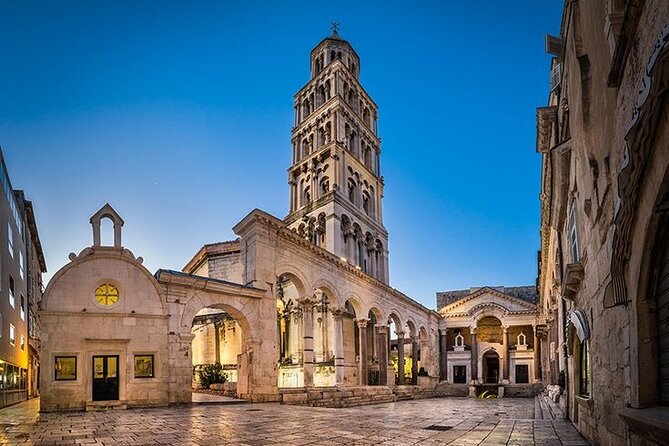
- Diocletian’s Palace core from the Peristyle to the temple area and “basement halls” substructures
- The Gregory of Nin statue tradition—yes, the toe is famous
- Trogir’s UNESCO old town loop around the central square and civic spaces
- Great views from Karmelengo Fortress over the marina and nearby islands
- Clear ticket split: some stops are free; others need separate admission
Diocletian’s Palace Peristyle: the best starting point in Split
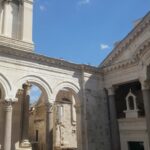
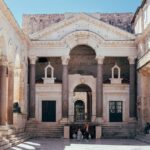
Most people start Split with the waterfront. This tour starts with where the city’s power and daily life intersected: the Peristyle of Diocletian’s Palace. It’s a rectangular open court at the crossroads of the palace’s main roads, and standing there gives you an immediate sense of why this place mattered.
I love how this stop frames everything else. Even if Roman details are not your thing, you still get the layout: court, streets, and how the palace functioned like a whole world inside the city. It’s also one of those spaces where your photos actually make sense—columns in one direction, the street lines in another.
You can also read our reviews of more guided tours in Split

How long you’ll spend
Expect about 15 minutes here, with time to look and take your bearings before the palace becomes busy.
Saint Domnius Cathedral: the oldest-used cathedral vibe
Next comes the Cathedral of Saint Domnius, consecrated around the turn of the 7th century AD. This is one of the reasons Split punches above its weight: it’s considered the oldest Catholic cathedral in the world that remains in use in its original structure, with only near-complete renovation avoided at later dates. (The bell tower is from the 12th century.)
You don’t have to be a church-history nerd to feel the difference. A site that has kept functioning through centuries tends to be less about dead ruins and more about continuity. And that matters on a short tour. You get to stand in a working timeline, not just look at stones.
A small practical note
This stop is ticket-free on the tour, which helps you keep momentum and energy. If the interior is open, this is often where your attention shifts from “what am I seeing?” to “how long has this been here?”
Grgur Ninski statue: luck, legends, and the culture of small gestures
Then you hit one of Split’s most recognizable landmarks: the Grgur Ninski (Gregory of Nin) Statue. It’s an impressive 8.5-metre figure by Ivan Meštrović, famous partly because people have made it their own ritual.
The toe is polished from constant touching—there’s a long-running saying that rubbing it brings good luck. It’s silly in the best way, and it’s also a reminder that even major monuments can live through human habits, not just architecture.
You can also read our reviews of more private tours in Split



Why this stop is worth the hype
This is one of those moments that’s fun even if you’re tired. When a guide times it well (and they usually do), you’re not just watching crowds—you’re joining a tradition and getting a real local story behind it.
Temple of Jupiter: Roman grandeur in a tight space
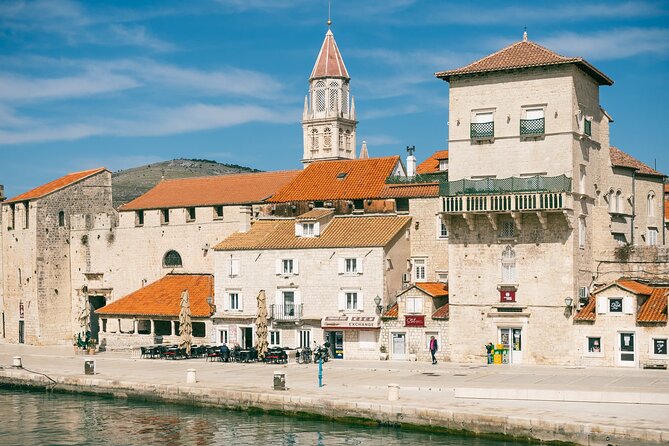
After you’ve soaked up the palace court energy and the statue ritual, the tour shifts to something more quietly impressive: the Temple of Jupiter. It’s located in the western part of Diocletian’s Palace near the Peristyle area, and it was built between 295 and 305, during construction of the palace, dedicated to the ancient Roman god Jupiter.
This is Roman engineering as atmosphere. Even when you’re not an archaeologist, you can read the purpose: monumental religion inside a political fortress. If you liked seeing the palace layout earlier, this stop turns the lights on—suddenly the palace isn’t only about power halls and soldiers. It has spiritual infrastructure too.
Time and tickets
You’ll typically have about 15 minutes here, and admission is not included on the tour.
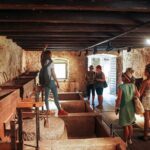
Diocletian Palace substructures: “basement halls” that change how you picture the palace
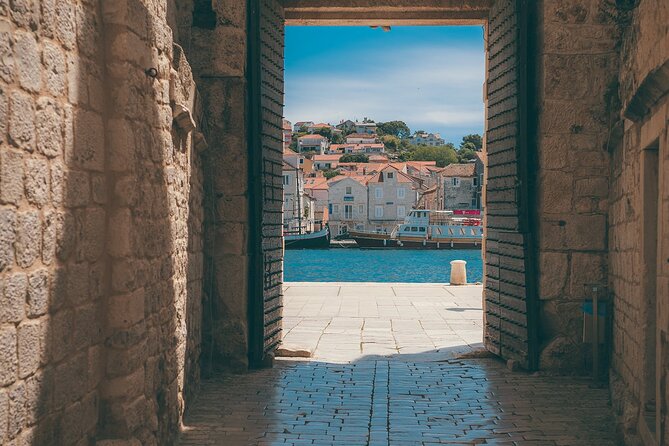
One of my favorite parts of this kind of palace tour is when it goes below street level—because it fixes a common mental picture. Here, you get the Diocletian Palace Substructures, also known as the Cellars or “basement halls.”
These substructures sit at the southern end of the palace area (now part of the southernmost section of Split’s Stari grade). They’re considered among the best preserved ancient complexes of their kind, and they once supported the private apartments of Emperor Diocletian above. In other words: you’re seeing the practical world that held up the prestige world.
What to look for
Don’t rush with your eyes. This is where your brain starts connecting systems: support, storage, separation of public and private space. It helps explain why Diocletian’s Palace still feels so complete.
Tickets
Admission is not included, so if you want to be extra smooth, plan for that before you arrive.
Crossing into Trogir: the mood shift you came for
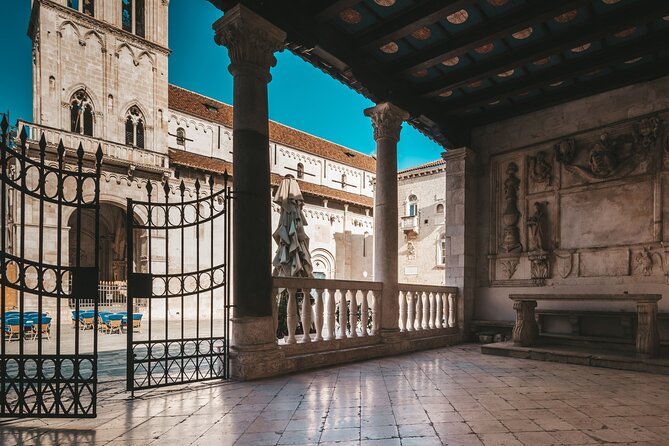
Then the tour moves from Split’s palace core to Trogir, a small Adriatic port town in central Dalmatia. The feeling changes fast. Instead of one huge palace complex dominating your day, you get a compact old town that rewards slower walking even in short time slots.
This is where the private-guide advantage really shows. You don’t have to guess which street to take next. You get a route that strings the best stops together logically.
A useful detail from past tours
On at least one similar run, the group went to Trogir first. That matters because Trogir can be at its best earlier in the day. If you’re sensitive to crowds, it’s smart to ask your guide how they’re timing the order.
Central Square in Trogir: Venetian-style civic life in one glance
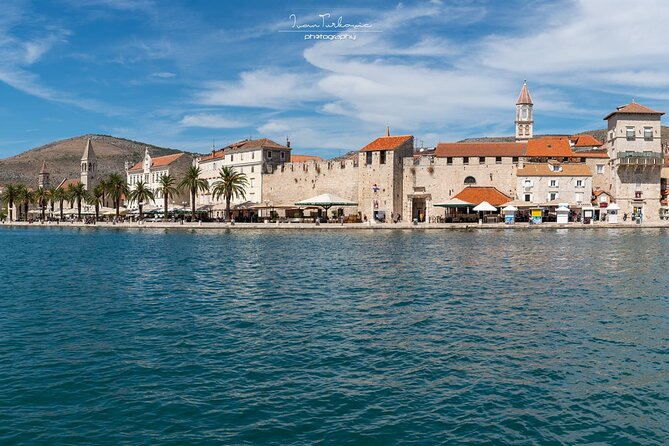
Your first major Trogir stop is the Central Square—also known as John Paul II Square. This is the social and civic center of the old town, and the setting is pure charm: a small square layout with historic buildings that feel distinctly Venetian in tone.
You’ll also see why Trogir makes the UNESCO list. It’s not just one building—it’s how the old town hangs together.
What’s worth focusing on
Pay attention to the surrounding buildings. One highlight is the Loggia, opposite the cathedral. It used to serve as a public courtroom, so it’s civic architecture, not just decorative stone. It has six pillars with carved capitals and reliefs on the walls, including a relief called The Relief of Justice made by Nicholas Florentino.
A quick heads-up: in summer, you might find the pillars harder to see clearly because of a nearby coffee bar. That doesn’t ruin the experience, but it’s good to know you may need a slightly different angle to spot the details.
Tickets
This stop is ticket-free on the tour.
Saint Lawrence’s Cathedral: a cathedral built over centuries
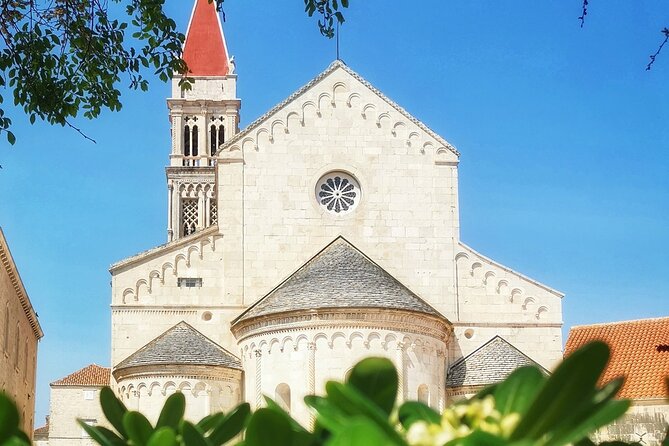
Next is Saint Lawrence’s Cathedral (Katedrala Sv. Lovre). It’s a triple-naved basilica constructed in Romanesque-Gothic style, and the key detail is that the build took several centuries. That means you can spot the styles that succeeded one another in Dalmatia.
Even with limited time, it’s worth stepping back and looking at it as a timeline in stone. You’re not just seeing one era—you’re seeing layers, which is why this stop fits well in a 6-hour “best of” itinerary.
Tickets
Admission is not included, so you’ll either pay separately or accept that you’ll spend more time outside.
Town Loggia and civic space: decisions happened here
The tour also stops at Trogir’s Town Loggia, described as the medieval meeting place for civic life—where announcements were made and legal matters discussed. This kind of place is easy to overlook if you only care about big monuments, but it’s one of the most meaningful stops for understanding how old towns actually worked.
I like how it connects the dots from the Split palace idea: both places were about power, order, and public life. The difference is tone. Split feels imperial. Trogir feels civic.
Tickets
This stop is ticket-free.
Palace Cipiko: why nobility left such a visible footprint
Another standout in Trogir is Palace Cipiko (Čipiko Palace), the largest residential palace in the old town. It’s a strong example of Gothic-Renaissance architecture and belonged to the influential Čipiko family, showing the wealth and power of noble life.
This is a great stop if you like architecture but don’t want a museum tour. Even if you only get quick viewing time, you can still sense the ambition in the design.
Tickets
Admission is not included on the tour.
Kula Karmelengo (Kamerlengo Fortress): the view that makes the effort worth it
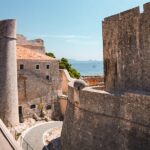
To end the Trogir section, you get Kula Karmelengo, better known as the Kamerlengo Fortress. Built in the 15th century during Venetian rule, it was designed to protect Trogir from naval attacks.
Today, it functions like a viewpoint machine. You get sweeping sightlines over the old town, the marina, and nearby islands. It’s also a reminder that these towns were strategic coastal outposts, not just pretty streets.
Tickets
Admission is not included here too, so plan around that if you want to step fully inside or make the most of the fortress area.
Private VIP value: what you’re paying for at $228.78 per person
At $228.78 per person for about 6 hours, this isn’t a “cheap and cheerful” tour. You’re paying for three things: speed with purpose, expert guidance, and less friction.
First, you’re getting a route that links Split’s Roman spine to Trogir’s UNESCO-era city layout without wasting time. Second, private VIP format means you’re not constantly navigating with strangers in your orbit. That helps a lot when you’re moving through palace spaces where crowds can swell fast.
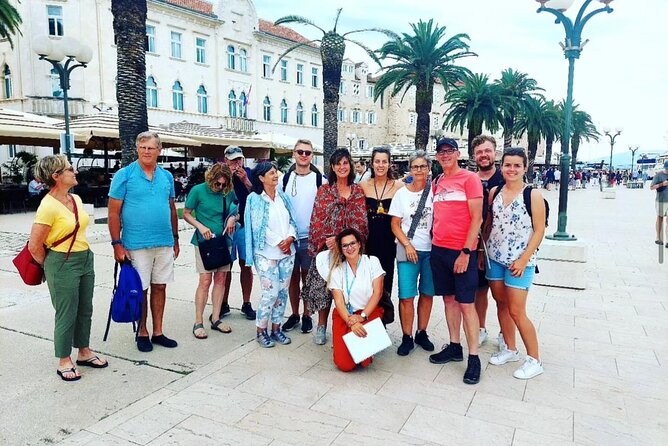
Third, the guide quality matters. In one standout experience, Kristina was described as fantastic—extremely clear, easy to follow, and proud of local traditions. In another, Andrea helped the group navigate crowds with ease, and even managed the order to visit Trogir first. That kind of practical local handling is the real value of a private tour.
Ticket reality check
Some stops are free, like the Peristyle and key cathedral/statue/outdoor points. Others are marked as not included, including the Diocletian substructures and several Trogir sites. So the final cost of your day can vary depending on what you choose to enter.
Who this tour fits best (and who should plan differently)
This is ideal if you want a high-impact day with a guide who can keep things coherent. It’s a great match for couples, friends, and anyone who likes architecture and city history but doesn’t want to spend hours planning or second-guessing where to go next.
It’s also a good option if you need convenience. Pickup is offered, there’s a mobile ticket, and the tour is near public transportation. Service animals are allowed too.
If you’re someone who wants long museum time, deep archaeological study, or unstructured wandering for hours, you might feel slightly rushed. The timing is designed for highlights, not lingering.
Should you book this Split and Trogir VIP tour?
Book it if you want the best version of a short trip: Diocletian’s Palace highlights, Roman and medieval context, and a smooth jump to Trogir’s UNESCO old town with smart stops and good views. The private setup and local guiding style can turn a day of monuments into a day of understanding.
Skip it or add extra time if you hate the idea of quick 15-minute windows or you’re building your day around specific paid interiors. In that case, you might want to choose fewer stops and stretch the time elsewhere.
If you’re aiming for a “first time” day in the region—this tour is a strong, practical choice.
FAQ
How long is the Best of Split & Trogir private VIP tour?
It lasts about 6 hours.
Is the tour private or shared?
It’s a private tour. Only your group participates.
Do you offer pickup?
Yes, pickup is offered.
What language is the tour in?
The tour is offered in English.
Do I get a mobile ticket?
Yes, a mobile ticket is included.
Are admission tickets included for all stops?
Not all of them. Some stops are ticket-free, while others are marked as admission ticket not included (like the Diocletian Palace substructures and several Trogir sites).
Is this tour good for most travelers?
Yes, most travelers can participate.
Are service animals allowed?
Yes, service animals are allowed.
Is there free cancellation?
Yes, free cancellation is available up to 24 hours in advance for a full refund.
Where does the tour take place?
It starts in Split, Croatia, and includes stops in Trogir.