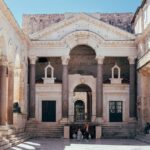
REVIEW · SPLIT
Split Food Tour: Discover Split One Bite At A Time
Book on Viator →Operated by Split Food Tour · Bookable on Viator
Food in Split, bite by bite. This small-group tour turns the old town into a living food map, with five local stops and a guide who connects what you eat to what you see around Diocletian’s Palace. I especially like how small-group access makes the tastings feel personal instead of rushed.
My other big favorite is the variety packed into about 4 hours: charcuterie, black risotto, pasticada, burek, and gelato or sorbet—plus water throughout and a shot of rakija. You also leave with a take-home guidebook that helps you keep eating after the tour ends.
One possible drawback: if you already did a full-on history tour of Diocletian’s Palace, you may notice some overlap in what you learn on this walk.
In This Review
- Key Points Before You Go
- Split Food Tour Through Diocletian’s Palace Streets
- Five Eateries, One Real Mission: Eat Like Locals
- What You Taste: Charcuterie, Black Risotto, Pasticada, Burek, Gelato
- Stop One: Dalmatian-Style Charcuterie With Bread and Sea Salts
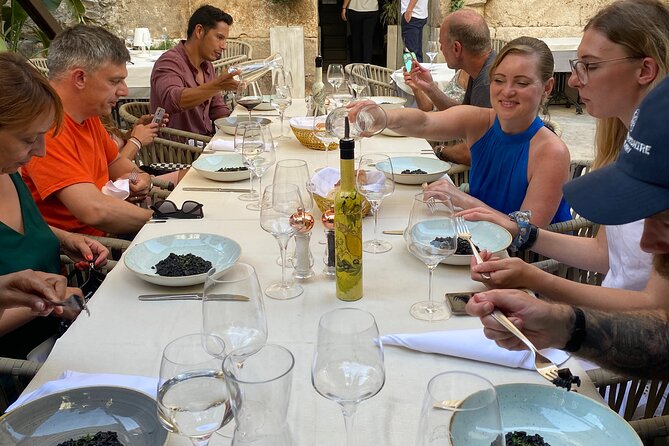
- Stop Two: Black Risotto With Cuttlefish and Cuttlefish Ink
- Stop Three: Pasticada Pot Roast, Gnocchi, Peka Bread, and Rakija
- Stop Four: Burek, the Balkan Snack You’ll Keep Thinking About
- Stop Five: Gelato or Sorbet, With Lavender as a Local Favorite
- How the History Walk Actually Helps Your Eating
- Price and Value: Why This Costs What It Costs
- Who This Tour Fits Best (And Who Might Feel It’s Not Their Thing)
- Practical Tips for a Smooth 4-Hour Stroll
- Should You Book This One-Bite-At-A-Time Tour?
- FAQ
- How long is the Split Food Tour?
- How many food stops are included?
- What is included in the tour price?
- Is the tour offered in English?
- Is the tour suitable for vegans or vegetarians?
- Can the tour accommodate dietary restrictions or allergies?
- What is the minimum drinking age?
- Where does the tour start and end?
- Is free cancellation available?
Key Points Before You Go
- Five local eateries instead of vague “market sampling,” so you actually eat a meal’s worth.
- Diocletian’s Palace on the route, with history tied directly to the dishes you’re served.
- Small group size (max 12) for more conversation and less waiting around.
- Rakija included with the pasticada stop (minimum drinking age is 18).
- Take-home guidebook for planning your next dinners in Split.
- Not vegan/vegetarian, but many allergies and diets can be accommodated if you message in advance.
Split Food Tour Through Diocletian’s Palace Streets
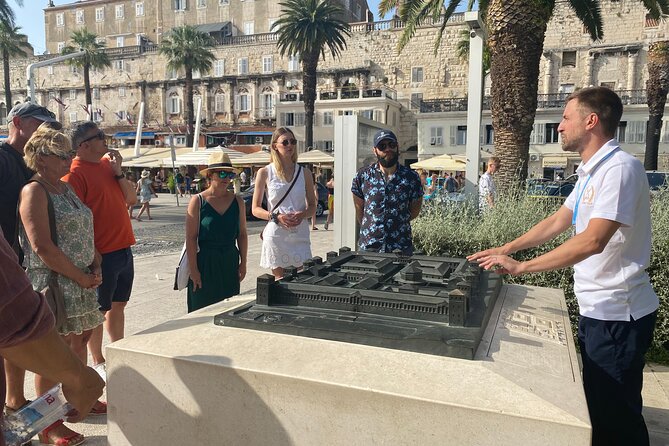
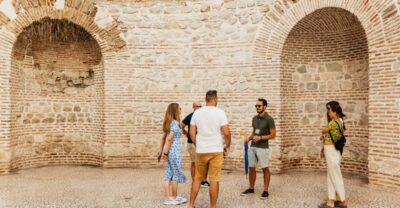
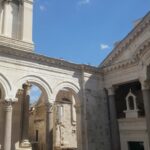
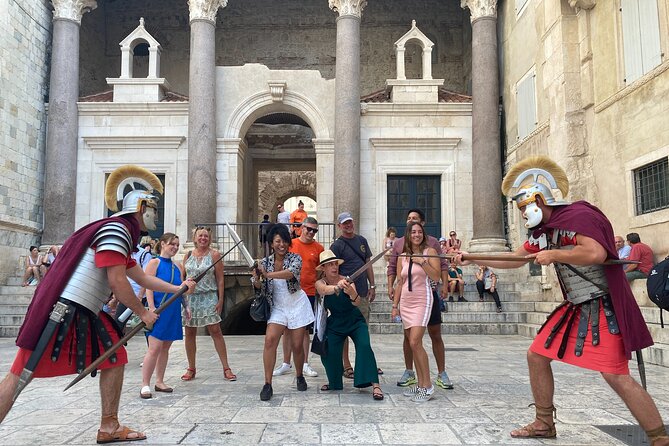
Split is one of those cities where the best sightseeing comes from just walking the old center and looking up. This tour starts in the Grad area, and it uses that classic Roman backdrop—Diocletian’s Palace and the UNESCO setting—as the spine for the whole experience. You’re not just drifting between restaurants; you’re getting a guided “why this dish here” explanation as you move.
What I like about this format is how naturally it helps you orient yourself. You’ll learn how old Roman walls, medieval lanes, and local eating habits overlap in the same few streets. And there are plenty of moments for photos as you go, without turning the tour into a photo-ops parade.
You’ll also notice the tour’s tone stays practical: it’s built for people who want to eat well. The pacing is designed so you can comfortably finish the tastings and still enjoy the rest of your afternoon.
You can also read our reviews of more food & drink experiences in Split

Five Eateries, One Real Mission: Eat Like Locals
The heart of this tour is simple: five authentic food establishments that people in Split actually use. That matters because it changes what you get. Instead of a rotating lineup of “tourist-friendly” bites, you’re tasting dishes where locals order the same things often.
Also, the tour doesn’t try to stretch snacks into an hour-long event. The food portions are meant to leave you satisfied by the end—charcuterie first, then seafood and meat, then a snack, then a dessert finish.
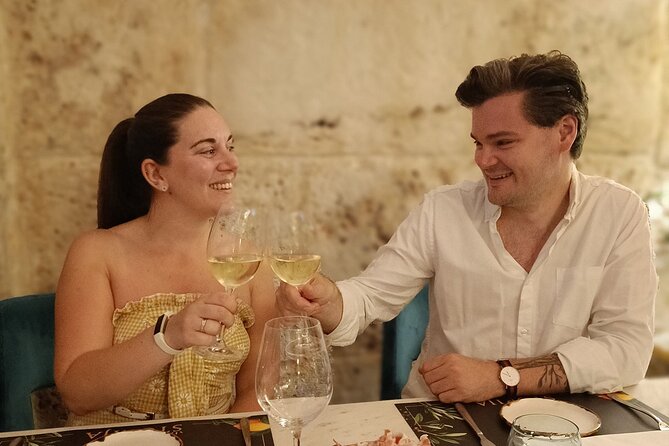
The small-group setup (maximum 12) helps here. You don’t feel like you’re in a crowd waiting for the group to catch up. You also have time to ask questions about ingredients and how dishes relate to Croatian life, not just read menu facts.
What You Taste: Charcuterie, Black Risotto, Pasticada, Burek, Gelato
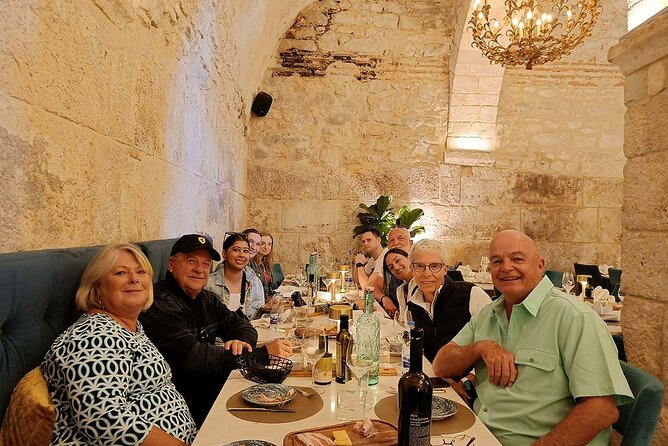
This is the part that makes the tour feel like actual value, because you know the lineup in advance. The tastings include a full sequence of flavors—salty cured meats, seafood ink-forward rice, slow-cooked beef comfort food, a flaky handheld snack, then a sweet ending.
Here’s the dish flow you can expect:
Stop One: Dalmatian-Style Charcuterie With Bread and Sea Salts
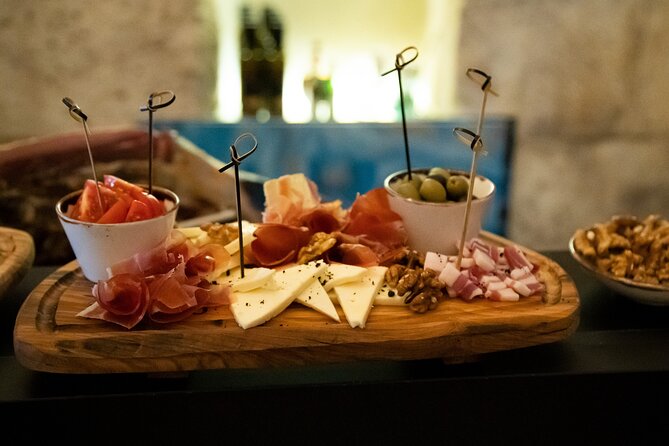
The tour begins with a charcuterie board designed around Dalmatian flavors: Dalmatian prosciutto, pancetta, cheese, olives, and a selection of salts. It comes with home-made bread and olive oil, which is a key part of how this region eats—simple ingredients, good sourcing, and small details that make a difference.
If you’re new to Croatian food, this is a smart first move. It sets the stage for what comes next: salt, fat, and bread all working together before you switch into seafood and meat dishes.
One practical note: charcuterie can be rich. If you want to make this feel easier on your stomach, take your time between bites and use the bread and olive oil to balance the salty flavors.
Stop Two: Black Risotto With Cuttlefish and Cuttlefish Ink
Next is the seafood stop: black risotto made with Adriatic cuttlefish and cuttlefish ink. It’s served with local bread and olive oil again, so you’re not left trying to eat a strong, dark dish with nothing to help it.
This is a signature Croatian idea. It’s not just about “seafood,” it’s about the Adriatic’s flavors showing up in a very specific way—ink gives color and intensity, while the cuttlefish adds a real bite.
A consideration: if you strongly prefer your rice extremely soft, ask yourself how you like risotto in general. Some versions can be more al dente than the very creamy, fully soft style you might expect at home.
You can also read our reviews of more tours and experiences in Split

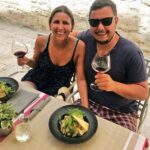
Stop Three: Pasticada Pot Roast, Gnocchi, Peka Bread, and Rakija
Then you shift to meat: pasticada, a Dalmatian beef pot roast dish. It arrives with home-made gnocchi, peka bread, and a shot of rakija (local liquor).
This is where the tour really turns into a “meal,” not just a sampling. Pasticada brings slow-cooked depth, and gnocchi gives you something soft to contrast the richness. The peka bread fits the local bread-and-sauce culture, and the rakija is the regional finish for the savory portion.
If you don’t drink alcohol, you’ll want to think about the rakija shot as part of the tour package. The minimum drinking age is 18, and the rakija is listed as included, so plan accordingly.
Stop Four: Burek, the Balkan Snack You’ll Keep Thinking About
After the heavier savory dishes, the tour gives you a snack break with burek—a thin, flaky dough snack with fillings you can choose from. It’s a perfect reset between main-course style bites and dessert.
Even if you’ve had burek elsewhere, this stop is valuable because you’re getting it in Split’s local rhythm, right after the meat and seafood parts. It’s the kind of food that feels handheld, quick, and satisfying without messing with your pace for the final course.
Stop Five: Gelato or Sorbet, With Lavender as a Local Favorite
The tour ends with dessert: gelato or sorbet, with your choice of flavors. If it’s available, the tour strongly recommends trying lavender, which is a very “Croatian coast” kind of twist—aromatic, delicate, and different from the usual chocolate-and-vanilla routine.
This sweet stop works well because you’ve walked a lot and eaten enough that dessert doesn’t feel like a random sugar bomb. It feels like a planned landing.
How the History Walk Actually Helps Your Eating
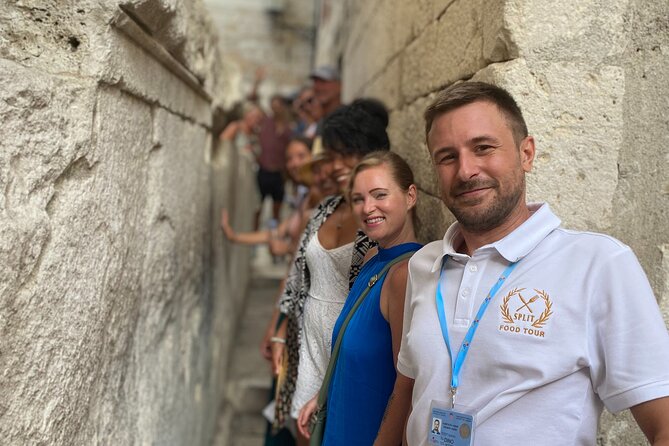
It’s easy to make history feel like filler. Here, the sightseeing and the food explanations are tied together as you move through the old town. The route is designed around the Diocletian’s Palace setting, with landmarks on the way and just the right amount of background woven into the restaurant stops.
What makes this useful is that you start recognizing the city’s “layers.” You’re not just hearing names of streets and eras; you’re understanding why certain foods became local standards. That is also where the guide makes the difference.
In the experiences I’m seeing people highlight, the strongest guides—like Ivana, Dino, Marina, Tea, and Yvonne—keep the story focused on how food and city life connect. The best part is that it’s not a lecture. It’s a conversation that helps you see Split while you eat.
If you’ve already taken a history tour earlier in the trip, you may find some of the same ground gets covered. Still, it can be worth it if you care more about food meaning than about collecting facts.
Price and Value: Why This Costs What It Costs
At $145.12 per person for around 4 hours, this tour isn’t a bargain-basement deal. But it also isn’t overpriced in a “you’re paying for the walk” way.
You’re paying for:
- All food at five different establishments
- A shot of rakija and water provided
- A local licensed guide
- A guided history/sightseeing walking component
- A take-home guidebook to extend the trip after the tour
The value equation is about what’s included, not the ticket price alone. A tasting that covers multiple sit-down-style stops (including a dessert course) is much harder to recreate on your own at the same level of local access—especially if you don’t know where locals actually eat.
And because the group is kept small (max 12), you’re more likely to get personal attention about what you’re tasting and why those choices matter. That’s part of the “pay once, eat well” appeal.
Who This Tour Fits Best (And Who Might Feel It’s Not Their Thing)
This is ideal if you want to:
- Eat your way through Croatian cuisine without guessing
- Get an organized local route through Split’s old town
- Learn a little history, but in a practical, food-connected way
- Try dishes like black risotto, pasticada, and burek that you might skip on your own unless you have guidance
It’s also a smart way to start your visit. One of the most useful outcomes is the restaurant knowledge you take home, especially with that guidebook.
Now the limits: it’s not suitable for vegans, and it also isn’t suited for vegetarians. The good news is that the tour can accommodate many dietary needs—including nut allergies, shellfish allergies, pescatarian preferences, and gluten-free diets—if you message after booking. If you have a serious allergy, don’t wait until the day of the tour.
Practical Tips for a Smooth 4-Hour Stroll
This is a walking experience, so wear shoes that can handle cobblestones and old-street uneven ground. Bring a phone for photos, because the route is full of little moments where the architecture frames your food stops.
Plan your timing with the reality that you’ll eat at five places. Even if each stop is technically a “tasting,” the overall plan is meant to leave you with a full belly by the end. If you’re planning an evening meal right after, consider going lighter later.
Since the experience requires good weather, keep an eye on forecasts if you’re traveling in shoulder seasons. And if you get motion sick easily, remember you’ll be walking and stopping often, so you’ll want to move at a comfortable pace.
One more practical thing: because the tour includes a history walk and food explanations, you’ll get the most out of it if you come with curiosity. Ask about ingredients, local cooking methods, and what makes Dalmatian cooking distinct.
Should You Book This One-Bite-At-A-Time Tour?
Book this tour if you want a food-first way to understand Split. The mix of five local stops, a guided route around Diocletian’s Palace, and included rakija plus dessert is exactly the kind of “do it once, do it right” experience that makes a short trip smoother.
Skip it (or consider a different option) if you’re vegan or vegetarian, or if you already did a lot of history walking and you’d rather spend that time eating or relaxing elsewhere. Also, if you strongly dislike foods flavored with ink or you hate alcohol in general, think carefully because the tour structure includes both.
If you’re the kind of traveler who likes to learn by eating, this one is hard to beat for how much you pack into a single afternoon.
FAQ
How long is the Split Food Tour?
The tour is approximately 4 hours.
How many food stops are included?
You’ll visit 5 different establishments for tastings.
What is included in the tour price?
All food at 5 different establishments is included, along with a history/sightseeing walking tour, a local licensed tour guide, water during the tour, and a shot of rakija.
Is the tour offered in English?
Yes, it is offered in English.
Is the tour suitable for vegans or vegetarians?
No. It is not suitable for vegans, and it is also not suited for vegetarian diets.
Can the tour accommodate dietary restrictions or allergies?
They can accommodate most dietary restrictions and allergies if you message them after booking, including nut allergies, shellfish allergies, pescatarian preferences, and gluten-free diets.
What is the minimum drinking age?
The minimum drinking age is 18.
Where does the tour start and end?
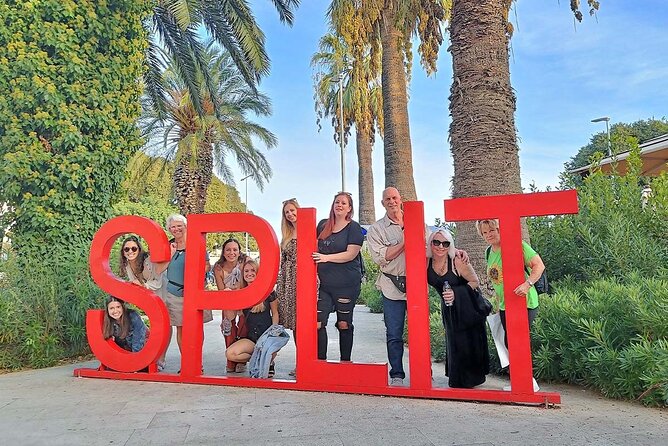
It starts at Split sign 21000, Grad, Split, Croatia, and ends back at the meeting point.
Is free cancellation available?
Yes. You can cancel up to 24 hours in advance for a full refund. If you cancel less than 24 hours before the start time, the amount you paid will not be refunded.