REVIEW · SPLIT
Split: Food Tasting Walking Tour
Book on GetYourGuide →Operated by www.splitwalkingtour.com · Bookable on GetYourGuide
Food in Split is a whole way of life. This walking tasting tour lets you sample Mediterranean staples inside the 1700-year-old Diocletian’s Palace area, with history folded into every stop. You’ll also get a practical mix of markets, bakery sweets, and seafood know-how, plus stories that make the city feel less like a postcard and more like a place with routines.
My favorite part is the food variety packed into just two hours: Green Market tastings, soparnik (the UNESCO-protected greens flatbread), prosciutto, and a chocolate stop tied to a Guinness record. The other big win is the guide energy—names like Marta, Jakov, Slavko, Ina, and Antonia show up in standout feedback, and that usually means you’re not just eating, you’re learning what locals actually reach for. One consideration: it’s short, so if you fall in love with a stall or bakery, you may want extra time right after the tour to go back on your own.
In This Review
- Quick Key Points
- Golden Gate to Diocletian’s Palace: Starting Your Meal Map
- Green Market Tastings: Arancini, Sugared Almonds, and What to Buy Next
- Soparnik, Prosciutto, and the Guinness-Linked Chocolate Stop
- Oldest Bakery Stop: Rafiol Cake and the Sweet Logic of Split
- Peškarija Fish Market: Anchovies, Marenda Brunch, and Eating Like You Mean It
- Value, Timing, and Who This Tour Fits Best
- Should You Book This Split Food Tasting Walking Tour?
- FAQ
- How long is the Split Food Tasting Walking Tour?
- Where does the tour start and end?
- What is the price per person?
- Is the tour in English?
- What food tastings are included?
- Are traditional recipes included?
- What should I bring for the tour?
- Is the tour wheelchair accessible?
- Can children join the tour?
- Is there free cancellation and pay later options?
Quick Key Points
- Golden Gate start near the statue of Gregory of Nin, easy meeting with a blue umbrella
- Green Market + Old Market time for real local flavors and market rhythm
- Soparnik spotlight with context on why it’s UNESCO-protected
- Chocolate stop with a Guinness tie-in for a memorable sweet break
- Peškarija fish market session built around how to eat salted anchovies
- Small-group or private options so the guide can adjust to your pace
Golden Gate to Diocletian’s Palace: Starting Your Meal Map
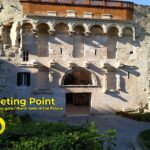
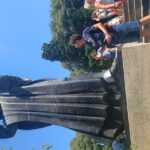
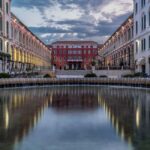
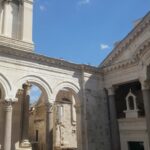
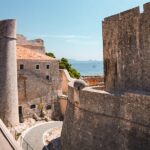
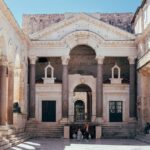
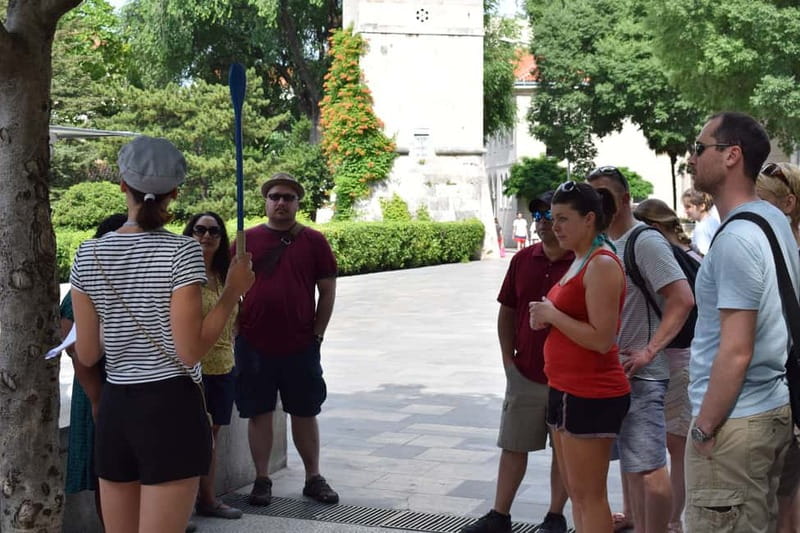
You meet at the Golden/North Gate, by the statue of Gregory of Nin. Look for the blue umbrella. From there, you’re in the zone where Split’s food culture and its oldest walls feel like the same story—Roman stone close by, medieval lanes around you, and a sense that people here eat with their feet still moving.
Even before the tastings start, the guide usually sets the tone: where you are in Diocletian’s Palace world, how Split’s markets work, and what foods to watch for as you wander later. It matters, because Split has a lot of menu noise from tourist spots, and a good guide helps you spot what’s truly local without needing a phrasebook.
At the first café stop, you get an early taste that reads like a Split morning summary. You might sample things like arancini-type bites and sugared almonds (candied nuts are a thing here). This is a smart warm-up: you’re not stuffed, you’re calibrated. If you show up hungry, you’ll enjoy the tour more. If you show up on a full stomach, you’ll still learn the food history, but you may find later tastings a bit much.
Practical tip: wear comfortable shoes. The route is a walk through older streets, and you’ll be stopping often. You’ll also want sunglasses and a sun hat. Split sun doesn’t negotiate.
You can also read our reviews of more walking tours in Split

Green Market Tastings: Arancini, Sugared Almonds, and What to Buy Next
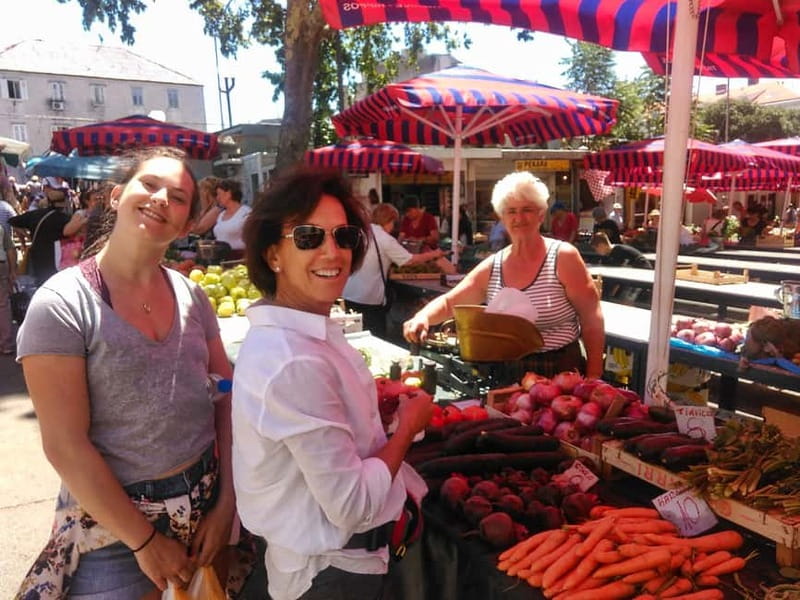
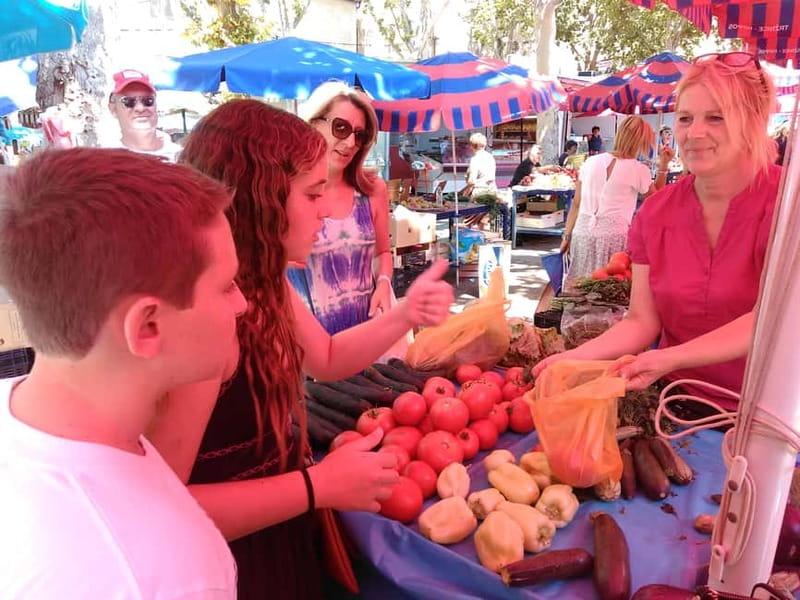
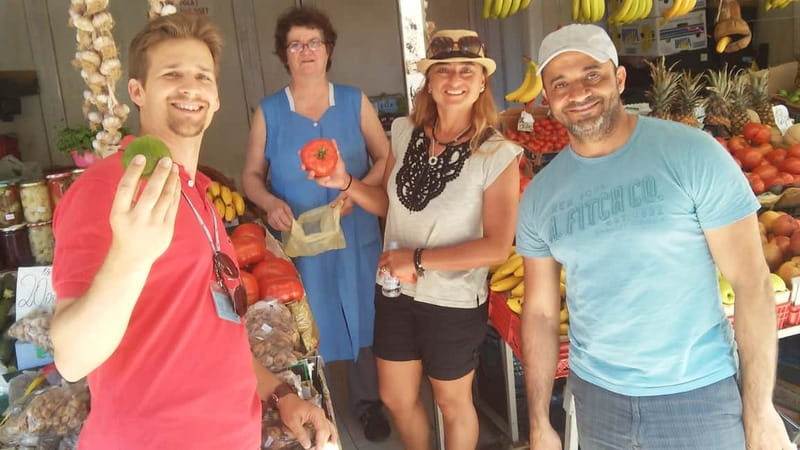
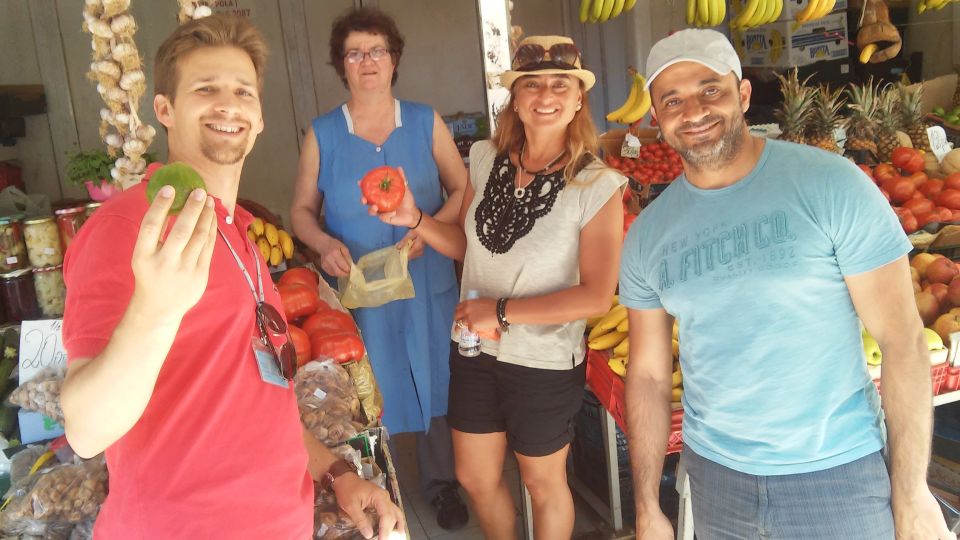
Next comes the heart of the tour’s market portion: the Green Market / Old Market area. This is where you understand Split as a working city, not just a sightseeing circuit. You’ll taste foods tied to daily life, then see the ingredients behind them.
The tastings at this point are often the kind of local comfort you can’t easily recreate at home. Think arancini-style bites and almonds in sugar, plus other small sweets or candied fruit flavors that have shown up in tour feedback. Some groups also mention things like candied orange or lemon peel, which is a clue that Split’s flavors lean sunny and lightly perfumed—not just salty and heavy.
This is also where you start learning how to shop. Market food isn’t only about what you try during the tour; it’s about what you’ll know how to choose after. You’ll walk past stalls and see what looks seasonal, what’s prepared, and what’s sold for snacking versus cooking later.
The tour does include tastings, not just walking through markets like museum exhibits. Still, keep your expectations balanced: you may be tempted to buy extra items while you’re there, and those extra purchases are optional. The included value is the guided sampling and the context that makes the rest of your market browsing make sense.
One more reason this stop lands: the guide can point out what locals snack on and what’s more of a tourist version. It’s the kind of guidance that saves you money later because you’ll know what to order again.
Soparnik, Prosciutto, and the Guinness-Linked Chocolate Stop
After the market, the tour shifts into the classic Split formula: greens, cured meat, and then something very sweet to reset your palate.
You’ll have soparnik with a glass of local wine in the tour plan. Soparnik is the UNESCO-protected greens flatbread, and the guide’s job here is to explain why it’s worth attention. It’s not just a dish—it’s an old-school technique that shows how people cooked with what grew nearby. You’ll taste it as a flatbread-like comfort, usually with a savory greens profile that feels different from the heavier Mediterranean meals you might expect.
Then you’ll stroll through medieval Split lanes while continuing the food thread. Prosciutto shows up here, and it’s a straightforward but important choice: it’s salty, it’s regional, and it gives you a contrast to the greens-based soparnik. If you like cured meats, this part tends to hit.
Next comes the chocolate shop visit, including a tasting tied to a Guinness record for the largest chocolate bar in the world. This is one of those stops that could be silly on paper, but it’s a nice break in a short tour. It also helps you understand the variety of what Split does well: salt, herbs, and then a sweet finish that feels like a storybook ending.
A quick heads-up for your expectations: one set of comments notes a wish for local wine, even though wine is listed in the tour description. That doesn’t mean you’re guaranteed to skip it, but it does suggest that tastings can vary by timing, supply, or how a particular group flows. If wine matters to you, it’s smart to ask your operator before you go.
Oldest Bakery Stop: Rafiol Cake and the Sweet Logic of Split
The tour doesn’t treat dessert like an afterthought. It builds toward a bakery stop where you can try the famous rafiol cake.
Rafiol cake is the kind of local sweet that feels simple but tastes like real effort. The point of the stop isn’t just the flavor—it’s the timing. You’re already full of savory tastes, cured meat, and market bites. A bakery stop at this stage gives you that palate reset you need before the fish market portion.
The stop is also valuable because it shows you what to look for when you’re wandering later. If you know the name of the cake, you’ll find it more easily in bakeries and you’ll recognize the style. That’s the kind of practical souvenir you can eat without bringing home plastic.
Here’s how I’d think about it: you’re paying for access and guidance. The included tastings plus the recipe component mean you’re leaving with more than full cheeks—you’re leaving with a map for what to order again.
And yes, you’ll still be walking. But the pace is the point. You’re not stuck at one table for two hours.
Peškarija Fish Market: Anchovies, Marenda Brunch, and Eating Like You Mean It
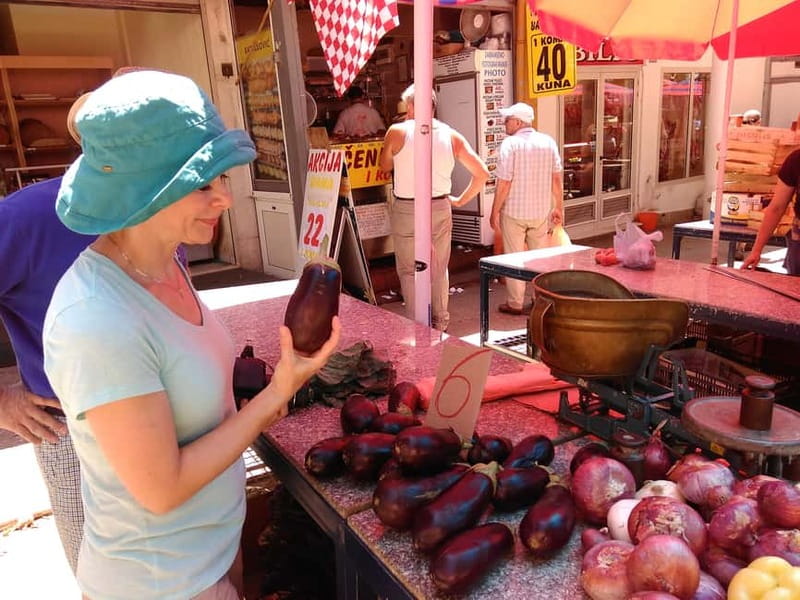
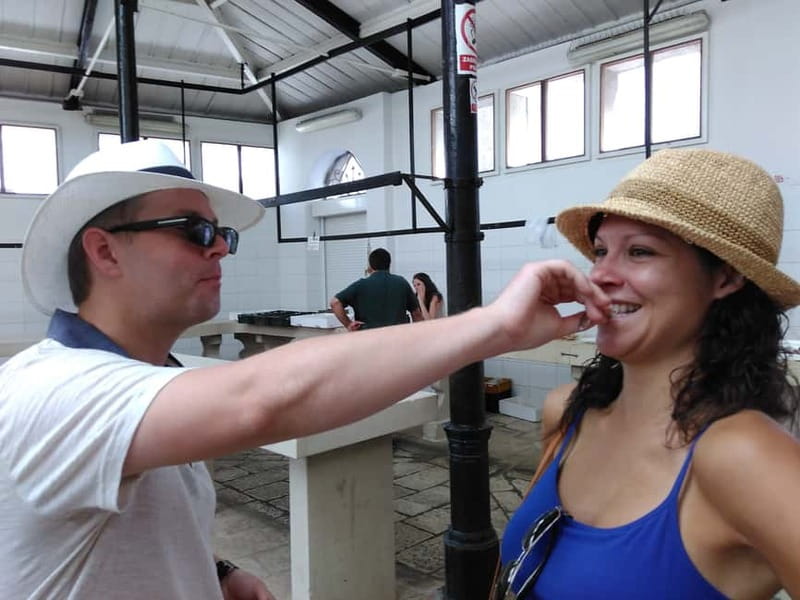
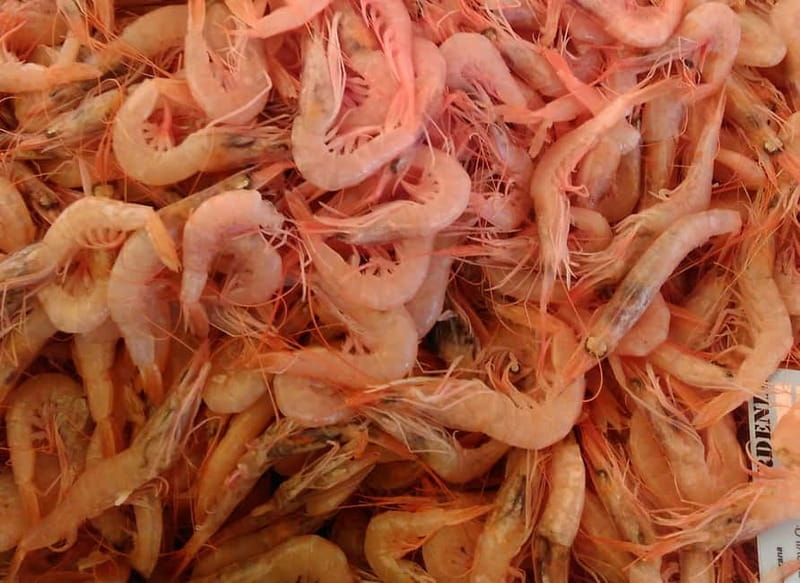
Now you get to one of Split’s signature food experiences: the fish market called Peškarija. It’s described as the second oldest in Europe, and the market benches are said to be over 120 years old. That old-school furniture matters because it signals what you’re seeing: a place with routine, not a staged photo set.
The tour gives you a guided way to eat salted anchovies—very local, very straightforward, and very salty. Expect the flavor to be strong. This is one of those tastings where your reaction depends on your comfort with salty fish.
You’ll also hear about marenda, the Dalmatian brunch culture. That’s key context. In coastal food traditions, people don’t always treat meals like strict clock events. Marenda is the in-between eating—snacks that can be filling, social, and part of the day’s rhythm.
If you’re worried about fish, don’t panic. You’re on a guided tour, so you can always tell your guide you want smaller bites or want to focus on what’s offered. The main value here is learning what locals consider normal and how they build a meal from market items.
After the fish market, you typically finish with additional small tastings at a local bar and a local restaurant. The restaurant stop is a nice capstone: you see how the day’s market flavors connect to an actual meal setting. It’s also a good moment to ask questions—where to eat next, what to order if you want more greens, what’s worth repeating, and what to skip if you prefer milder flavors.
This is also where the recipe angle can pay off. The tour includes traditional recipes, which is a great move for anyone who likes cooking even a little. You can use the flavors you tasted as a starting point instead of guessing from random menu descriptions later.
You can also read our reviews of more food & drink experiences in Split



Value, Timing, and Who This Tour Fits Best
At $51 per person for about two hours, you’re paying for three things: a guide, multiple tastings across different food categories, and recipes. That’s usually what makes a food tour worth it—one person handles the hard parts (finding good spots, getting access, explaining what you’re eating) so you can focus on the fun part.
Is two hours enough? For tastings, yes. For returning to buy everything you liked, often not. That’s the main tradeoff. The best strategy is to treat it like a meal map. After the tour, you’ll know where to go for a repeat bite, a bigger lunch, or a calmer stroll through the palace area without the pressure of a schedule.
This tour suits you if:
- you want a quick way to learn Split food culture without reading menus for hours
- you like markets and want help choosing what to taste
- you’re happy with lots of small bites instead of one big meal
It may not be ideal if you:
- hate walking on uneven older streets
- need wheelchair accessibility (the tour is not accessible for wheelchair users)
- travel with unaccompanied minors (children must be accompanied by an adult)
Should You Book This Split Food Tasting Walking Tour?
If your goal is to eat your way through Split’s most important food stops in a short time, this tour is a strong pick. The combination of Diocletian Palace setting, Green Market sampling, UNESCO-protected soparnik, a chocolate stop with a Guinness connection, and the Peškarija fish market experience gives you real variety. And the guide-driven approach shows up again and again in the feedback, with named guides like Marta and Jakov often credited for both humor and solid history context.
Book it early in your trip if you can. That way, the tastings turn into smarter restaurant choices for the rest of your days. If wine is a must for you, check with the operator before you go. Otherwise, bring your appetite, your curiosity, and your comfiest shoes—and let Split feed you.
FAQ
How long is the Split Food Tasting Walking Tour?
The tour lasts about 2 hours.
Where does the tour start and end?
It starts at the Golden/North Gate near the statue of Gregory of Nin, and the tour ends back at the same meeting point.
What is the price per person?
The listed price is $51 per person.
Is the tour in English?
Yes, the live guide provides the tour in English.
What food tastings are included?
The tour includes food tastings such as arancini and sugared almonds early on, soparnik, prosciutto, chocolate tasting, a bakery stop with rafiol cake, and fish market tastings including salted anchovies, plus additional tastings at a local bar and local restaurant.
Are traditional recipes included?
Yes, traditional recipes are included with the tour.
What should I bring for the tour?
Wear comfortable shoes, and bring sunglasses and a sun hat.
Is the tour wheelchair accessible?
No, the tour is not accessible for wheelchair users.
Can children join the tour?
Children must be accompanied by an adult.
Is there free cancellation and pay later options?
The tour offers free cancellation up to 24 hours in advance for a full refund, and you can reserve now and pay later.