REVIEW · SPLIT
Discover The Old Town Split 1.5h walking Small group tour
Book on GetYourGuide →Operated by Gray Line Croatia - A4y · Bookable on GetYourGuide
Roman Split fits in 90 minutes. This Old Town Split walk takes you from harbor-side Roman ruins to the medieval lanes of the UNESCO center, with a small group pace that feels manageable. You get the story of how the city kept reusing the same stone, century after century.
I especially love how the tour is led by a professional licensed local guide who brings the place to life with humor and context, not just dates. On one version I used as a model for how these tours run, guides like Toni and Roko made the route personal, even tweaking what they said to what people were curious about, and Ina (an archaeologist) added extra depth.
One consideration: this is street walking on an old-city surface, and it’s not wheelchair accessible. If you have mobility limits or you hate uneven stone, this may be harder than the headline “1.5 hours” suggests, so wear comfortable shoes.
In This Review
- Key highlights you should care about
- Split’s Roman-into-Medieval Story in 90 Minutes
- Meeting on Riva: Finding Your Guide and Getting Oriented
- Diocletian’s Palace: Harbor Views, Fortress-Like Space, and Quiet Roman Power
- St. Domnius Cathedral: Where the Mausoleum Story Becomes Split’s Religious Core
- Old City Streets: Cafés, Souvenir Rows, and the UNESCO Story You Can Feel
- Guides That Actually Shape the Experience: Humor, Tailoring, and Local Threads
- Is the Route Really 90 Minutes? The Pace, the Walking, and Why Timing Works
- Entrance Fees: What You Pay For, What You Can See Without
- Price and Value: Why $29 Can Beat a DIY Walk
- Who Should Book This Walking Tour (and Who Should Rethink It)
- Should You Book This Old Town Split Tour?
- FAQ
- How long is the Discover The Old Town Split walking tour?
- Where do I meet the guide?
- Are entrance fees included?
- What language is the tour in?
- Is the tour wheelchair accessible?
- Can children or pets join the tour?
- What is the cancellation policy?
Key highlights you should care about
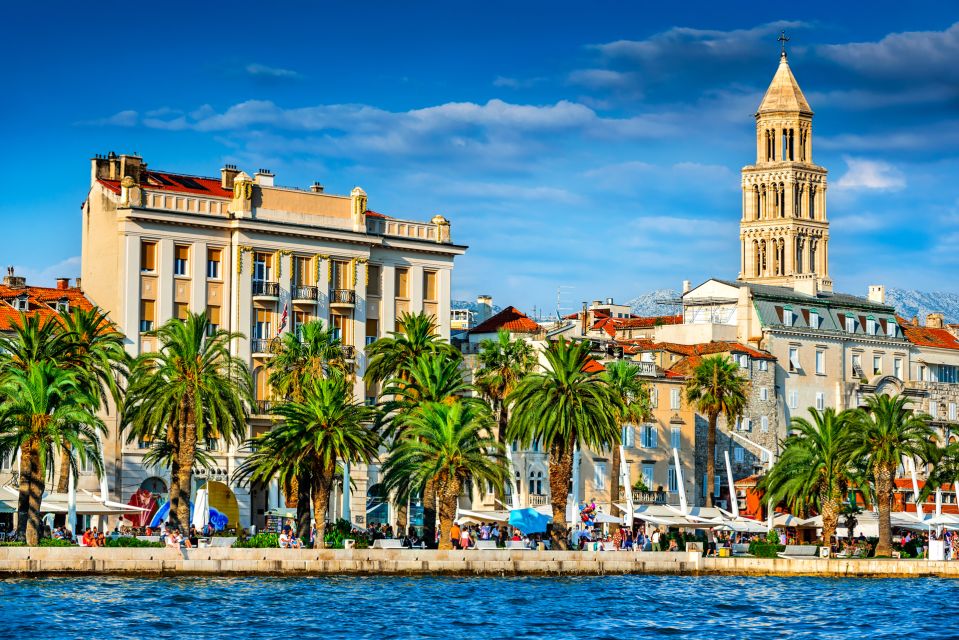
- Diocletian’s Palace ruins by the harbor: you start where the Roman empire still feels physical.
- Cellars and the peristyle courtyard: you see what made the fortress-functional, not just pretty.
- St. Domnius (Diocletian’s mausoleum site): the Roman story shifts into religious and medieval Split.
- Narrow lanes with real-life details: cafés and souvenir shops sit inside a UNESCO shell.
- Guides who adapt on the fly: shade breaks and attention to what your group cares about show up again and again.
- Optional monument entrances: you learn what’s worth paying for, instead of being forced into fees.
Split’s Roman-into-Medieval Story in 90 Minutes
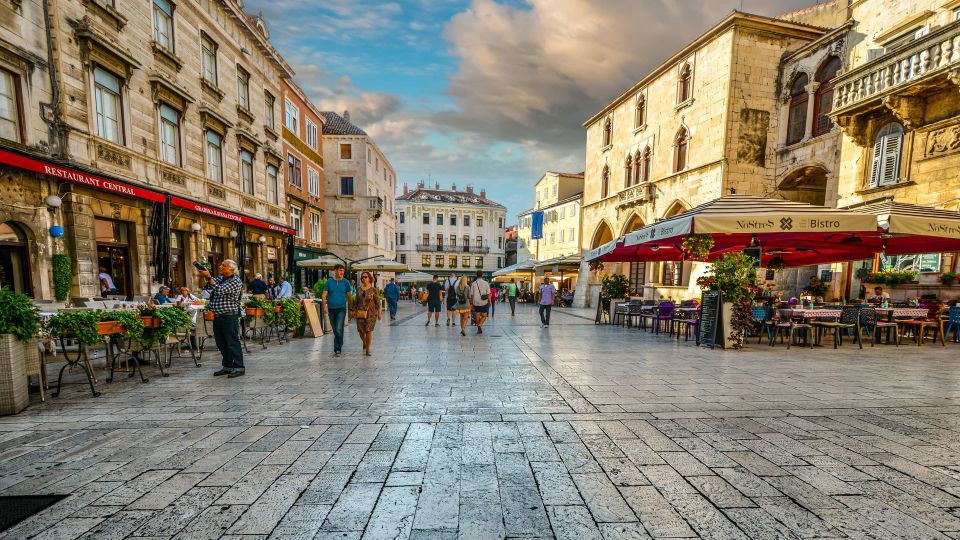
Split’s center is one of those places where you don’t need a museum ticket to feel transported. You just follow streets that were already there when emperors ruled and when medieval life took over. In 90 minutes, this tour helps you read the city like a map: start at the Roman fortress, then trace how the same spaces turned into later religious and everyday neighborhoods.
The value here is the pacing. A self-guided stroll can be pretty, but it’s easy to miss why things are where they are. With a guide, you get the cause-and-effect: how Diocletian’s palace shaped the city plan, how later Split grew around it, and why UNESCO lists this whole urban core rather than a single monument.
You’re also not stuck rushing. Many walking tours feel like a stamp-collection march. This one is designed to be relaxing: you move through the old town, take in small squares and lanes, and get explanations that help you connect each stop to the bigger story. And yes, the walking is real, but it’s short enough that you can still enjoy the rest of your day on your own.
You can also read our reviews of more walking tours in Split



Meeting on Riva: Finding Your Guide and Getting Oriented
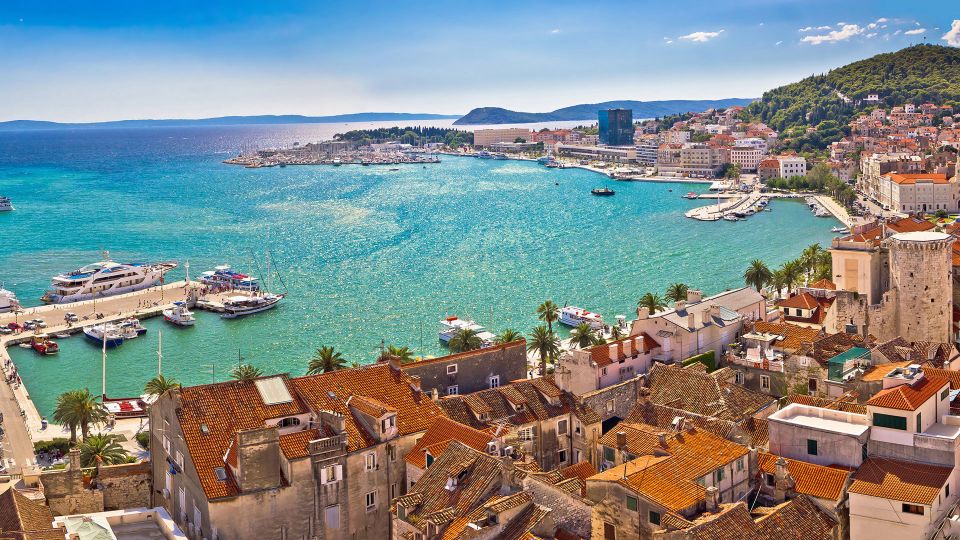
You’ll meet at the local supplier’s office on the famous Riva promenade, at Obala Hrvatskog narodnog preporoda 21, 21000 Split. It’s an easy landmark area, and the operator’s staff are wearing t-shirts with the supplier sign. Aim to check in 15 minutes before departure so you don’t start late and feel flustered.
There are also two starting location options depending on the session: one is near ATM – Auro Domus, and the other is the Visit Split–Grayline side of things. Either way, the tour’s rhythm quickly leads you toward the harbor-facing palace area, where Diocletian’s complex starts dominating the view.
The practical win: you’re not wasting your first hour trying to figure out where the palace ruins begin. The guide sets the direction early, so the rest of the walk feels like a guided story instead of a scavenger hunt.
Diocletian’s Palace: Harbor Views, Fortress-Like Space, and Quiet Roman Power
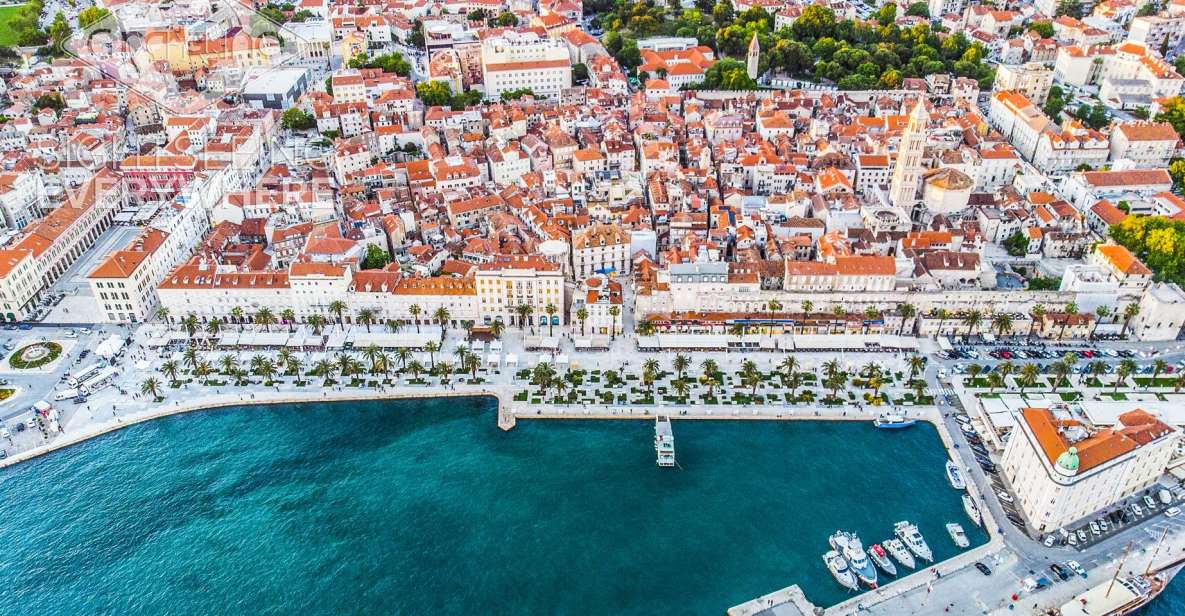
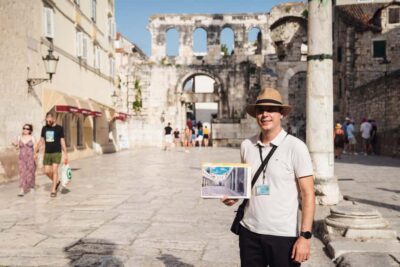
The tour’s anchor stop is the Palace of the Roman Emperor Diocletian. From the harbor side, it’s imposing in a way that photographs can’t fully explain. Even when you don’t see every Roman detail, you feel the scale: stone that was built for control, not comfort.
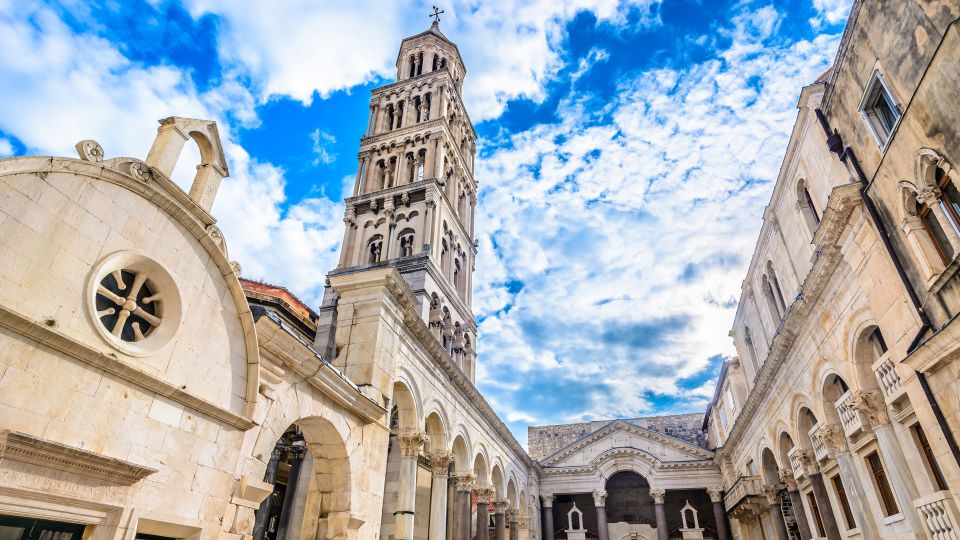
Once you’re in the orbit of the palace, the tour focuses on the structures that shaped daily life inside. You’ll wander around the narrow lanes that curl near the fortress walls, and you’ll get a sense of what the palace was designed to do. A guide points out features you might otherwise walk past—things like the stone fortress layout, the relationship between open courtyards and enclosed spaces, and the logic behind where people moved.
Two specific highlights matter here:
- Cellars: You’re seeing the practical infrastructure. These aren’t just ruins; they’re evidence of how Romans managed space under a defensive, monumental complex.
- Peristyle courtyard: This is where the Roman feel becomes more human. Courtyards like this were all about framing movement and air and light around the buildings.
If you’re hoping to peek into interiors, remember entrance fees are optional. One guide-style approach you might see on similar runs includes pointing out impressive areas you can view without paying, then indicating which monuments are worth the extra money if you want to go deeper.
St. Domnius Cathedral: Where the Mausoleum Story Becomes Split’s Religious Core

From the palace zone, the route connects you to one of the most important Roman-to-medieval transitions in Split: the Cathedral of St Doimus, which sits on the site of Diocletian’s mausoleum.
This stop is valuable because it’s not just a building. It’s a clue about how history repurposes itself. The Roman story doesn’t vanish once medieval life arrives—it gets rebuilt on top of, and wrapped into, what later Split needed most. By the time you reach St Doimus, you understand that Split’s UNESCO value is about continuity and reuse, not just separate time periods sitting side by side.
The tour’s explanation helps you look at the cathedral with context: why this particular Roman site mattered, how it shaped the religious center that developed afterward, and why locals still treat it as a cornerstone of the old city identity.
There’s also a comfort angle. If you’re visiting in warmer months, this part of the walk can give you a natural pause to slow down, take photos, and reset before continuing through the lanes.
Old City Streets: Cafés, Souvenir Rows, and the UNESCO Story You Can Feel
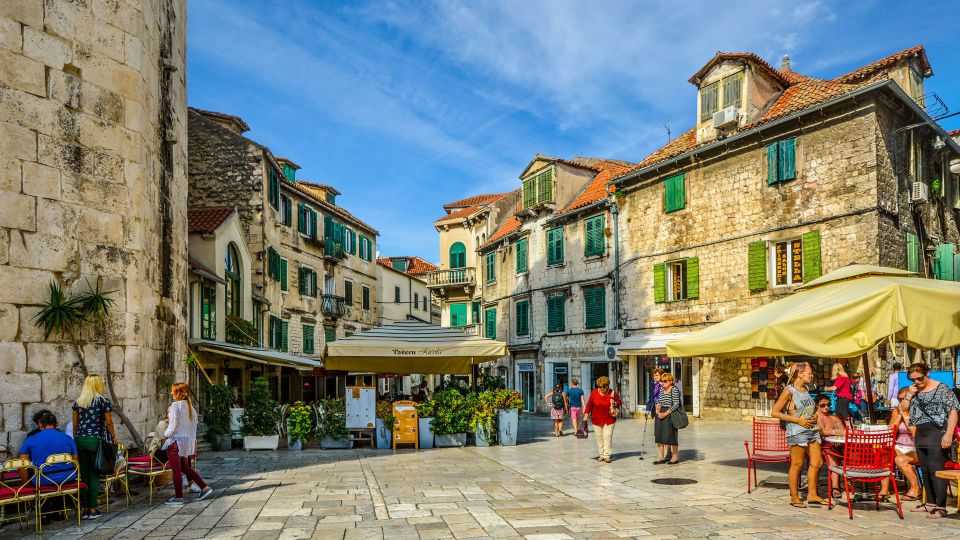
After you’ve anchored the Roman story, you walk through the narrow, picturesque streets that make Split so easy to fall for. Yes, you’ll pass souvenir stores—that’s part of the deal. But the guide helps you read them as a living city overlaying ancient structure. You notice how the old palace lines and Roman layout influenced the later street patterns and public spaces.
You also get to experience the Mediterranean everyday rhythm: cafés, squares, and street life mixed into a city center that’s officially recognized as UNESCO-listed. The tour stays calm and “walkable,” meaning you’re not just hopping between top sights; you’re learning how Split functions as a place, not only a backdrop.
One thing I’ve found especially useful in this kind of walk is shade and smart stopping points. In reviews tied to this tour format, guides are praised for finding shady places to stand or sit for comfort. Even if you don’t need it, it’s a sign of a guide who plans the route with humans in mind.
Also, the small-group setup can change the vibe. You’re more likely to get answers that fit your questions, which makes the UNESCO explanation feel practical rather than like a lecture.




Guides That Actually Shape the Experience: Humor, Tailoring, and Local Threads
This is the part that makes the difference between seeing Split and understanding it. Time after time, guides linked to this tour format get praised for being personable, funny, and locally grounded.
You’ll likely hear your guide tell the Diocletian story with a mix of architecture and daily-life context. And you might get extra personality depending on who’s leading. Names that show up often in guide feedback include:
- Aneka: highlighted for being knowledgeable, personable, and easy to follow with great local details and humor.
- Anita: praised for being very knowledgeable and interesting.
- Marko: noted for informally tailoring commentary to what the group cared about, including making the walk comfortable with shade.
- Ina: described as an archaeologist guide who connects Roman origins to the medieval period in a way that makes the city feel alive.
- Toni and Roko: remembered for passion about Split, plus a fun mix of history and present-day insight.
Even if you never get the same guide name, the pattern matters: these tours tend to be led by people who care about communicating clearly and keeping things light. That’s why the “small group” claim feels real. When people aren’t just background noise, the city story sticks.
One bonus detail: because guides know where the good angles and helpful pauses are, you’re more likely to get that moment where you suddenly see how the palace ruins connect to the rest of Old Town. That’s the kind of mental link you want on your first trip to Split.
Is the Route Really 90 Minutes? The Pace, the Walking, and Why Timing Works
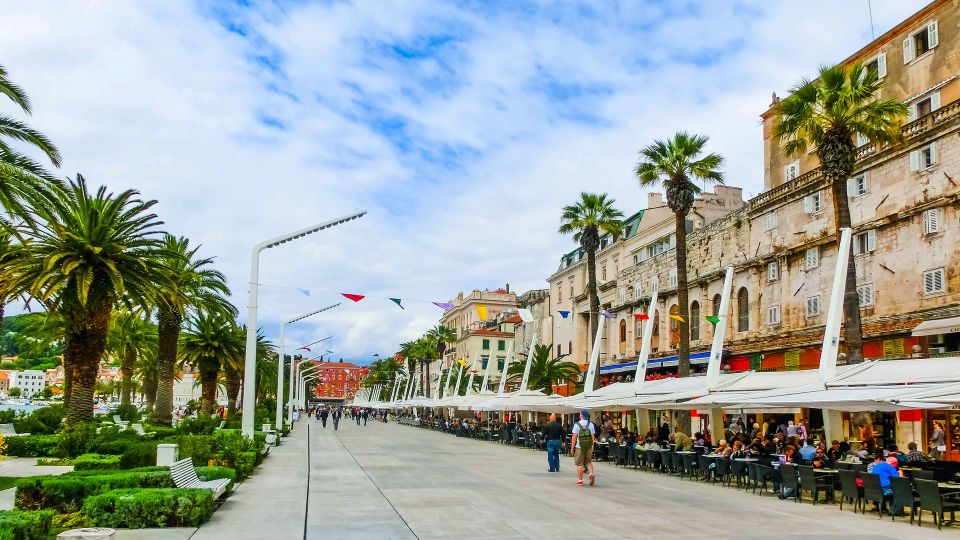
The tour duration is listed as 90 minutes, but you might notice it can run longer. In one example, the tour started as 1.5 hours and stretched to 2+ hours because the guide had a lot to share. That’s not a problem if you like learning, and it’s not a disaster if you’re still flexible for the day.
What you should expect is a steady walking pace through clustered sights. You’re not doing long transfers across town. The key landmarks are close enough that the guide can keep the flow between Roman palace elements, the St Doimus mausoleum site, and the surrounding medieval lanes.
Still, be honest with yourself about footwear and stamina. Even if the tour is short, Old Town surfaces can be uneven, and the streets are narrow. If you show up with stiff shoes or poor grip, you’ll feel it faster than you’d like.
Also note that the tour is live and guided in English. If you’re traveling with mixed language comfort levels, this clarity is a real plus.
Entrance Fees: What You Pay For, What You Can See Without
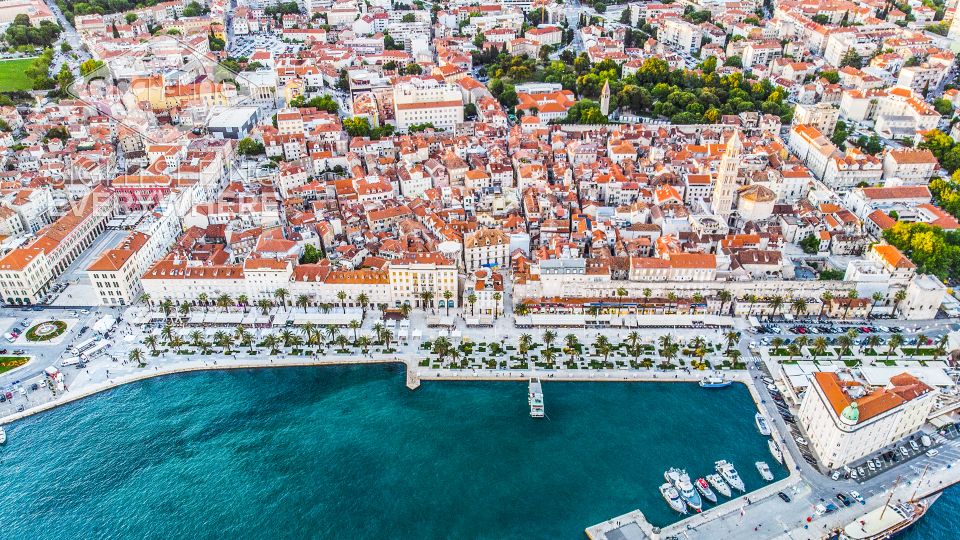
Entrance fees are not included, but you aren’t forced to spend extra. That matters in Split, where it can be easy to stack charges quickly if you’re not careful.
Here’s the smart way to use the optional-cost model:
- If you mainly want the big-picture story, you can often focus on exterior and street-level views where you understand what you’re seeing.
- If you love details and want to go inside specific monuments, pay only for the ones your guide flags as most worth your time and money.
A good sign is when a guide points out impressive spots you don’t need paid entry for. In feedback for this tour style, Toni is specifically mentioned for showing interesting places where you do not have to pay. That kind of guidance helps you stay in control of your spending.
Price and Value: Why $29 Can Beat a DIY Walk
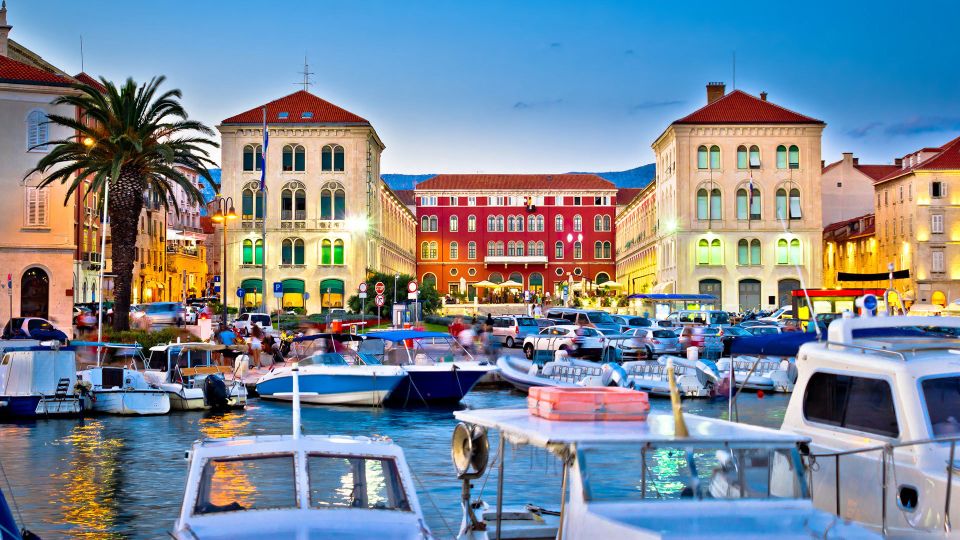
At $29 per person, this tour is priced for short-list practicality. You’re paying for three things you’d struggle to replicate on your own in the time you have:
- A licensed local guide who can connect the dots fast
- Time savings in knowing what to look at and why it matters
- A route that makes sense instead of zigzagging through Old Town randomly
If you were to do it solo, you’d still enjoy Split, but you’d likely spend more time figuring out where the palace influence shows up, what St Doimus represents beyond a name on a map, and how UNESCO ties the city center together. With this tour, the explanation is built in, and the time limit keeps it focused.
Because group sizes vary (some sessions are small and intimate; others can be bigger), you should plan to ask questions early. When the guide can see what people care about, the tour tends to feel more personal and satisfying.
Who Should Book This Walking Tour (and Who Should Rethink It)
This is a strong fit if:
- You’re short on time and want a first good grasp of Split’s Roman and medieval core
- You like walking tours that explain what you’re seeing, not just where to stand for photos
- You want a guided UNESCO-focused experience without committing to a full day of ticketed sites
It may not be your best choice if:
- You need wheelchair access (the tour is not wheelchair accessible)
- Your group includes kids who won’t be accompanied by an adult (children must be accompanied)
- You’re traveling with pets (pets are not allowed)
If you’re comfortable with walking and want a city-story route, you’ll get your money’s worth out of the guide’s explanations.
Should You Book This Old Town Split Tour?
Book it if you want a clear, guided way to understand Split’s UNESCO Old Town without turning your day into museum management. The biggest reason is the guide factor: humor, local context, and attention to comfort (like shade stops) show up again and again. And starting at Diocletian’s palace ruins gives you a strong foundation for everything you see next.
Skip it only if mobility is a major issue for your group or if you prefer totally self-directed exploring where you control every stop. For most people doing a first or second pass through Split, this is a smart, affordable way to turn the city from scenery into story.
FAQ
How long is the Discover The Old Town Split walking tour?
The tour lasts 90 minutes.
Where do I meet the guide?
You meet at the local supplier’s office on the Riva promenade, at Obala Hrvatskog narodnog preporoda 21, 21000 Split. Look for the supplier’s sign and staff in matching t-shirts. You may also see two starting options listed: ATM – Auro Domus and Visit Split–Grayline.
Are entrance fees included?
No. Entrance fees are not included, and entrances to monuments are optional.
What language is the tour in?
The tour has a live guide in English.
Is the tour wheelchair accessible?
No. The tour is not wheelchair accessible.
Can children or pets join the tour?
Children must be accompanied by an adult, and pets are not allowed.
What is the cancellation policy?
You can cancel up to 24 hours in advance for a full refund.