REVIEW · SPLIT
Split: Cultural Walking Tour with Anthropologist Guide
Book on GetYourGuide →Operated by Context Culture · Bookable on GetYourGuide
Split has a way of watching you back. This walking tour is less about posing and more about how stories clash in Croatia, with an anthropologist guide. You’ll start with famous landmarks and then connect them to the religion, identity, and politics that still shape daily life.
What I really like is the balance: you get the main-center sights (so you’re not lost in the backstreets), yet the tour keeps returning to controversial themes that most “highlights” tours politely dodge. I also love the built-in audio-visual material, which helps when topics get dense or when weather cuts down your focus.
One thing to consider: this isn’t a soft, purely scenic stroll. If you want classical commentary only, the discussion-heavy, sometimes uncomfortable side of Split and Croatia may feel like a lot for a 2-hour walk—but that’s also why it’s memorable.
In This Review
- Key things you’ll notice on this Split controversies tour
- A 2-hour walk that explains why Split argues with its own past
- Meet Marin: an anthropologist guide who connects buildings to identity
- Starting at Park Josipa Jurja Strossmayera: your orientation plus the frame
- Golden Gate to Peristil: the city’s Roman face, plus what the later story does
- Diocletian’s Cellars: where power hides in plain sight
- People’s Square: religion, politics, and the politics of visibility
- Židovski prolaz and Fruit Square: the city’s “in-between” spaces carry real meaning
- Riva and Republic Square: when everyday life meets geopolitics
- Finishing at Trumbićeva obala: keep walking, but with new questions
- Price and value: is $33 worth it for a controversies-focused tour?
- Who should book this Split controversies tour—and who should skip it
- Quick practical tips before you go
- Should you book the Controversies Behind Split and Croatia tour?
- FAQ
- How long is the Split Cultural Walking Tour with an anthropologist guide?
- What does the tour cost?
- Where do I meet, and where does the tour end?
- What language is the tour guide?
- Is the tour wheelchair accessible?
- What’s included, and are there extra costs?
Key things you’ll notice on this Split controversies tour
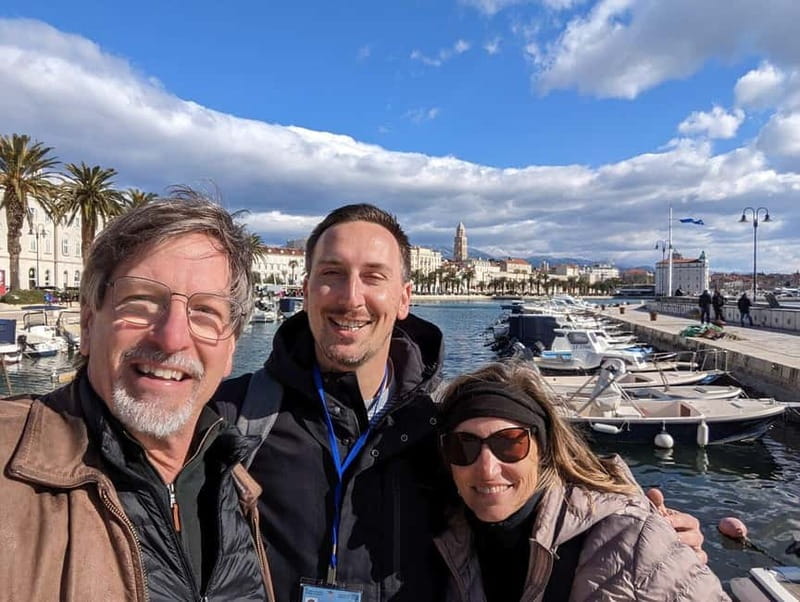
- Marin, a cultural anthropologist, leads the conversation through the city’s meaning, not just its dates
- Audio-visual material supports each topic so you’re not left guessing the context
- A “with no gloves on” approach connects historical taboos to today’s identity politics
- You still cover the core central sites, so beginners won’t feel punished for being new
- You get a mix of themes: politics, geopolitics, religion, demographics, sexuality, and economics
A 2-hour walk that explains why Split argues with its own past
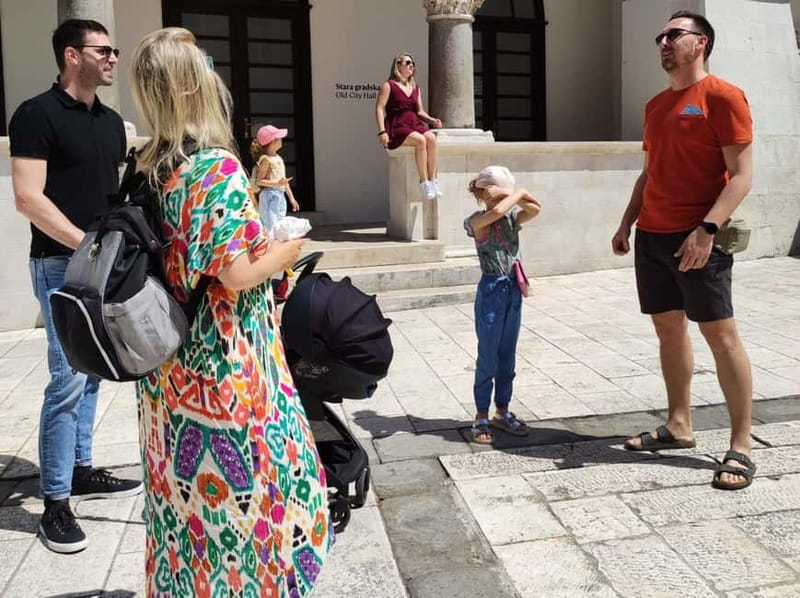
Split is easy to fall for on a first visit. Stone arches, sea views, café tables, and that Roman-era swagger. But the city also carries a stack of unresolved questions: who belongs, whose history counts, and what gets remembered versus erased.
That’s what makes this tour stand out. It starts from the idea that history isn’t over. It sits in architecture, street names, monuments, and the way people talk about identity. So instead of giving you a neat story with no friction, the guide keeps pointing to the controversies—the moments and debates that still influence modern Croatia.
You’ll be walking through the city center at a pace that’s meant for thinking, not sprinting. The core landmarks give you orientation fast, while the deeper commentary keeps asking the questions that other tours avoid.
And yes, it’s a “Split beginners friendly” setup. You’re not thrown into a complex research project with no map. You get the big hitters, and then the guide explains why those same big hitters can be uncomfortable to interpret.
You can also read our reviews of more walking tours in Split



Meet Marin: an anthropologist guide who connects buildings to identity
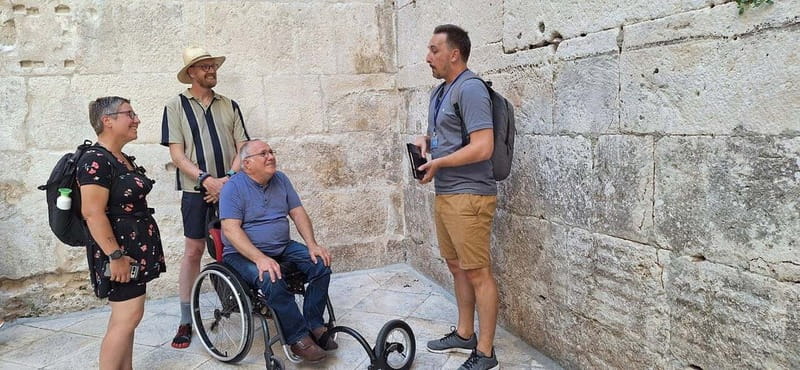
The guide here is Marin, a cultural anthropologist. In practice, that means you’re not just learning facts. You’re learning how people in the region make sense of those facts—how identity, politics, religion, and demographics get used in real arguments.
Marin’s teaching style (from how the tour has been described) is built for engagement. He’s not reading a script at you. He’s linking the physical space to social meaning and encouraging you to follow along with the logic. That’s a big deal for a walking tour, because the city changes under your feet. One minute you’re in front of a historical structure, and the next you’re at a square that feels present-day. The guide’s job is to make those transitions make sense.
There’s another practical side to his approach: the tour isn’t technical in a way that excludes non-specialists. You don’t need a university background to follow. If you’re the type of traveler who likes questions—who wonders why certain monuments get framed one way and not another—you’ll fit right in.
And because the tour is designed around “taboos” and contested topics, you should expect honest discussion. That can be refreshing in a place where some tour narratives smooth out the hard edges.
Starting at Park Josipa Jurja Strossmayera: your orientation plus the frame
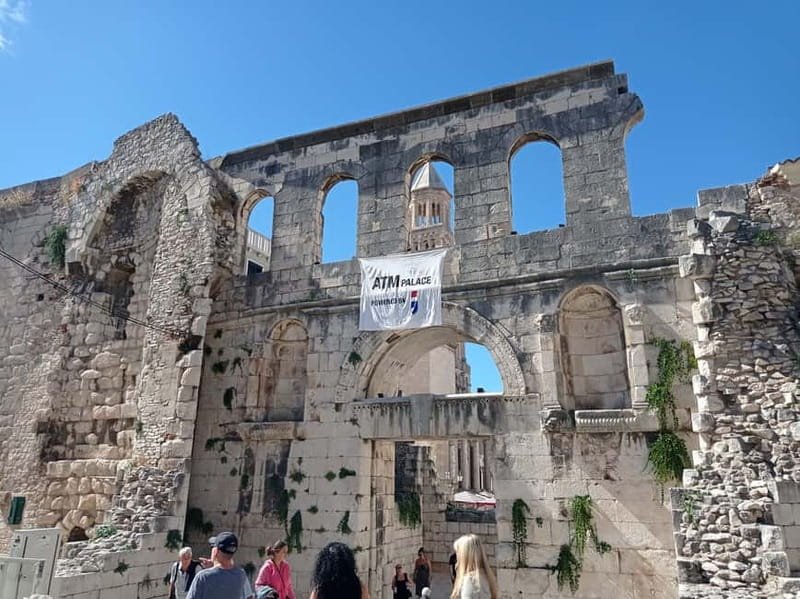
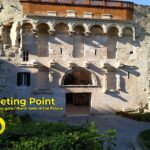
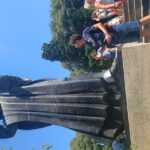
You meet at Ul. kralja Tomislava 12 in Split, in a park named for Josipa Jurja Strossmayera. You’ll meet next to the fountain located in the middle of the park.
This start matters more than it sounds. Before you hit the busiest historic streets, the guide can set the frame: you’re not collecting trivia. You’re building a lens for reading Split. Expect the tour to explain how contested history works in real life—how people use the past to justify the present.
I like this kind of opening because it prevents the classic problem on walking tours: you memorize stops, then forget them the moment you sit down for lunch. Here, the beginning is meant to help you keep the thread when the tour moves into more complicated territory.
Golden Gate to Peristil: the city’s Roman face, plus what the later story does
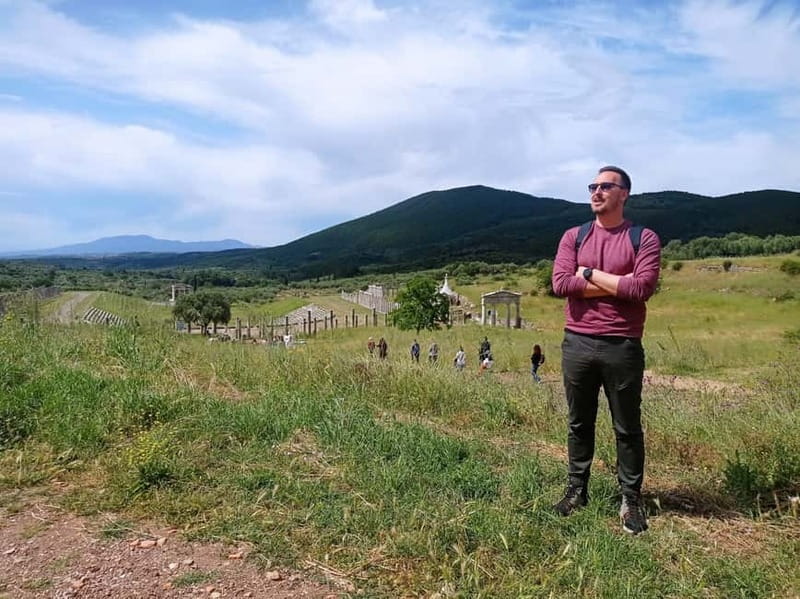
Stop two is the Golden Gate. You’ll get a guided look here for about 15 minutes. This is your first “big moment” of the route, and it works well as a checkpoint. You see a prominent entrance and start connecting what you’re looking at to the larger story of Split’s layers.
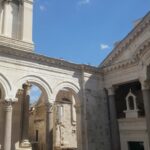
The tour then moves to Peristil, again with around 15 minutes of guided time. Peristil is where Split feels unmistakably historic, but it also sets up why the tour title makes sense. When you stand in a space that has survived centuries, it invites interpretation. Who controlled it, who adapted it, who gets to claim it now? A tourist can treat it like scenery. The anthropologist guide pushes you to treat it like a stage where identity is performed and argued over.
Drawback to consider: if you prefer a purely visual walk, these first stops may feel like they take a turn from postcard mode. But if you like understanding what you’re seeing, the early “interpretation” is what makes the rest of the walk click.
Diocletian’s Cellars: where power hides in plain sight

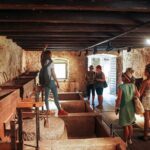
Next up is Diocletian’s Cellars, a shorter guided stop (about 10 minutes). This is one of those places where the architecture does a lot of talking without words. It’s physical, enclosed, and atmospheric. Even without a history lecture, you can feel how the space is built around control—storage, movement, and the logic of an empire that expected order.
In a tour built around controversies, the cellars become more than “Roman engineering.” They become a starting point for discussing how later societies interpret and repurpose inherited power. The guide’s style makes you notice how what looks like heritage can also become a tool in present debates.
If you’re sensitive to history that includes winners and losers, this part can still feel grounded rather than doom-heavy. The aim isn’t shock. It’s clarity: how the past keeps being used.
You can also read our reviews of more guided tours in Split





People’s Square: religion, politics, and the politics of visibility
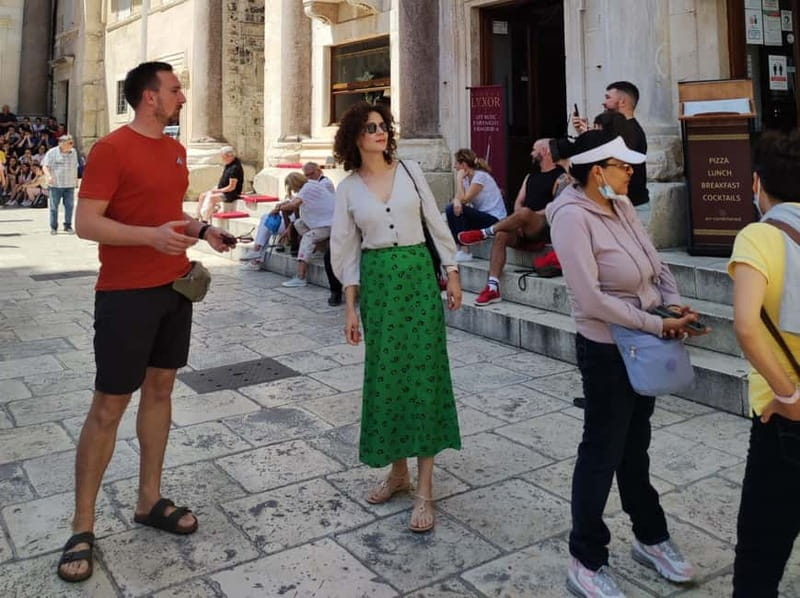
Then you’ll walk to People’s Square, with about 15 minutes of guided time.
Squares are where modern identity shows up. People gather. Decisions get made. Protest and ceremony both live here. So it’s a smart stop for a tour that blends socio-political movements with heritage. The guide can connect religious and political narratives to how a society chooses to present itself.
What I appreciate about doing this mid-tour is that you’re past the earliest landmark excitement. You’ve been primed to think. Now the guide can show you how the “present” is built on choices about the past.
Židovski prolaz and Fruit Square: the city’s “in-between” spaces carry real meaning
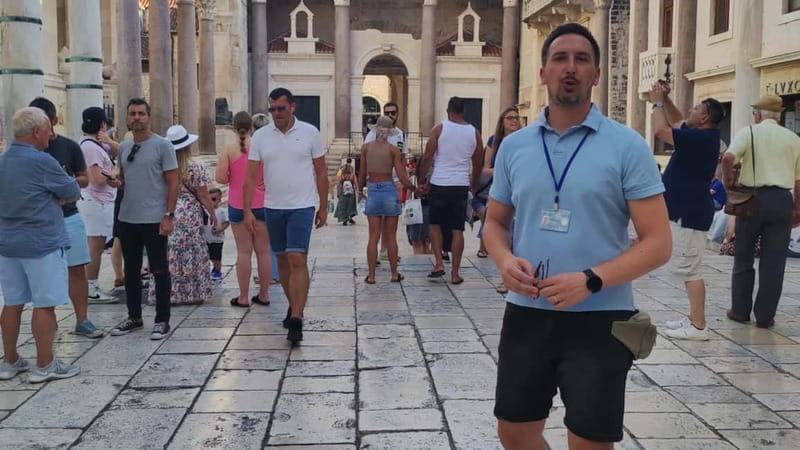
Next is Židovski prolaz (about 10 minutes), followed by Fruit Square with around 15 minutes of guided time.
These are the stops where you start getting the feeling that Split’s story isn’t only told in the grand monuments. It’s also told in the in-between spaces: passages, markets, and everyday streets. That’s exactly why these stops belong in a controversy-focused route. Identity isn’t only a headline; it’s also how neighborhoods remember and how communities are treated.
In an anthropologist-led tour, the guide can connect these spaces to questions of demographics and the shaping of social boundaries. Depending on what you already know, you may realize you’ve walked through places that have deeper histories than you assumed. That’s the moment this tour tends to work best: when you start seeing the city like a map of social relationships, not just a list of sights.
Small consideration: if you’re short on patience for discussion, passages and squares can feel like they slow down. The upside is that the conversation usually makes the physical setting easier to remember afterward.
Riva and Republic Square: when everyday life meets geopolitics
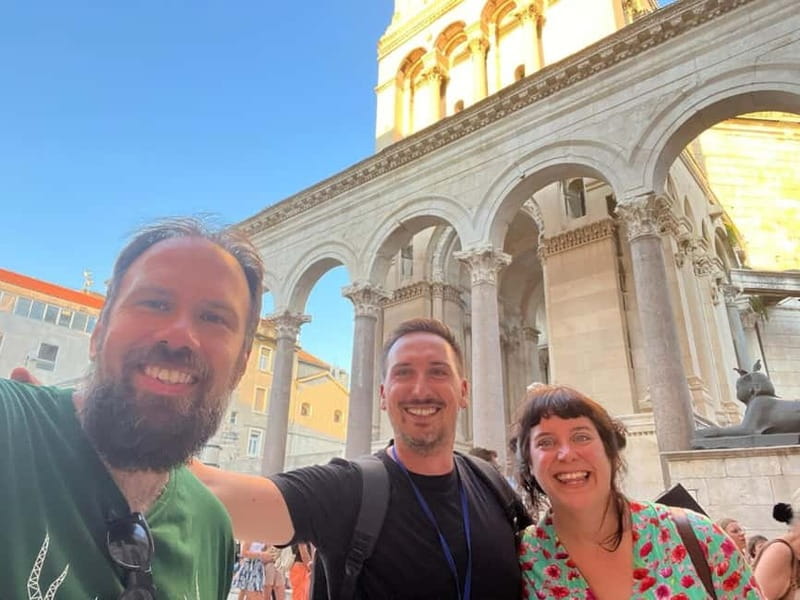
Then comes Riva, which is passed by for about 5 minutes. This is the sea-front zone many people expect to enjoy just for the atmosphere. On this tour it’s a quick reset point: a chance to breathe, look out, and notice how a city’s most “relaxed” public face can still sit on top of bigger debates.
After that you’ll visit Republic Square, with about 15 minutes guided.
Republic Square is another place where interpretation matters. The guide can use it to talk about political identity and how a society frames itself. Even if you’ve never thought about geopolitics while sightseeing, the tour nudges you toward that connection: how international pressures and internal choices shape what Croatia talks about, and what it tries to forget.
I like the pacing here: the tour doesn’t treat politics as an abstract lecture. It treats it as part of the everyday stage—where people live their public lives.
Finishing at Trumbićeva obala: keep walking, but with new questions

The tour finishes back along Trumbićeva obala. The format is designed so you end near the route’s center of gravity, which helps you continue your day without feeling stuck at a distant edge of town.
By the time you finish, you should feel like you understand Split on two levels. First level: you’ve seen the main center and you can orient yourself. Second level: you know why simple explanations don’t always hold here.
That’s the best souvenir from this kind of tour. Not a photo. A mental habit: asking what’s contested, who benefits from the story being told one way, and how identity debates can echo through architecture and public spaces.
Price and value: is $33 worth it for a controversies-focused tour?
At $33 per person for about 2 hours, this is priced like a quality city guide experience, not a budget add-on. The value case is the combination of three things you don’t always get together:
- A guide with an anthropologist lens (Marin) who interprets meaning, not just facts
- A route that mixes the obvious sights with the “why does this matter” layer
- Audio-visual material tied to the topics, so the discussion has support
Also, the tour is designed to be “with no gloves on,” so you’re paying for depth. If you want a traditional highlights tour that stays comfortable, you’ll probably feel you’re paying for content you didn’t ask for. If you want to understand why Croatia’s identity debates can feel intense—and how that intensity lives in public space—this price starts to look pretty fair.
One more point for value: there are no extra costs stated. That means what you see is what you get.
Who should book this Split controversies tour—and who should skip it
Book it if you:
- Like history that has consequences, not just dates
- Want context for Croatian identity debates: religion, politics, demographics, and social topics
- Enjoy guides who connect architecture and public spaces to real-world meaning
- Want a first-day orientation tour that still teaches you something you can’t easily get on a standard walking loop
Skip it if you:
- Prefer sightseeing that avoids heavy topics
- Want only postcard descriptions and short captions, not interpretation
- Get worn out by discussion and would rather do museums at your own pace
Quick practical tips before you go
- Wear shoes you can trust. You’re on a walking route with multiple stops and some passages.
- Come ready for conversation. This tour is built around questions and context, not silent landmark stops.
- If you’re sensitive to political or identity themes, it may still be handled thoughtfully, but the topics are central to the format, not optional.
Should you book the Controversies Behind Split and Croatia tour?
In my view, this is a strong fit for travelers who want more than the usual city highlights. You get the center sights, but you also get a guide who explains why those sights exist inside contested stories. With Marin’s anthropologist approach and the audio-visual support, the tour is designed to be both engaging and understandable, even when the topic turns uncomfortable.
If you’re the type who asks why a society remembers certain things and not others, this is one of the best ways to get oriented in Split fast, while also learning how the city thinks.
If you want, tell me your travel dates and what you already plan to see in Split, and I’ll suggest how to place this tour in your schedule.
FAQ
How long is the Split Cultural Walking Tour with an anthropologist guide?
The tour lasts 2 hours.
What does the tour cost?
It costs $33 per person.
Where do I meet, and where does the tour end?
You meet at Ul. kralja Tomislava 12, 21000 Split, Croatia, next to the fountain in the middle of the park. The tour ends back at the meeting point.
What language is the tour guide?
The live guide offers the tour in English.
Is the tour wheelchair accessible?
Yes, it is wheelchair accessible.
What’s included, and are there extra costs?
The tour includes additional audio-visual material for each topic covered, and there are no extra costs.