REVIEW · SPLIT
Split; Private Morning Walking Tour in Split
Book on GetYourGuide →Operated by Kaius · Bookable on GetYourGuide
A morning walk in Split feels like a shortcut to understanding the city. This private tour keeps the pace calm while you move through Diocletian’s Palace and its lower spaces, then tops it off with local shopping at the Split Green Market (Pazar).
I like the focus on the oldest layers of the city, not just postcard stops. I also like that the guide links past and present as you walk, so the stories don’t stay stuck in the past.
The one thing to think about is simple: it’s a walking tour in a historic old town. Wear comfortable shoes and bring water, especially if you start early but warm weather is already showing up.
In This Review
- Key highlights you’ll feel during the walk
- Why a private morning walk works so well in Split
- Meeting the city at the Model of the historical core
- Diocletian’s Palace streets and the thrill of the 4th-century scale
- Guided cellars: seeing Split from underneath
- Cathedral of Saint Domnius (Sveti Duje): a mausoleum turned landmark
- Peristil, Golden Gate, and the pleasure of short photo stops
- A secret 20-minute stop that breaks the routine
- People’s Square shopping time and a real local market: Pazar
- Riva promenade: that slow walk feeling and the city breathing
- Maketa grada Splita break time and turning sight into understanding
- Price and value: what $129 per group really means
- Who this tour suits best (and who might want something else)
- Should you book this Split private morning walking tour?
- FAQ
- What’s the duration of the Split private morning walking tour?
- Where does the tour start?
- Is this a private group tour?
- What languages will the live guide speak?
- What sights are included in the tour?
- Is the Pazar (Green Market) stop part of the experience?
- What should I bring?
- What’s the cancellation policy?
- Is there a way to keep my travel plans flexible when booking?
Key highlights you’ll feel during the walk
- Private morning start that helps you dodge crowd stress
- Diocletian’s Palace substructures and a guided look at the cellars
- Cathedral of Saint Domnius (Sveti Duje) with context on its origins
- Photo moments at Golden Gate and along the Riva promenade
- Split’s Pazar (Green Market) where locals buy and sell Dalmatian products
- A licensed guide using history and culture to connect the whole route
Why a private morning walk works so well in Split
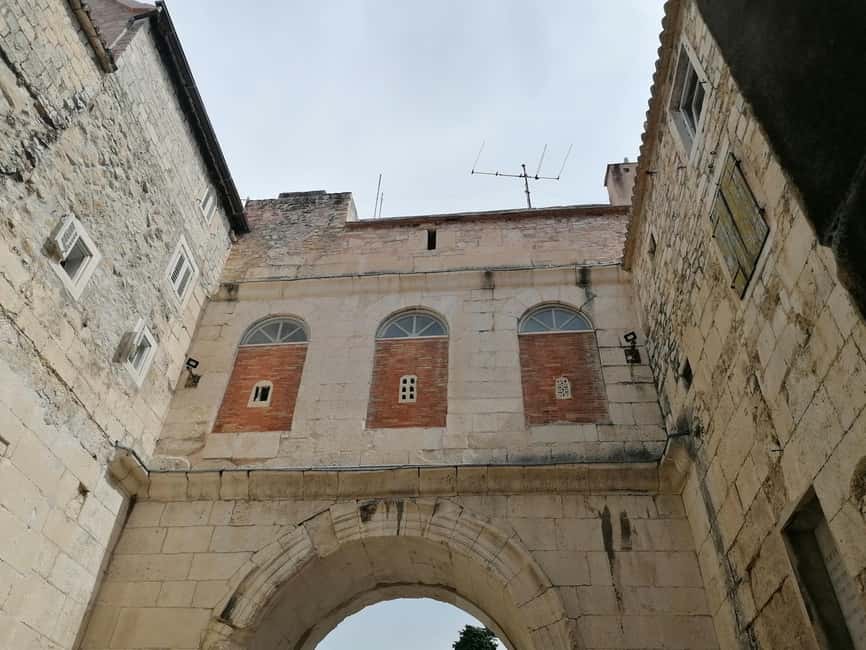
Split can be loud and crowded later in the day, especially around the palace streets and the main waterfront. Starting in the morning changes the whole experience. You get the same major sights, but with more breathing room and a calmer rhythm to your photos and conversations.
This tour is built for that low-stress approach. It’s private, and the timing is intentionally short at just 2 hours, which makes it a smart add-on to a full day in Split. Instead of turning the morning into a sprint, you’ll walk at a human pace while the guide explains what you’re seeing and why it matters.
Another reason I like this format is that Split isn’t only about buildings. It’s about how people live around them. The route includes moments that help you feel the city’s daily pulse—especially once you reach the market area and the promenade.
You can also read our reviews of more walking tours in Split
Meeting the city at the Model of the historical core
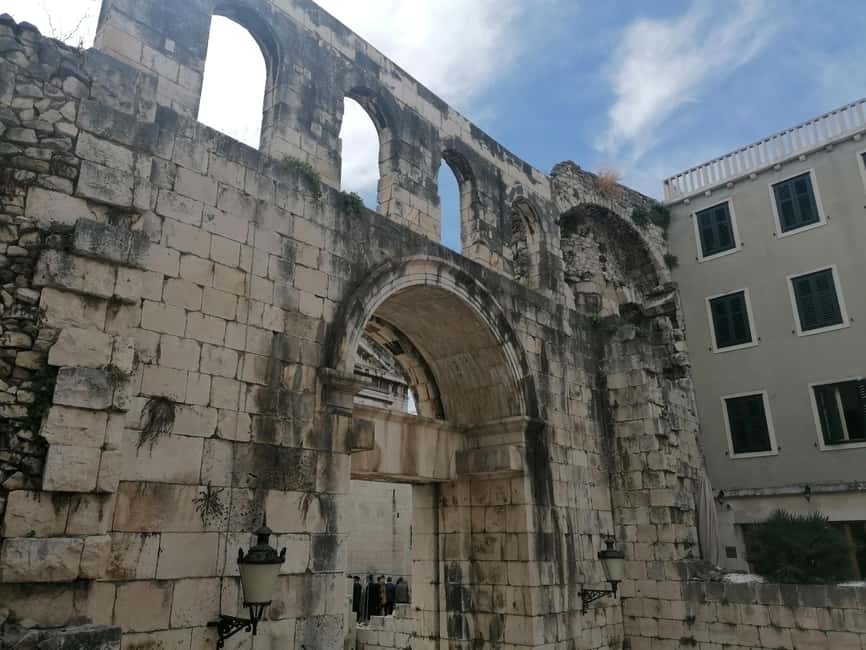
You start at the Model of the historical core of the city of Split. It sounds small, but it’s a great trick for first-time visitors. You get a quick mental map before you step into the maze of old streets. That means your walking feels less like wandering and more like following a story.
From the start, the tour sets expectations: you’ll be looking at the palace complex and the city around it, with stops that mix sightseeing and short photo breaks. You’ll also hear how Split connects older Roman-era structures to the way people move and shop today.
If you like tours that help you orient fast, this opener does the job. You’ll spend less time squinting at street signs and more time noticing details like entrances, hidden passages, and the way the palace shapes the rest of town.
Diocletian’s Palace streets and the thrill of the 4th-century scale

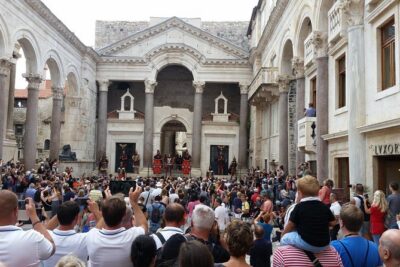
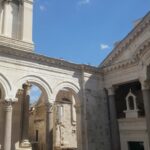
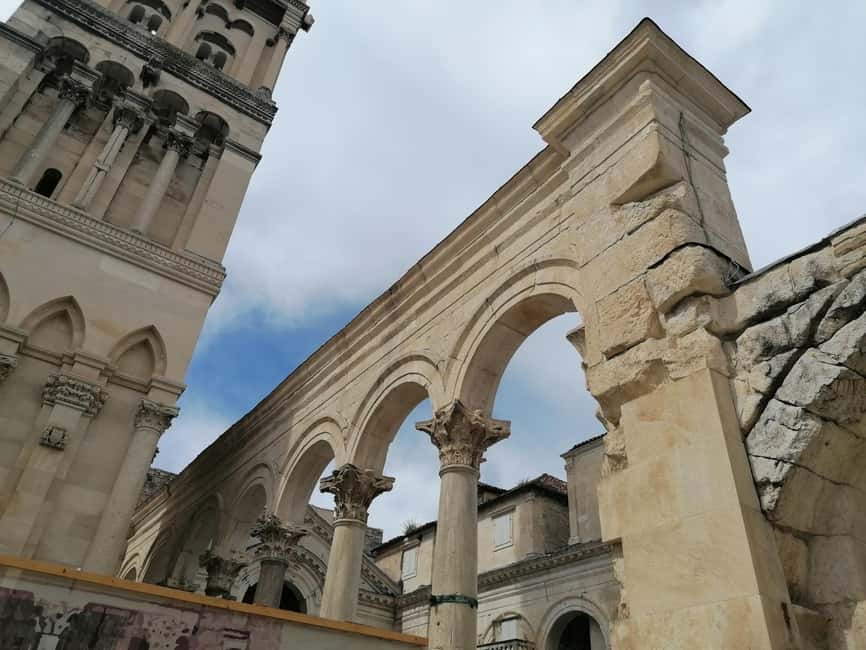
The main star of the walk is Diocletian’s Palace, a huge complex built for Emperor Diocletian at the turn of the fourth century. You’ll get a photo stop and guided sightseeing right in the palace area, and that’s exactly where your understanding starts clicking.
What makes this stop powerful is that the palace isn’t a museum you pass by. It’s part of the living city. Even in a short tour, you can feel how the ancient plan still guides today’s streets and movement.
The guide’s job here is crucial. Without explanation, you mostly see walls and arches. With explanation, you start seeing structure and intention. You’ll learn how the palace is layered—on top, there are the streets and passageways, and underneath, there are quieter spaces that add another dimension to the same building.
Guided cellars: seeing Split from underneath

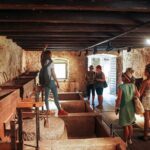
Next comes the Diocletian’s Cellars, where you get a guided look during a short stop (about 10 minutes). This is one of the best “value per minute” moments on the walk.
Cellars change how you experience a place. Instead of thinking about what the palace looks like, you start thinking about how it worked and what was hidden from street level. That makes the rest of the route land better, because you’re no longer just observing the old town—you’re understanding its layers.
A good tour guide turns time in a cellar into context, not just standing around underground. Here, you should expect the kind of explanation that connects the cellars to what you saw above, so the story doesn’t feel chopped up.
Cathedral of Saint Domnius (Sveti Duje): a mausoleum turned landmark
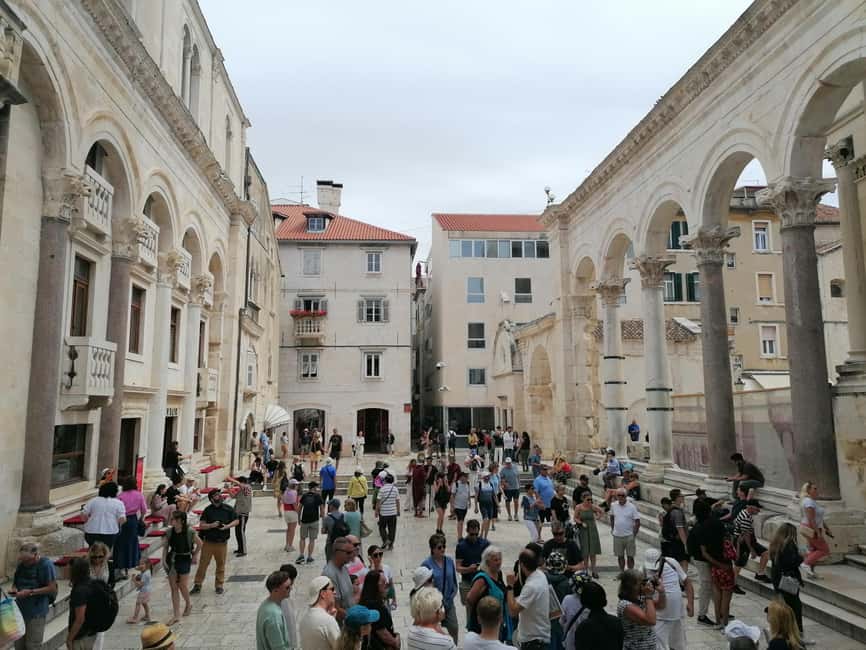
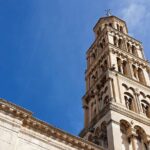
Then you move to the Cathedral of Saint Domnius (Sveti Duje). The standout detail in the tour description is that it was originally the mausoleum of Emperor Diocletian. That alone gives you a clear lens for what you’re looking at.
During your guided sightseeing stop (around 10 minutes), the key is to listen for how the guide frames the site: not as a random church stop, but as a shift in meaning over time. You’re watching a landmark evolve—same bones, different purpose.
If you want your sightseeing to feel meaningful, this is the kind of stop that does it. It’s also a great contrast point after the palace focus, because you’re shifting from palace structures and substructures to a site that became central to religious and civic life.
You can also read our reviews of more private tours in Split




Peristil, Golden Gate, and the pleasure of short photo stops

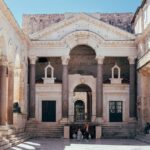
After the big monuments, the tour keeps momentum with stops designed for viewing and photos. You’ll spend time at Peristil (about 15 minutes) and then enjoy a Golden Gate, Split photo stop (around 15 minutes).
Peristil works well in a walking tour because it gives your eyes a wider moment. After moving through narrower spaces, these slightly more open viewpoints let you reset your sense of scale.
Golden Gate is all about that quick, satisfying payoff. Even if you only have a few minutes, a good photo stop is worth it here because the gate connects the palace world to the city’s wider movement. You’ll likely find it easier to connect what you’re seeing to the stories you heard earlier.
A secret 20-minute stop that breaks the routine
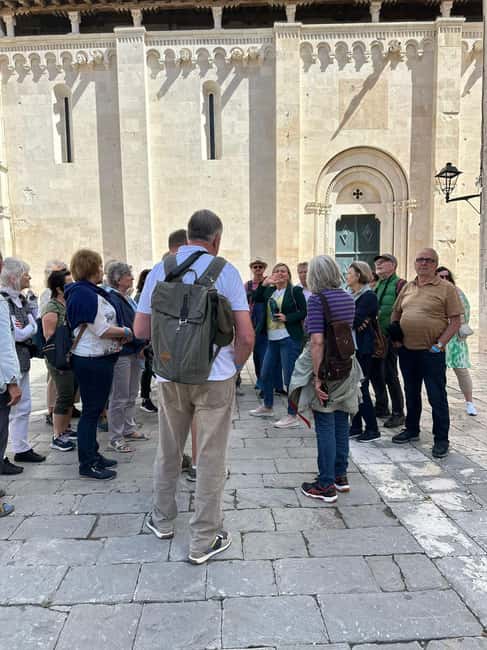
One of the smartest design choices is the 20-minute secret stop. It’s not labeled like a famous monument, which means it can work like a breather from the headline sights while still adding something important: a calmer corner, an unexpected angle, or a story that doesn’t fit neatly into the big-name list.
In practice, secret stops are often where the guide shows their real value. They can explain a small detail you’d miss alone—like how a street section relates to the palace structure or how the city’s layout still affects daily movement.
If you like tours that feel human and not just like a checklist, pay attention during this section. This is where the pace is more flexible, and where your guide can tailor the explanation to what you’ve been noticing.
People’s Square shopping time and a real local market: Pazar
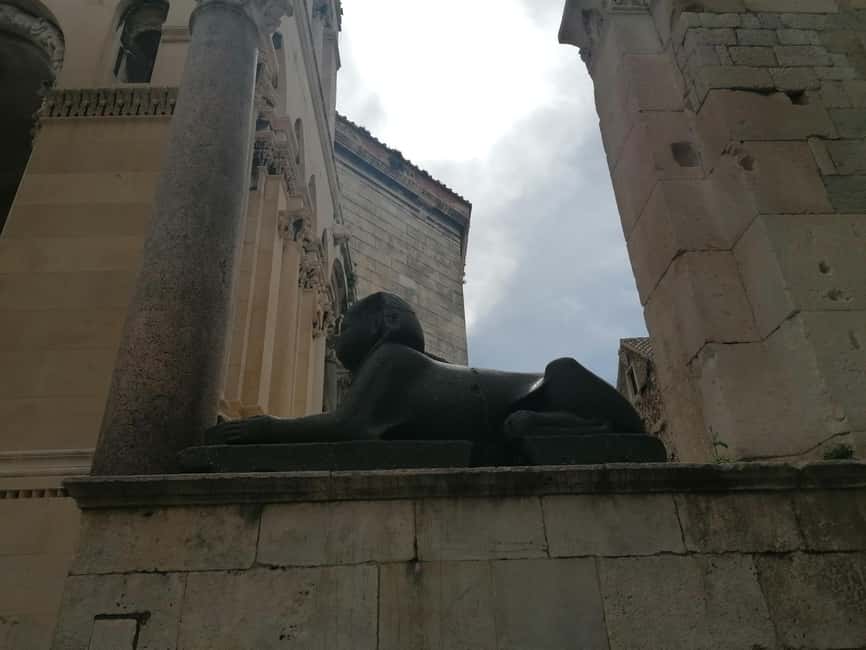
Then you reach People’s Square, which includes both sightseeing and shopping time (about 15 minutes). This is where the tour shifts from architecture to everyday life.
The big local highlight here is the Split Green Market (Pazar)—the place where locals buy and sell products native to Dalmatian soil. That’s the value: you’re not only seeing Split’s old stones, you’re also seeing what today looks like.
A market stop is also a smart way to understand regional identity. Even in a short window, you’ll learn what makes Dalmatian products different and why this market matters to locals. You don’t need to make big purchases to get the experience. The point is to look, ask questions, and notice what’s being sold and how people move around the stalls.
If you’re building your first-day “where do I eat and what do I try” list, this part helps you make better choices later.
Riva promenade: that slow walk feeling and the city breathing
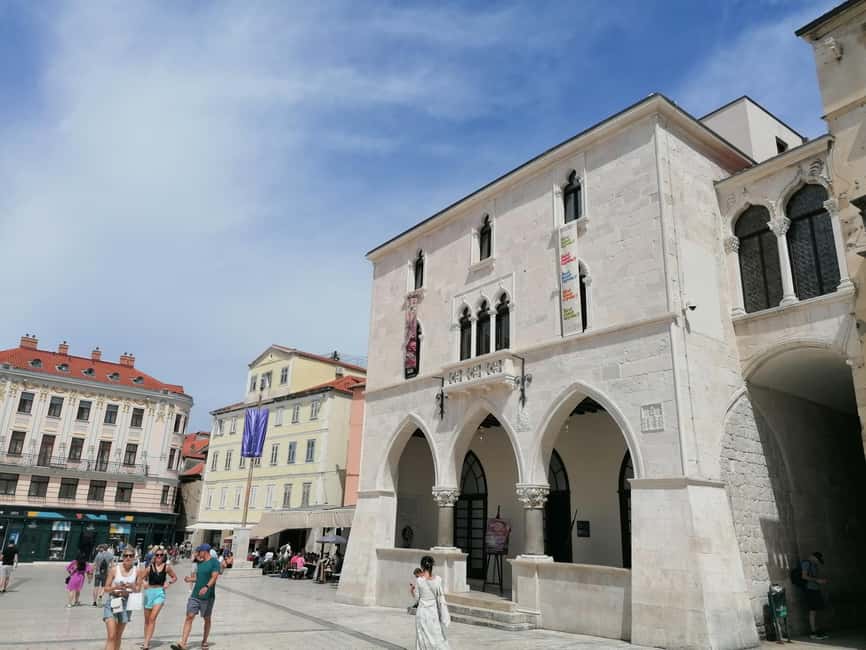
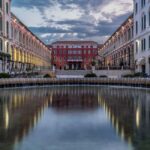
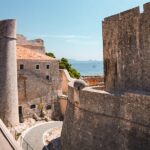
The final stretch brings you to Riva, Split, with a photo stop (about 10 minutes). The Riva promenade is exactly the kind of place that helps you feel how the city breathes.
Up to this point, you’ve been focused on monumental architecture and specific sites. On the promenade, you shift into a more relaxed mode. You’re likely to notice the contrast: centuries-old structures shaping the city, and modern daily life happening right beside them.
This is also a great place to use what you’ve learned. You’ll look back toward the older parts of town and have a better sense of what’s around you. When you finish the walk with a waterfront view, you end on something easy to remember.
Maketa grada Splita break time and turning sight into understanding
Before the tour ends, you get a break time (about 10 minutes) at Maketa grada Splita. This is another smart stop, because it reinforces what you’ve been seeing.
A model or miniature reference point helps you lock in the route. It’s the kind of “quick reset” that improves how you navigate afterward, especially if you plan to continue exploring on your own.
Even if you just use it as a short rest spot, it’s practical. Two hours is long enough to learn a lot, but short enough that you’ll still be fresh to keep walking afterward.
Price and value: what $129 per group really means
The price is $129 per group (up to 10 people) for a 2-hour private tour with a licensed guide. On the surface, that sounds like a flat rate. In reality, the value depends on your group size.
- If you’re traveling as a couple, you’ll pay more per person than a family with several people.
- If you have a group approaching the limit of 10, the cost per person becomes much easier to swallow, and you get a private guide without paying private-guide prices that always feel out of reach.
The tour also packs in multiple major stops tied to a single theme: Split’s ancient core, the palace world, and the modern city life that sits on top of it. You’re not just getting a walk—you’re getting guided context at every key point, including the cellars and the market.
To me, this is the right use of money in Split. You’re paying for interpretation and timing, so you can spend your own time later exploring more freely.
Who this tour suits best (and who might want something else)
This is a great fit if you want history without chaos. The morning timing and private format are ideal for couples, small families, and friends who want to see the essentials without feeling like they’re herding through crowds.
It’s also a good choice if you enjoy practical guidance. The tour touches on culture and history, and it includes discussion of dining out, nightlife, and additional activities in the local and wider area. That’s useful because it helps you plan the rest of your day based on how you like to travel.
One reason it may not be perfect is that it’s built around set sightseeing segments (palace, cathedral, squares, promenade). If you prefer long free time in one place—like lingering in a museum or taking extra time for photos—this 2-hour format might feel a bit structured.
Should you book this Split private morning walking tour?
If you’re aiming for a calm start, strong guidance, and a mix of monuments plus local market life, I’d book it. The combination of Diocletian’s Palace, cellars, the Cathedral of Saint Domnius, and a stop at Pazar gives you a rounded first look at Split in a short time.
Choose it especially if you like the idea of a guide who keeps the story moving and personalizes the pace. One thing you’ll want to do ahead of time: wear comfortable shoes, bring water, and be ready for a walk through the historic center where small streets add real charm.
If your goal is to understand Split quickly and then spend the afternoon exploring on your own, this tour is a smart foundation.
FAQ
What’s the duration of the Split private morning walking tour?
The tour lasts 2 hours.
Where does the tour start?
It starts at the Model of the historical core of the city of Split.
Is this a private group tour?
Yes, it’s a private group. The price is listed per group up to 10 people.
What languages will the live guide speak?
The live tour guide speaks German and English.
What sights are included in the tour?
You’ll see major highlights including Diocletian’s Palace, Diocletian’s Cellars, the Cathedral of Saint Domnius (Sveti Duje), Peristil, Golden Gate, People’s Square, the Riva promenade, plus time at Maketa grada Splita.
Is the Pazar (Green Market) stop part of the experience?
Yes. The tour includes a visit to the Split Green Market (Pazar) where locals buy and sell products native to Dalmatian soil.
What should I bring?
Bring water.
What’s the cancellation policy?
There is free cancellation up to 24 hours in advance for a full refund.
Is there a way to keep my travel plans flexible when booking?
Yes. The option reserve now & pay later is available, meaning you can book your spot and pay nothing today.