REVIEW · SPLIT
Split: Private Roman History & Market Tour
Book on GetYourGuide →Operated by Intrepid Urban Adventures - Europe · Bookable on GetYourGuide
Roman streets can feel like a live museum. This private Split tour threads Roman power, everyday local food, and stories you can still picture on the stones of Diocletian’s Palace.
I especially love the way the tour mixes market time with palace time. The Green Market stop isn’t just a quick look—it’s built around tastings (think seasonal fruit, vegetables, olive oil, rakija, cheese, and dry figs), plus practical guidance on how locals shop and eat.
One thing to plan around: the ticket you pay covers major palace areas, but it does not include extra entrance fees for places like the cathedral/mausoleum area, the underground, bell tower, museums, or the Temple of Jupiter.
In This Review
- Key takeaways for your Split day
- A Roman Palace Still in Use: What Makes Split’s Old Town Special
- Meeting at the Riva and Setting Your Pace for a 2-Hour Private Tour
- Green Market Tastings: Why Food Opens Doors in Dalmatia
- Inside Diocletian’s Palace: Golden Gates, Peristil, and Wall Secrets
- Rituals, Gregory of Nin, and Hajduk: Stories You’ll Hear Between Stones
- Gregory of Nin: the golden toe wish
- Hajduk: why the name appears everywhere
- Finishing on the Riva Promenade: From Palace Calm to Dalmatian Evening Plans
- Price and What You Actually Get for $280
- What’s Included, What Isn’t, and How to Avoid Sticker Shock
- Practical Tips Before You Go (Simple and Useful)
- Carbon-Neutral and Locals-First: The Values Side Without the Lecture
- Should You Book This Split Private Roman History & Market Tour?
- FAQ
- How long is the Split private Roman history and market tour?
- Is this tour private or shared?
- What does the tour include at the Green Market?
- What parts of Diocletian’s Palace are included?
- Are entrance fees for the cathedral, underground, bell tower, museums, or the Temple of Jupiter included?
- Where do we meet?
- Is the tour carbon neutral?
- Is it suitable for children?
- Is free cancellation available?
Key takeaways for your Split day
- Private access inside Diocletian’s Palace including areas beyond the main public flow
- Green Market tastings that connect Roman Split to modern Dalmatian food habits
- Golden toe wishes and local legends tied to Gregory of Nin and the name Hajduk
- Stone-and-story stops in Peristil and at the Golden Gates, not a rushed checklist
- Eco-certified carbon-neutral operation led by local, English-speaking guides
- A satisfying end at the Riva promenade, with pointers for where to eat and relax next
A Roman Palace Still in Use: What Makes Split’s Old Town Special
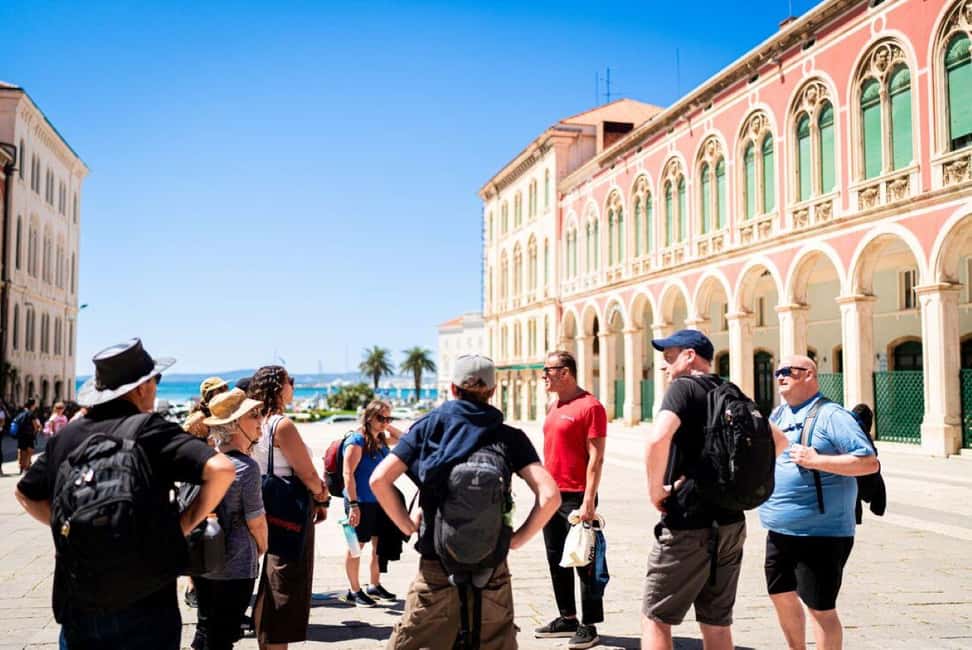
Split is one of those rare places where history isn’t locked behind velvet ropes. The old center sits inside walls built for Roman life, and people still live and work in the same complex. That’s the magic of this tour: you’re not just viewing ruins. You’re walking through a place that evolved for centuries—antique, medieval, and modern—without losing its daily rhythm.
The tour leans into that “still alive” feeling. You start where the city opens up along the Riva promenade, then work your way inward to the palace areas that shaped the town’s layout. You’ll hear how the palace was tied to Emperor Diocletian, and how the local community kept the story going—long after the Romans stopped calling the shots.
You can also read our reviews of more private tours in Split

Meeting at the Riva and Setting Your Pace for a 2-Hour Private Tour
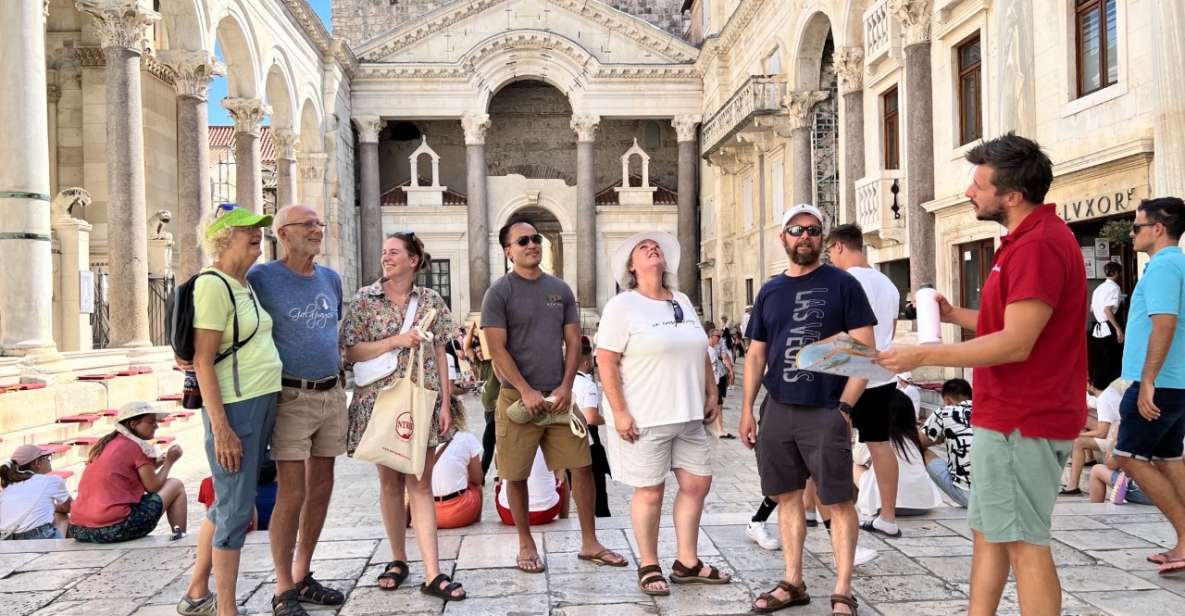
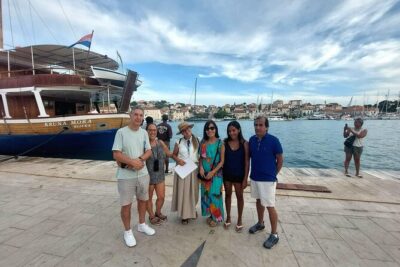
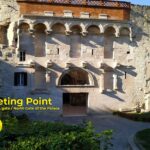
You’ll meet at the beginning of the Riva (promenade), near a mock-up model of the city and an iron map. It’s a convenient starting point because it places you right at the edge of where visitors naturally gather, while your guide pulls you toward the older inner streets fast.
This is a 2-hour private group format. That matters. You don’t lose time negotiating with crowds or guessing what to see next. Your guide can pace the experience around your questions and attention span, especially since the tour is designed as an introduction—Roman palace highlights plus a market taste of everyday Dalmatian life.
Because it’s private, you can also bring a specific kind of curiosity. If you care more about food, you’ll get that focus at the Green Market. If you’re into architecture and how buildings were used, you’ll spend more time inside the palace spaces that the tour includes.
Green Market Tastings: Why Food Opens Doors in Dalmatia
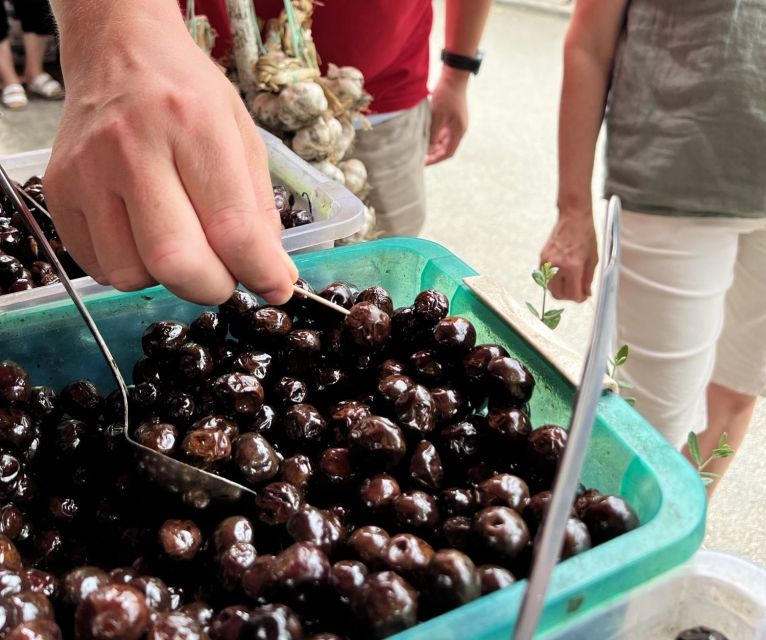
The Green Market stop is one of the best values in this experience because it turns food from souvenir mode into culture mode. Your guide brings you to local vendors and helps you understand how people buy here, not just what you should try for fun.
You can expect tastings such as:
- seasonal fruits and vegetables
- olive oil
- rakija
- cheese
- dry figs
That list might sound simple, but it’s actually a shortcut to understanding the region. Dalmatian eating habits grew in a coastal climate where preserved and portable foods mattered, and local tastes became part of identity. The tour’s tone makes that connection clear: you’re not just sampling. You’re learning why locals link social life to what’s on the table.
There’s also a practical bonus. After tastings, you’ll be better prepared to recognize what’s worth buying on your own later—especially if you plan to snack your way through Split instead of spending the whole day in one restaurant.
And yes, there’s a running theme: the tour explicitly connects affection for Split to food—because that’s how locals often show welcome, and it’s a fast way to bond with the city.
Inside Diocletian’s Palace: Golden Gates, Peristil, and Wall Secrets
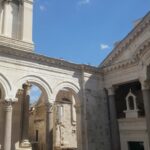
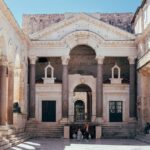
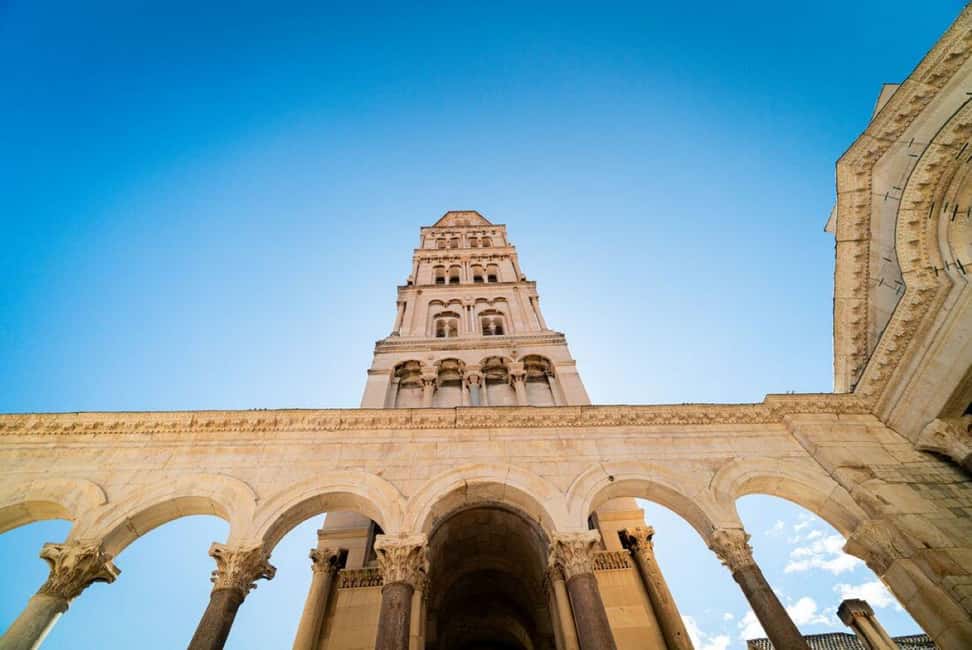
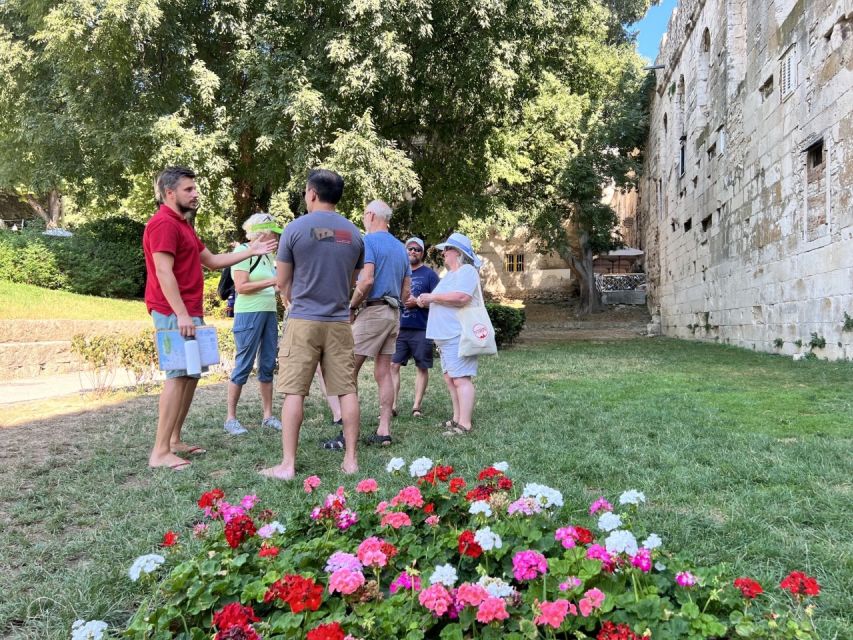
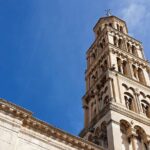
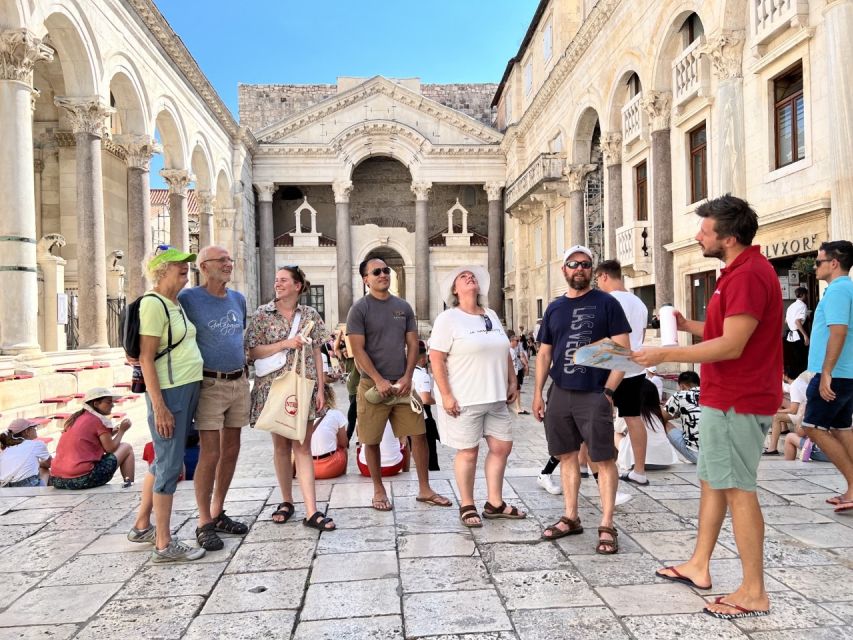
This is the centerpiece: Diocletian’s Palace. Built for Emperor Diocletian, it’s among the best-preserved Roman palace complexes in the world, and in Split it also functions as a living neighborhood. The tour gives you access to the palace in ways that feel more personal than the usual “walk past the highlights and keep moving” approach.
You’ll visit:
- the main square within the palace walls
- a private section of the Diocletian Palace
- the Vestibule
- the Golden Gates
From there, you move into the heart of the city at Peristil, where the space becomes easier to “read.” Roman palace design wasn’t made just for grandeur; it was made for movement, viewing, ceremony, and daily control of a powerful household. A guide’s job here is to translate stone into use. That’s what you’re aiming for.
One of the more memorable parts is the way the tour turns palace details into story. You’ll hear about Diocletian’s habits and preferences—especially the playful way the tour connects the emperor to something as everyday as salad. It sounds almost too casual for imperial power, but that contrast is exactly why it works. The palace stops being remote.
You’ll also hear about the mythical White Stone and how a piece can make you happy. This isn’t presented like a scientific fact; it’s presented like local lore tied to specific corners of the palace world. If you like history with a human layer—people believing things, repeating stories, making wishes—that part will feel fun instead of forced.
Rituals, Gregory of Nin, and Hajduk: Stories You’ll Hear Between Stones
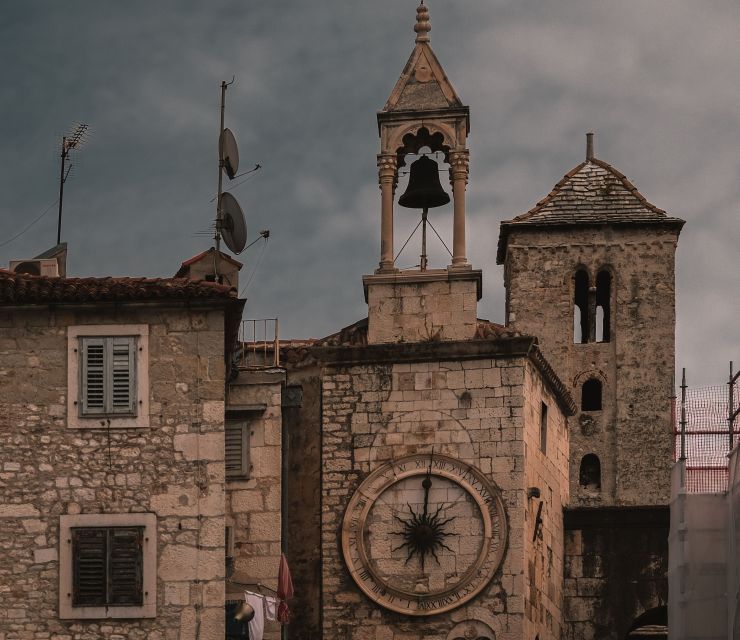
Roman authority is only half the story in Split. The other half is what people respected and repeated over time. This tour includes background on different rituals Dalmatians respect from Iliryan times, which helps explain why certain local traditions feel older than the Roman footprint.
You’ll also get a handful of landmarks tied to local identity and long-running naming patterns.
You can also read our reviews of more historical tours in Split
Gregory of Nin: the golden toe wish
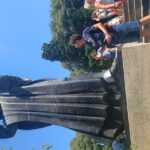
You’ll stop at Gregory of Nin and the famous golden toe, where you can make a wish. It’s one of those moments that’s instantly understandable: you’re not asked to study a plaque. You’re invited to participate. Just remember it’s a tradition, not a guarantee of results. Still, it’s a good way to bring the day’s history down to street level.
Hajduk: why the name appears everywhere
Another stop is about Hajduk Split—its connection to local pride, and why the name shows up across the suburbs and the old town area. Even if you’re not a soccer fan, this part helps you understand that Split’s stories aren’t only about emperors. They’re about community memory.
This is also where a strong guide makes a difference. The names attached to this tour in past departures—like Ted and Ivan—show up with a consistent theme: pacing that doesn’t feel like a lecture and explanations that keep you moving with purpose.
Finishing on the Riva Promenade: From Palace Calm to Dalmatian Evening Plans
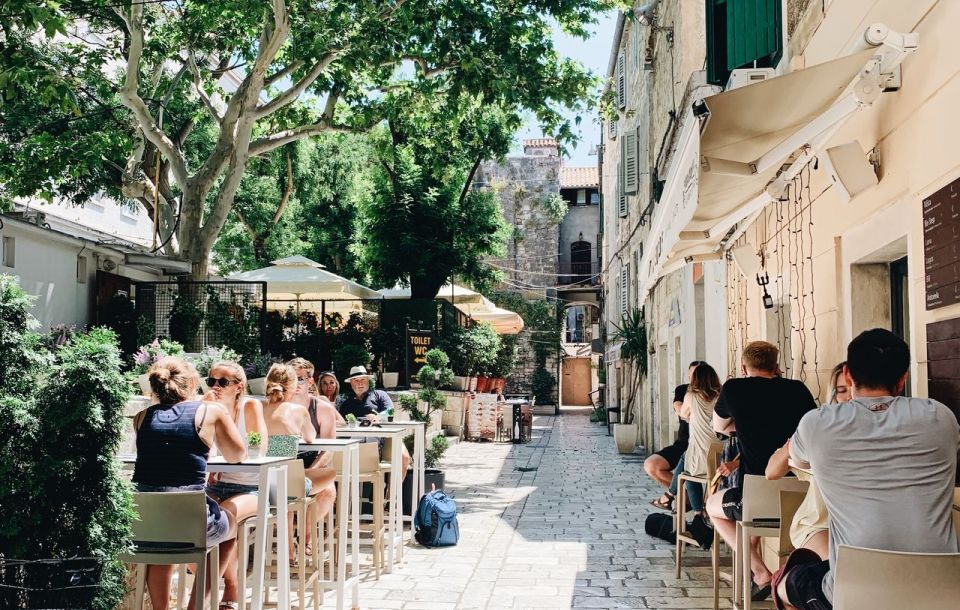
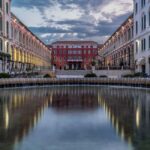
After the palace sections and the Peristil walk, the tour finishes on the Riva promenade. The ending matters because Split’s best moments often happen after your “official” sightseeing time is over. You’re left in a familiar place where you can continue at your own speed.
Your guide will also point you toward:
- favorite coffee shops
- spots for an evening of Dalmatian delicacies and entertainment
That’s not just helpful. It’s smart. Food in Split can be great, but you don’t want to wander in circles looking for what’s actually worth your time. Getting a direction from someone born and raised in Split is one of the clearest advantages of this format.
It also helps you avoid the common trap: spending your whole day doing history stops and leaving dinner decisions to luck. With this tour, dinner feels like an extension of what you just learned.
Price and What You Actually Get for $280
At $280 per person for a 2-hour private tour, you’re paying for a few things at once:
- a local English-speaking guide
- tastings at the Green Market
- access to multiple specific palace areas, including a private section
- a carbon-neutral approach run by an eco-certified operator
If you’re comparing against generic walking tours, the tastings and the included palace areas are the two biggest reasons this can feel like value. Food costs money in Split anyway, and you’ll often pay to enter at least some palace-adjacent sites if you plan to “do it yourself.”
Still, be realistic. Your money buys this particular selection of highlights, not a full museum-and-underground day. Entrance fees for the cathedral/ex-Emperor mausoleum, underground of the palace, bell tower, museums, and the Temple of Jupiter are not included. If you know you want those specific extra stops, budget for them separately.
What’s Included, What Isn’t, and How to Avoid Sticker Shock
Here’s the practical breakdown.
Included:
- local English-speaking guide
- Green Market food stop with tastings (fruits/vegetables, olive oil, rakija, cheese, dry figs)
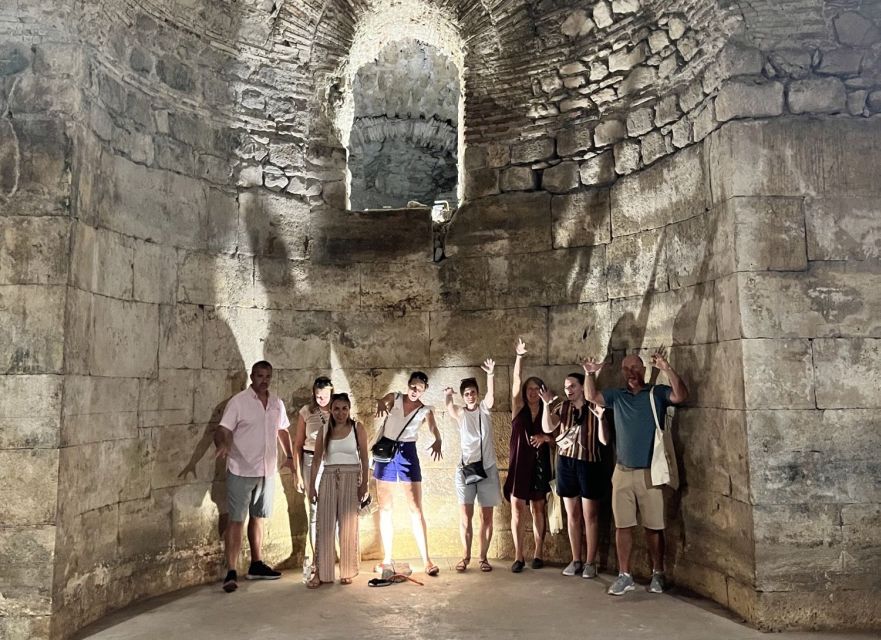
- Diocletian Palace visit covering main square within palace walls, private palace section, Vestibule, and Golden Gates
Not included:
- entrance fees for specific add-on areas (cathedral/ex-Emperor mausoleum, underground, bell tower, museums, Temple of Jupiter)
- additional food and drinks beyond the tastings
So if you come hungry, you’re covered for the tastings. If you want a full meal, you’ll need to plan for that after the tour. That’s not a problem—just don’t expect the market stop to replace dinner.
Practical Tips Before You Go (Simple and Useful)
This is a child-friendly tour, with children under 6 allowed to join for free. If you’re traveling with a young child, it helps to plan so the group pace still works.
Comfort matters for a 2-hour walking experience in older stone streets and palace corridors. Wear shoes you feel good in and bring a light layer if the weather turns breezy.
One more tip: this tour is explicitly about the blend of Roman palace life and modern Split habits. If you want to get the most out of it, go in with one mindset question. For example: How do these spaces shape how people live now? The guide will give you plenty of hooks to follow.
Carbon-Neutral and Locals-First: The Values Side Without the Lecture
The tour is described as carbon neutral and operated and led by a company that’s B Corp certified and committed to using travel as a force for good. That may not sound like a “what do I see?” detail, but it changes how the experience is run and communicated.
You also feel a locals-first approach in the way the tour is structured. The guides are born and raised in Split, and the day is designed to respect residents and history by keeping group size small and moving through the palace as a real neighborhood, not as a theme park.
In plain terms: you get more than facts. You get people explaining how the place works, and that’s usually where the best stories live.
Should You Book This Split Private Roman History & Market Tour?
Book it if:
- you want a tight 2-hour plan that mixes Roman palace sites with Split’s food culture
- you like guided tastings where you learn how locals shop and eat
- you want private access to specific palace areas rather than only walking around the obvious spots
- you care about an eco-certified carbon-neutral approach
Skip or consider something else if:
- you’re chasing only the big-ticket paid sites like the underground, bell tower, museums, or the Temple of Jupiter (those are not included)
- you want a longer, museum-heavy day instead of a compact “walk + taste + story” intro
My take: at $280 per person, you’re paying for focused guidance and included experiences (market tastings + multiple palace areas). If that sounds like your style—food and stories inside Diocletian’s Palace—this is an efficient, genuinely satisfying way to start understanding Split.
FAQ
How long is the Split private Roman history and market tour?
It lasts 2 hours.
Is this tour private or shared?
It’s a private group tour.
What does the tour include at the Green Market?
You’ll have a Green Market food stop with tastings, such as seasonal fruits and vegetables, olive oil, rakija, cheese, and dry figs.
What parts of Diocletian’s Palace are included?
The included palace visit covers the main square within the palace walls, a private section of the palace, the Vestibule, and the Golden Gates.
Are entrance fees for the cathedral, underground, bell tower, museums, or the Temple of Jupiter included?
No. Those entrance fees are not included.
Where do we meet?
Meet at the beginning of the Riva (promenade) near the mock-up model of the city, by the iron map of the city.
Is the tour carbon neutral?
Yes. The tour is described as carbon neutral and operated and led by an eco-certified, B Corp certified company.
Is it suitable for children?
Yes, it’s child-friendly. Children under age 6 are permitted to join free of charge (you should inform the operator if you’re bringing a child under 6).
Is free cancellation available?
Yes. You can cancel up to 24 hours in advance for a full refund.