REVIEW · SPLIT
Split Walking Tour with History Professor
Book on GetYourGuide →Operated by Lanterna · Bookable on GetYourGuide
Split’s past is layered, and you can feel it fast. This Split Walking Tour with History Professor turns Diocletian’s world into a clear route, then pushes beyond the palace to show how the center of Split changed over time. I like that it combines big-name sights like the Cathedral of Saint Domnius with smaller, practical stops that help you understand what you’re actually looking at.
Two things I especially like: the way Mario teaches makes Roman details click (with humor, and enough interaction that you never just sit and listen), and the tour goes farther than people expect. You’ll see the palace core, then walk through medieval and modern Split with Game of Thrones connections, plus local legends and how everyday city life fits into all that.
One consideration: this is a walking tour and it’s not suitable for wheelchair users. Also, admission is excluded for the Cathedral of Saint Domnius and the Temple of Jupiter, so budget a little extra if you want to go inside.
In This Review
- Key highlights you should know
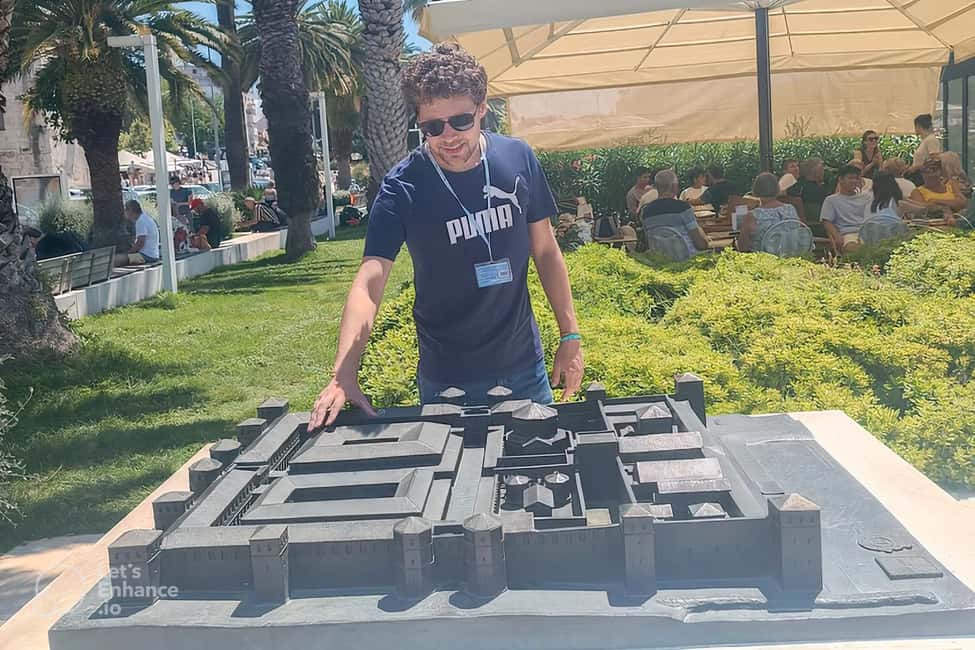
- From Riva Harbor to the Brass Gate: Start With the City Model
- Diocletian’s Palace Substructures: Roman Power Underfoot
- The Peristyle and Vestibul: The Palace’s Social Heart
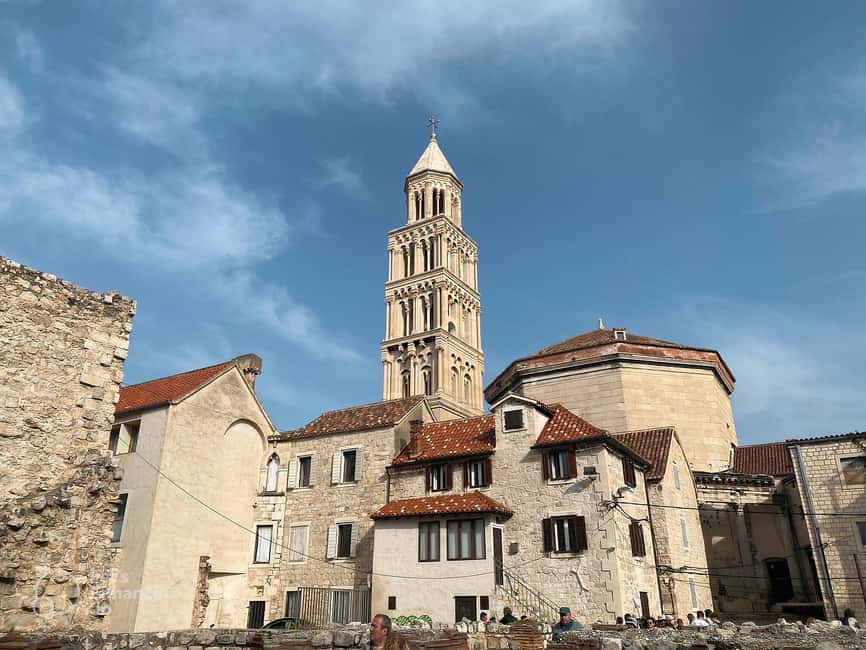
- Cathedral of Saint Domnius and the Temple of Jupiter: When One Place Changes Roles
- Golden Gate to Grgur Ninski: From Palace Exit to City Center
- Prokurative and Fruit’s Square: Legends and Local Life in Modern Split
- Game of Thrones Locations: Seeing the Set and Then Seeing the Story
- Mario’s Professor Style: Interactive, Funny, and Built for Retention
- Price and Value: What $23 Buys You in Split’s Old Core
- Who Should Book This Tour, and Who Might Prefer Something Else
- Should You Book This Split Walking Tour?
- FAQ
- How long is the Split walking tour?
- What is the price per person?
- Where do we meet the guide?
- Is the tour in English?
- Which sights are included on the route?
- Is admission included for the Cathedral of Saint Domnius and the Temple of Jupiter?
- Is the tour suitable for wheelchair users?
- What should I bring?
- Who is this tour appropriate for?
- Can I get a full refund if plans change?
Key highlights you should know
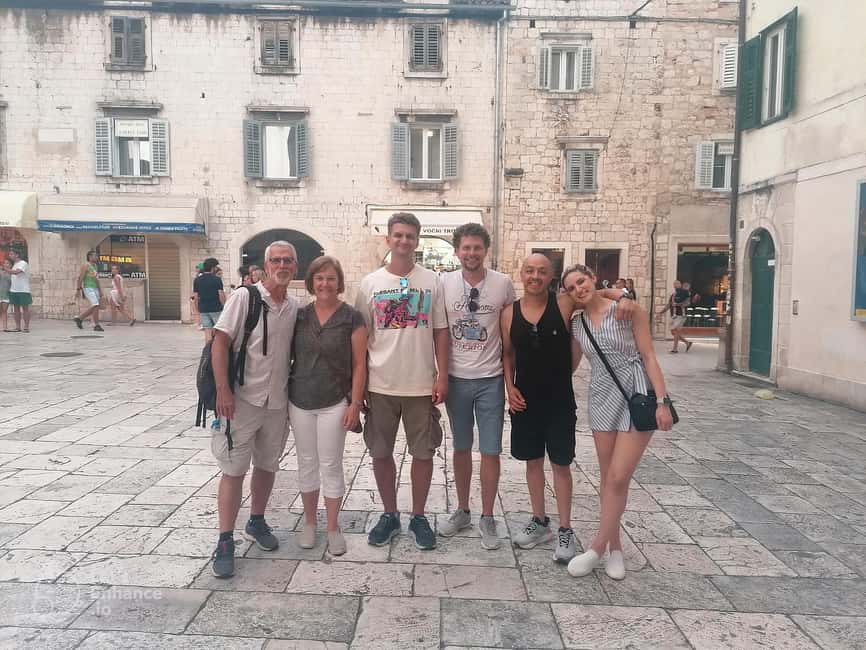
- Small private-group feel with lots of guide attention keeps the pace human and questions welcome
- Diocletian’s Palace in layers: substructures, Peristyle, and Vestibul as one connected story
- Stitching palace to city: Golden Gate, Grgur Ninski, Marmontova Ulica, Prokurative, Fruit’s Square
- Game of Thrones locations explained for real context instead of just filming trivia
- Local life and legends add color to the stones you’re seeing
- About two hours with focused stops that don’t waste time
From Riva Harbor to the Brass Gate: Start With the City Model
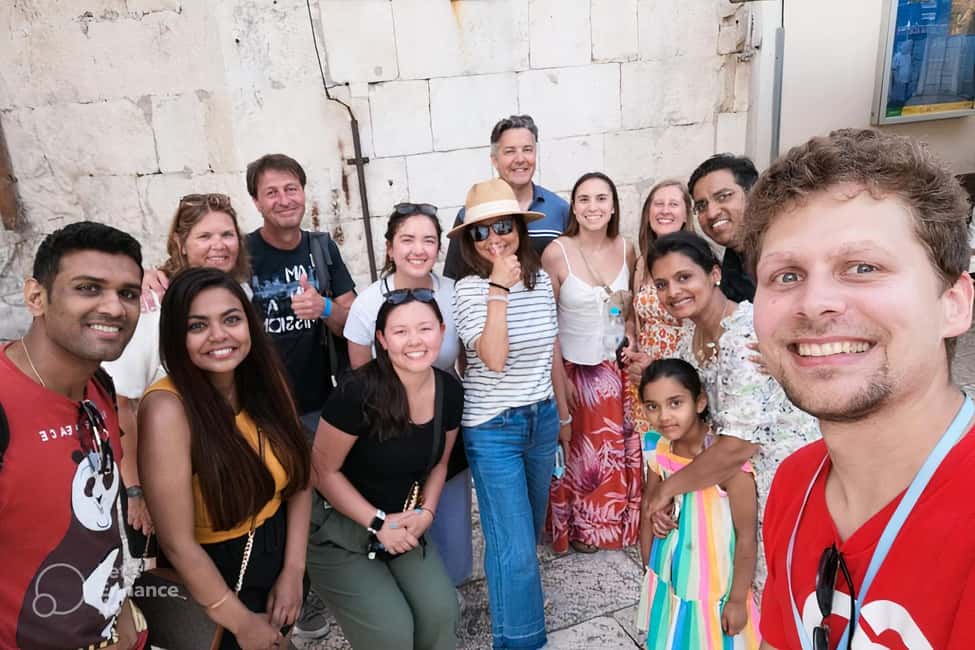
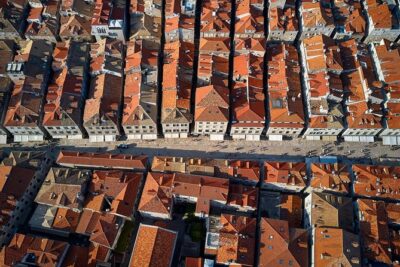
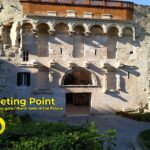
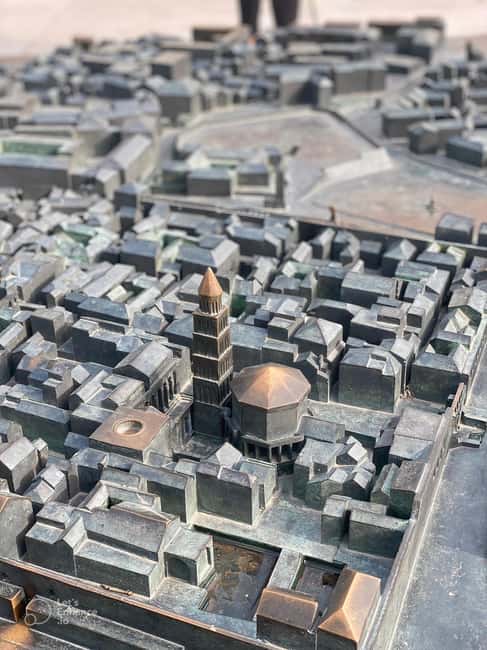
You meet your guide next to the Brass Gate of Diocletian’s Palace, then you begin with a short orientation at a model of the historical core at Riva Harbor. That 10-minute start matters more than it sounds. Split’s old center can look like one long maze of stone, arches, and alleyways—so having the big picture in your head early helps you make sense of the route as it unfolds.
This start is also a good “temperature check” for the day. You’ll be on comfortable walking shoes territory quickly, and your guide will set the tone: this is history, but delivered like a conversation, with humor and prompts for the group. Since the tour is English, you can ask practical questions about what you’re seeing as you go—especially useful when signage and local terms don’t match what you’ve imagined from photos.
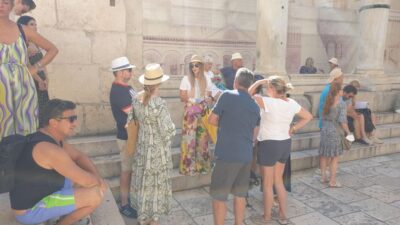
The tour is listed as small private groups, which usually means you’re not stuck listening over a crowd. With a group size kept tight, you can actually hear explanations at each stop and adjust your focus as the route changes from Roman to medieval to more modern city life.
You can also read our reviews of more walking tours in Split


Diocletian’s Palace Substructures: Roman Power Underfoot
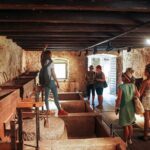
The first major architectural shift happens at the palace complex—starting with the Diocletian Palace Substructures. You’ll spend about 5 minutes here, which is short, but not rushed in a “hit-and-run” way. The substructures are exactly where you get the feeling that this wasn’t built for sightseeing; it was built for control, storage, and stability.
Even if you only know Diocletian from the palace photos, the substructures change your perspective. You start seeing the palace not as a postcard, but as an engineered foundation supporting a whole living system above it. It’s a fast but meaningful stop if your goal is to leave Split understanding the logic behind the architecture.
Practical tip: keep your eyes up and down while you’re here. Roman-era spaces like these reward attention to how levels connect. That makes the next stops—where daily life and later layers take over—make more sense.
The Peristyle and Vestibul: The Palace’s Social Heart
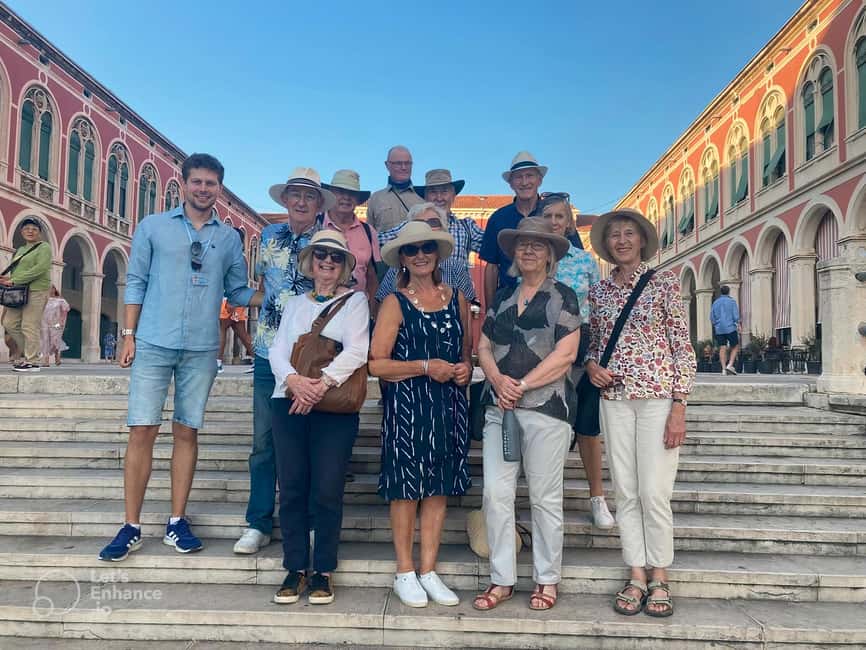
Next comes the Peristyle (about 10 minutes). This is where Diocletian’s palace stops feeling like ruins and starts feeling like a stage. Peristyles are built for movement and gathering, and the explanation you get helps you see why people would come here and why it would matter for life inside the palace walls.
Then you’ll reach the Vestibul for another 10 minutes. These spaces often confuse people on their own because they look like “just more corridors and rooms.” Guided, they become checkpoints in the story. You learn what these zones were for and how the palace’s layout shaped what happened next.
What I like about this section is that you don’t treat Diocletian’s Palace as a single attraction. You treat it like a whole environment with different functions. That’s why the tour feels longer in your memory than the clock suggests.
Drawback to keep in mind: the stops move at a walking-tour pace. If you want to linger for your own photos and full silence, plan extra time on top of the tour.
Cathedral of Saint Domnius and the Temple of Jupiter: When One Place Changes Roles
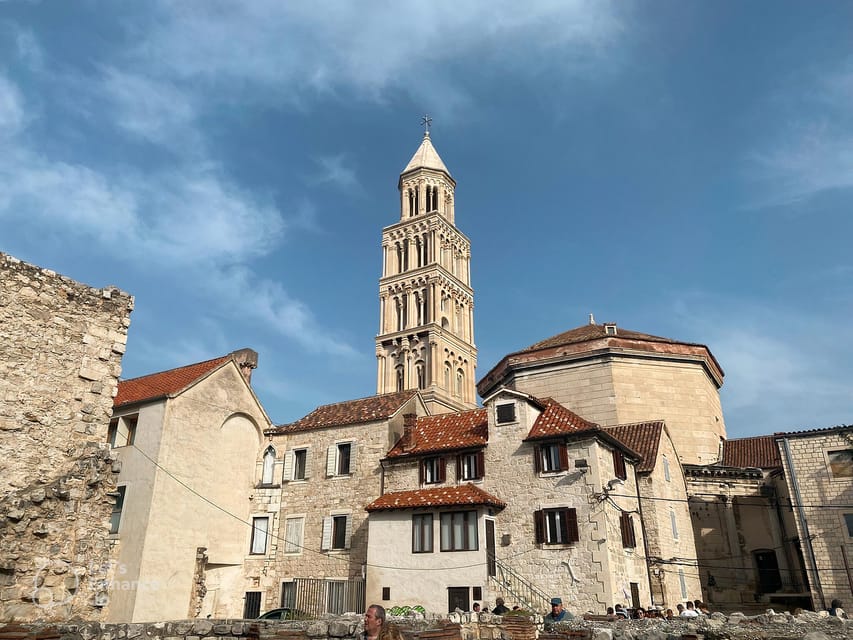
After the palace’s internal world, the tour shifts toward landmarks that reflect later eras—starting with the Cathedral of Saint Domnius. You’ll spend about 20 minutes here, but admission is excluded, so you’ll either view it from the outside during the tour or decide to pay separately if you want interior access.
This stop is valuable because it anchors the story in something you can still experience as a living site. Even when you’re focused on Roman origins, you need a reminder that Split kept using, reshaping, and reinterpreting the same core space. A cathedral in this context doesn’t just add a new era—it signals continuity and change at the same time.
Then you’ll see the Temple of Jupiter for about 10 minutes, and again admission is excluded. Think of this as a “spotlight” moment: it reinforces that the palace world includes religious and ceremonial layers, not only stone power and architecture.
If you’re the type who hates making decisions on the spot, you might want to decide before the tour starts whether you plan to pay for entrances to these two places. The tour gives you the route and the context; you control how deep you go inside.
Golden Gate to Grgur Ninski: From Palace Exit to City Center
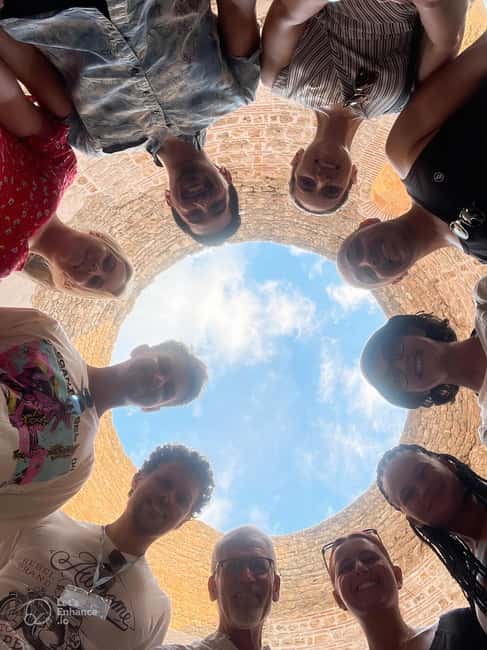
The Golden Gate is another key stop (about 10 minutes). It’s the kind of place that’s easy to walk past if you’re self-guiding, but with a guide you understand why it’s symbolically important. It marks transition—moving from the palace’s protected inner logic to the open city outside.
Then you’ll meet the Grgur Ninski Statue (about 10 minutes). This is a great pause in the route. It breaks the “Roman-only” vibe and gives the tour a human, public landmark moment. It helps you shift your mental frame from palace functions to city identity.
After that, you’ll walk down Marmontova Ulica for about 10 minutes. Street time matters on a history walk. This is where you start to feel Split as a layered city you navigate today, not just a site you look at.
If you’ve been hoping for a tour that covers Venice, Ottomans, and Napoleon-era influence in a real, visible way, this is where it begins to show itself. Your guide connects the political fingerprints to what you see on the street and the way the city core developed.
You can also read our reviews of more historical tours in Split



Prokurative and Fruit’s Square: Legends and Local Life in Modern Split
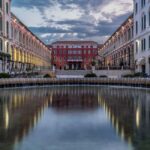
Next is Prokurative (about 10 minutes) and then Fruit’s Square (Trg Brace Radic) for about 15 minutes. Together, these stops are your “present-day Split” checkpoint.
This is where the tour’s promise of local life, legends, and a dash of humor starts to feel balanced. You’re not only collecting facts about rulers and empires; you’re learning how Split’s people lived in the shadow of major architecture and later influences.
Fruit’s Square gives you enough time to pause, look around, and reset your brain before the tour moves on. It’s also one of those places where your guide’s context helps you avoid the common mistake of seeing a square as just a photo stop. You start noticing how public spaces in Split relate to the bigger history you’ve just been taught.
If you’re planning your own schedule after the tour, this ending stretch is useful. You’ll finish with better bearings for where to wander next—especially if your goal is to keep exploring without feeling lost.
Game of Thrones Locations: Seeing the Set and Then Seeing the Story
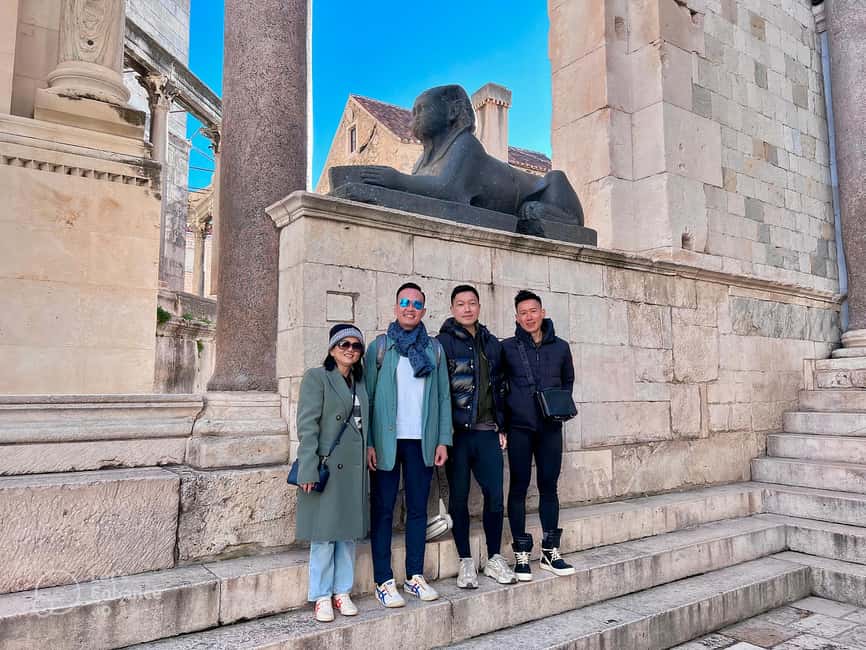
One of the strongest promises is that you’ll pass Game of Thrones locations while also getting the historical context behind them. This can go either way on some tours—either it turns into fan trivia, or it stays shallow. Here, the advantage is that the series connections are used as a handle to grab attention, then the guide brings you back to architecture, eras, and how the city evolved.
So if you’re a fan, you get those familiar visual moments. If you’re not, you still get something useful: a reason to look closely at stone details, street alignments, and the way spaces feel. The series references act like a map of attention, not the main event.
What I like in this approach is how it prevents history from feeling like a list of dates. You’re watching how the setting changes between Roman palace zones, later religious landmark areas, and modern city streets shaped by different empires.
Mario’s Professor Style: Interactive, Funny, and Built for Retention
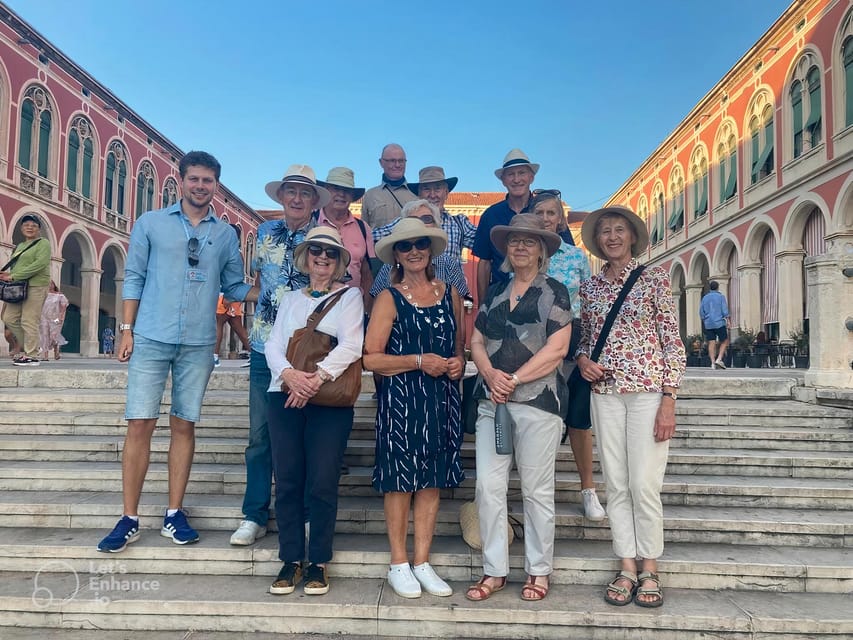
Your guide is Mario, and the teaching style is the heart of why this tour earns top marks. Mario doesn’t just explain; he keeps the group involved—asking and encouraging questions throughout the walk. That interaction turns the history into something you actively process, not something that just rolls past your ears.
He also uses humor. That matters more than most people think. Split can hit you with sensory overload—stone everywhere, bright waterfront light, tourists streaming through the same spaces. When your guide adds laughs and keeps the pace lively, the history feels easier to hold onto.
And Mario’s delivery has a professor feel: method, structure, and confidence in what he’s saying. You’re not left wondering whether the explanation is fluff. Even when the stops are short, the stories connect. The end result is that you leave with a route in your head, not just memories of objects.
Tour length also helps. A 2-hour experience means you get depth without needing half a day to “earn” the information.
Price and Value: What $23 Buys You in Split’s Old Core
At $23 per person for a tour running about two hours (with a pace that supports more time at key stops), the value comes from three places:
First, you’re paying for human interpretation. Diocletian’s Palace is impressive, but it can feel like “more stone” if you don’t know what you’re looking at. Mario turns that stone into a sequence.
Second, you’re getting more than the palace. Many people come to Split thinking their highlight is the palace and maybe a cathedral photo. This tour continues through medieval and modern Split, including landmarks like the Golden Gate, Grgur Ninski, Prokurative, and Fruit’s Square.
Third, the group size keeps attention focused. Small private groups are what let you ask questions and actually hear the explanation at each stop.
The one cost wrinkle is that admission is not included for the Cathedral of Saint Domnius and the Temple of Jupiter. If you plan to go inside both, you should budget extra. If you’re happy learning from the outdoor context during the time on tour, you may not spend much beyond the tour price.
Who Should Book This Tour, and Who Might Prefer Something Else
This walking tour is listed as appropriate for all ages, which fits families and mixed groups. It’s also a good match if you like history that connects the dots between eras instead of isolating each period.
It also works well if you:
- want Roman architecture plus medieval and modern landmarks in one route
- like explanations that are interactive, not lecture-only
- want Game of Thrones locations explained in context
- enjoy local legends and everyday city insights
It’s not suitable for wheelchair users, since the format is built for walking between multiple stops.
And if you have limited patience for lots of moving, you might want to plan a slower follow-up afternoon. The tour gives you a strong start, but it doesn’t pretend to be an all-day marathon.
Should You Book This Split Walking Tour?
If you’re coming to Split and you want your visit to feel organized—Roman palace first, then medieval and modern Split—you should book this. The combination of Mario’s professor-style delivery, humor, and interactive questions makes the history easier to remember. Add the fact that the tour includes major landmarks beyond the palace, plus Game of Thrones location context, and the $23 price starts to feel like a practical deal rather than just another paid walking stop.
Book it if you:
- want a structured route through the historic core
- care about understanding what you’re seeing
- prefer a small-group experience
- are okay paying separately for Cathedral and Temple admission if you want to go inside
Skip it if walking is a problem for you, since it’s not wheelchair friendly. Also, if you only want interior access and long quiet time inside sites, you may need extra self-guided time beyond the tour.
FAQ
How long is the Split walking tour?
It lasts 2 hours, with the route planned through multiple stops across the historic core.
What is the price per person?
The price is $23 per person.
Where do we meet the guide?
The guide waits next to the Brass Gate of Diocletian’s Palace.
Is the tour in English?
Yes, the live tour guide provides the tour in English.
Which sights are included on the route?
The stops include the Diocletian Palace Substructures, the Peristyle, the Vestibul, the Cathedral of Saint Domnius, the Temple of Jupiter, the Golden Gate, the Grgur Ninski Statue, Marmontova Ulica, Prokurative, and Fruit’s Square (Trg Brace Radic), plus a start at the model of the historical core at Riva Harbor.
Is admission included for the Cathedral of Saint Domnius and the Temple of Jupiter?
Admission is excluded for both the Cathedral of Saint Domnius and the Temple of Jupiter.
Is the tour suitable for wheelchair users?
No, it is not suitable for wheelchair users.
What should I bring?
Bring comfortable shoes and comfortable clothes.
Who is this tour appropriate for?
It is appropriate for all ages.
Can I get a full refund if plans change?
Yes. You can cancel up to 24 hours in advance for a full refund.