REVIEW · SPLIT
Walk through 1700 Years of History in Split – Private Tour
Book on Viator →Operated by Katarina Jakšić · Bookable on Viator
Split feels like a time machine. This private walk lays out 1700 years of history in compact, easy-to-follow stops with a local resident. You’ll move on foot, get context fast, and come away seeing the city’s layers instead of just big stone.
What I like most is the way the guide turns Diocletian’s palace into a story you can read as you walk. I also love the quick, real-world flavor stops like Riva Harbor and Marmontova Ulica, where Split’s daily life sits right beside the past.
One possible drawback: because it’s a walking tour that packs several areas into about two hours, you’ll want to wear comfy shoes and be ready for a steady pace.
In This Review
- Key highlights you’ll actually use
- Walking the Roman Roots from Gregory of Nin
- Diocletian’s Palace: the easiest way to read 1700 years
- Riva Harbor: Split’s living room, not just a postcard
- Marmontova Ulica and the fish market energy
- Dragon’s Dungeon: the palace basement that steals the show
- Vivid Square: a 19th-century echo of Venice
- Private guide energy: one-on-one context beats solo wandering
- Who this tour is best for (and who should consider alternatives)
- Price and ticket value in plain terms
- Timing and start times that fit your day
- What to bring (and what to expect on foot)
- A simple way to plan the rest of your Split day
- Should you book this Split history walk?
- FAQ
- How long is the Walk through 1700 Years of History in Split private tour?
- Is this tour private?
- Where does the tour meet?
- What does the tour include for admissions?
- Do I need tickets in advance?
- Are there different start times available?
- Is there a dress or footwear recommendation since it is on foot?
- What is the cancellation policy?
Key highlights you’ll actually use
- Start at Gregory of Nin so the tour begins with a clear orientation to Old Split
- Diocletian’s palace with layers explained so you can tell Roman, later, and local influences apart
- Riva Harbor as a natural break for coffee-and-people-watching energy
- Marmontova Ulica plus fish market views for everyday Split alongside sightseeing
- Dragon’s Dungeon (basement) includes admission for the best-preserved part of the palace
- Vivid Square echoes St. Mark’s in Venice if you like spotting design inspiration across cities
Walking the Roman Roots from Gregory of Nin
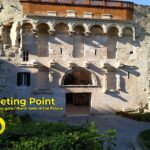
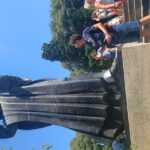
You’ll meet at the Gregory of Nin Statue (Ul. kralja Tomislava 12, 21000 Split). That’s a smart starting point because it puts you right where Old Split begins to feel like one continuous neighborhood, not separate attractions.
From there, the tour keeps things practical. It’s a private format, so you’re not fighting the crowd for the guide’s attention. You also get to set the rhythm a bit better than on big-group tours, which matters if you’re visiting on your own schedule or want slower explanations while you take photos.
The whole point of the walk is simple: Split didn’t get built once. It grew over time, and the buildings you see today are shaped by what came before. Once that idea clicks, the rest of the city makes more sense.
You can also read our reviews of more walking tours in Split


Diocletian’s Palace: the easiest way to read 1700 years

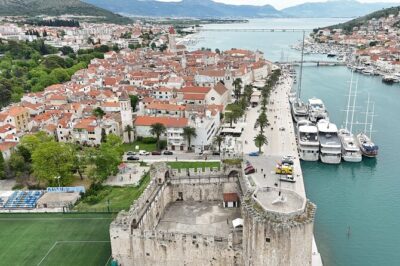
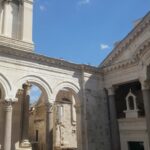
The tour’s main anchor is Palazzo di Diocleziano, Diocletian’s palace complex. This is the big headline you came for, but what makes the visit truly work is how the guide helps you connect the architecture to the story of how Split formed.
You’ll learn that Diocletian built the palace as a retirement home, and that what began as an imperial structure eventually became part of a living city. That shift is the key to seeing why Split feels different from other Roman ruins. The palace isn’t just a museum site. It’s living space, layered with later changes.
Admission at this stop is free, so you can focus on the explanation without worrying about extra cost at every step. You’ll also get help noticing details you might otherwise walk past. Instead of only seeing walls and arches, you start to recognize how different influences show up in what’s been preserved and what has changed.
Riva Harbor: Split’s living room, not just a postcard
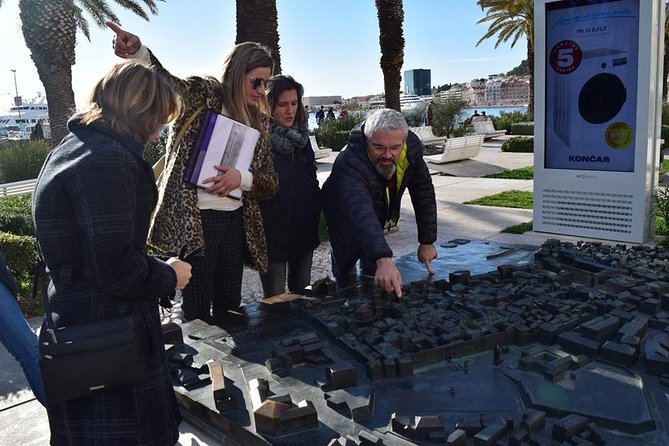
Next comes Riva Harbor, often described as Split’s living room. That phrasing is helpful because it tells you what this place is for: watching the city in motion.
This stop is short—about 15 minutes—but it’s timed well. After you’ve been concentrating on palace history, the harbor gives you a quick reset. It’s a natural place to grab coffee and people-watch, and it’s also an easy way to orient yourself geographically. You get a feel for where the waterfront energy sits, then you move back inland toward the older lanes.
Even if you’re not ordering anything, Riva helps you understand Split as a real day-to-day place, not a set of isolated sights.
Marmontova Ulica and the fish market energy
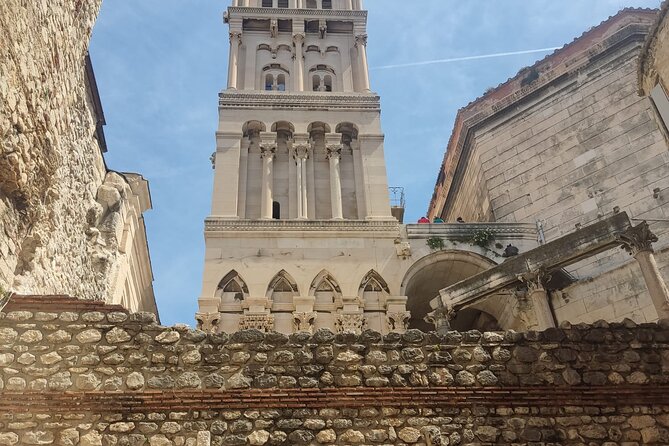
Then you head to Marmontova Ulica, Split’s shopping street named after Napoleon’s general August Marmont. The fun here is that it’s not staged for tourists. It’s a working street, and that makes it more useful than a viewpoint-only stop.
The tour connects the shopping area with the famous fish market vibe—fresh fish, fast-moving sellers, and that everyday bustle that’s hard to recreate if you only wander alone. Even if you don’t shop, you’ll get a feel for local rhythm and what kinds of food culture are literally on the sidewalk.
This is also one of the best spots for quick photos. The street has variety—faces, storefronts, and movement—so it breaks the monotony of only looking at stone.
Dragon’s Dungeon: the palace basement that steals the show
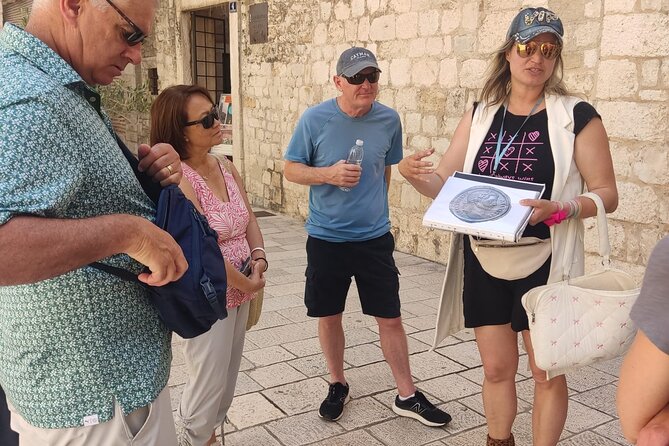
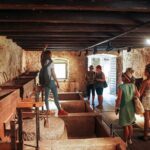
The highlight many people remember most is the basement visit in Diocletian’s palace—often called Dragon’s Dungeon because it’s a best-preserved section and a dramatic slice of the complex.
This stop runs about 30 minutes and includes the admission ticket. That’s a meaningful detail for value: you’re not paying extra at the door during your walk because the tour handles this part. It also suggests the dungeon is the moment where the tour wants you to slow down and pay attention.
Basements can be hard to appreciate without context. The guide’s job here is to help you understand why this space matters—how it fits into the palace layout and what you’re seeing that survived in a way the above-ground structures might not.
If you only do the palace courtyard and streets, you miss a piece of the palace’s character. This basement stop gives you that missing perspective.
You can also read our reviews of more private tours in Split






Vivid Square: a 19th-century echo of Venice

You’ll also see Vivid Square, known for its 19th-century design made after St. Marcus’ Square in Venice. It’s the kind of detail that’s easy to overlook if you’re just scanning for Roman things.
The value of stopping here is that it expands the idea of what “history in Split” means. It’s not only the far-away Roman past. It’s also how Split later absorbed influences from elsewhere in Europe and translated them into local public space.
This is a good final type of stop because it ties together the theme of layers. By the time you reach a square with a Venice reference, you understand the city is constantly remixing its own identity.
Private guide energy: one-on-one context beats solo wandering

Split is popular. That’s great for atmosphere, but it can be annoying for learning. A private tour fixes that.
With a one-group setup, the guide can react to what you notice. You get answers that match your pace, not just a script meant for a busload of people. One of the most praised parts of this tour is exactly that: the chance to talk one on one and control how fast you move through the streets.
It also helps for learning in a practical way. Instead of memorizing names, you learn how to look. You leave knowing what to pay attention to on your own the rest of the day.
Who this tour is best for (and who should consider alternatives)
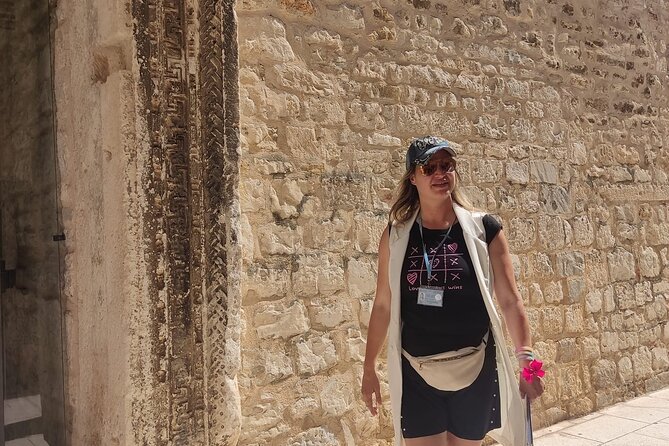
This works well if you’re:
- On a first visit to Split and want a clean introduction without getting lost
- Someone who likes explanation with real street-level context (harbor, shopping lanes, markets)
- Traveling with a smaller group and want your own guide time
- Watching your schedule and want a 2-hour plan that covers the biggest historical anchors
If you’re traveling ultra-slow, you might prefer more time in fewer places. The tour is designed to be efficient, so you won’t get hours inside every corner of the palace. But you will get enough structure to return later and explore with better eyes.
Price and ticket value in plain terms
At $66.01 per person for about two hours, this is priced like a private city experience. The value angle is that much of what you visit is free to enter, and the one ticketed moment—the basement area—includes admission.
Here’s the practical breakdown based on what you’ll do:
- Palazzo di Diocleziano top-level parts: admission free
- Riva Harbor: admission free
- Marmontova Ulica: admission free
- Dragon’s Dungeon / basement: ticket included
So you’re not paying for entry at every stop. You’re paying for the guide time and for making the most of the palace where a little interpretation can turn a confusing space into something memorable.
Also, you get a mobile ticket, which is convenient if you’re organizing your day on your phone.
Timing and start times that fit your day
The tour offers many convenient start times, which matters in Split because sightseeing plans often depend on cruise schedules, meal timing, and how quickly you want to be back in a café.
Because it ends back at the meeting point, you don’t need to plan a complicated route back to your base. It’s a tidy loop for a first day.
And since it’s booked ahead often—on average 23 days in advance—it’s smart to lock in a time that matches your pace. If you wait too long, you can lose the best choices.
What to bring (and what to expect on foot)
Since the tour is built around walking, come prepared for city streets and historic uneven areas. I strongly suggest:
- Comfy shoes with good grip
- A water plan (especially if you’re doing this midday)
- A phone camera, because the guide points out details you’ll want to remember
- Any personal needs for a more flexible pace, since it’s private and you can slow down
The tour is designed for most travelers to participate, and service animals are allowed. It’s also near public transportation, so you can connect easily if you’re coming from elsewhere in town.
A simple way to plan the rest of your Split day
After this tour, you’ll be able to roam the palace area without feeling like you’re just passing through. If you like to keep momentum, plan a follow-up like:
- Wandering the Old Split streets with your new mental map
- Spending extra time at the waterfront for atmosphere
- Returning to the market-street area later if you want snacks or browsing
Because the tour gives you context, you’ll naturally start noticing architecture and street details that used to look like background.
Should you book this Split history walk?
Book it if you want an efficient first look at Split that actually teaches you how to see the city. The private format is a big plus, and the combination of Diocletian’s palace (including the basement) plus everyday stops like Riva Harbor and Marmontova Ulica makes the tour feel balanced instead of purely academic.
Skip or consider another option if you’re the type who wants longer time in one place. This is a 2-hour overview, not a multi-hour deep excavation. But for most visitors, it’s a strong starting point that improves the rest of your day.
If you can only do one guided history experience in Split, this is the kind that helps you understand what you’ll be looking at all week.
FAQ
How long is the Walk through 1700 Years of History in Split private tour?
It lasts about 2 hours.
Is this tour private?
Yes. It’s a private tour/activity, so only your group participates.
Where does the tour meet?
The meeting point is the Gregory of Nin Statue, Ul. kralja Tomislava 12, 21000, Split, Croatia.
What does the tour include for admissions?
Some stops list admission ticket free, and the basement stop (Dragon’s Dungeon) includes an admission ticket included.
Do I need tickets in advance?
You receive a mobile ticket.
Are there different start times available?
Yes. You can choose from many convenient start times.
Is there a dress or footwear recommendation since it is on foot?
The experience is designed for exploring on foot, so plan for walking on city streets and comfortable shoes.
What is the cancellation policy?
You can cancel for a full refund up to 24 hours in advance. If you cancel within 24 hours of the start time, the amount paid is not refunded.