REVIEW · SPLIT
Coffee, storytelling & walk – The best private tour of Split
Book on Viator →Operated by Walking tours with The Storyteller Croatia · Bookable on Viator
Coffee and legends in Split, on foot. This private tour is built around slow time: a waterfront start, quick palace stops, and a storytelling rhythm that makes the city feel personal fast, led by local guide Mirjana. You’ll connect UNESCO-listed Diocletian’s Palace with everyday life today, not just point-and-stare sightseeing.
What I like most is the order of it all. You get a proper coffee moment early, then you move through Diocletian’s Palace substructures and key palace spaces with clear context—plus you finish with a coffee and culture lesson at the Brass Gate. The second big win is Mirjana’s style: friendly, funny, and grounded in real Split habits, including little touches like dark chocolate and her habit of taking great photos for you.
One thing to consider: this is a walking tour, and it depends on good weather, so plan for some time on your feet and bring comfortable shoes.
In This Review
- Key highlights worth planning around
- Coffee, storytelling, and a walk that makes Split click
- Starting at St. Francis and the Riva Harbor stroll
- Diocletian’s Palace substructures: the emperor side, not the postcard side
- The Vestibulum: how emperor stories connect to modern Split
- Brass Gate and specialty coffee: food, wine, and rakija culture
- Golden Gate and Pjaca: finishing the palace circuit with a view of everyday life
- The ending: wishes at Grgur Ninski near the Golden Gate
- Price and value: what you’re paying for at $115.99
- Who this private coffee-and-stories tour fits best
- If you book, do this to get more from it
- Should you book this private Split tour?
- FAQ
- How long is the private tour?
- What’s included in the tour price?
- Is it a private tour?
- Where does the tour start and end?
- Are there entrance tickets for the palace stops?
- What happens if the weather is bad?
- Is the tour suitable for most travelers?
Key highlights worth planning around
- Coffee as the pace-setter: you start with coffee culture and end with a specialty cup tied to local customs
- UNESCO Diocletian’s Palace stops: substructures, Vestibulum, and the Golden Gate as the main palace entrance
- Riva Harbor orientation: a relaxed waterfront start point that helps you read the city
- Split today vs. emperor then: the Vestibulum visit links imperial stories to modern life
- Food, wine, and rakija production stories: shared at the Brass Gate stop
- A fun ending ritual: the tour finishes near the Grgur Ninski statue, where you’ll learn about a wish tradition
Coffee, storytelling, and a walk that makes Split click
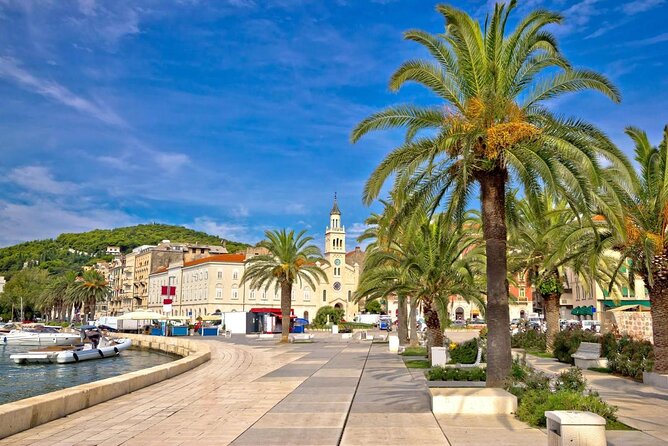
Split can feel like two cities at once: the fast-moving cruise-and-cameras strip around the water, and the quieter maze of stone lanes where locals live their day. This tour pays attention to both. It starts at Church and Convent of St. Francis and moves you toward Riva Harbor, so you get your bearings with the sea right there, then you step into Diocletian’s Palace spaces that still shape the city’s layout.
I also like how the tour is private. You’re not squeezed into a big group voice. Your guide can answer your questions as you go, and the pace stays human. The big idea is that coffee isn’t just a beverage break—it’s a cultural anchor, a reason to slow down and listen.
And Mirjana brings the Split angle in a way that feels lived-in, not rehearsed. In past conversations, guides can sometimes sound like a brochure with better shoes. Here, you get stories that match the streets: little traditions, food-and-drink references, and the kind of practical details that help you enjoy your next hour in the city more than you would otherwise.
You can also read our reviews of more walking tours in Split
Starting at St. Francis and the Riva Harbor stroll
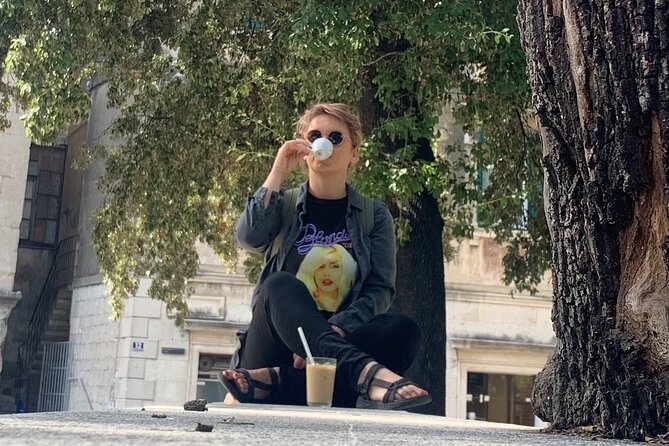
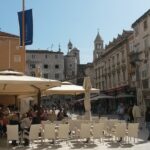
The meeting point is Church and Convent of St. Francis (Trg Franje Tuđmana 1). It’s a good start because you’re not dropped into the palace entrance maze immediately—you first get the city’s “front row” view. From there, you head toward Riva Harbor, which is where a lot of Split’s daily life shows up: people strolling, day beginning, and a steady rhythm of cafe culture.
The tour frames coffee time as a key part of a local day. That matters because it changes your mindset. Instead of rushing from landmark to landmark, you’re training yourself to notice small signals: where locals pause, how the waterfront frames the old city, and why Splitians treat simple routines like something worth doing well.
Riva Harbor in this context is more than pretty scenery. It’s the orientation stage. Once you understand where the palace sits in relation to the waterfront, the stone geometry of Diocletian’s world makes sense faster later.
If you’re the type who likes to return to a place and “read it” differently, this beginning sets you up for that.
Diocletian’s Palace substructures: the emperor side, not the postcard side
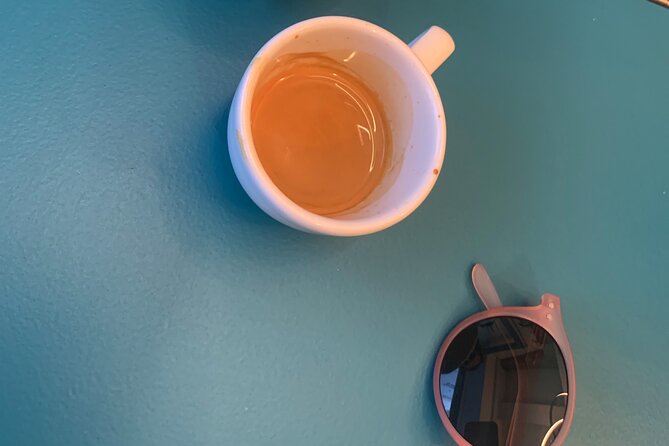
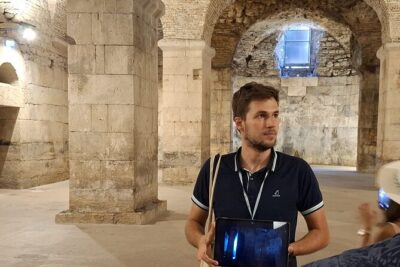
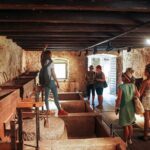
After the waterfront start, you enter the older, antique portion of the palace complex. The first major palace stop is Diocletian Palace Substructures. This is where your guide brings out the story behind the stone. You’ll spend about 10 minutes here, but it’s not rushed.
Two useful things happen at this stop. First, you learn how the palace isn’t just a ruin—it was built with logic, function, and status in mind. Second, your guide connects what you’re seeing to pop-culture context. The tour specifically notes that Game of Thrones filming took place in the palace substructures area. That doesn’t replace historical explanation, but it gives your brain a familiar hook while you track the layout and mood.
A possible drawback: palace substructures can feel more “structural” than dramatic if you’re only expecting grand halls. So go in prepared to enjoy the atmosphere and the meaning of passageways and layers.
The Vestibulum: how emperor stories connect to modern Split
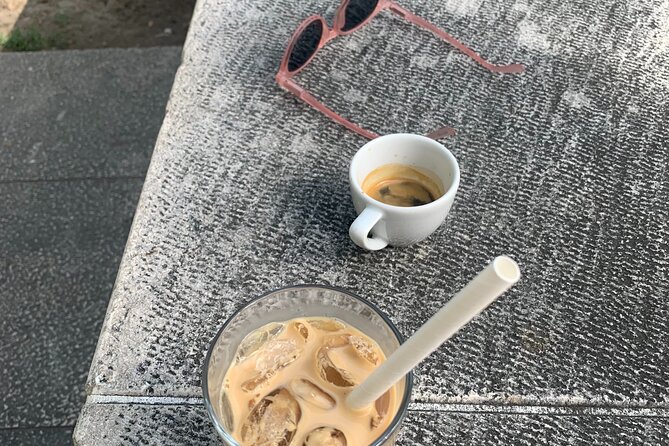
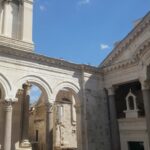
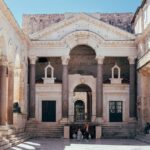
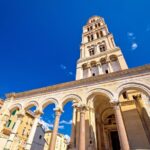
Next comes Vestibulum of Diocletian’s Palace, another 10-minute stop. This is one of those spaces that can look like a hallway if you walk past it quickly. On this tour, it becomes a storytelling pivot point.
The focus here is on emperor references and how they connect to modern Split. That’s a smart approach. Instead of treating the palace as a frozen museum scene, your guide turns it into a living backdrop: a place that still influences how people move, gather, and understand the city.
This stop also helps you understand the palace’s internal “conversation.” You start to see how different sections work together. When you reach later points—like main entrances and squares—the earlier story makes those places feel less random.
Brass Gate and specialty coffee: food, wine, and rakija culture
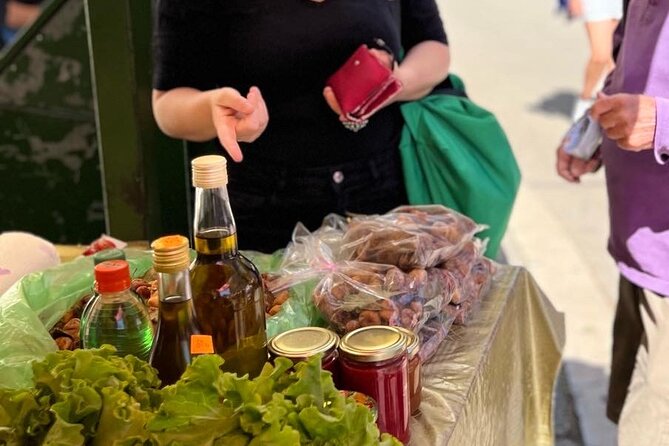
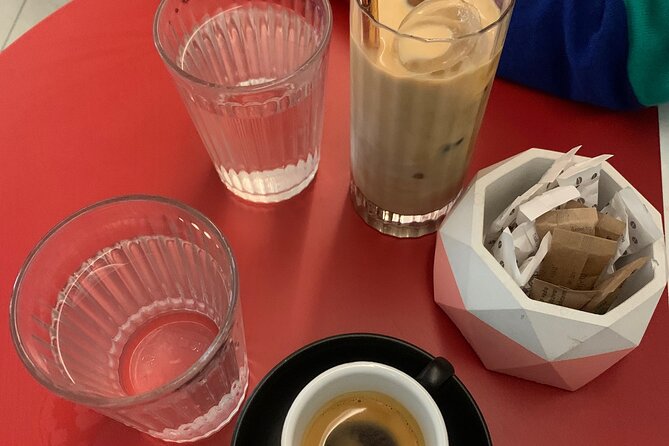
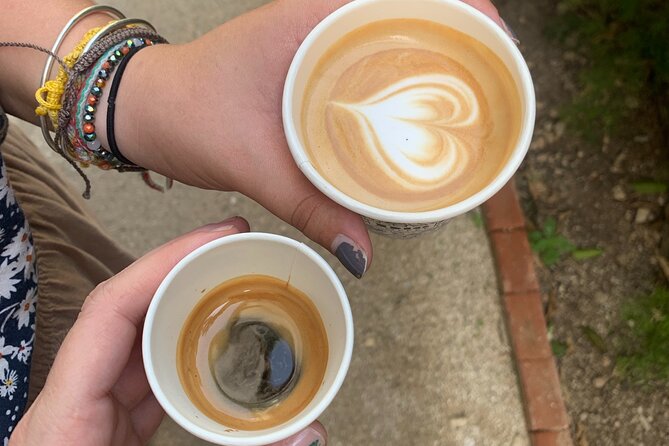
Now for the part you’ll remember when you’re deciding where to eat later. The tour’s lengthiest middle stop is the Brass Gate, lasting around 30 minutes. This is where you’ll have your specialty coffee experience, described as the guide’s favorite spot in town.
Just as important as the cup is what you learn while you’re there. Your guide shares local customs and traditions tied to food, wine, and rakija production. That’s a big deal because it turns Split’s famous drinks into something you can talk about and recognize on your next meal.
This is also where I think the tour offers strong value for the price. A good sight tour shows you stones. A good city tour also shows you how locals think about food and drink, and why certain flavors and rituals matter. Coffee becomes the entry point, and then it spreads outward into the broader culture.
One more detail from the experience: Mirjana’s approach feels playful and personal. In the reviews, people highlight moments like dark chocolate and the way she blends small treats with story. That kind of pacing makes the middle stop feel like a conversation rather than a performance.
You can also read our reviews of more private tours in Split


Golden Gate and Pjaca: finishing the palace circuit with a view of everyday life
After Brass Gate, you move to The Golden Gate, the main entrance to the Imperial Palace. You’ll spend about 10 minutes here. This is a good “reset” moment. By now, you’ve walked through substructures and passage spaces. Standing at the main entrance gives you a bigger-picture sense of where the power sat, and how visitors would have entered.
Then the tour walks you to Pjaca (People’s Square) for about 5 minutes. This stop is short, but it’s a smart inclusion. Pjaca is the kind of space where you can see authenticity in how the city breathes: a meeting spot, a place with the right mix of openness and structure.
The tour also includes a quick look at the Temple of Jupiter from outside (about 5 minutes). Even when you’re not inside, the temple area helps you read the palace’s relationship with the broader Roman city logic that shaped Split.
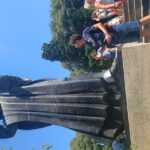
The ending: wishes at Grgur Ninski near the Golden Gate
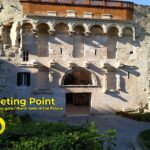
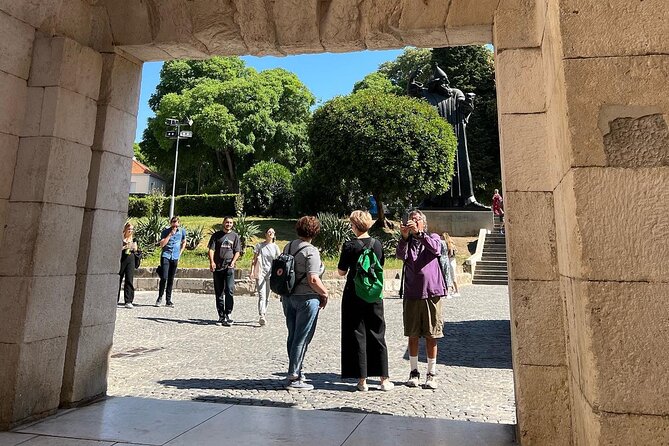
Your tour ends in front of the statue of Grgur Ninski, with the meeting ending point listed near Golden Gate (Dioklecijanova 7). You’ll also learn about a wish tradition tied to the statue. The exact method isn’t spelled out in the tour notes you shared, but the key idea is clear: it’s a playful close that gives you something memorable to do after the walk, not just another photo.
Ending near this landmark also makes sense because it’s a natural “handoff” back to your own time in Split. You’re positioned where you can keep wandering easily, head toward your next meal, or circle back toward the waterfront.
Price and value: what you’re paying for at $115.99
At $115.99 per person, this isn’t a cheap, generic walking tour price. But it’s also not overpriced for what you actually get, especially if you value guided interpretation over basic navigation.
Here’s the practical value breakdown:
- You’re paying for a private experience, so the guide can tailor pace and respond to your interests.
- You get a licensed tourist guide and certified history interpreter, plus a local expert born and raised in Split. That combination matters when you want more than surface facts.
- Coffee and/or tea are included, and the tour uses coffee as a cultural tool, not just a timed break.
- The route is built to include palace spaces that many people skim too quickly on their own.
If you’re traveling with a small group, private pricing can still feel fair because you’re essentially buying more attention per person. If you’re the solo type, it can still be worth it if you know you’ll spend extra time researching coffee stops or history after the tour. The goal here is to reduce your guesswork and help you enjoy Split immediately.
Who this private coffee-and-stories tour fits best
I think this tour is a great fit if you:
- Like walking through old cities with a guide who connects stones to daily life.
- Want coffee culture explained in a local way, not as a generic stop.
- Prefer smaller moments—like food-and-drink customs, a quick square pause, and a story with meaning.
It’s also ideal for first-time Split visitors. The palace can overwhelm you if you’re doing it alone. This tour gives you a guided path so the layout starts to make sense quickly.
If you hate walking, or you’re expecting long museum-style interiors, you might feel the pace is too light. But the tour duration is about 1 hour 15 minutes to 1 hour 30 minutes, so it stays manageable.
If you book, do this to get more from it
To make the tour feel even better, show up ready to slow down for a short window. Bring comfortable shoes and keep one open hour in your mind for wandering afterward. After the coffee and palace stops, you’ll likely want to follow the cultural threads your guide mentions—food, wine, rakija habits, and where to keep your eyes open for similar traditions.
Also, ask Mirjana what she thinks you should eat next. The tour ends with stories that naturally lead into meal decisions, and you’ll get better results than if you just pick the first menu you see.
Should you book this private Split tour?
Book it if you want Split to feel human. This is not a checklist tour. It’s a guided walk that uses coffee and storytelling to help you understand Diocletian’s Palace and the city around it, with a local guide in charge of the pace.
Skip it if your priority is speed-only sightseeing, or if you’re traveling on shaky weather days and hate walking. The tour does require good weather, and it’s designed for a relaxed, on-foot experience.
If you match those conditions, this private coffee, story, and palace walk is one of the smarter ways to get value out of a short time in Split.
FAQ
How long is the private tour?
The tour lasts about 1 hour 15 minutes to 1 hour 30 minutes.
What’s included in the tour price?
You get a licensed tourist guide and certified history interpreter, a local expert born and raised in Split, plus coffee and/or tea.
Is it a private tour?
Yes. It’s private, meaning only your group participates.
Where does the tour start and end?
It starts at Church and Convent of St. Francis (Trg Franje Tuđmana 1, Split) and ends near Golden Gate (Dioklecijanova 7, Split), in front of the Grgur Ninski statue.
Are there entrance tickets for the palace stops?
The tour notes admission ticket free for the palace-related stops listed.
What happens if the weather is bad?
The experience requires good weather. If it’s canceled due to poor weather, you’ll be offered a different date or a full refund.
Is the tour suitable for most travelers?
The tour indicates that most travelers can participate. Service animals are allowed.